
NEW
Font size
 Worksheets
TQM Quiz
Total questions: 10
Worksheet time: 3mins
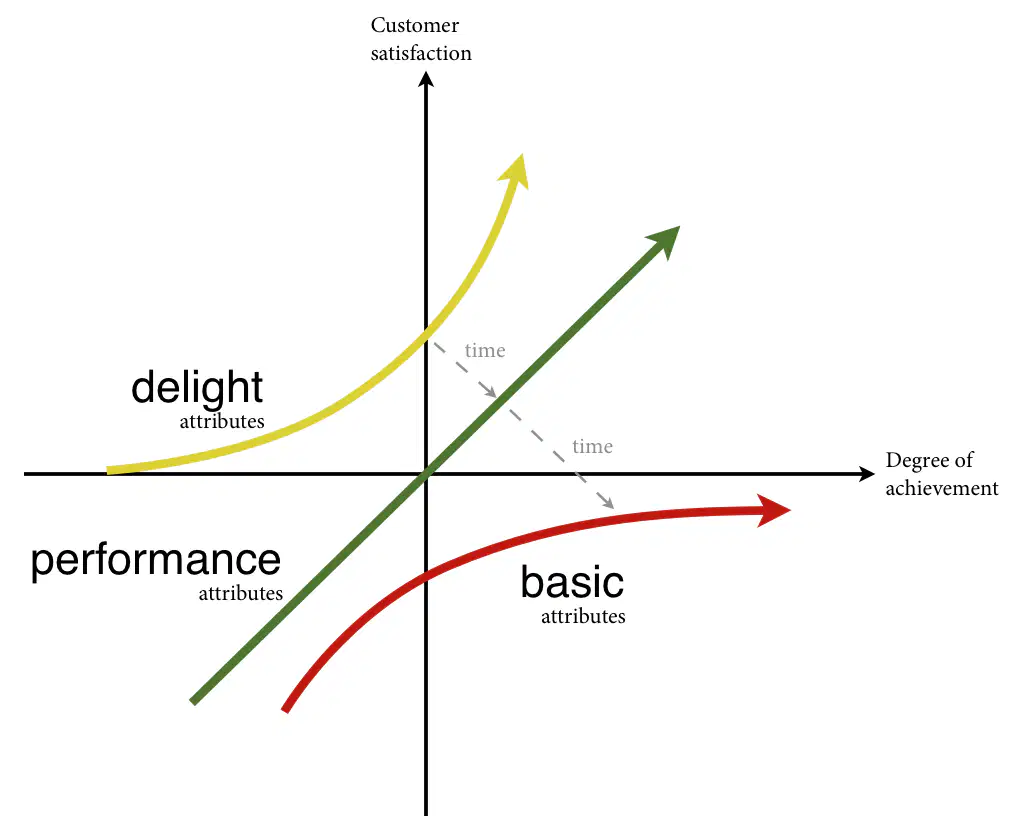
According to Kano’s model, which requirement category represents features that, when delivered, delight customers but whose absence is not noticed?
Basic requirements
Performance requirements
Delight Requirements
Regulatory requirements
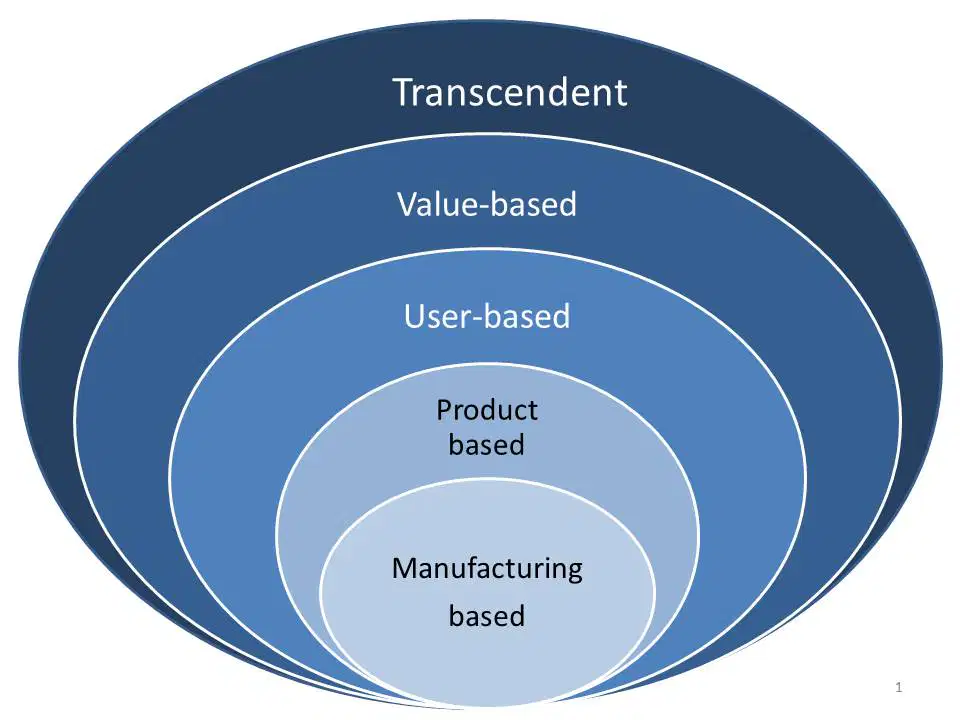
Garvin’s five approaches to defining quality include all of the following EXCEPT
Product based
User based
Financial based
Transcendent
Which metric is best suited to measure a customer’s likelihood to recommend a company to others?
CSAT (Customer Satisfaction Score)
CES (Customer Effort Score)
NPS (Net Promoter Score)
Average star rating on social media
Which practice exemplifies employee empowerment in a TQM context?
Asking employees to submit suggestions but never acting on them
Allowing employees to stop the production line (Andon) when they detect a defect
Requiring managerial approval for every minor process adjustment
Limiting training to only managers and supervisors
Which one of these is a primary reason organizations use employee surveys within a TQM program?
To publicly rank employees by performance
To assess employee relations, identify trends, and guide improvement actions
To replace formal performance appraisals entirely
To limit communication between teams and management
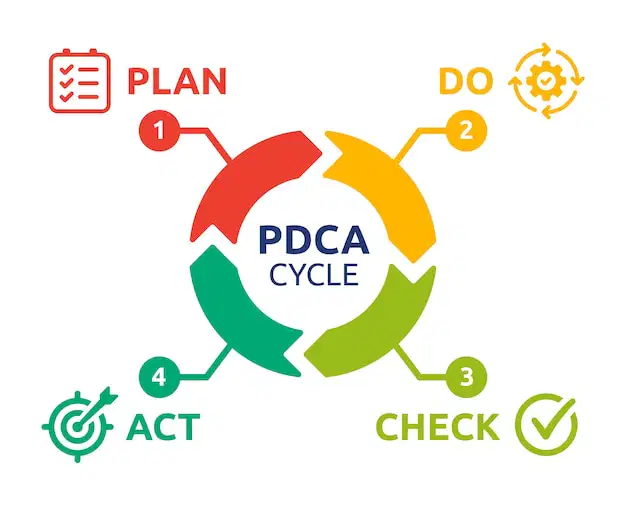
Which Quality Guru is credited with the PDCA cycle, the 14 Points, and the concept that improving quality reduces costs through the chain reaction?
Joseph Juran
W. Edwards Deming
Philip Crosby
Kaoru Ishikawa
Joseph Juran’s Quality Trilogy consists of:
Quality Planning, Quality Control, Quality Improvement
Prevention, Inspection, Appraisal
Design, Manufacture, Distribution
Conformance, Cost, Customer Satisfaction
Which of the following is NOT one of the Seven QC tools listed in the lesson?
Pareto chart
Scatter diagram
SWOT analysis
Control chart

A Pareto analysis is primarily used to
Show correlation between two variables
Display frequency distribution of a single measurement
Identify the vital few causes that account for the majority of problems
Monitor process variation over time with control limits
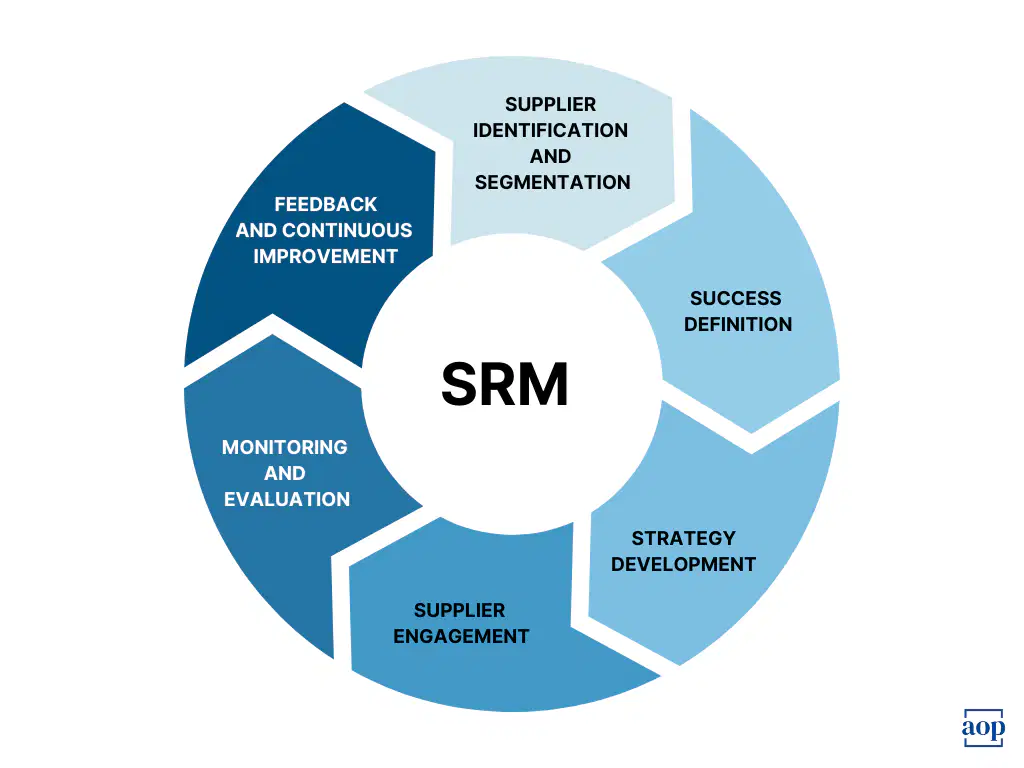
In Total Quality Management (TQM), what is the key reason for building long-term supplier relationships?
To reduce supplier competition
To shift all quality control to suppliers
To improve mutual efficiency through trust and collaboration
To simplify purchasing contracts

