
NEW
Font size
 Worksheets
Grade 5. Digital Literacy
Total questions: 25
Worksheet time: 13mins
Why is it important to check the date of information you find on the web?
To see if the website looks nice
To make sure the information is current and relevant
To find out who wrote the website
To count the number of words
If you are creating a fact sheet, what is one way to make it look professional?
Use interesting fonts and heading sizes
Write everything in one color
Avoid using headings
Do not include any images
When working in a team to create fact sheets, what should you do first?
Plan your work
Start collecting facts immediately
Print the fact sheets
Choose random topics
Why is it important to divide the work among team members when creating fact sheets?
To make the process faster and more organized
To make the sheets look messy
So only one person does all the work
To avoid using any websites
How can you check if your web challenge was successful?
Discuss with your team and review the websites used
Ignore the results
Only use one website
Do not share your work with anyone
Which of the following is NOT allowed under copyright?
Copying someone else's work without permission.
Asking for the copyright owner's permission to use their work.
Saying who created the work.
Creating your own work.
When using other people's work in your school projects, what should you do?
Give credit to the person who created the work.
Use as much of their work as you want without asking.
Never mention the original creator.
Only use work from your friends.
Which piece of information is NOT required when giving credit for someone else's work?
Your favorite color.
Author.
Title of the article or web page.
Website.
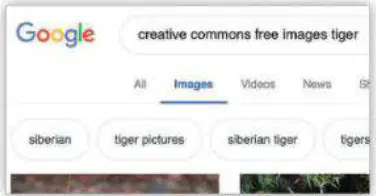
Why might you use a creative commons image in your school project?
It is free to use and you can give credit to the creator.
It is always the best image on the internet.
You do not need to mention the creator.
It is only for professional artists.
If you use part of someone else's work, what should your credit include?
Author, title of the article or web page, website, and date.
Only your name.
Just the website.
The color of the website.
Imagine you found a photo online and want to use it in your project. What should you do before using it?
Check if you have permission and give credit to the creator.
Use it without checking anything.
Change the photo and claim it as your own.
Only use photos from your friends.
Which type of website is usually considered a reliable source of information?
Websites belonging to governments, charities, or universities
Personal blogs
Online shopping sites
Social media pages
What is the difference between a fact and an opinion on a web page?
A fact can be checked to find out if it is true, while an opinion is what someone thinks or feels
A fact is always positive, while an opinion is always negative
A fact is written by experts, while an opinion is written by students
A fact is longer than an opinion
What does a search engine do when you type in a question?
It finds and lists many matching pages from the web.
It only shows one website.
It creates new web pages for you.
It deletes old web pages.
Which of the following is a method a search engine uses to sort results?
How popular a page is
The color of the website
The number of pictures on the page
The length of the website name
How does a search engine know if a website is up to date?
By checking if the website changes often
By counting the number of pictures
By looking at the website's color
By checking the website's age
Suppose you search for a topic and see a website at the top of the results. What should you do before trusting the information on that website?
Check the facts, even if the website is at the top
Trust it without checking
Only look at the pictures
Ignore the website
What is the process called when a search engine sends software to collect information from web pages?
Web crawling
Web surfing
Web linking
Web posting
What does a search engine use to compare websites in its index with the key words in your web search?
Algorithm
Calculator
Dictionary
Timer
Why might you try using different search engines?
To find out which one works best for you.
To make your search slower.
To see the same results every time.
To avoid finding any information.
How can you make sure your search question contains the important key words?
Underline the most important key words.
Add extra punctuation.
Use only one word.
Write your question as a story.
Who invented the world's first search engine?
Alan Emtage
Bill Gates
Tim Berners-Lee
Steve Jobs
If you find information on the web, what should you do to make sure it is trustworthy?
Check if it is correct and reliable
Believe everything you read
Only use information from social media
Ignore the source of the information
What is a web crawler used for?
To search and index information on the web
To create web pages
To play music
To design graphics
How can you improve the quality of questions you generate for research?
By ignoring the responses you get.
By asking the same question repeatedly.
By only asking yes or no questions.
By reviewing and revising them based on feedback.

