
 Worksheets
Metal Processing Quiz
Total questions: 34
Worksheet time: 17mins

Which of the following is a type of furnace used in metal processing?
Blast furnace
Microwave oven
Solar panel furnace
Electric kettle
What is the term used to describe metals found in the ground mixed with impurities?
Alloy
Ore
Mineral
Compound
What is the process called where ore is mined and processed to extract the desired metal?
Refining
Smelting
Mining and processing
Purification
What is a characteristic of ore?
It always contains only one metal.
It is found in pure form in the ground.
It contains impurities and may have multiple metals.
It is a synthetic material.
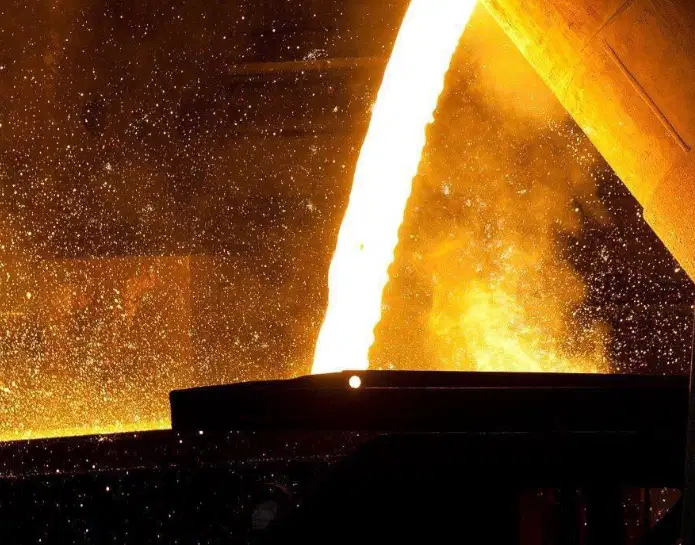
What is the primary purpose of a blast furnace in metal processing?
To mine iron ore.
To heat iron ore to liquid form for smelting.
To reduce the carbon content in iron.
To separate iron from other metals.
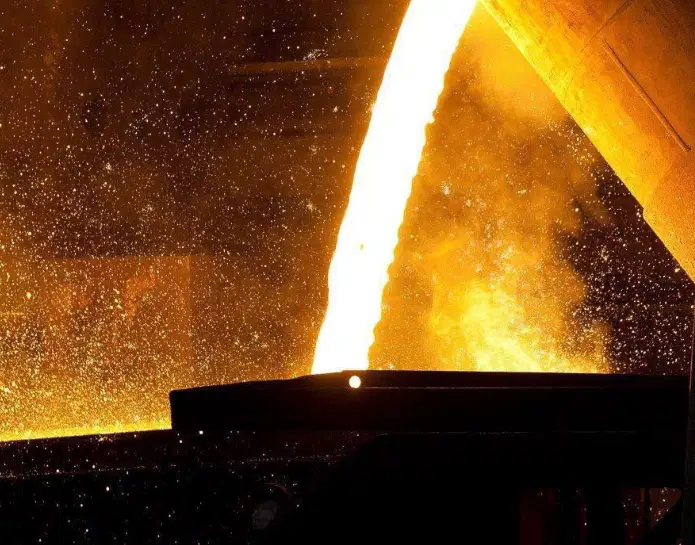
What materials are added to iron ore in the blast furnace to form a "charge"?
Coke and limestone.
Carbon and slag.
Steel and aluminum.
Copper and zinc.
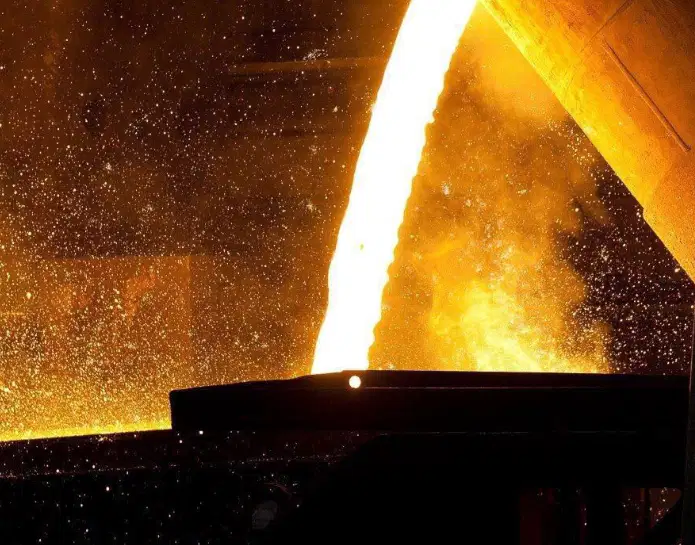
What is the name of the molten iron produced in the blast furnace?
Steel.
Pig iron.
Slag iron.
Cast iron.

Why is pig iron considered unsuitable for fabrication?
It contains impurities.
It has a high carbon content of up to 5%.
It is too soft for industrial use.
It is expensive to produce.

What process is used to make pig iron usable for technological applications?
Increasing the carbon content.
Reducing the carbon content.
Adding impurities.
Cooling the molten iron rapidly.
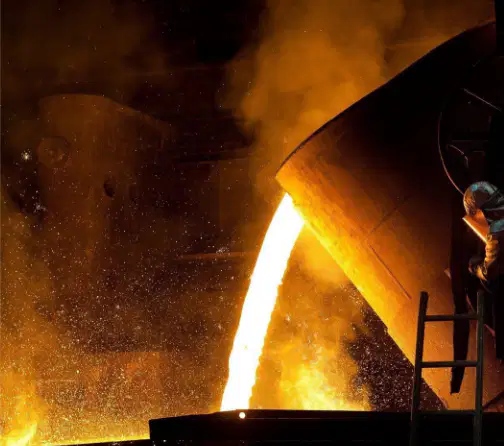
What is the carbon content of pig iron reduced to in the process of creating cast iron?
About 3.5%
About 5%
About 2%
About 4.5%
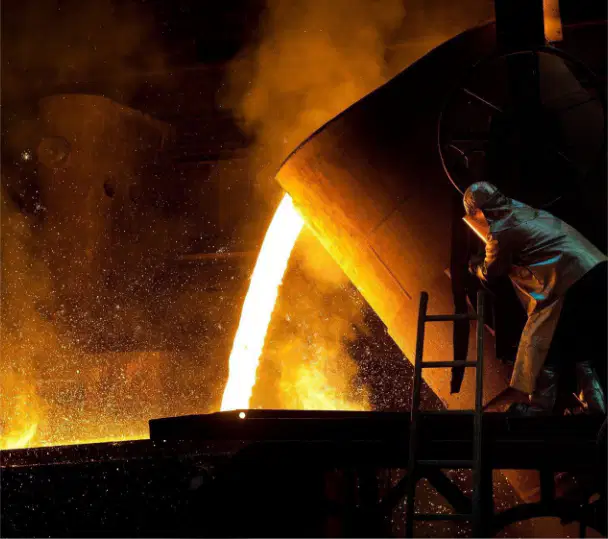
What is the process called where molten iron is poured into molds to solidify?
Forging
Casting
Welding
Smelting
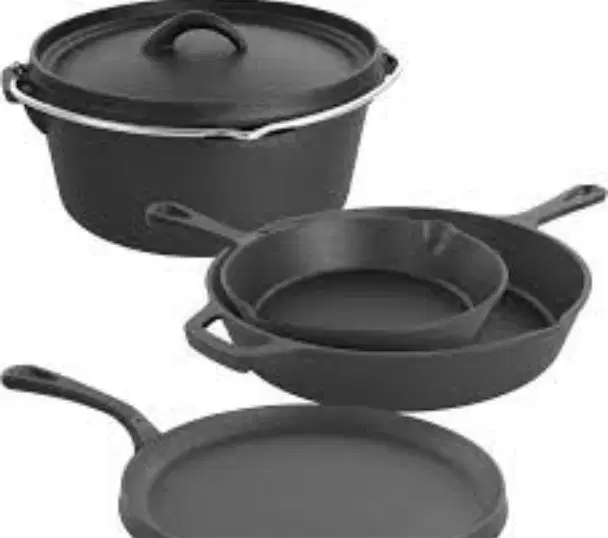
Why is cast iron considered more workable than pig iron?
It has higher carbon content.
It is poured into molds to solidify.
It is heated at a higher temperature.
It is mixed with other metals.
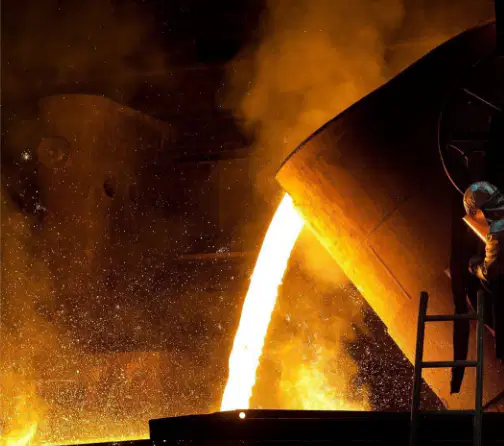
Which furnace is used to reduce the carbon content of pig iron to create cast iron?
Blast furnace
Cupola furnace
Electric arc furnace
Open hearth furnace

What is the maximum carbon content in steel to classify it as Low Carbon Steel (Mild Steel)?
0.3%
0.5%
0.6%
1.5%
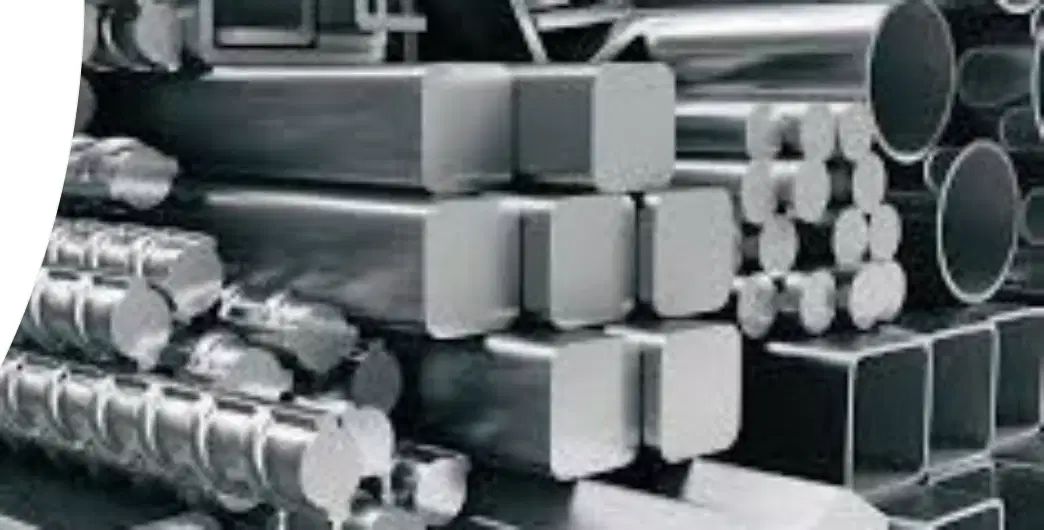
Which type of steel contains 0.6% to 1.5% carbon?
Low Carbon Steel
Medium Carbon Steel
High Carbon Steel
Alloy Steel
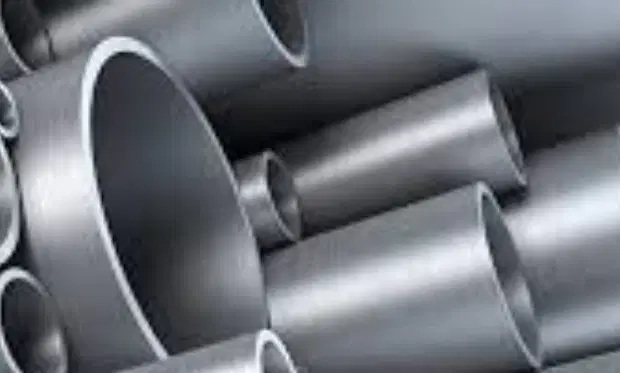
What are plain carbon steels made of?
Iron and carbon
Iron and aluminum
Carbon and copper
Iron and nickel
Which process is used to produce plain carbon steels?
Bessemer converter or open-hearth furnace
Electric arc furnace
Blast furnace
Induction furnace

What is the carbon content range for Medium Carbon Steel?
0.1% to 0.3%
0.3% to 0.5%
0.5% to 0.7%
0.6% to 1.5%

What is alloy steel specifically designed for?
General construction purposes
Specialized purposes
Decorative purposes
Electrical wiring

Which process is used to produce alloy steel?
Open hearth furnace
Blast furnace
Electric furnace
Induction furnace

Which of the following is an example of alloy steel?
Cast iron
High-tensile steels or nickel-chrome alloy
Mild steel
Wrought iron
Which of the following is NOT an example of alloy steel?
High-speed steels
Stainless steels
Nickel-chrome alloy
Cast iron

What are the main components of high-tensile steels?
Iron, carbon, nickel, and chromium
Copper, zinc, aluminum, and magnesium
Silver, gold, platinum, and palladium
Lead, tin, mercury, and arsenic

What is the primary use of high-tensile steels?
To make durable machine parts
To create decorative jewelry
To manufacture lightweight plastic products
To produce electrical wiring

Why are high-tensile steels considered strong?
Because they contain iron, carbon, nickel, and chromium
Because they are lightweight
Because they are made of pure iron
Because they are resistant to heat

Which of the following is NOT a component of high-tensile steels?
Nickel
Chromium
Aluminum
Carbon

What are high-speed steels primarily made of?
Iron, carbon, tungsten, and chromium
Aluminum, copper, zinc, and nickel
Silver, gold, platinum, and palladium
Lead, tin, magnesium, and silicon

Why are high-speed steels suitable for machine cutting tools?
They retain sharp cutting edges at high temperatures
They are lightweight and easy to mold
They are resistant to rust and corrosion
They are inexpensive and widely available

Which additional elements are sometimes included in high-speed steels?
Cobalt and vanadium
Zinc and nickel
Magnesium and silicon
Gold and platinum
What type of heat do machine cutting tools made of high-speed steels experience?
Heat from friction
Heat from electricity
Heat from chemical reactions
Heat from sunlight
What are the primary elements that compose stainless steel?
Iron, carbon, nickel, and chromium
Copper, zinc, aluminum, and tin
Silver, gold, platinum, and palladium
Lead, mercury, arsenic, and sulfur
What is the role of nickel and chromium in stainless steel?
To increase the weight of the steel
To resist corrosion
To make the steel magnetic
To reduce the melting point of the steel
In which applications is stainless steel commonly used?
Applications where corrosion or staining is a concern
Applications requiring high electrical conductivity
Applications involving high thermal insulation
Applications where flexibility is the primary requirement
How do the proportions of elements in stainless steel vary?
They remain constant across all types of stainless steel
They vary between different types of stainless steel
They are determined by the temperature of the steel
They depend on the magnetic properties of the steel

