
 Worksheets
KSS HaSS - World War One revision
Total questions: 18
Worksheet time: 13mins
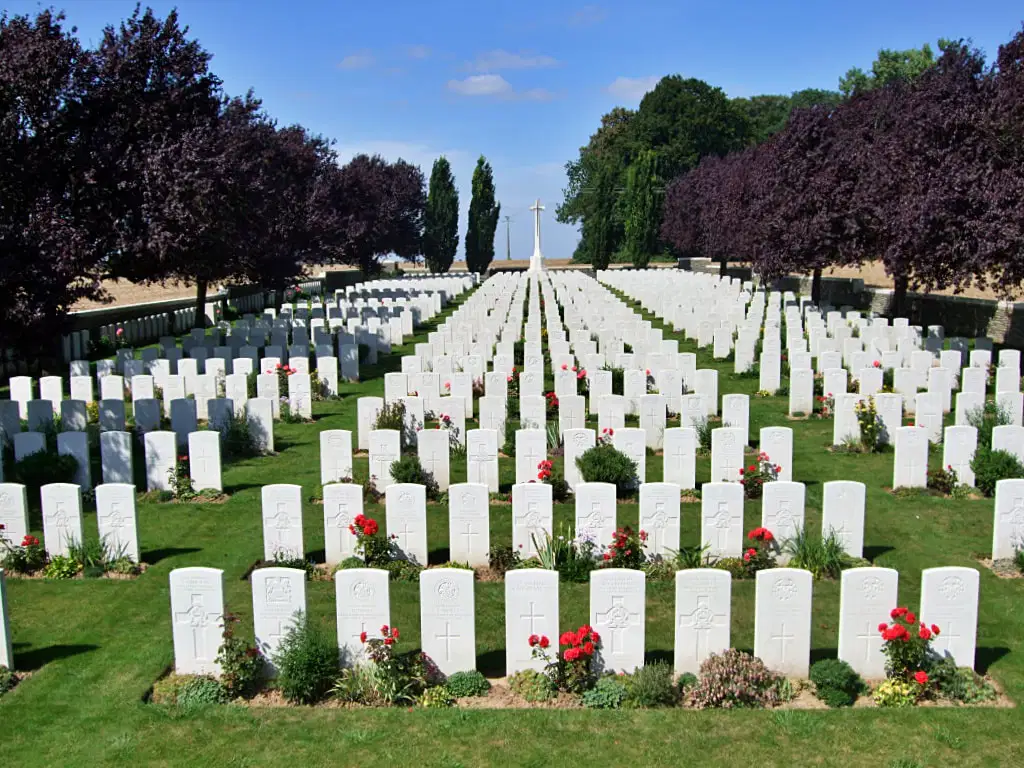
In what years did World War One take place?
1939 to 1945
1914 to 1918
1964 to 1975
2022 to 2025

Archduke Franz Ferdinand, whose assassination is considered an immediate cause of World War One, was from which country?
Germany
United Kingdom
Russia
Austro-Hungarian Empire
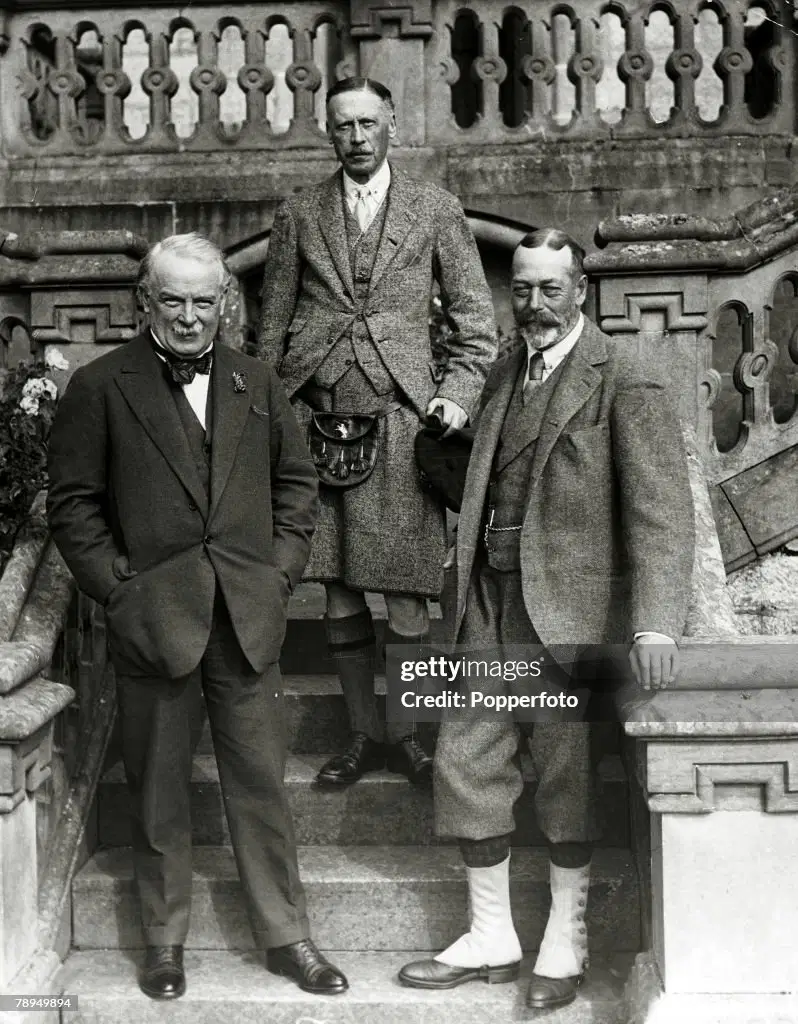
Which countries were part of the Triple Entente and Central Powers in World War One?
France
Russia
Great Britain
Germany
Ottoman Empire
Austro-Hungarian Empire

Why did countries enter into alliances in the years before World War One?
Cultural Exchange
Trade
Military Defence
Love of parades
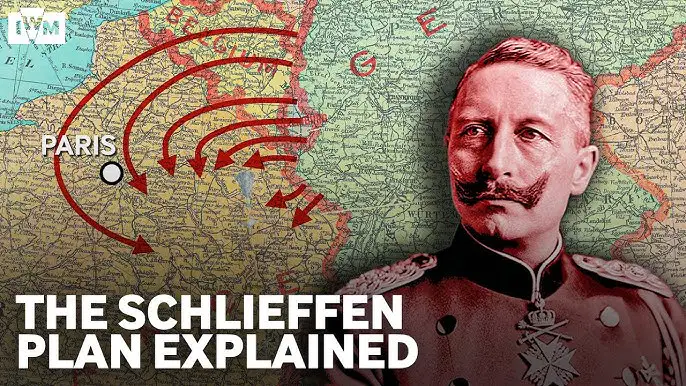
The Schlieffen Plan was Germany's plan to:
knock France out of the war quickly so that they could concentrate on Russia
incite rebellion in Russia to knock them out of the war
open the Dardanelles in modern Turkey
bypass defences on the Death Star to defeat the Empire's most powerful weapon
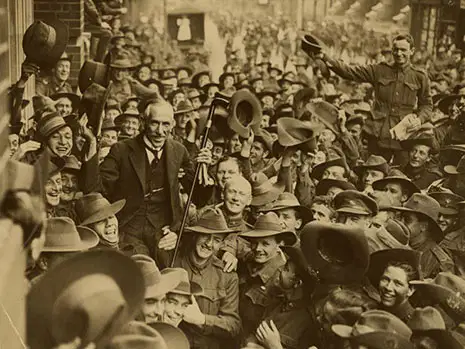
Which Australian Prime Minister tried twice to introduce conscription to Australia?
Anthony Albanese
John Curtin
Edmund Barton
Billy Hughes
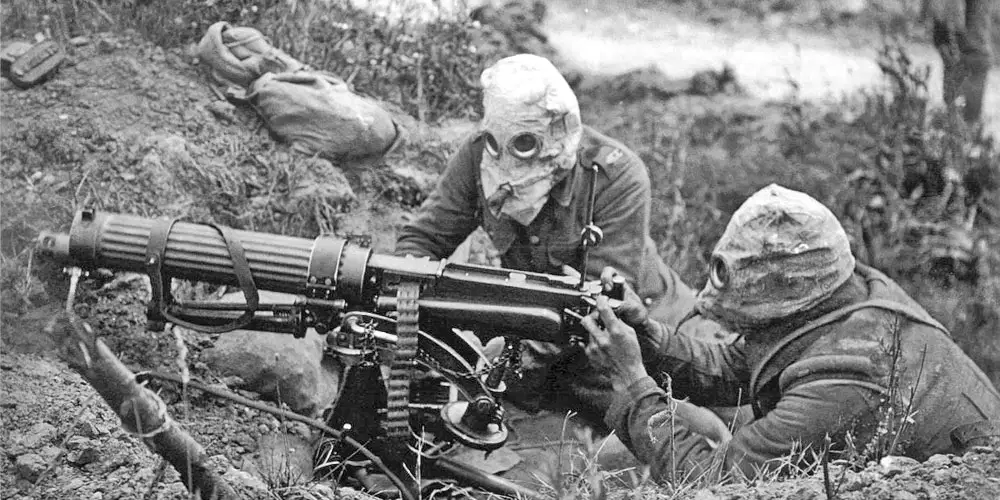
Which of the below technologies were used widely in World War One? (2 answers)
Machine guns
Jet fighters
Poison gas
Light sabres
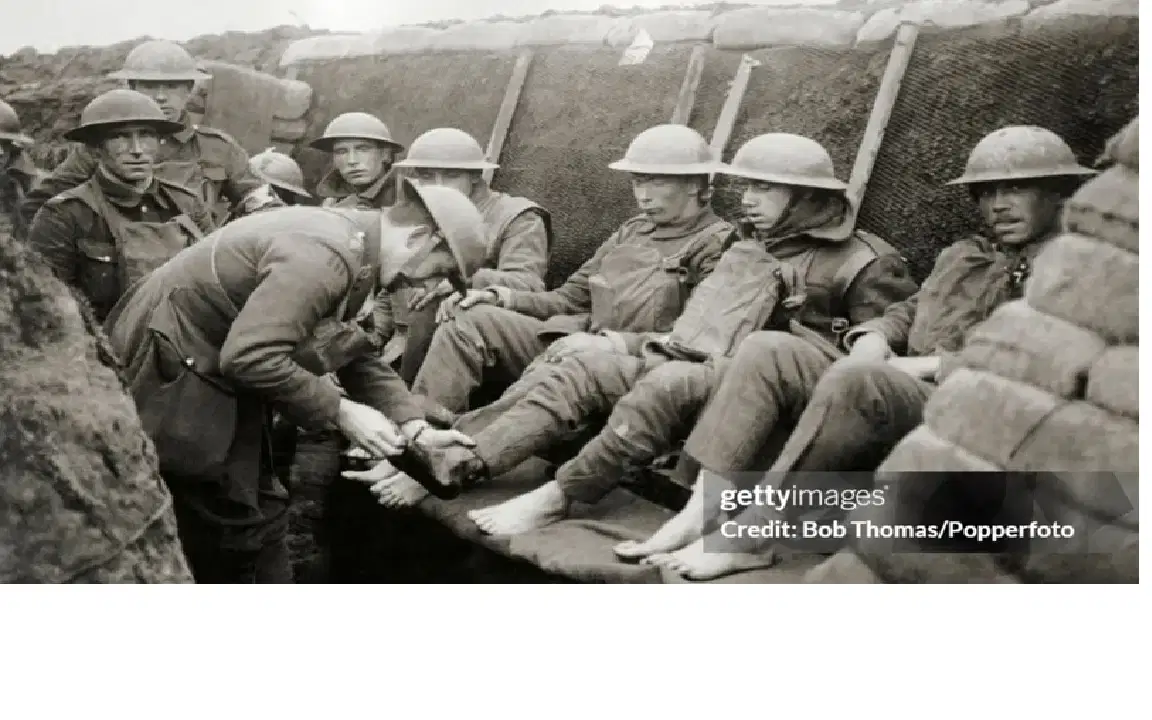
Why might these British soldiers have their feet inspected?
To see whether they can march
To check if they are suffering from trench foot
For a foot massage
To measure them for shoes.
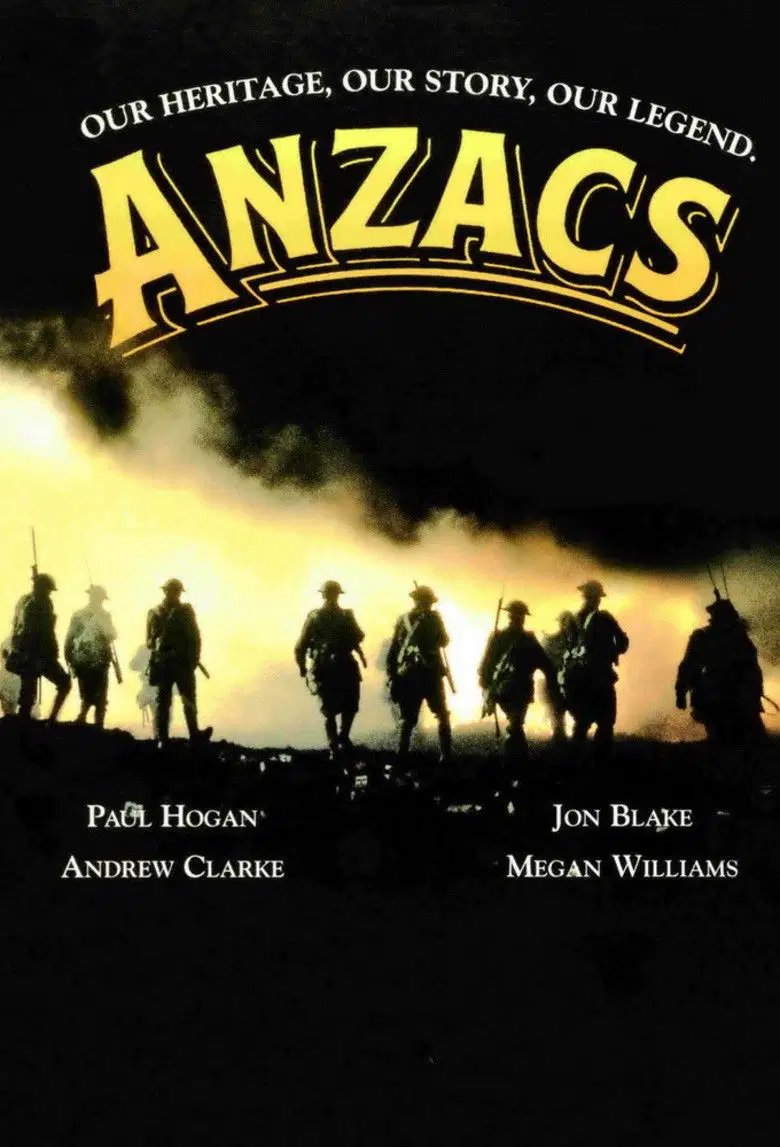
The Australia and New Zealand Army Corp were known as the ANZACs.
True
False
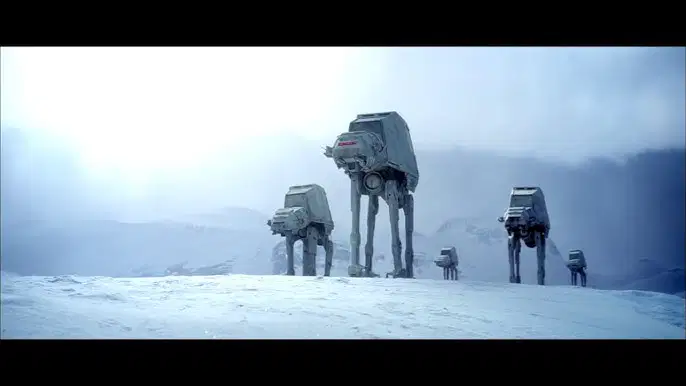
The Western front devolved into trench warfare because..
They were the Rebel Alliance's only means of repelling the Empire's mechanised walkers.
Dreadnought battleships were becoming too powerful
accurate camouflage hadn't been developed yet
advances in defensive technology made open assaults too costly forcing armies to dig trenches for protection

Which country's troops did Australians fight against during the Gallipoli campaign?
The Ottoman Empire
Russian
Bulgarian
Austro-Hungarian Empire

Conscription refers to..
the compulsory enlistment of people into a country's military
compulsory voting
a document allowing you to obtain medicine from a chemist
the Act of Parliament establishing Australia's independence
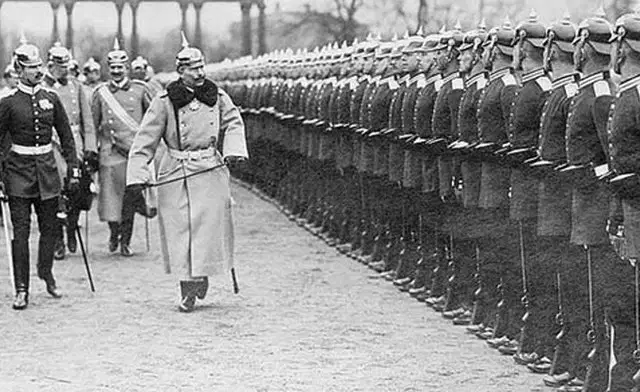
Which of these was NOT a long-term cause of World War One?
Miltarism
Alliances
Imperialism
Nationalism
Civil rights
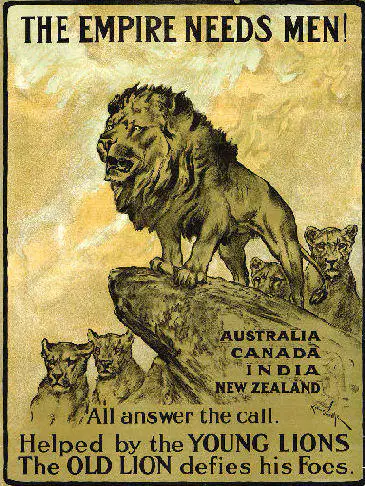
Match the following
Militarism
Policy of building up armed forces
Alliances
System of treaties between nations
Imperialism
Powerful countries establishing empires
Nationalism
Feeling of national superiority
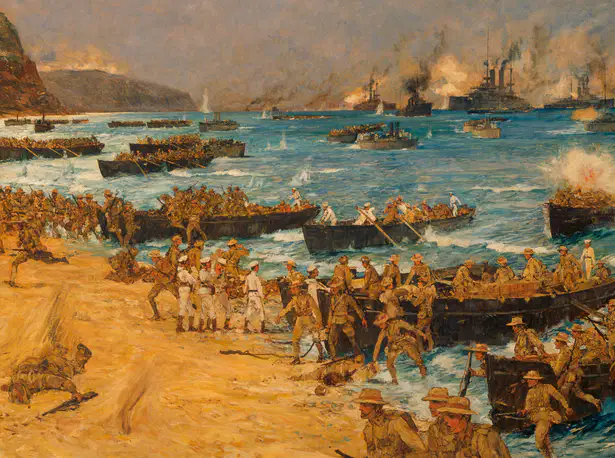
Why is Charles Bean's description of the Gallipoli landings being in the wrong spot an example of, 'contested history'?
He originally worked with incomplete information.
The plans never specified one exact beach.
Currents and conditions made a precise landing impossible.
The actual landing may have been safer than the assumed one.
The idea of a “wrong beach” became a myth rather than an accurate account.
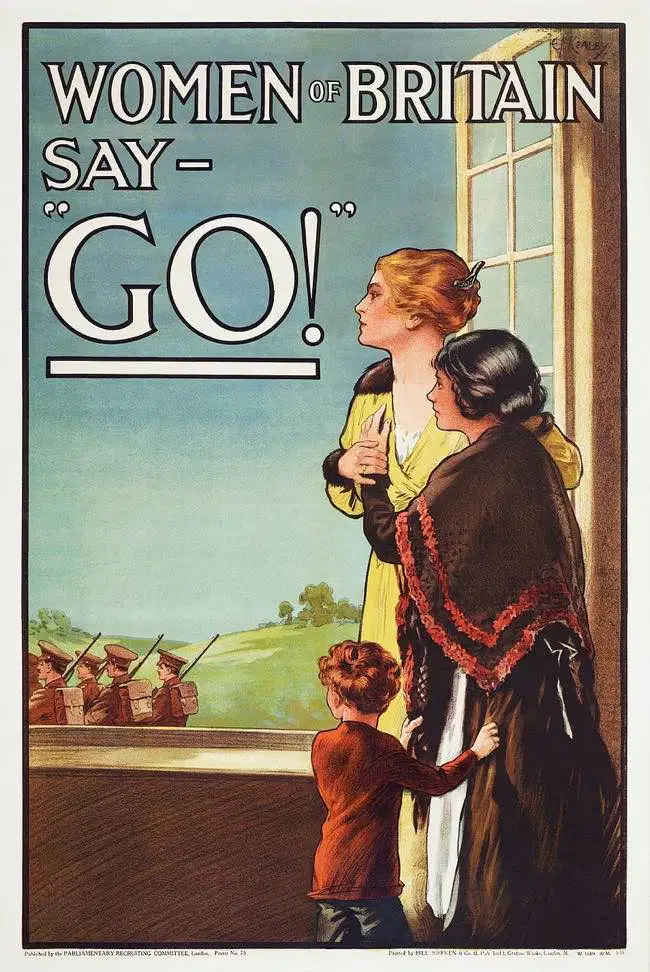
What is this poster encouraging men in Britain to do?
Leave their wives and children
Hike through the countryside
Join the armed forces
Eat healthy
Why might this poster be an effective recruiting tool?
It's use of capital letters
Rectangular posters are better than square
Some men were reluctant to leave families behind
The woman pictured was famous
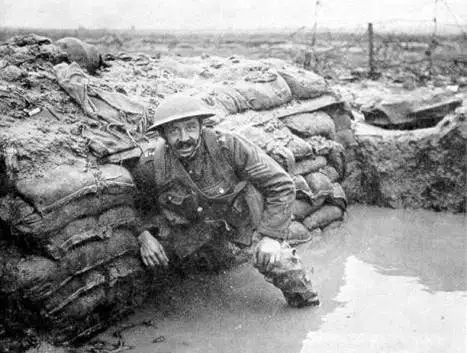
What does the photograph tell us about conditions in World War One?
It was dangerous to show yourself above the top of a trench
Trenches were often cold, wet and muddy
Artillery would destroy all natural vegetation
Maintaining trench systems would take a lot of work

