
 Worksheets
Energy Systems Quiz
Total questions: 98
Worksheet time: 49mins
Which energy system is the fastest and provides energy for very short, explosive efforts lasting about 0–10 seconds?
ATP-PC
Anaerobic Glycolysis
Aerobic System
Lactic Acid System
What is the by-product of the Anaerobic Glycolysis energy system?
Oxygen
Lactic acid
Carbon dioxide
Water
Which energy system requires oxygen and is used during low to moderate intensity exercise lasting longer than 60–90 seconds?
ATP-PC
Anaerobic Glycolysis
Aerobic System
Phosphocreatine System
Which energy system breaks down carbohydrates, fats, and sometimes protein in the presence of oxygen to produce ATP?
ATP-PC
Anaerobic Glycolysis
Aerobic System
Lactic Acid System
What is the duration of high-intensity efforts fueled by the Anaerobic Glycolysis energy system?
0–10 seconds
10–60 seconds
60–90 seconds
More than 90 seconds
Which energy system is anaerobic and does not require oxygen?
ATP-PC and Anaerobic Glycolysis
Aerobic System
ATP-PC and Aerobic System
Anaerobic Glycolysis and Aerobic System
Which energy system is primarily used during activities like long-distance running, cycling, and swimming?
ATP-PC
Anaerobic Glycolysis
Aerobic System
Phosphocreatine System
What type of exercise is associated with the ATP-PC energy system?
Long-distance running
Sprint start, jumping, shot put
Cycling at steady pace
Swimming for hours
What is the primary concept of interval training?
Continuous low-intensity exercise
Alternating work and rest cycles
Only rest periods with no work phase
High-intensity exercise without breaks
Which of the following best describes the work phase in interval training?
A short break for recovery
A high-intensity effort such as sprinting or hard cycling
A long-duration low-intensity activity
A period of stretching exercises
What is the duration of efforts in a short interval training session?
1-4 minutes
15-60 seconds
5-15 seconds
10-20 minutes
What is the work-to-rest ratio for medium interval training?
1:1
1:2 or 1:3
1:5
1:4
Which interval training type involves efforts lasting 1-4 minutes?
Short Interval
Medium Interval
Long Interval
Ultra Interval
What is the purpose of the rest phase in interval training?
To increase the intensity of the workout
To allow partial recovery before the next work period
To perform stretching exercises
To reduce the duration of the workout
What does aerobic power refer to?
The body's ability to produce energy without oxygen
The body's ability to take in, transport, and use oxygen to produce energy over an extended period of time
The body's ability to perform short-duration, high-intensity activities
The body's ability to recover quickly after exercise
Which type of activities is aerobic power most important for?
Short-duration, high-intensity activities
Long-duration, lower-to-moderate intensity activities
Explosive movements like sprinting
Weightlifting and resistance training
Why is the aerobic system considered sustainable and efficient?
It allows athletes to perform short bursts of energy
It helps athletes recover quickly after exercise
It enables athletes to maintain performance for long periods without fatiguing quickly
It increases muscle strength and endurance
Which of the following is an example of an activity that relies heavily on aerobic power?
Sprinting
Weightlifting
Marathon running
High-intensity interval training
What is the primary function of the pulmonary circuit?
To pump oxygen-rich blood to the body.
To remove carbon dioxide and absorb oxygen in the lungs.
To transport nutrients to the cells.
To regulate body temperature.
Which side of the heart pumps deoxygenated blood to the lungs?
Left side of the heart.
Right side of the heart.
Both sides of the heart.
Neither side of the heart.
What happens during gas exchange in the lungs?
Oxygen is removed and carbon dioxide is absorbed into the blood.
Carbon dioxide is removed and oxygen is absorbed into the blood.
Nutrients are absorbed into the blood.
Blood pressure is regulated.
Where does oxygen-rich blood return after leaving the lungs?
To the right side of the heart.
To the left side of the heart.
To the lungs.
To the body.
Which of the following best describes the flow of blood in the pulmonary circuit?
Heart → Body → Heart.
Heart → Lungs → Heart.
Lungs → Heart → Body.
Body → Heart → Lungs.
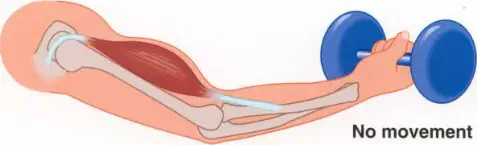
What type of muscle contraction occurs when the muscle generates force without changing its length?
Isometric
Concentric
Eccentric
Dynamic
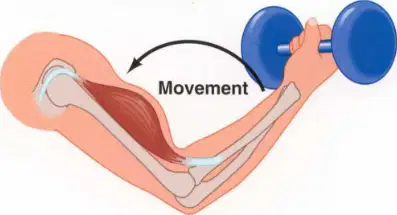
Which type of muscle contraction involves the muscle shortening as it produces force?
Isometric
Concentric
Eccentric
Static
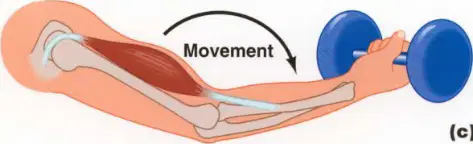
What happens to the muscle during eccentric contraction?
The muscle shortens.
The muscle lengthens.
The muscle remains the same length.
The muscle contracts without movement.
Which of the following is an example of an isometric contraction?
Lifting a dumbbell in a bicep curl.
Slowly lowering a dumbbell in a bicep curl.
Holding a plank position.
Swinging a dumbbell side to side.
During a concentric contraction, what is the primary purpose of the muscle shortening?
To maintain tension without movement.
To overcome resistance.
To control the lowering of a load.
To stretch the muscle fibers.
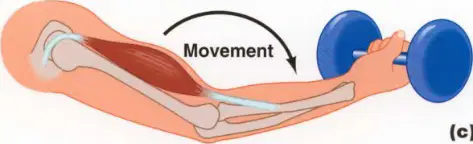
Which type of muscle contraction is involved in controlling the lowering of a load?
Isometric
Concentric
Eccentric
Static
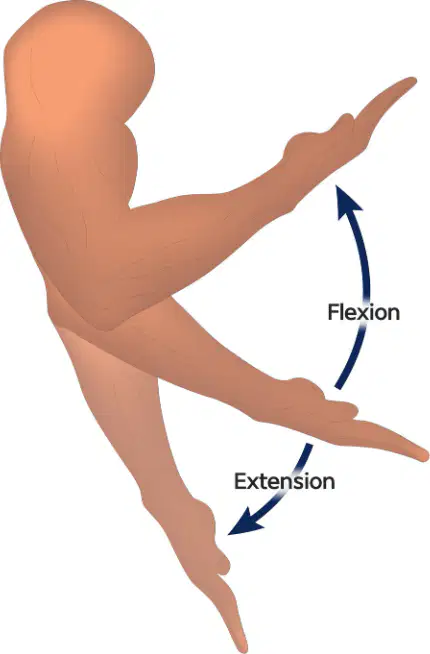
What happens to the angle of a joint during flexion?
The angle increases
The angle decreases
The joint remains stationary
The joint rotates in a circular motion
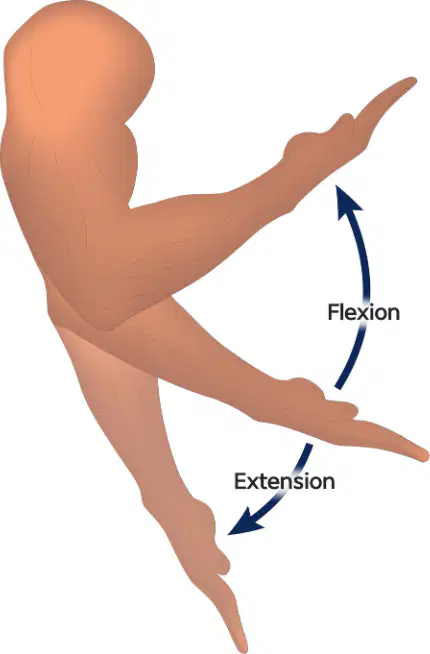
What is the term used to describe the movement where the angle of a joint increases?
Flexion
Extension
Rotation
Abduction
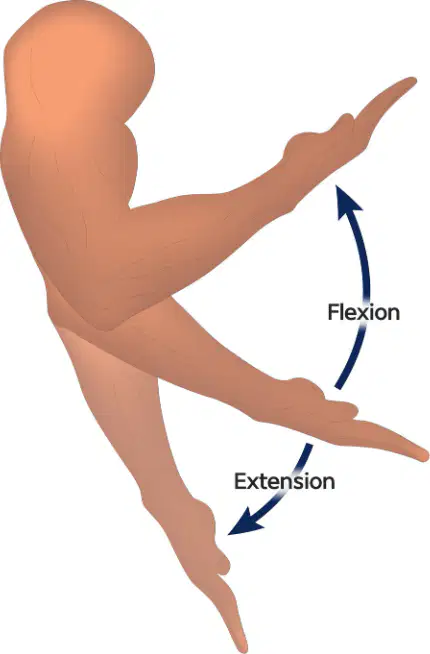
Which of the following best describes the difference between flexion and extension?
Flexion increases the angle, while extension decreases the angle
Flexion decreases the angle, while extension increases the angle
Both flexion and extension decrease the angle
Both flexion and extension increase the angle
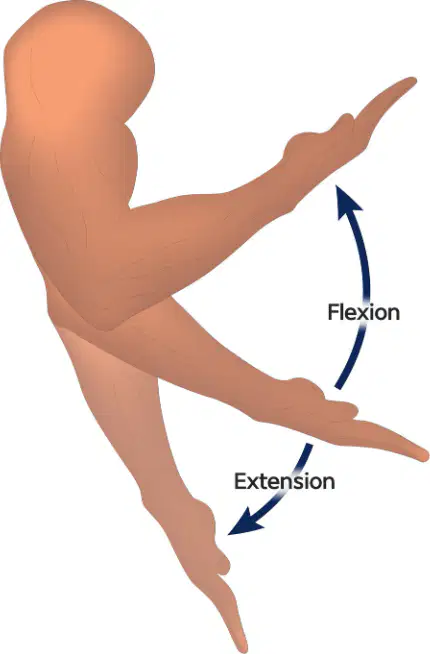
Which joint movement is demonstrated when bending the elbow to bring the hand closer to the shoulder?
Extension
Flexion
Rotation
Abduction
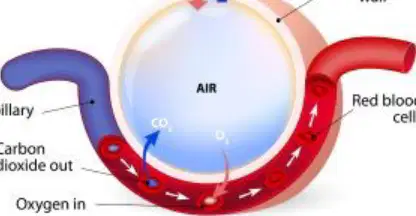
What is the primary function of alveoli in the respiratory system?
To pump blood throughout the body
To facilitate gas exchange between oxygen and carbon dioxide
To produce energy for cellular functions
To store oxygen for later use
What drives the process of gas exchange in the alveoli?
Differences in temperature
Differences in concentration (diffusion gradient)
Differences in pressure
Differences in blood flow speed
Which gas diffuses from the blood into the alveoli to be exhaled?
Oxygen
Nitrogen
Carbon dioxide
Hydrogen
Through which structure does oxygen from inhaled air diffuse into the blood?
Bronchi
Alveoli
Trachea
Diaphragm
What is the role of capillaries surrounding the alveoli?
To transport oxygen to the alveoli
To facilitate the exchange of gases between blood and alveoli
To store carbon dioxide for exhalation
To produce oxygen for the body
What is the definition of muscular strength?
The ability to generate force quickly, combining strength and speed.
The ability of a muscle or muscle group to perform repeated contractions over time without fatiguing.
The maximum force a muscle or muscle group can generate in a single effort.
The ability to maintain balance during physical activity.

Which test is used to measure muscular power?
Vertical Jump Test
1RM Bench Press or Squat
High-repetition push-ups or sit-ups (Timed)
Sprint Test

What does muscular endurance refer to?
The ability to generate force quickly, combining strength and speed.
The ability of a muscle or muscle group to perform repeated contractions over time without fatiguing.
The maximum force a muscle or muscle group can generate in a single effort.
The ability to maintain flexibility during physical activity.

Which test is used to measure muscular endurance?
Vertical Jump Test
High-repetition push-ups or sit-ups (Timed)
1RM Bench Press or Squat
Sprint Test
What is the key difference between muscular power and muscular strength?
Muscular power focuses on repeated contractions, while muscular strength focuses on maximum force.
Muscular power combines strength and speed, while muscular strength focuses on maximum force in a single effort.
Muscular power measures endurance, while muscular strength measures flexibility.
Muscular power is tested using push-ups, while muscular strength is tested using the Vertical Jump Test.
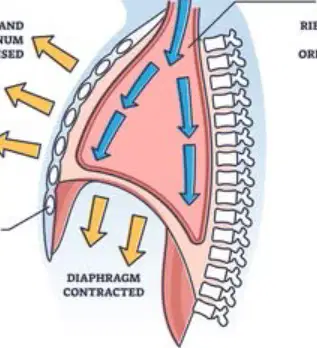
What happens to the diaphragm and chest during inspiration?
The diaphragm relaxes, and the chest contracts.
The diaphragm contracts, and the chest expands.
The diaphragm contracts, and the chest contracts.
The diaphragm relaxes, and the chest expands.
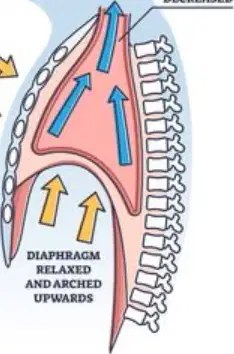
What occurs during expiration in terms of diaphragm and chest movement?
The diaphragm contracts, and the chest expands.
The diaphragm relaxes, and the chest contracts.
The diaphragm relaxes, and the chest expands.
The diaphragm contracts, and the chest contracts.
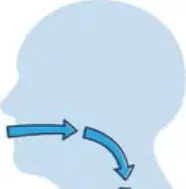
Which of the following best describes the movement of air during inspiration?
Air moves out of the lungs as the diaphragm contracts.
Air moves into the lungs as the diaphragm contracts.
Air moves out of the lungs as the diaphragm relaxes.
Air moves into the lungs as the diaphragm relaxes.
What is the primary role of the diaphragm in the breathing process?
To pump blood throughout the body.
To regulate the heart rate.
To facilitate the movement of air in and out of the lungs.
To control the digestive process.
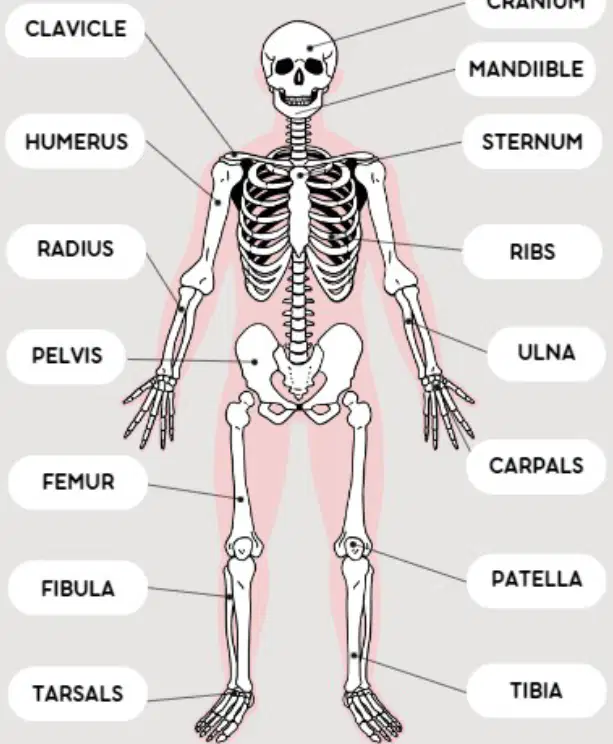
Which bone is located in the upper arm of the human skeleton?
Radius
Humerus
Tibia
Fibula
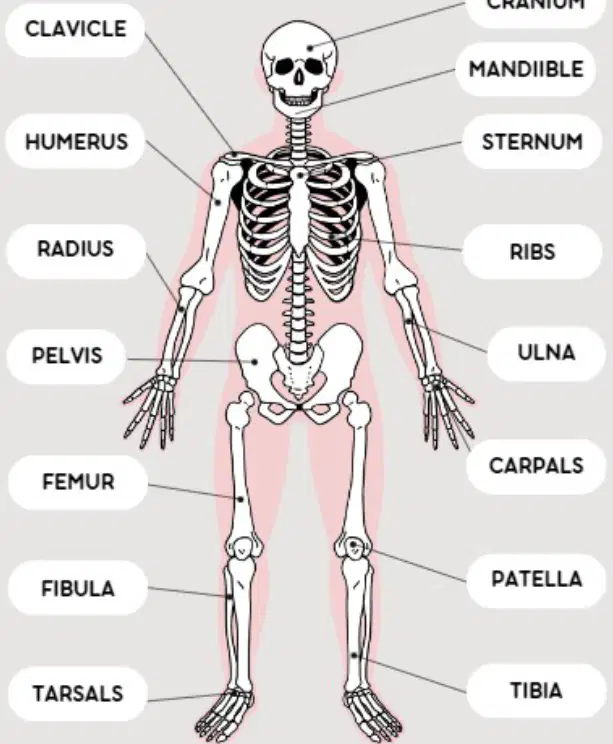
What is the name of the bone that forms the lower jaw in the human skeleton?
Cranium
Mandible
Sternum
Pelvis
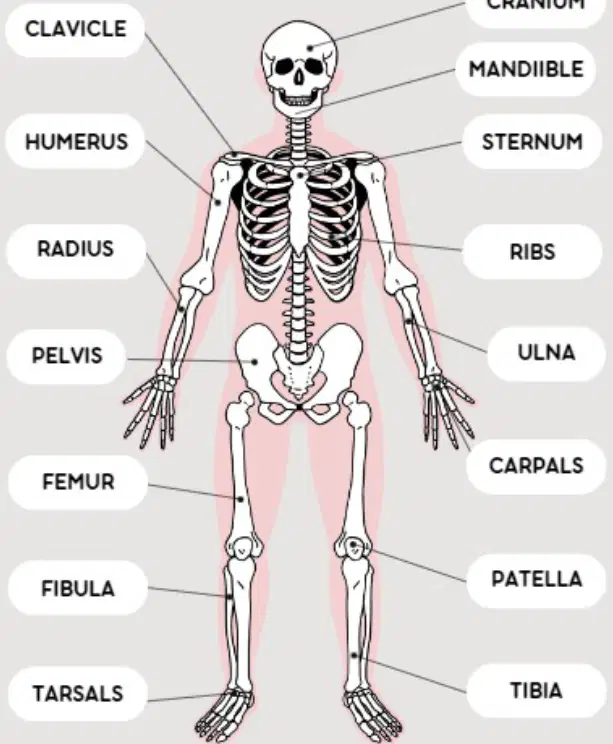
Which bone is part of the human leg and is commonly referred to as the shinbone?
Fibula
Tibia
Femur
Patella
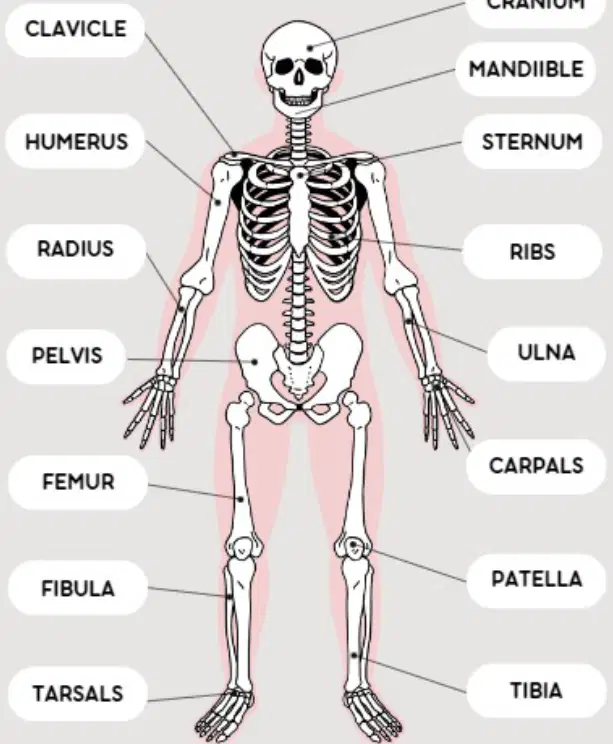
Which bone is located in the human chest and connects the ribs?
Sternum
Clavicle
Mandible
Carpals
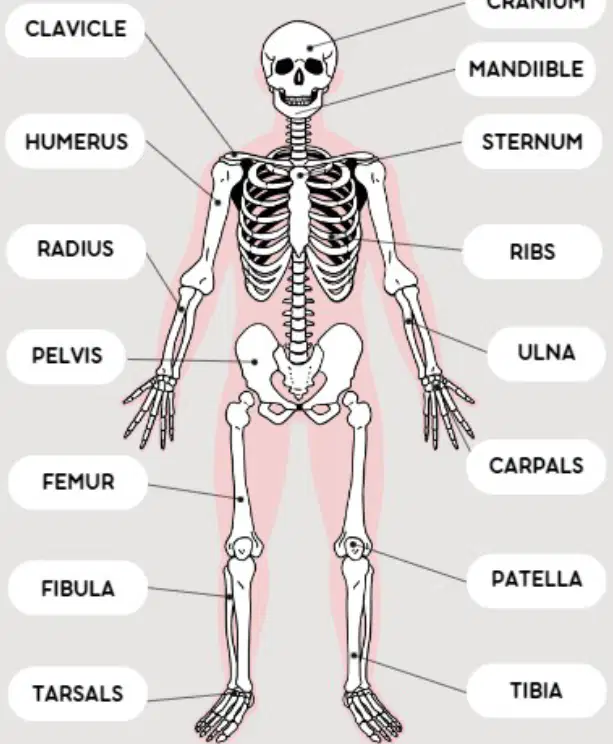
What is the name of the bone that forms the uppermost part of the human skeleton, protecting the brain?
Cranium
Mandible
Pelvis
Femur
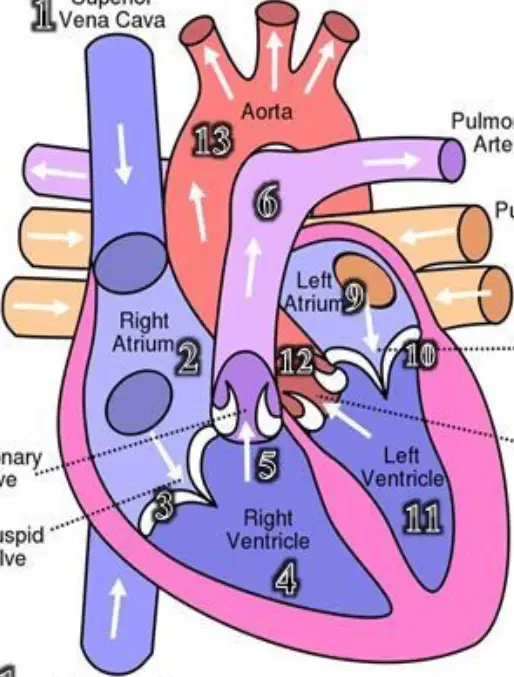
What is the name of the blood vessel labeled as '1' in the diagram of the heart anatomy?
Inferior Vena Cava
Superior Vena Cava
Pulmonary Artery
Aorta
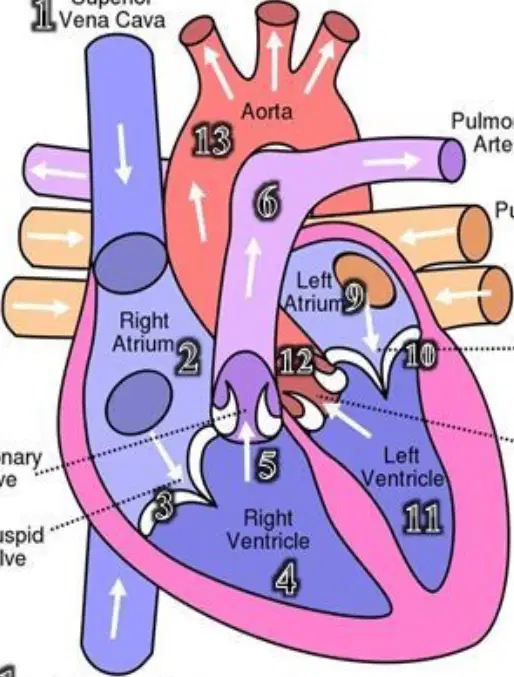
Which chamber of the heart is labeled as '2' in the diagram?
Right Atrium
Left Atrium
Right Ventricle
Left Ventricle
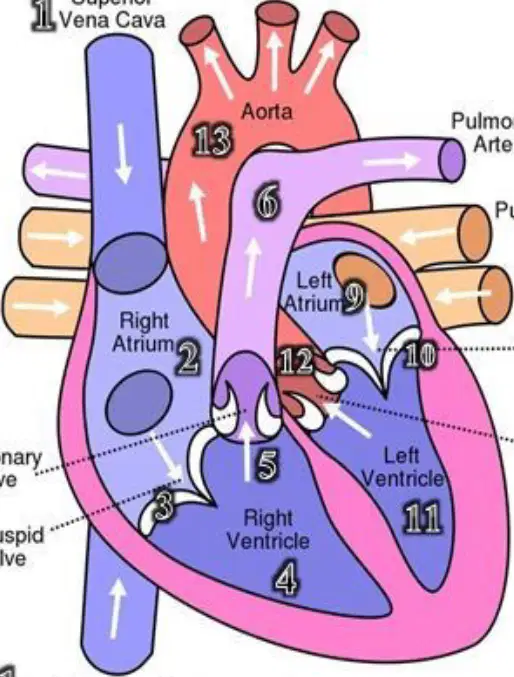
What is the function of the valve labeled as '3' in the diagram of the heart anatomy?
Prevents backflow of blood from the right ventricle to the right atrium
Prevents backflow of blood from the left ventricle to the left atrium
Prevents backflow of blood from the pulmonary artery to the right ventricle
Prevents backflow of blood from the aorta to the left ventricle
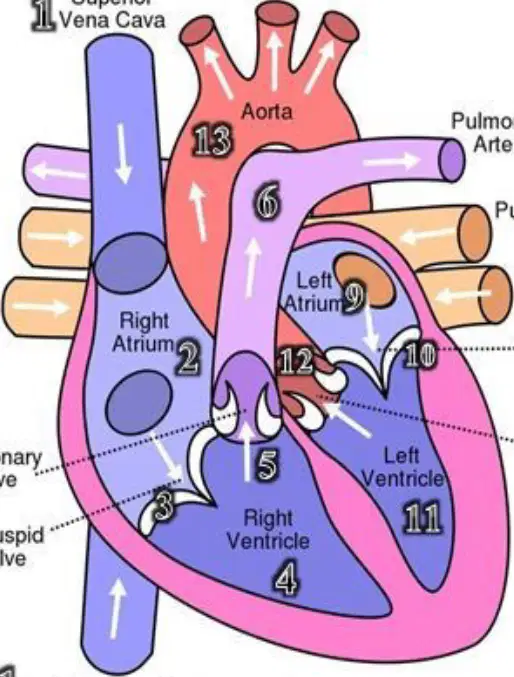
Which blood vessel carries oxygenated blood away from the heart and is labeled as '13' in the diagram?
Aorta
Pulmonary Artery
Superior Vena Cava
Inferior Vena Cava
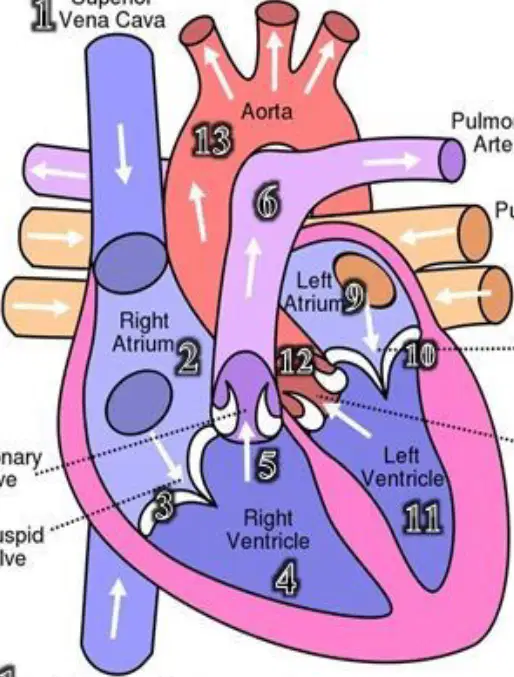
What is the name of the valve labeled as '10' in the diagram, and what is its function?
Mitral Valve; prevents backflow of blood from the left ventricle to the left atrium
Tricuspid Valve; prevents backflow of blood from the right ventricle to the right atrium
Pulmonary Valve; prevents backflow of blood from the pulmonary artery to the right ventricle
Aortic Valve; prevents backflow of blood from the aorta to the left ventricle
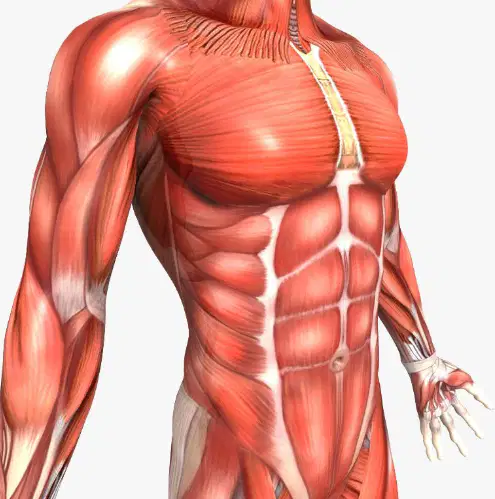
Which of the following is a primary function of the muscular system?
Producing hormones
Allowing movement
Filtering blood
Absorbing nutrients
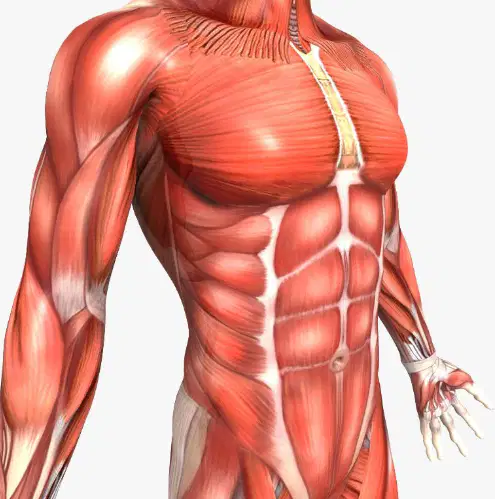
What does thermoregulation, a function of the muscular system, help with?
Maintaining body temperature within limits
Digesting food
Pumping blood
Producing energy
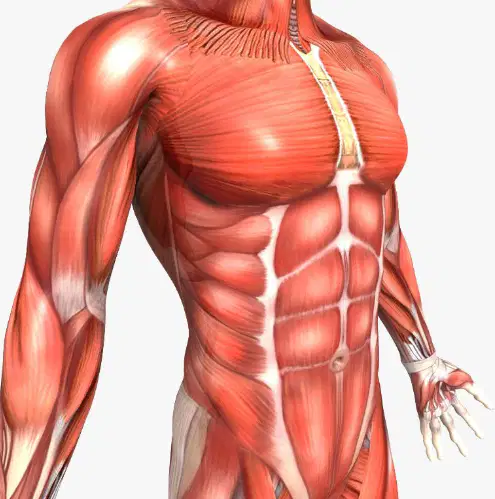
Which essential body functions are supported by the muscular system?
Breathing, digestion, and heart function
Vision, hearing, and taste
Blood filtration, nutrient absorption, and hormone production
Energy storage, reproduction, and immunity
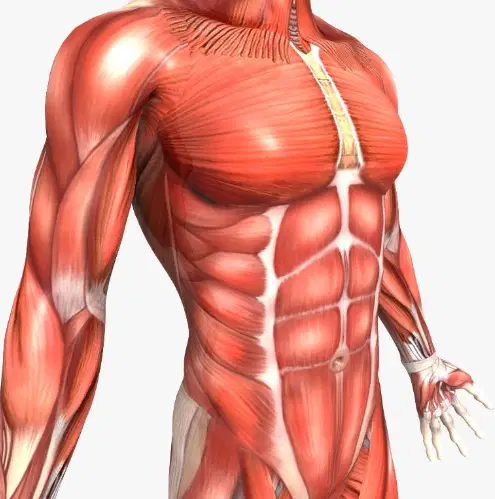
How does the muscular system contribute to posture?
By producing hormones that strengthen bones
By maintaining the alignment and stability of the body
By filtering blood to improve circulation
By absorbing nutrients to provide energy
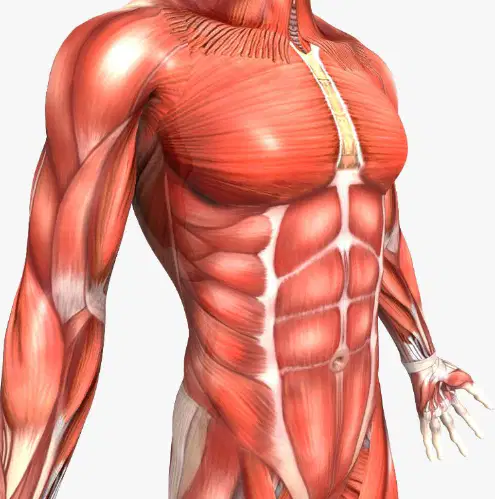
Which of the following is NOT a function of the muscular system?
Thermoregulation
Maintaining posture
Producing hormones
Permitting essential body functions
What does the "F" in FIDOS stand for in training principles?
Frequency
Fitness
Flexibility
Focus
Which training principle refers to how hard you work during training, such as effort level, weight, or heart rate?
Frequency
Intensity
Duration
Specificity
What does the principle of "Overload" emphasize in training?
Gradually increasing the training load, intensity, or duration
Training relevant to your sport or goal
How long each training session lasts
How often you train per week
Which training principle ensures that training is relevant to your sport or goal to produce specific adaptations?
Frequency
Intensity
Specificity
Duration
What does "Duration" refer to in the context of training principles?
How often you train per week
How hard you work during training
How long each training session lasts
Gradually increasing the training load
What is the main characteristic of Continuous Training?
Alternating periods of work and rest
Steady, uninterrupted activity at a moderate intensity
Exercises designed to improve strength and power
Varied intensity during continuous activity
Which training method involves alternating periods of work and rest?
Continuous Training
Interval Training
Resistance Training
Fartlek Training
What is the primary goal of Resistance Training?
To improve muscular endurance, strength, and power
To alternate between sprints and jogs
To maintain steady activity for a set time
To combine fast bursts with slower recovery periods
Which training method is referred to as "speed play"?
Continuous Training
Interval Training
Resistance Training
Fartlek Training
What is an example of Interval Training?
Jogging for 30 minutes without stopping
Sprinting for 30 seconds, walking for 1 minute, and repeating
Squats, push-ups, or bicep curls
Running with alternating sprints and jogs over varied terrain
Which training method combines fast bursts with slower recovery periods?
Continuous Training
Interval Training
Resistance Training
Fartlek Training
Which muscle fibre type is most resistant to fatigue and is suited for activities like marathon running and long-distance cycling?
Type I (Slow Twitch)
Type IIa (Fast Oxidative-Glycolytic)
Type IIb/IIx (Fast Glycolytic)
Type III (Intermediate Twitch)
What is the color of Type IIa muscle fibres?
Red
White
Red-pink
Yellow
Which muscle fibre type is suited for short bursts of maximal effort, such as sprinting or powerlifting?
Type I (Slow Twitch)
Type IIa (Fast Oxidative-Glycolytic)
Type IIb/IIx (Fast Glycolytic)
Type III (Intermediate Twitch)
Which muscle fibre type has a moderate fatigue rate and is used in middle-distance running and soccer?
Type I (Slow Twitch)
Type IIa (Fast Oxidative-Glycolytic)
Type IIb/IIx (Fast Glycolytic)
Type III (Intermediate Twitch)
What is the fatigue rate of Type IIb/IIx muscle fibres?
Low (resistant to fatigue)
Moderate (fatigue faster than Type I but slower than Type IIb)
High (fatigues quickly)
None of the above
Which fitness component refers to the maximum force a muscle can generate?
Muscular endurance
Muscular strength
Aerobic power
Flexibility
What is the ability of a muscle to sustain repeated contractions over time called?
Muscular strength
Muscular endurance
Aerobic power
Body composition
Which fitness component is defined as the ability of the heart and lungs to supply oxygen during sustained activity?
Flexibility
Aerobic power
Reaction time
Speed
What does flexibility refer to in fitness components?
Range of motion around a joint
Ability to move quickly from one point to another
Time taken to respond to a stimulus
Ratio of body fat to lean body mass
Which fitness component is concerned with the ratio of body fat to lean body mass?
Body composition
Muscular power
Coordination
Balance
What is the ability to exert maximum force quickly, combining strength and speed, called?
Muscular endurance
Muscular power
Speed
Agility
Which fitness component refers to the time taken to respond to a stimulus?
Reaction time
Coordination
Balance
Flexibility
What is the ability to move quickly from one point to another called?
Speed
Agility
Coordination
Muscular strength
Which fitness component involves using different body parts together smoothly and efficiently?
Coordination
Balance
Reaction time
Aerobic power
What is the ability to change direction quickly and efficiently called?
Agility
Speed
Flexibility
Muscular endurance
Which fitness component refers to the ability to maintain equilibrium, either stationary or moving?
Balance
Coordination
Reaction time
Body composition
Which energy system dominates during the first 10 seconds of a 400m sprint?
Aerobic system
Anaerobic glycolysis (lactic acid system)
ATP-PC system
Oxidative phosphorylation system
What is the primary energy supplier during the middle and later stages of a 400m sprint?
ATP-PC system
Anaerobic glycolysis (lactic acid system)
Aerobic system
Phosphocreatine system
What role does the aerobic system play during a 400m sprint?
Provides immediate energy at the start of the sprint
Supports recovery and ongoing ATP production after 30–40 seconds
Fuels the athlete through the middle stages of the sprint
Breaks down glucose without oxygen
What does the accumulation of lactate during a sprint contribute to?
Increased energy production
Muscle fatigue and the familiar "burn"
Faster recovery after the sprint
Enhanced aerobic capacity
What does the interplay of energy systems during a 400m sprint depend on?
The athlete's diet
The intensity and duration of the activity
The type of training program
The weather conditions
What is the age of the athlete, Sarah, mentioned in the scenario?
14 years old
16 years old
18 years old
20 years old

Which fitness component does Sarah want to improve to sprint past defenders more effectively during games?
Flexibility
Speed
Agility
Balance
Why does Sarah want to improve her muscular endurance?
To increase her flexibility during games
To maintain power and strength throughout the full 90 minutes of a match without tiring
To improve her ability to jump higher
To enhance her reaction time

What is Sarah's ultimate goal in improving both speed and muscular endurance?
To become a better swimmer
To perform repeated sprints and maintain high-intensity efforts throughout a soccer game
To improve her flexibility and balance
To increase her reaction time

