
Font size
 Worksheets
Physical Science: Chapter 18: Molecular Mixing
Total questions: 48
Worksheet time: 38mins
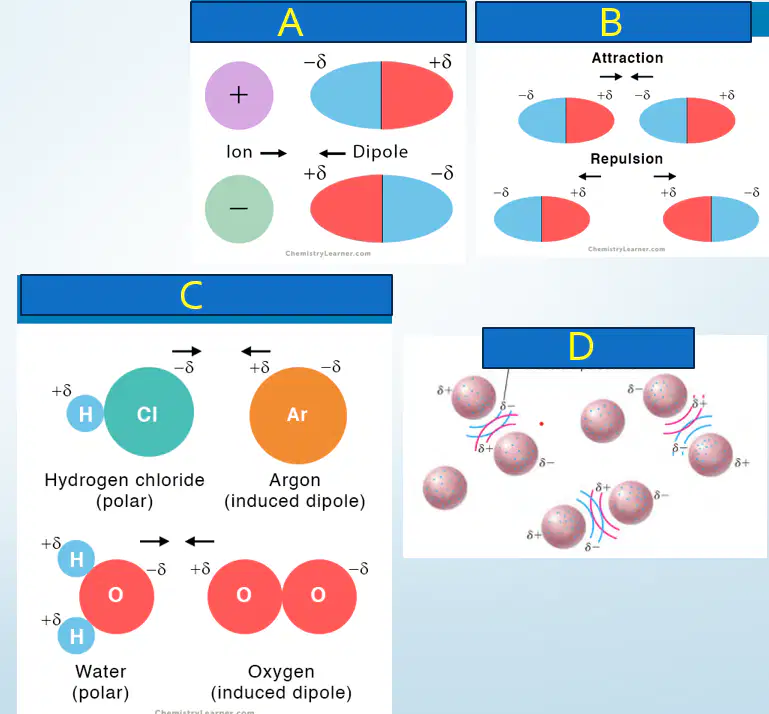
Four types of interactions:
1) Dipole-induced dipole
2) Dipole-dipole
3) Induced dipole-induced dipole
4) Ion-dipole
1: C
2: B
3: D
4: A
1: C
2: D
3: B
4: A
1: C
2: B
3: A
4: D
1: D
2: B
3: C
4: A
1: D
2: C
3: A
4: B
Match the four types of interactions:
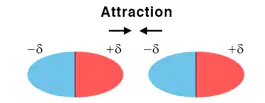
Dipole-dipole
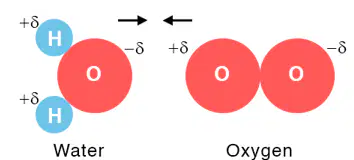
Dipole-induced dipole
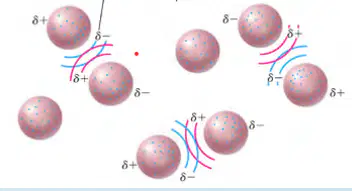
Induced dipole-induced dipole
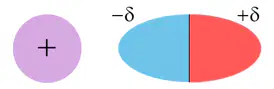
Ion-dipole
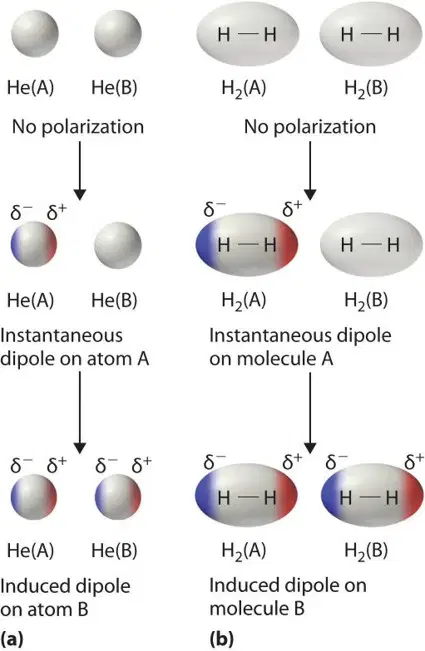
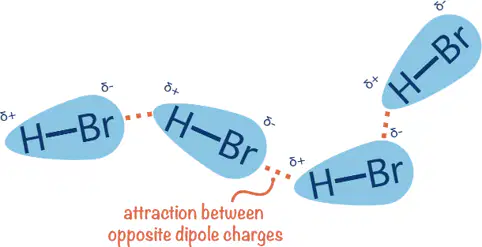
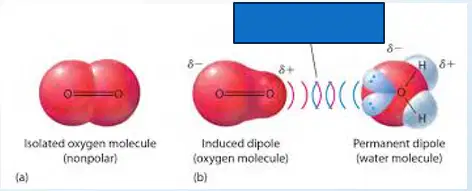
This graphic is showing which interaction?
induced dipole-induced dipole
dipole-induced dipole
dipole-dipole
ion-dipole
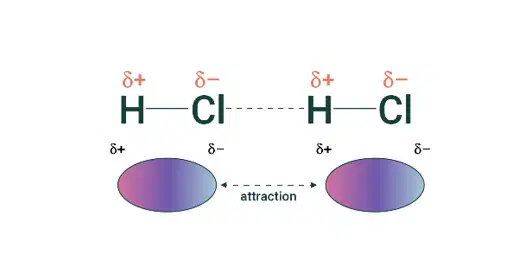
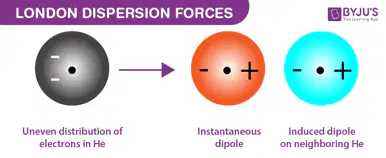
Is this a dipole-dipole interaction or an induced dipole-induced dipole interaction?
dipole-dipole
induced dipole-induced dipole
Order from Strongest to Weakest interaction:
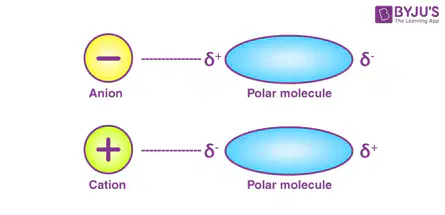
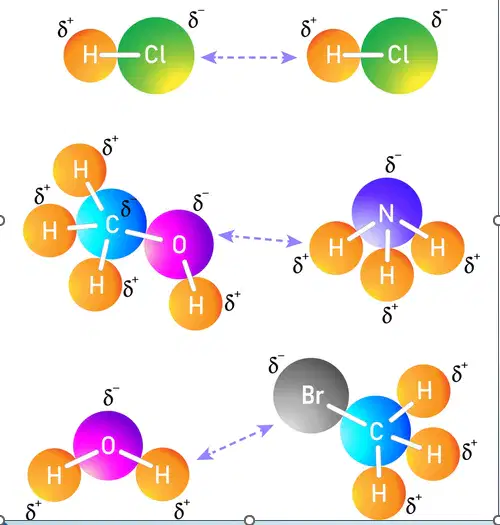
All of these are examples of:
Dipole-dipole
Ion-dipole
Dipole-induced dipole
Induced dipole-induced dipole
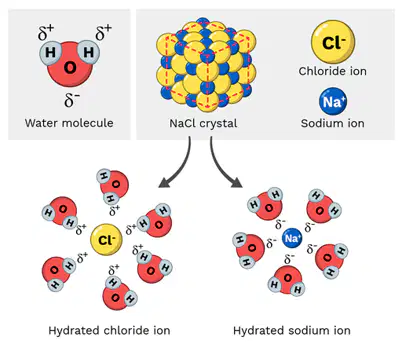
What interaction is being displayed?
Ion-dipole
Dipole-dipole
Dipole-induced dipole
Induced dipole-induced dipole
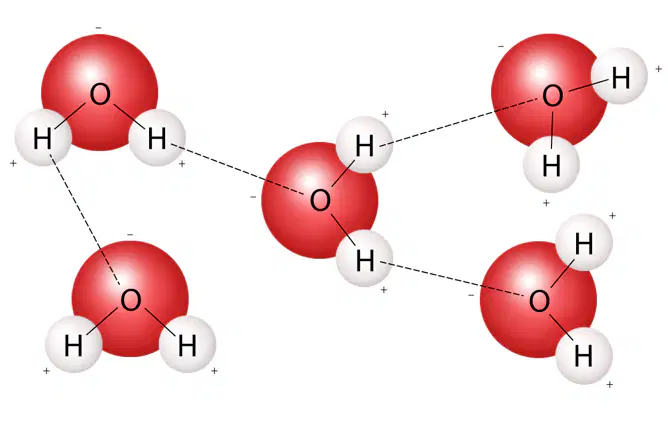
Which type of interactions are being shown:
Ion-dipole
Dipole-dipole
Dipole-induced dipole
Induced dipole-induced dipole
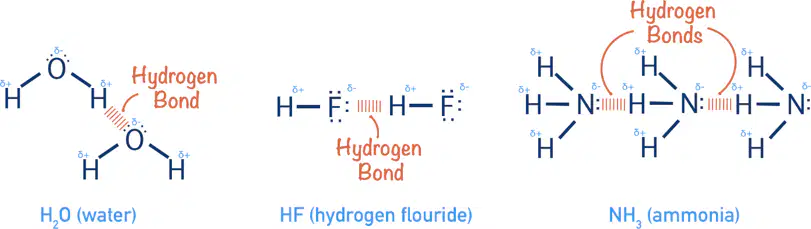
The hydrogen bond is an unusually strong ___ interaction.
Dipole-dipole
Ion-dipole
Dipole-induced dipole
Induced dipole-induced dipole
Which one of these is NOT an example of a hydrogen bond?

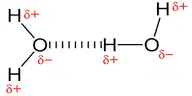
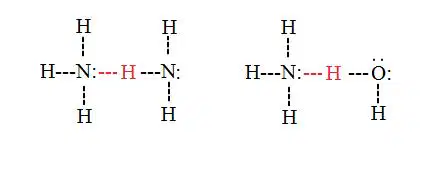
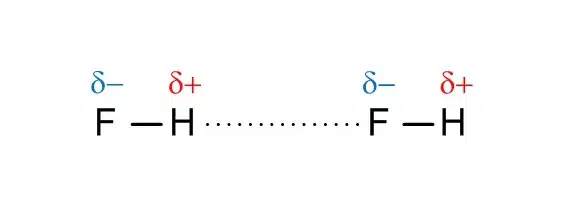
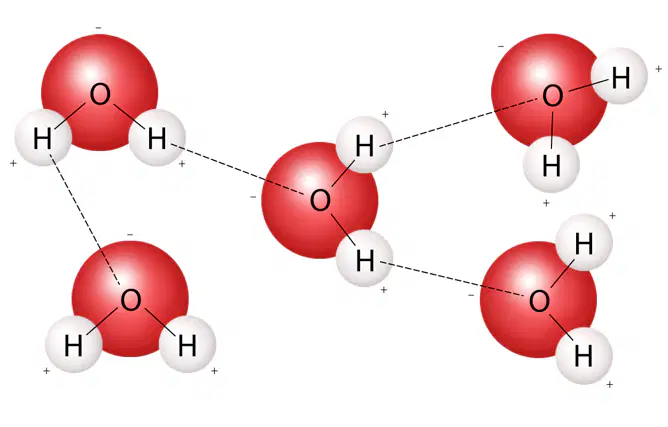
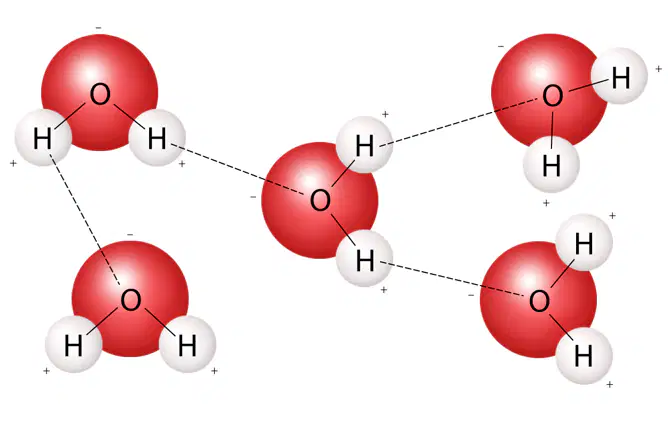
T / F:
1) A hydrogen bond is just as strong of a bond as is a metallic bond, ionic bond or a covalent bond.
2) Hydrogen bonds are strong induced dipole-induced dipole interactions.
3) Hydrogen bonds form when hydrogen is covalently bonded to a highly electronegative atom such as nitrogen, oxygen and fluorine.
1: F
2: F
3: T
1: F
2: T
3: T
1: T
2: F
3: T
1: T
2: T
3: F
1: F
2: T
3: F
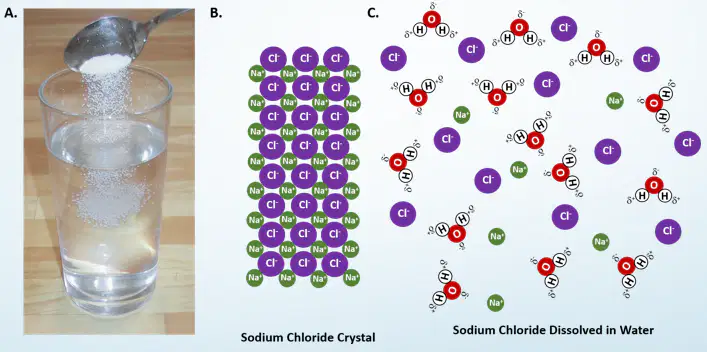
Salt being dissolved by water is a perfect example of ___ interactions.
ion-dipole
dipole-dipole
induced dipole-induced dipole
dipole-induced dipole
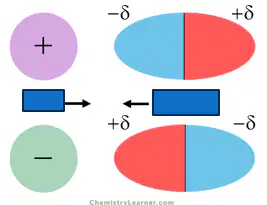
Is this a dipole-induced dipole interaction?
Yes
No

What interaction is this?
Induced dipole-induced dipole
ion-dipole
dipole-dipole
dipole-induced dipole
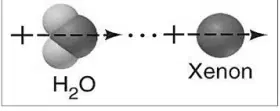
Which interaction is this?
Dipole-induced dipole
Ion-dipole
Dipole-dipole
Induced dipole-induced dipole
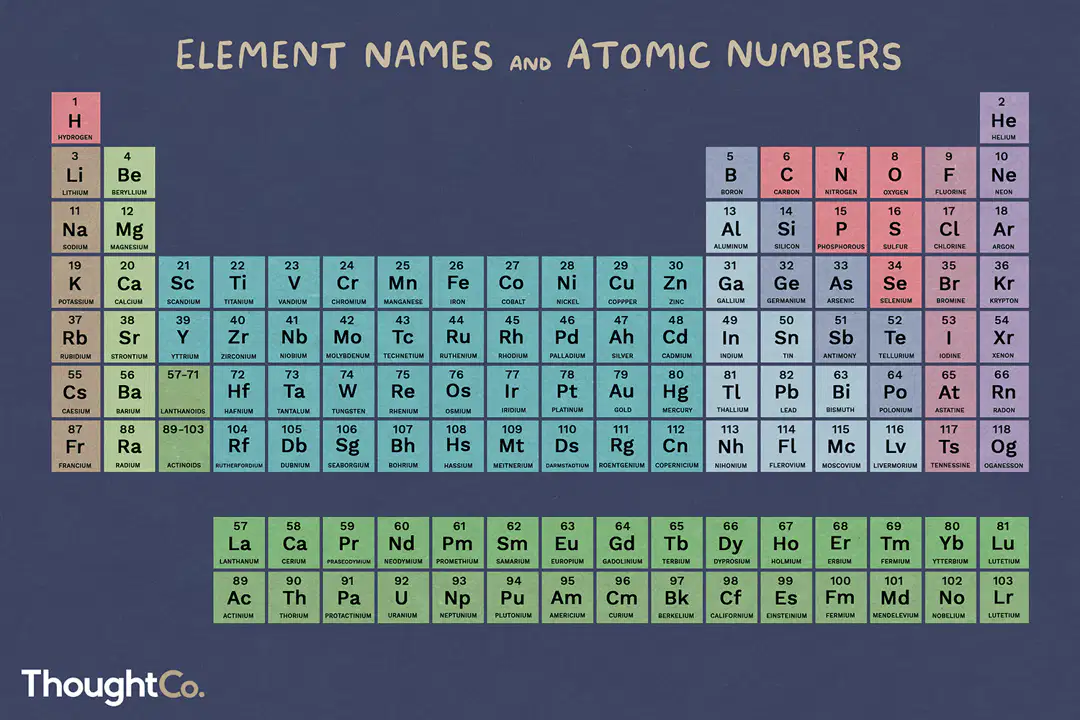
Identify the elements:
Fluorine
Chlorine
Bromine
Iodine
Helium
Neon
Argon
Krypton
Xenon
Radon
Astatine
Which group has a full octet of valence electrons and their atoms are all solitary?
Group 18: The Noble gases
Group 17: The Halogens
Group 1: Alkali Metals
Group 2: The Alkaline Earth Metals
Groups 3-12: The Transition Metals
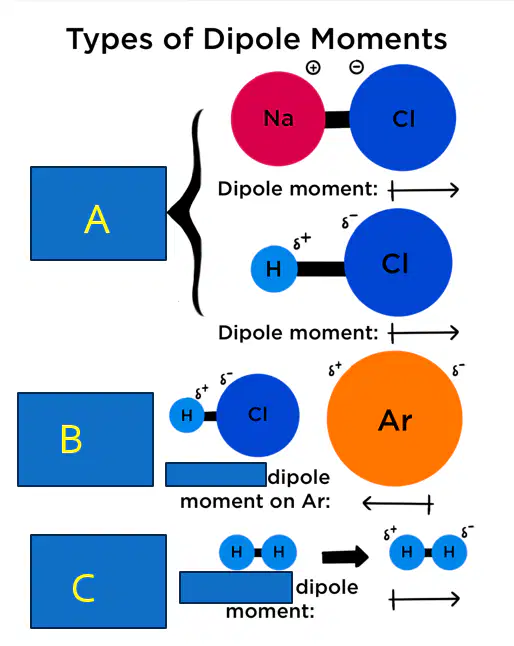
1) Permanent dipole
2) Induced dipole
3) Temporary dipole
1: A
2: B
3: C
1: A
2: C
3: B
1: B
2: A
3: C
1: B
2: C
3: A
1: C
2: B
3: A
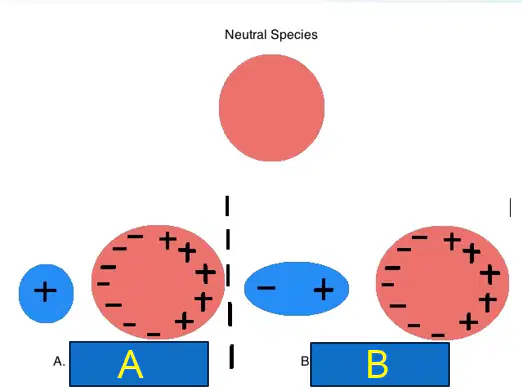
1) Ion-induced dipole
2) Dipole-induced dipole
1: A
2: B
1: B
2: A
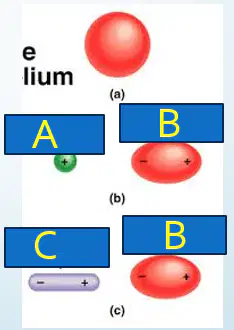
1) Induced dipole
2) Permanent dipole
3) Cation
1: B
2: C
3: A
1: B
2: A
3: C
1: C
2: B
3: A
1: C
2: A
3: B
1: A
2: C
3: B
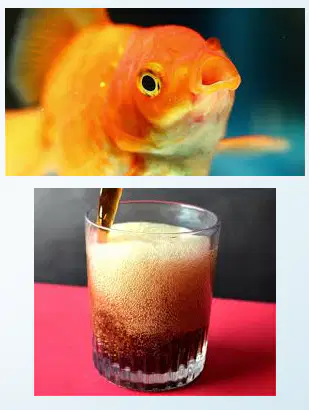
A fish breathing water in search of oxygen and carbon dioxide releasing out of solution in soda pop beverage are both examples of ___ interactions with water molecules.
dipole-induced dipole
ion-dipole
dipole-dipole
induced dipole-induced dipole
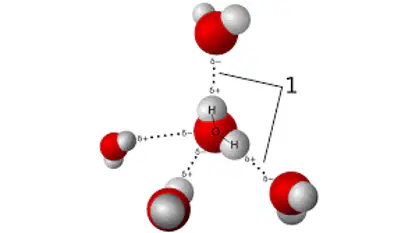
Why does water have such a high specific heat capacity?
Water has dipole-dipole interactions with itself
Each water molecule can hydrogen bond with four other water molecules
Water has ion-dipole interactions with itself
Each water molecule can hydrogen bond with one other water molecule
Water is a non-polar molecule that only has induced dipole-induced dipole interactions with itself

T / F:
1) The values are for freshwater; by adding salt (seawater's amount), the solubility of oxygen would increase by 20%.
2) Aquatic life requires 5-6 mg/L.
3) Water's solubility for carbon dioxide is about 100-200 times more than oxygen.
1: F
2: T
3: T
1: F
2: F
3: T
1: T
2: T
3: F
1: T
2: F
3: T
1: T
2: T
3: T
The amount of oxygen water can absorb depends upon:
temperature
pressure
salinity
all of these

The induced dipole-induced dipole interactions for ___ atoms are greater and result in a higher temperature required to boil their liquid states into a gas.
larger
smaller
the size of the atom is irrelevant
A boiling temperature in the low negative degrees of Celsius show very ___ inter-molecular interactions.
low
high
Match:
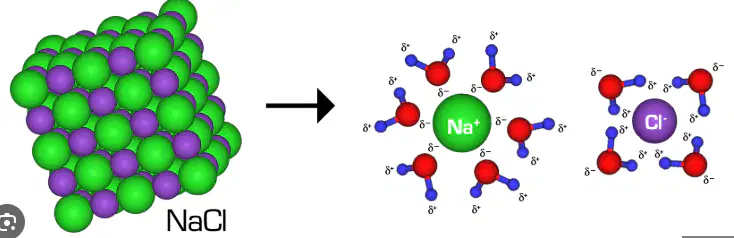
Salinity decreases the amount of hydrogen bonds to interact with dissolved gas
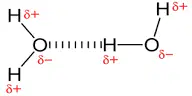
Hydrogen bonds are just strong dipole-dipole interactions
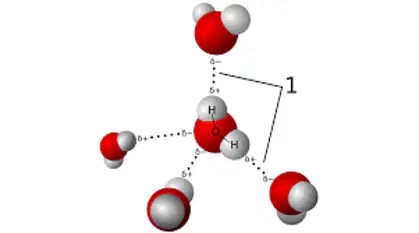
Coastal and island climates are mild due to the high specific heat of:
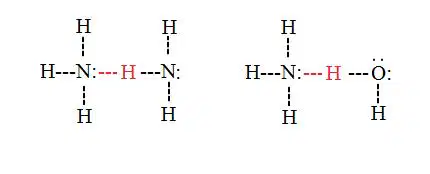
Hydrogen bonds are not only formed with oxygen
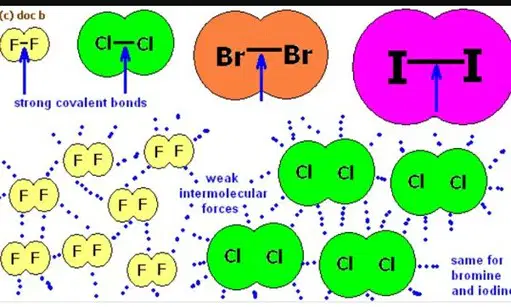
Temporary dipoles are more significant for larger atoms
The electrons in (c) atoms are less able to bunch to one side because they are confined to a smaller space, where greater electrical (d) tends to keep them evenly spread.
So it is the larger atoms, and molecules made of larger atoms, that have the strongest induced dipole-induced dipole (e) .
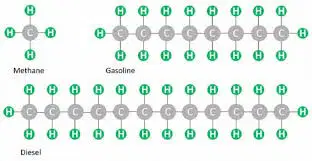
Order from lowest boiling point to highest:
Methane
Gasoline
Diesel
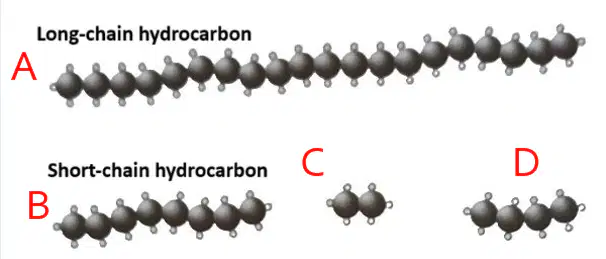
1) Which will have the greatest number of induced-dipole interactions with identical, neighboring molecules?
2) Which would most likely be a gas at room temperature?
3) Which would most likely be a liquid at room temperature?
1: A
2: C
3: A
1: A
2: B
3: A
1: C
2: A
3: C
1: C
2: B
3: D
1: A
2: A
3: C

1) A homogeneous mixture in which all components are of the same phase.
2) A homogeneous mixture in which different components are of different phases.
1: Solution
2: Suspension
1: Suspension
2: Solution
Match:
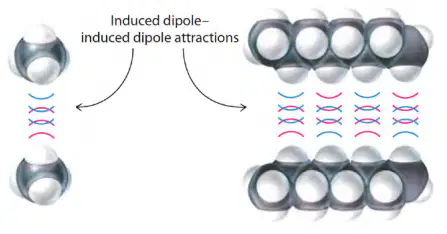
Why long hydrocarbon molecules are liquids at room temperature
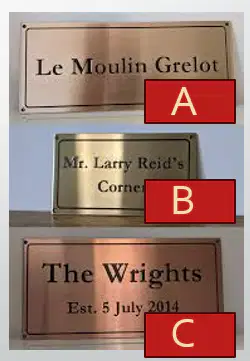
Solutions can be in solids like alloys or gemstones
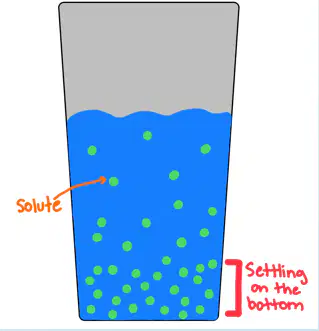
This is a suspension and not a solution
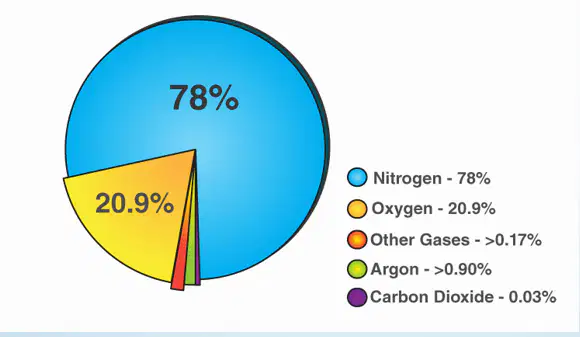
Solutions can be gaseous
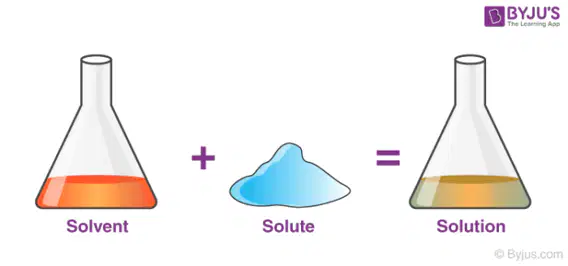
Water is the solvent; salt is the solute

Yes
No
What short phrase was used to explain hydrogen bonding?
Just do IT.
Where's the BOND.
Hydrogen just wants to have FON.
STOP in the name of Hydrogen.
Induced-dipole induced-dipole interactions explain why, at room temperature, natural gas (methane) is a (a) but gasoline (octane) is a (b) .
Even though their chemical composition is the (c) , the number of induced-dipole induced-dipole interactions that can take place between two methane molecules is significantly (d) than the number that can occur between two octane molecules.
The component present in the largest amount as the (a) and the other component(s) as the (b) (s).
The process of mixing a solute in a solvent is called dissolving.
To make a solution, the solute must dissolve in the solvent: that is, the solute and solvent must form a homogeneous mixture consisting of only one (c) .
Whether one material dissolves in another is a function of molecular (d) . The stronger the molecular interactions, the (e) the likelihood that the two materials will form a solution.
What is the solvent in the air we breathe?
nitrogen
oxygen
argon
water vapor
carbon dioxide
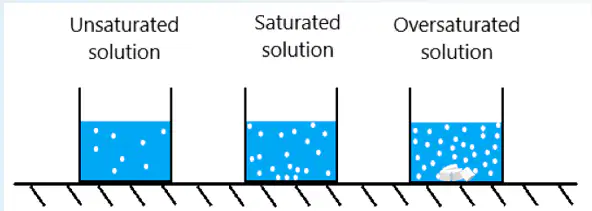
If 100 mL of water can only dissolve 200 g of sugar, then how much sugar will be on the bottom of the beaker, undissolved, if 250 g of sugar was added to 100 mL pure water?
0 g
50 g
100 g
200g
250 g
Concentration describes the ______________________
actual amount of solute for a given amount of solution
actual amount of solvent for a given amount of solute
maximum amount of solute for a given amount of solution
maximum amount of solvent for a given amount of solute
A solution that is able to hold more solute at its given temperature is a(n) _____________________ solution
saturated
unsaturated
super saturated
concentrated
Comparing big numbers with the mole:
The number of atoms or molecules in a mole
6.02 x 10²³
The number of stars in the Milky Way galaxy
100-400 billion
The number of galaxies in the entire universe
2 trillion
The number of nucleotides (A,T, G,C) in the human genome
3.1 billion
The approximate number of atoms in the entire universe
1080
A saturated solution of water contains 200 grams of sugar and 100 grams of water. Which is the solvent? Sugar or water?
There are 3.5 x 10²³ molecules of sugar in 200 grams of sugar but almost ten times as many molecules of water in 100 grams of water 3.3 x 1024.
1) Chemists prefer to use:
2) The solvent is:
1: molecules
2: water
1: grams
2: sugar
1: molecules
2: sugar
1: grams
2: water
Understanding concentrations and how to measure it.
Does 1 L (liter) of 1 M (molar) solution of sugar water contain:
1 L of water
less than 1 L of water
more than 1 L of water
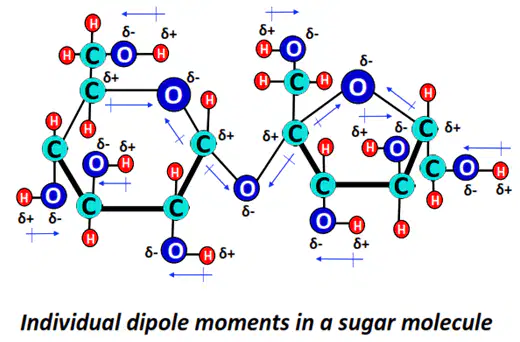
1) Does sugar look like a highly soluble solute in water?
2) What of the four molecular interactions would it be between sugar and water?
1: Yes
2: Dipole-dipole
1: Yes
2: Ion-dipole
1: Yes
2: Dipole-induced dipole
1: No
2: Induced dipole-induced dipole
1: No
2: Dipole-dipole
The (a) of a solute refers to its ability to dissolve in a solvent. This ability depends on the (b) that take place between the solute and solvent.
With (c) interactions, dipole-dipole, a solute may be very soluble.
With (d) interactions, induced dipole-induced dipole, a solute may be less soluble, and the solution becomes easily (e) .
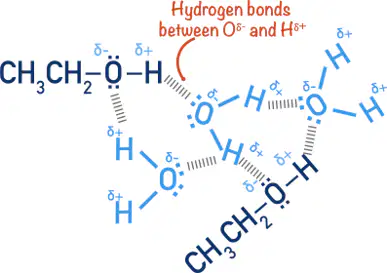
Does it look like water and ethanol have strong molecular interactions?
Yes
No
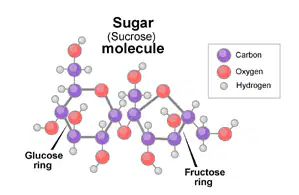
1) How many potential hydrogen bonds are present in a sucrose molecule?
2) Would sucrose interact with itself about as much as it would interact with water?
1: 8
2: Yes
1: 7
2: Yes
1: 6
2: Yes
1: 9
2: No
1: 10
2: No
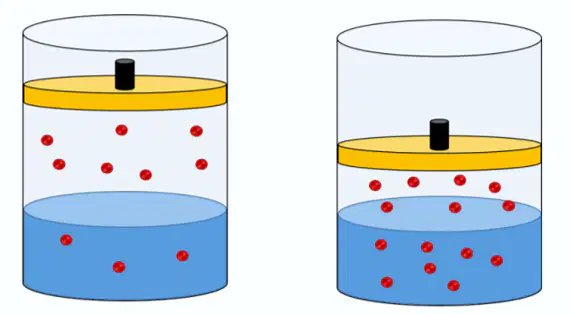
High gas pressure ___ solubility of that gas into the water.
increases
decreases

