
Font size
 Worksheets
Biomes Worksheet Quiz
Total questions: 111
Worksheet time: 37mins
What is a biome?
A large naturally occurring community of flora and fauna occupying a major habitat
A type of weather pattern
A single species of plant
A mountain range
What determines what type of biome can exist in a region?
Climate
Population size
Government policies
Soil color
The bare and rocky ground of the tundra can only support what kinds of plants and animals?
Mosses, lichens, and hardy animals
Tropical trees and birds
Desert cacti and snakes
Rainforest monkeys and vines
Taiga is the Russian word for __________ and is __________.
Forest; cold
Mountain; dry
River; wet
Desert; hot
The winters in the taiga can be as cold as __________ and the summers can be as hot as __________.
-65°F; 70°F
32°F; 100°F
0°F; 50°F
-10°F; 90°F
What are the two different types of grasslands?
Tall-grass and short-grass
Wetlands and drylands
Forests and deserts
Tropical and temperate
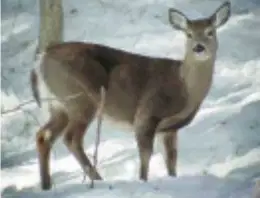
What is a deciduous forest?
A forest where trees lose their leaves seasonally
A forest that is always green
A forest found only in tropical regions
A forest with only coniferous trees

Which of the following is NOT one of the four seasons in a deciduous forest?
Spring
Summer
Monsoon
Winter
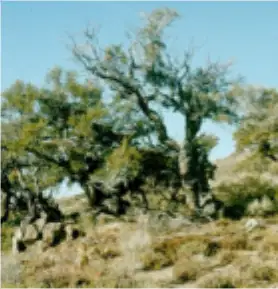
What is a characteristic of the chaparral biome?
Hot, dry summers and mild, wet winters
Cold, snowy winters and humid summers
Constant rainfall throughout the year
Dense, tropical vegetation
Which factor does NOT determine what kinds of plants grow in a particular grassland?
Soil type
Amount of precipitation
Temperature
Altitude of the moon
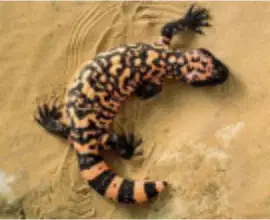
What are the two main types of deserts?
Hot and cold deserts
Wet and dry deserts
Tropical and temperate deserts
Rocky and sandy deserts
Deserts cover about ________ of the Earth's land surface.
One third
One half
One quarter
One tenth
What is a savanna?
A grassland with scattered trees
A dense forest
A wetland area
A mountainous region
Savannas have warm temperatures and actually have two very different seasons. What are these two seasons?
Dry and wet seasons
Summer and winter
Spring and autumn
Hot and cold seasons
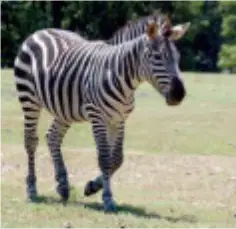
Many large grass-eating mammals can survive in the savanna because there are also lots of carnivores who eat them in turn. Which of the following is a large grass-eating mammal found in the savanna?
Zebra
Polar bear
Penguin
Seal
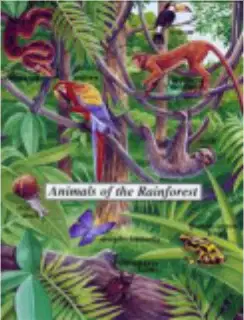
What are the 4 layers of the rainforest?
Emergent, Canopy, Understory, Forest Floor
Canopy, Shrub, Grassland, Desert
Forest Floor, Grassland, Tundra, Canopy
Understory, Desert, Emergent, Grassland
What is the Latin word for "high mountain"?
Alpine
Montanus
Altus
Silva
At what altitude are alpine forests usually found?
Above 10,000 feet
Below 1,000 feet
Between 2,000 and 5,000 feet
At sea level
Rainforests now cover less than what percentage of Earth's land surface?
6%
25%
50%
75%
What are two problems that alpine animals have to deal with?
Cold temperatures and lack of oxygen
Excessive rainfall and high humidity
Abundant food and warm climate
Dense forests and high temperatures
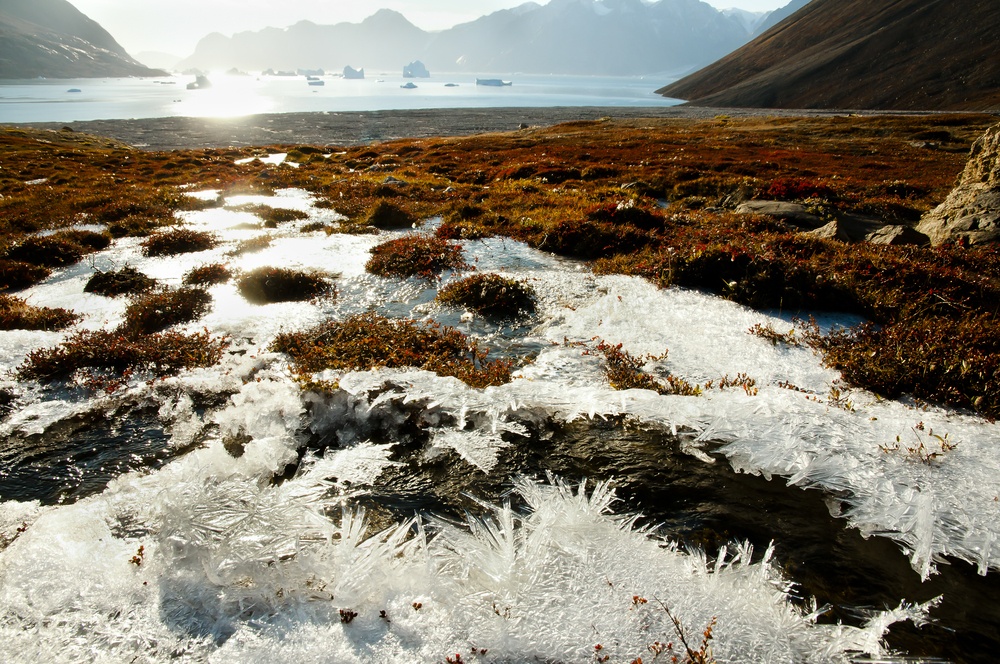


The picture is an example of what type of Biome?
Tropical Rainforest
Boreal Forest
Tropical Dry Forest
Tundra


A regional or global community of organisms characterized by the climate conditions and plant communities that thrive there.
biome
ecology
keystone species


What kind of ecological organization is this picture showing?
population
community
biome
biosphere
ecosystem


What interactions do decomposers have in an ecosystem?
Decomposers interact with the sun and produce energy for primary consumers.
Decomposers interact with dead organic matter, dead plants and animals returning nutrients to the soil.
Decomposers interact with secondary consumers and compete for food.

This biome is found in S. America and Africa. It has warm temperatures year-round with a rainy season in the winters. It is similar to a grassland but with a few more trees and shrubs.
Tundra
Taiga
Chaparral
Savanna

What is a biome?
A single ecosystem that has different climates and typical organisms
A single ecosystems that shares similar climates and typical organisms
A group of ecosystems that have different climates and typical organisms
A group of ecosystems that share similar climates and typical organisms

Which animal does not belong in the Savanna?

Warthog

Zebra

Wildebeast

Llama

This biome is found in very few coastal Mediterranean regions. Temperatures are fairly consistent but rainfall is not. The plants here are shrubs, grasses, and succulents that are drought tolerant
Chaparral
Savanna
Tundra
Taiga

This biome covers 20% of the Earth's surface and receives less that 10 inches of precipitation annually.
grasslands
desert
deciduous forest
tundra

Which biome is shown in the picture?
Taiga
Temperate Grassland
Desert
Tundra
Which biome is characterized by trees that lose their leaves each year?
Temperate Deciduous Forest
Tundra
Desert
Savanna
Which of the following biomes typically has the greatest annual temperature variation?
Taiga
Tropical Rainforest
Temperate Grassland
Desert
What is a common adaptation of plants in the desert biome?
Thick waxy cuticles to reduce water loss
Large broad leaves for maximum sunlight
Climbing vines to reach the canopy
Shallow roots for rapid water absorption
Boreal Forest
Tundra
Deciduous Forest
Grassland
Chaparral is all of the following except
very wet
moderately dry
coastal
very little rain in summer

According to the diagram, which of the following both have large amounts of precipitation?
desert & tropical rain forest
seasonal forest & tundra
tundra & desert
tropical rain forest & temperate rain forest
Terrestrial biomes are defined mainly by their
climate, plants & animals
climate only
animals & plants only
none of these

The biome shown in the climatogram above would best be described as a:
temperate deciduous forest
desert
tundra
tropical rain forest
Characteristics of this biome include: warm year round, large herbivores and predators, drought resistant plants, animals give birth during the rainy season.
tropical rainforest
savanna
desert
tundra
If you start near the North Pole and head south to the equator what biomes would expect to come across?
tundra, then grassland, then tropical rainforest
tropical rainforest, then deciduous forest, then desert
desert, then deciduous forest, then tropical rainforest
desert, then taiga, then more desert
The air in the desert has ______ humidity while the air in the tropical rainforest has _______ humidity.
high / low
low / high
low / low
high / high
Which of the following adaptations would you see from an animal that lives in a desert biome?
nocturnal
burrowing
both nocturnal and burrowing
none of the above
A Taiga biome is characterized by which of the following features?
Dense forests with coniferous trees
Hot and dry climate
Tropical rainforests
Deserts with sparse vegetation
What is a Biome?
A small region with a specific type of climate
A large region characterized by a specific type of climate and certain types of plants and animal communities
A type of plant
A type of animal
What is Climate?
The height of an object above sea level
Distance north and south of the equator
Weather conditions, such as temperature, precipitation, humidity, and winds in an area over a long period of time
A type of plant.
What is Latitude?
Height of an object above sea level
Distance north and south of the equator and is measured in degrees
A type of climate
A type of animal
What is Altitude?
Height of an object above sea level
Distance north and south of the equator
A type of climate
A type of plant.
The Emergent Layer of a tropical rain forest is characterized by:
tall trees that rise above the canopy
dense undergrowth and shrubs
a variety of aquatic plants
a thick layer of leaf litter
The Canopy in a rain forest is structured as:
The upper layer of trees and branches
The forest floor
The underground root system
The middle layer of shrubs
Explain what an Epiphyte is and how it survives in the rain forest.
An Epiphyte is a plant that grows on another plant and survives by absorbing moisture and nutrients from the air and rain.
An Epiphyte is a type of fungus that decomposes organic matter in the rainforest.
An Epiphyte is a large tree that provides shelter to animals in the rainforest.
An Epiphyte is a type of insect that feeds on plant leaves in the rainforest.
The Understory in a rain forest is a layer that consists of what?
Tall trees and canopy
Shrubs and herbs
Emergent trees
Forest floor vegetation
Name the layers of a tropical rain forest IN ORDER.
Emergent layer, canopy layer, understory layer
Canopy layer, emergent layer, forest floor, understory layer
Understory layer, canopy layer, emergent layer
Forest floor, understory layer, canopy layer, emergent layer
The forest biomes of the world are being threatened in two ways. Which of the following are they?
Deforestation and climate change
Urbanization and agriculture
Pollution and mining
Overfishing and tourism
A plant survives the change of seasons in a temperate deciduous forest by:
shedding leaves in winter and regrowing them in spring.
keeping its leaves throughout the year.
producing flowers in winter.
moving to a warmer location.
a diagram that shows an area's average temperature and precipitation
climatograph
coniferous
littoral zone
deciduous
a tree bearing cones that typically does not lose its leaves
understory
deciduous
coniferous
palm
a tree that loses its leaves and stops photosynthesis during part of the year
deciduous
epiphyte
coniferous
wetland
the day-to-day condition of earth's atmosphere at a particular time and place
weather
hibernation
wetland
upwelling
body of water partly enclosed by land that occurs where freshwater meets the waters of an ocean of an inland sea
understory
wetland
weather
estuary

Adaptations in the deep ocean might include
the ability for plants to excrete salt water
the ability to hold on to rocks against strong current
strong swimming abilities
glowing bacteria to signal in the dark

The kind of wetland formed where saltwater and fresh water meet is called
brujeria
estuary
swamp
marsh
Freshwater biomes contain less than __% salt.
1%
2%
3%
4%
Freshwater Biomes include (check all)
Ponds
Lakes
Streams
Oceans
Marine biomes are made up of more than ____% salt.
1%
2%
3%
4%
This is the largest biome.
Grasslands
Tundra
Desert
Aquatic
According to our notes, which one of the following answer choices best describes an area located between high and low water marks in ponds or lakes?
Estuary
Watershed
Littoral
Limnetic
Benthic

Which zone in this pond would be classified as profundal or the benthic zone?
A
B
C
Almost ____% of the earth's surface is covered with water.
100%
75%
50%
35%
What is a side effect of ocean acidification?
decreased photosynthesis
increased photosynthesis
stronger shells of marine organisms
weakened shells or marine organisms
What gas causes ocean acidification, reducing the pH level of the water?
carbon dioxide
oxygen
nitrogen dioxide
sulfur dioxide
Which of the following represents the function of wetlands?
filters water
provides habitats
flood control
ALL of the above
The warmer the water, the _____ oxygen that can dissolve in water.
less
more
the amount of dissolved oxygen is NOT affected by temperature
The greater the flow of water in an aquatic ecosystem, the _____ oxygen that can dissolve in the water.
less
more
the rate of flow does NOT affect the amount of dissolved oxygen
Water has a high specific heat which means it absorbs heat _____ and releases it _____.
slowly; slowly
slowly; quickly
quickly, slowly
quickly; quickly
1. What are the two most significant abiotic factors that influence what type of biome is found in a geographic area?
Wind speed and Humidity
Humidity level Precipitation
Average precipitation and temperature
1. Which statement describes the relationship between latitude and temperature?
As latitude increases, temperature increases.
As latitude increases, temperature decreases.
There is no relationship between latitude and temperature

Which ecosystem above experiences a distinct dry and wet season?
Daly Waters
Iquitos
Tindouf
None of these
1. The Gobi desert is an example of a ____________ desert, because it falls on the ____________ side of the Himalayan mountains.
Coastal, Leeward
Rain shadow, Leeward
Subtropical, Windward
Temperate, Windward
Classify each of the following organisms
Diatoms, a type of green algae
plankton
nekton
benthos
decomposers
What type of organisms is bacteria?
plankton .
nekton
benthos
decomposers
What type of organisms is clams?
plankton
nekton
benthos
decomposers
What type of organism are sponges?
plankton
nekton
benthos
decomposers
What type of organism are dolphins?
plankton
nekton
benthos
decomposers
Benefits of wetlands include...
Increased levels of biodiversity
Flood control
Naturally removing sediment and pollution
All of the above
This is the most productive ecosystem in the ocean. It is formed as the result of a tiny animal and algae living in a mutualistic relationship.
Mudflat
Sandy shore
Coral reef
This area of the ocean only makes up 10% of the total ecosystem size , but has 90% of its biodiversity.
The coastal/tidal zone
The photic zone in the open ocean.
The aphotic zone in the open ocean
The benthic zone
The kind of wetland formed where saltwater and fresh water meet is called
brujeria
estuary
swamp
marsh

_________ is the amount of salt dissolved in water.
Temperature
Salinity
Nutrients
Pressure

As rivers flow from their headwaters in the mountains down to flatter areas they become
more narrow, faster, warmer
faster, more narrow, colder
wider, warmer, slower
wider, colder, faster
What is the single most important difference between the marine, freshwater, and estuary biomes?
Salinity (dissolved salt)
Sunlight
Oxygen
Amount of Water
This is the temperature boundary separating warmer surface water from colder deep water.
turnover
thermocline
oligotrophic
aphotic