
 Worksheets
Fall Final Test Review
Total questions: 118
Worksheet time: 3hrs 36mins
What is the function of biomolecules?
provides quick energy
Carbohydrates
stores energy
Lipids
helps with growth and repair of tissues
Protein
stores genetic information
Nucleic Acids
What is the monomer for each biomolecule?
Monosaccarides
Carbohydrate
Fatty Acids
Lipids
Amino Acids
Proteins
Nucleotides
Nucleic acids
Match the following with their examples:
glucose, pasta, bread
Carbohydrates
fats, oils, waxes
Lipids
meats, enzyme, lactase, eggs
Proteins
DNA, RNA
Nucleic acids
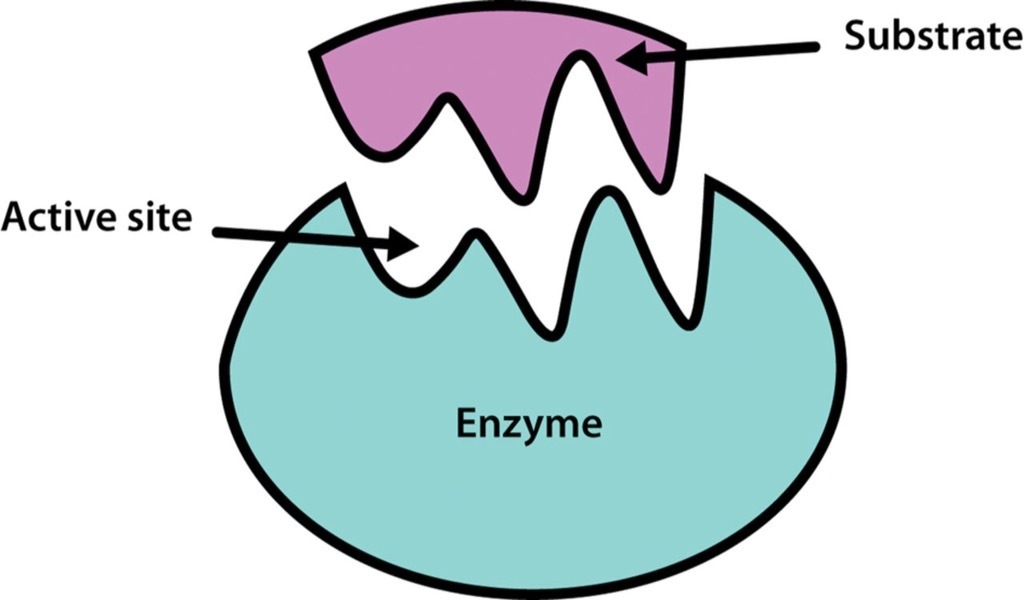
During a biology class, Abigail asked, "Do biomolecules break after reactions? "
Yes, they break.
No, they can be reused.
During a biology class, Aiden asked, "What biomolecule do enzymes belong to? "
Carbohydrate
Lipid
Nucleic Acid
Protein
Mia is learning about chemistry and she wants to know: A monomer is ...
a single atom
a building block for polymers
a single element
is an inorganic molecule
During a biology class, Kai and Anika were discussing protein synthesis. What is the special type of bond that forms between two amino acids?
hydrogen bond
ionic bond
peptide bond
Emma and Oliver are learning about chemical reactions in their biology class. They learned that (a) is the reaction that binds monomers together and forms a polymer.
During a biology class, Maya asked, 'What is the reaction that breaks polymers apart and forms monomers?'
Hydrolysis
Dehydratation synthesis
Glycolysis
Steriods
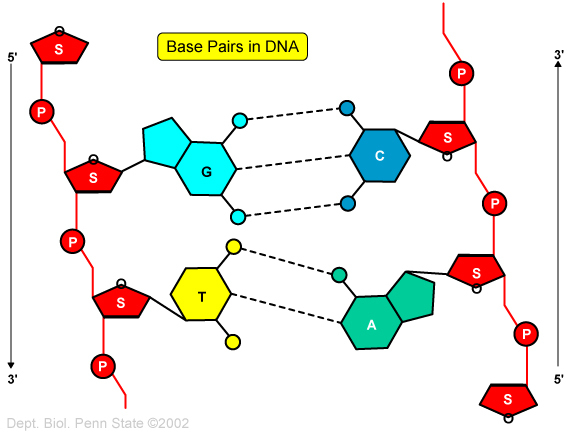
Match the following types of chemical bonds with the correct examples in biological molecules.
polar bonds
Bonds between atoms with different electronegativities, such as in water molecules
ionic bonds
Bonds formed between positively and negatively charged ions, such as in sodium chloride
covalent bonds
Bonds that join the sugar and phosphate groups in the DNA backbone
hydrogen bonds
Bonds that join nitrogenous bases in DNA
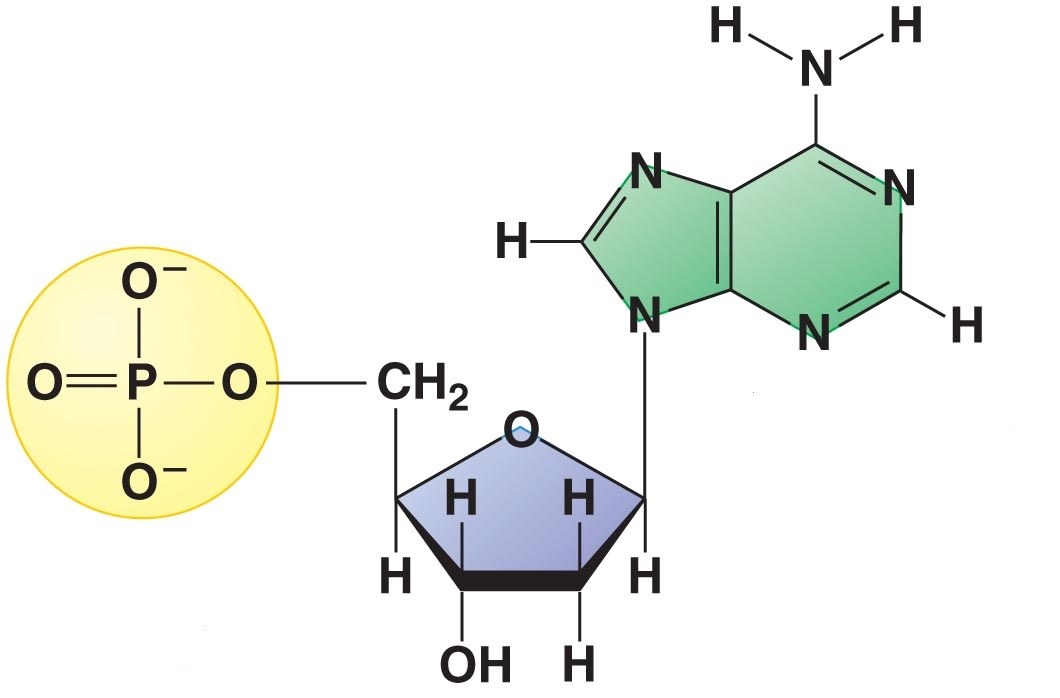
During a biology class, Anika asked, 'What is the name of the monomer of DNA?'
double helix
nucelotide
twisted ladder
hydrogen bond
The genetic code is primarily located in (a) .

This is surface tension holding up an insect. Surface tension is caused by (a) of water molecules at the top of the water.

Capillary action is when a plant drinks water up through its roots.
What causes the water to stick to the plant roots?
(a)
Match each type of variable with its correct description.
independent variable
The variable that is changed or manipulated in an experiment.
dependent variable
The variable that is being measured or observed; the result or effect.
control variable
The variable that is kept constant to ensure a fair test.
What is the most basic unit of life?
The cell
The atom
A molecule
Bacteria
Match the image to the correct answer

Prophase

Metaphase

Anaphase

Telophase

Cytokinesis
Label the parts of the Cell Cycle
G1
S phase
G2
Mitosis
Match each phase with its correct description
Cell grows rapidly while carrying out normal functions.
G1 Phase
Cells must replicate their DNA before cell division to ensure that identical genetic information is passed to the next generation.
S Phase
FINISHES GROWING
Errors in DNA replication are checked- if something is wrong, cell needs to fix its errors before it divides!
G2 Phase
Label the picture
Interphase
Prophase
Metaphase
Anaphase
Telophase
Cytokinesis
(a) is the uncontrolled growth of cells, often resulting in a tumor or mass of abnormal cells
Match the following pictures to their names:

Eukaryotic Cell

Prokaryotic Cell

Bacteriophage virus
Any substance that is known to cause cancer is called a
Pathogen
Biopsy
Carcinogen
Retrovirus
A ________________is a critical point where stop and go signals can regulate the cycle
tumor
checkpoint
growth factor
oncogene
Cell programmed self destruction is called
Atopic
Apoptosis
Antiparallel
Anticellular
Tumors are...
all malignant
mass of abnormal cells that can grow uncontrollably
usually benign
always metastasizing
Mutations in the (a) cell will NOT pass on to offspring (baby).
A mutation in the (a) AKA sex cell WILL pass on the the baby.
Why do we cell cycle? Pick three.
Heal our damaged cells
Grow
Asexually reproduce
Digest food
Which environmental factors can influence gene expression?
Temperature
Light
Chemicals
Fruit
What is a stem cell?
A cell that cannot divide
A specialized cell
An unspecialized cell that can become many cell types
A mutated cell
Which process allows stem cells to become specialized?
Mutation
Differentiation
Replication
Translation
Which of the following best describes a silent mutation?
Changes the amino acid sequence
Does not change the amino acid sequence
Causes a stop codon
Deletes a gene
The order of __________ determine which protein will be made.
DNA
Chromosomes
nucleotides
genes


What process is shown in the image
Meiosis
Osmosis
Replication
Translation
What mutation has occurred here?
T-G-A-C-C-A
T-G-A-G-C-A
Substitution
Deletion
Insertion
Frameshift
DNA molecule segment is : TTACGCAAG
The mutated DNA segment is TTCGCAAG. This is an example of ___ mutation.
Substitution
Deletion
Insertion
Inversion
ATTTGAGCC- Original
ATTGAGCC - Mutated
The example above is an example of a
Insertion- Frameshift
Deletion- Substitution
Deletion -Frameshift
All of the above

What is the amino acid sequence for the following mRNA strand:
CCA-GAG-UAG
Write your answer like this: ___-___-___
(a)

What is the amino acid sequence for the following mRNA strand:
AGG-UUC-CUG
Write your answer like this: ___-___-___
(a)
Match the following RNA Molecules A, B and C in the picture to its function.

ribosome where proteins are assembled

builds the polypeptide to make protein

sends a message from the DNA in the nucleus to the cytoplasm
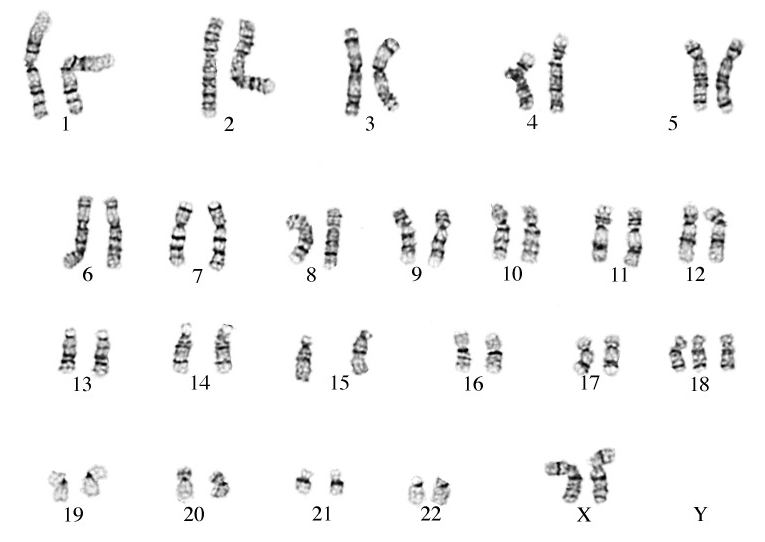
This is known as Edwards Syndrome, can you identify the chromosomal mutation?
Chromosomes 1 and 2 are bent
There is no Y chromosome
This persons chromosomes are normal
There are 3 of chromosomes 18


Put the cell cycle in order (the rest phase is last)
G1
S
G2
M
G0
During a biology class, Damaris and Alex are discussing the cell cycle. They want to know: during what phase of the cell cycle is DNA replicated?
G1 phase
S phase
G2 phase
M phase
Alex and Ava are building a model of DNA for their science project. They notice that the two strands of DNA in their model are
Parallel
Antiparallel
Perpendicular
At Right Angles
Labeled the diagram
RNA
transcription
translation
protein
DNA
During a biology lab, Lara and Kenia are observing how DNA replication begins. They notice an enzyme that unzips the DNA strands to prepare for replication. Which enzyme are they observing?
helicase
replicase
polymerase
synthase
During a science project, Ava and Victor are building a model of DNA replication. They need to identify which enzyme acts as "The Builder" by adding nucleotides to the growing DNA strand. Which enzyme should they choose?
Topoisomerase
DNA Polymerase
Ligase
Primase
Victor and Ava are analyzing a DNA sample in their biology class. They discover that 15% of the bases in the sample are thymine (T). What percentage of the bases in this sample are adenine (A)?
15%
30%
35%
85%
Match each type of cell or entity with whether it has a nucleus or not.
prokaryotic cell
Cell type without a nucleus
eukaryotic cell
Cell type with a nucleus
bacteria cell
Example of a cell without a nucleus
non-living cells
Entity that is not a cell and does not have a nucleus

Match the following cell parts with their main functions.
cell membrane
Controls what enters and leaves the cell
nucleus
Contains the genetic material (DNA)
mitochondria
Produces energy through cellular respiration
chloroplast
Site of photosynthesis
cell wall
Provides structure and support to the cell
Match the following
autotroph
Plant that goes through photosynthesis
heterotroph
worm that eats waste material in soil
unicellular
1 celled organism
multicellular
any organism made up of multiple cells
eukaryotic
has nucleus and organelles
Which letter indicates the location where DNA is stored?
Bacterial cells are...
Prokaryotic
Very Small
Responsible for disease like strep throat and salmonella
Can be beneficial, like in our digestive systems.
complex
Choose all parts that BOTH prokaryotic and eukaryotic cells have.
cell membrane
cytoplasm
nucleus
ribosomes
genetic material (DNA/RNA)
Endosymbiotic Theory is the idea that ______ cells could have evolved from_____cells
prokaryotic, eukaryotic
eukaryotic, animal
prokaryotic, plant
eukaryotic, prokaryotic
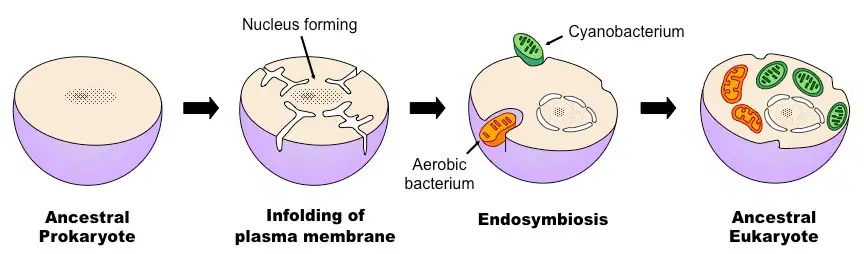
What is pictured?
Endosymbiotic theory
Miller Urey Experiment
Redi's Experiment
Photosynthesis
Match the biomolecule to the organelle that they live in.
Nucleic Acid
Nucleus
Lipids
Cell membrane
Carbohydrates
Mitochondria
Protein
Ribosome
skibidi
toilet

Label the following cells.
I. (a) II (b) III (c) IV (d)
Animal
Virus
Plant
Bacteria
Identify each type of cell based on the description.
Eukaryotic and never has a cell wall but will have centrioles.
Animal Cell
Eukaryotic, contains chloroplasts and a cell wall of cellulose
Plant Cell
Eukaryotic, contractile vacuoles, moves in water
Protist Cell
Eukaryotic, cell wall made of chitin
Fungal Cell
Prokaryotic, contains ribosomes and no other organelles
Bacterial Cell

What phase is shown here?
Prophase
Anaphase
S phase
Telophase
Sort the following statements based on if the statement is talking about prokaryotes or eukaryotes

See how much you remember! Match the following characteristics that belong to Eukaryotes, Prokaryotes, or BOTH!
- No nucleus
- No membrane-bound organelles
- DNA in the cytoplasm
- Single Celled
Prokaryote
- Nucleus
- Membrane bound organelles
- DNA in the nucleus
- Single & Multi celled
Eukaryote
- Ribosomes
- DNA
- Cell Division
- Plasma Membrane
Prokaryote and Eukaryote
Select the correct Cell: This cell has a very small size, and does not contain a nucleus. Eubacteria and Archaebacteria are categorize into this cell type.
Identify the type of cell each column represents.

At the end of mitosis there are (a) daughter cells.
Which section of the cell cycle could be labeled as interphase?
Select the area of the chart that represents CELL DIVISION (mitosis and cytokinesis)
Match the following steps of cell division
the nucleus fades away and chromosomes become visible
Prophase
the chromosomes line up in the middle of the cell
Metaphase
the sister chromatids move apart to separate sides of the cell
Anaphase
the division of the cytoplasm creating 2 daughter cells
Cytokinesis
the division (cleavage) of two cells appear. 2 nuclei are visible
Telophase
(a) is used in asexual reproduction. (b) is used in sexual reproduction.
Mitosis is used for (a) and meiosis is used for (b)


If a cell contains 28 chromosomes after the cell cycle how many chromosomes will each daughter cell contain?
24
48
28
96
Please label the cell pictured.
nucleus
cell membrane
organelles

Match the following
Stores water
Vacuole
Produces sugar
Chloroplast
Converts energy
Mitochondria
Regulates cell contents
Cell membrane
Stores genetic material
Nucleus
This is a plant cell. Select the two organelles that make plant cells different than animal cells.

Requires ATP
Active Transport
Passive Transport
Which of the following is NOT a correct match between the term and its description?
mitosis -> the division of somatic (body) cells
transcription -> the copying of DNA into an mRNA strand
passive transport -> the movement of molecules from low to high concentration
translation -> the creation of an amino acid chain from an mRNA message

What is "A"?
Nucleotide
Deoxyribose Sugar
Nitrogenous base
Phosphate
What is "B"?
Nucleotide
Deoxyribose Sugar
Nitrogenous base
Phosphate
What is "C"?
Nucleotide
Deoxyribose Sugar
Nitrogenous base
Phosphate
What is the molecule in the image?
Nucleotide
Deoxyribose Sugar
Nitrogenous base
Phosphate

What do the dotted lines between the nitrogenous bases (A,T,C,G) represent in the image provided?
Covalent bonds
Ionic bonds
Peptide bonds
Hydrogen bonds
What determines the specific traits in an organism?
The number of carbons in the DNA molecule.
The number of hydrogen bonds that hold the strands of DNA together.
The sequence of nucleotide bases in the DNA molecule.
The sequence of phosphates along each DNA strand.

What makes up the SIDES of a DNA ladder?
nitrogen bases
sugars & phosphates
genes & chromosomes
RNA

What makes up the rungs (steps) of a DNA ladder?
sugars & phosphates
nitrogen bases
sugars
genes & chromosomes
Match the following
a chart that shows all of the chromosomes in a cell lined up
Karyotype
2 copies of every chromosome
Diploid
1 copy of every chromosome
Haploid
sex chromosomes that code for females
XX
sex chromosomes that code for males
XY
A method of reproducing where offspring get half their genes from each parent at random.
Sexual Reproduction
A group of organisms that are physically similar and can reproduce with each other to produce offspring.
Species
A group of organisms of a species living in the same environment over time.
Population
A characteristic of an organism; many traits are inherited (genetic).
Trait
Variables in the environment such as food and water availability, water quality, temperature, air quality, topography, habitat, and natural hazards.
Environmental Conditions
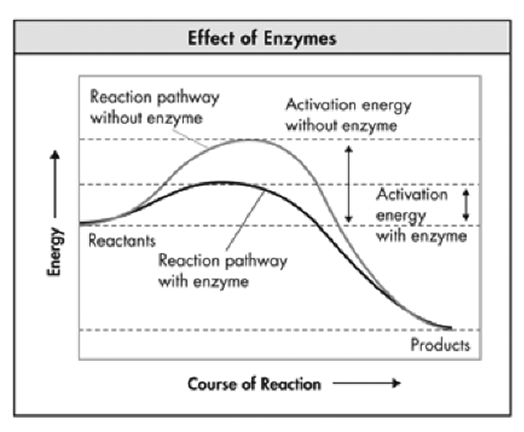
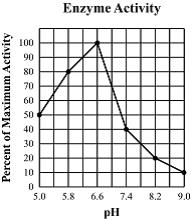
Enzymes are (a) that (b) chemical reactions by (c) the amount of activation energy required to start the reaction.
Match the following
Chemical Bond
When this is broken, energy is released.
Reactants
Left side of the arrow; a substance that takes part in and undergoes change during a reaction.
Chemical Reactions
Right side of the reaction (the arrow)
Products
Right side of the arrow; the reaction- what comes out
Somatic vs Gamete
Eye, liver, pancreas
will NOT pass to babies
cancer in the skin
sperm, gamete
will pass to babies
gene change in sperm
brain cells leading to disease
mutation passed on from parent
diploid
haploid
A student organizes a chart describing examples of different types of cellular transport that occurs in cells.
Move the correct answer to each box. Not all answers will be used.
Label the cell with the correct type of Transport
Passive Transport
Active Transport
Label Each method of cell transport
Correctly label the image
The diagram shows three types of transport the cell uses to move molecules across the cell membrane. Write one letter in each box to correctly complete the diagram.
diffusion
passive transport
active transport

Transcription
1st part of making proteins
mRNA (messenger RNA)
Occurs during transcription
Translation
2nd part of making proteins
tRNA
Helps assemble proteins by carrying specific amino acids
Ribosome
The site of protein creation (synthesis)
Label the Following Diagram
Amino acid
Protein
Codon
Anticodon
DNA
mRNA
Ribosome
tRNA
Label the diagram using the words provided by putting them in the correct box:
Transcription
mRNA
Translation
Label the nucleotide
Phosphate
Sugar
Nitrogenous base
Select ALL the Phosphate Group
Select ALL the NITROGEN BASES in the picture (4 total)

Match the following numbers in the diagram to what part of the DNA molecule they are pointing at.
4
hydrogen bonds
5
sugar phosphate backbone
3
nitrogenous bases
6
nucleotide
2
deoxyribose sugar

