
 Worksheets
Unit 214: Cold water — Worksheet 7: Backflow prevention devices
Total questions: 20
Worksheet time: 10mins
Describe what is meant by backflow.
Water flowing backward from a system into the clean water supply
Water moving faster than normal toward a tap
Air moving through pipes without water
Pipes making noise when water stops
Describe what is meant by back siphonage.
Reverse flow caused by suction or negative pressure in the supply
Normal forward flow pushed by a pump
Heating water so it rises upward
A small leak at a tap that drips slowly
Name the device used to protect against a water category 2 backflow.
Single check valve
Double check valve
Reduced pressure zone (RPZ) valve
Air gap above the spill-over level
Name the device used to protect against a water category 3 backflow.
Double check valve
Single check valve
Air gap above the spill-over level
Hose union backflow preventer with vacuum breaker
Name the air gap in a basin.
The space between the tap outlet and the basin’s spill-over level
A gap in the supply pipe under the floorboards
The space inside the U-bend trap
A gap between the waste pipe and the soil stack
Name the air gap in a bath.
The space between the bath spout and the bath’s spill-over level
A gap where the bath waste meets the trap
A hole in the wall behind the bath
The space between two supply pipes
Name the air gap in a kitchen sink.
The space between the tap outlet and the sink’s spill-over level
A space where the sink strainer sits in the waste
A gap under the cabinet around the pipes
A space inside the overflow channel
Name the air gap at a WC float-operated valve.
The space between the valve outlet and the cistern’s critical water level
A gap between the cistern and the wall
A space inside the flush pipe
The gap between the seat and the pan
Name the air gap from the WC overflow to the pan rim.
A visible space where overflow water discharges freely into the pan rim
A sealed pipe connecting overflow directly to the pan
A hole drilled in the cistern lid
A gap between the cistern bolts and the tank
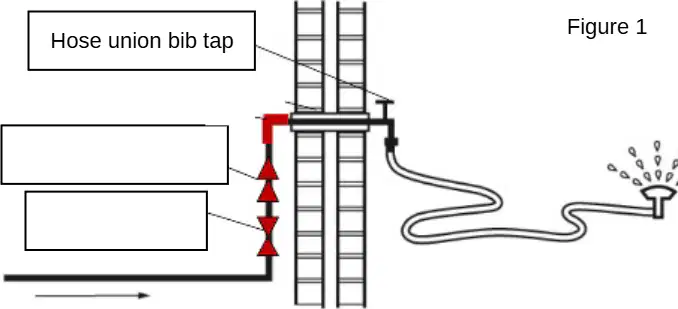
Figure 1 shows the installation of a hose union bib tap outside a residential property. On the diagram, where should the backflow prevention device and isolation valve be located for the tap arrangement?
Upstream on the supply pipe before the tap, inside the property
Directly after the tap on the hose connection
At the hose spray nozzle only
In the drain below the tap

Figure 1 shows the installation of a hose union bib tap outside a residential property. What is the fluid risk category associated with the installation in a residential property?
Fluid category 2
Fluid category 3
Fluid category 4
Fluid category 5
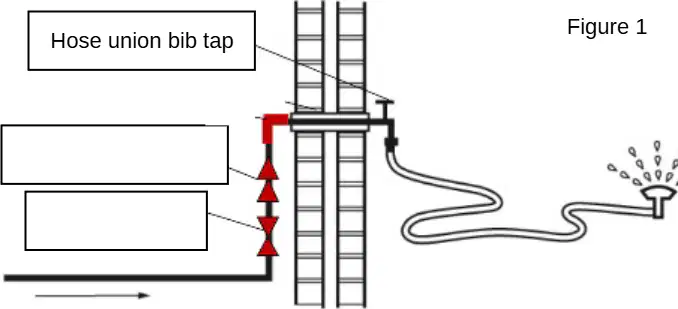
Figure 1 shows the installation of a hose union bib tap outside a residential property. What type of backflow prevention device is normally used with this type of installation?
Single check valve
Double check valve
Air gap only
Reduced pressure zone (RPZ) valve
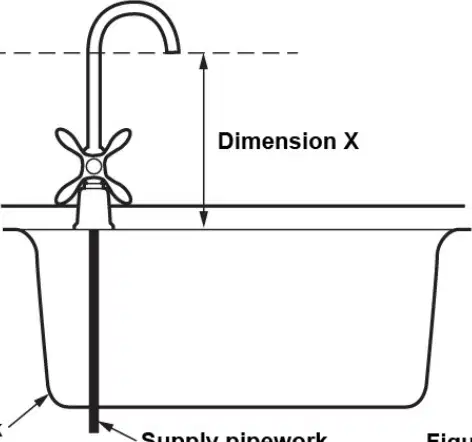
Figure 2 shows the installation of a single-flow mixer tap to a wash-hand basin. On the diagram, where should any backflow prevention devices be located assuming that the cold water is fed from the supply pipe and the hot water from a common distributing pipe?
Fit single check valves on both the hot and cold supplies before the mixer tap
Fit a single check valve only on the cold pipe after the tap
Fit a single check valve only on the hot pipe after the spout
No backflow prevention devices are required anywhere

Figure 2 shows the installation of a single-flow mixer tap to a wash-hand basin. What is the fluid risk category associated with the installation in a residential property?
Fluid category 1
Fluid category 2
Fluid category 3
Fluid category 5
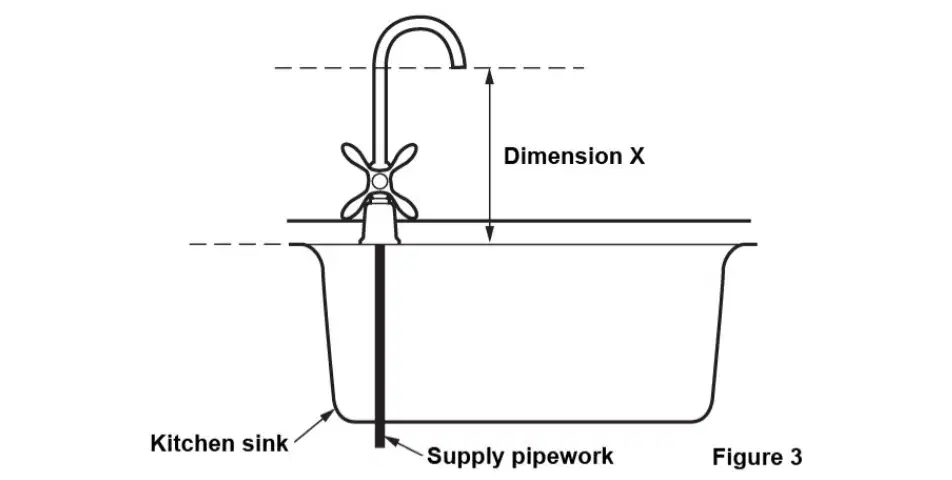
Figure 2 shows the installation of a single-flow mixer tap to a wash-hand basin. What type of backflow prevention device is normally used with this type of installation?
Single check valves on the hot and cold supplies
Double check valve on the mixed outlet
Air gap only at the tap spout
Reduced pressure zone (RPZ) valve on the cold supply
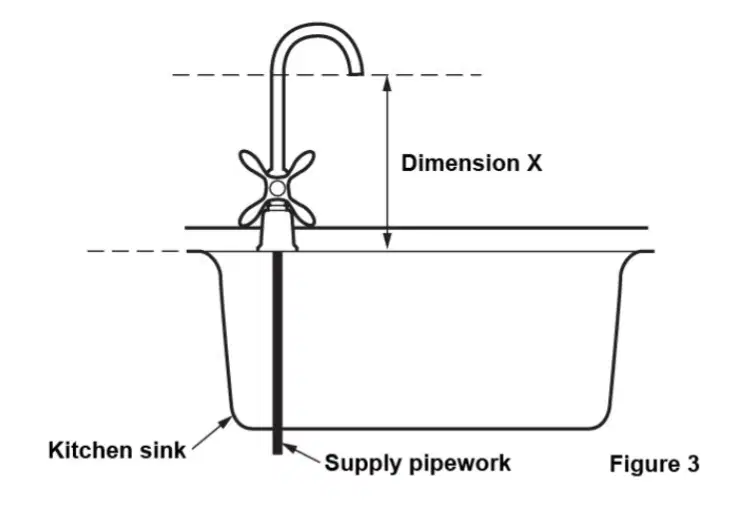
Figure 3 shows the backflow prevention device in the form of an air gap providing protection against contamination at a kitchen sink. What is the fluid risk category associated with the installation in a residential property?
Fluid category 1
Fluid category 2
Fluid category 3
Fluid category 5
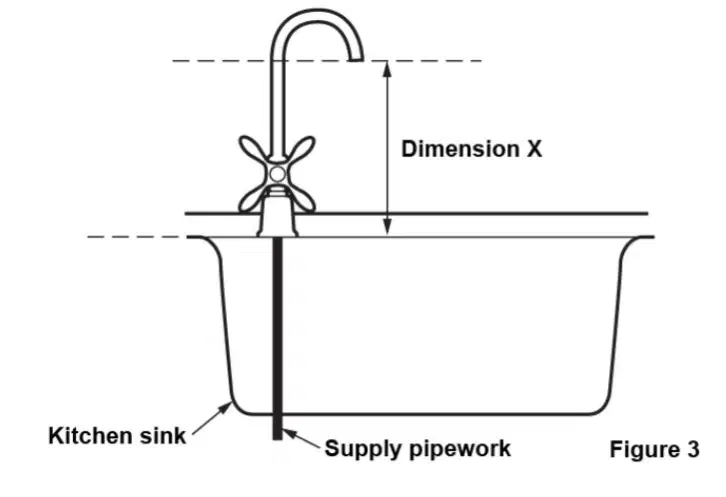
Figure 3 shows the backflow prevention device in the form of an air gap providing protection against contamination at a kitchen sink. What is the required dimension shown as X in the diagram?
At least 10 mm
At least 15 mm or one pipe diameter
At least 20 mm or twice the outlet diameter, whichever is greater
At least 50 mm in all cases

Figure 3 shows the backflow prevention device in the form of an air gap providing protection against contamination at a kitchen sink. What type of backflow prevention device is normally used with this type of installation?
Air gap (Type AUK1) at the tap outlet
Double check valve on the supply
Reduced pressure zone (RPZ) valve on the cold supply
No device is required
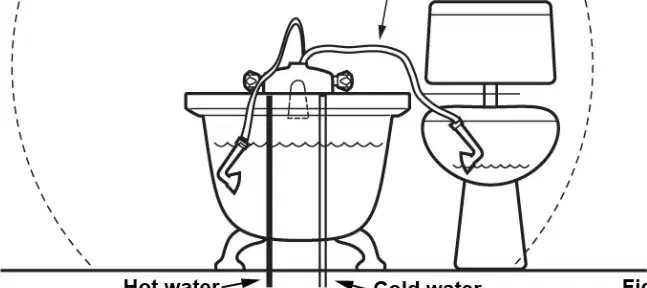
Figure 4 shows a flexible hose from a bath shower mixer that can reach both the bath and a nearby WC pan. Choose two methods that prevent backflow by stopping the shower head from being submerged in bath water.
Keep the shower head secured in a holder or hose retainer so it stays above the bath rim
Fit check valves or an anti‑siphon device to the mixer/hose to stop backflow
Leave the shower head resting in the bath while the taps are running
Remove the bath plug so water cannot collect
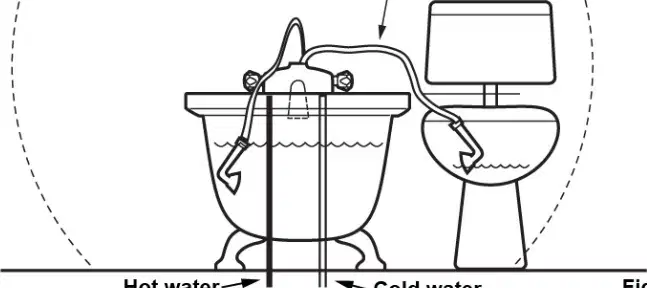
Figure 4 shows a flexible hose from a bath shower mixer that can reach a nearby WC pan. What is the simplest way to prevent backflow by keeping the shower head from becoming submerged in the WC pan?
Keep the shower head secured in a holder or hose retainer so it cannot reach the WC pan
Install a new toilet cistern with a different flush lever
Use an extra‑long hose so it lies on the bathroom floor
Flush the WC while the shower is running

