
 Worksheets
Understanding the FITT Principle
Total questions: 50
Worksheet time: 26mins

What does the FITT principle stand for?
Frequency, Intensity, Time, Type
Fitness, Intensity, Training, Technique
Frequency, Interval, Time, Training
Fitness, Interval, Time, Type
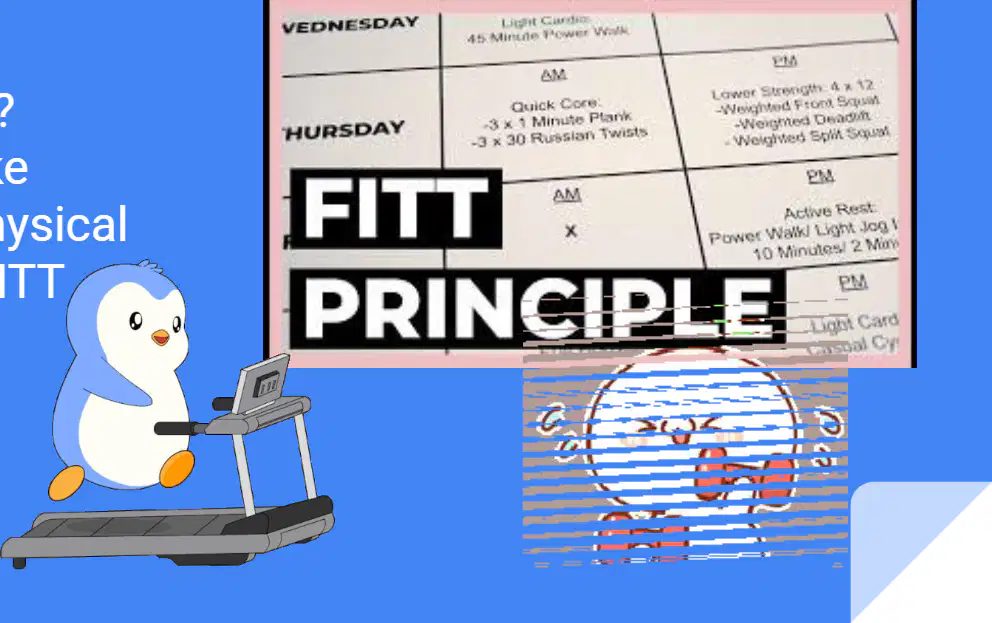
What does the FITT Principle help you take charge of?
Your diet
Your physical fitness
Your sleep schedule
Your mental health
What is the purpose of the FITT principle?
To create a diet plan for healthy eating
To tailor workouts to meet specific goals
To measure the effectiveness of sleep patterns
To track daily water intake
Which of the following is NOT part of the FITT principle?
Frequency
Intensity
Time
Technique

What does "frequency" refer to in the context of exercise?
The type of exercise you do.
How often you exercise.
The intensity of your exercise.
The duration of your exercise.

Larry runs three times a week to maintain his cardiovascular fitness. What aspect of exercise does this example highlight?
Frequency.
Intensity.
Duration.
Type.
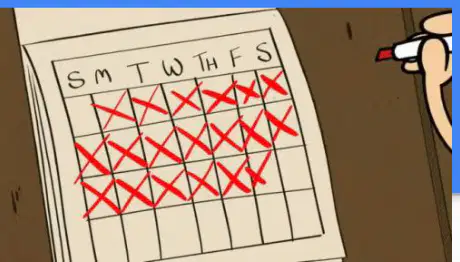
Which of the following is an example of frequency in exercise?
Running 5 miles in one hour.
Exercising three times a week.
Doing yoga for 30 minutes.
Lifting weights at high intensity.
What does "Intensity" refer to in physical activity?
The duration of your workout.
How hard you push yourself, often expressed in a percentage.
The type of exercise you perform.
The number of calories burned during exercise.
Which of the following is an example of expressing intensity in physical activity?
70% of your Max Heart Rate.
30 minutes of jogging.
Eating a balanced diet.
Stretching before exercise.
Which of the following is NOT a level of intensity in physical activity?
Low Intensity.
Moderate Intensity.
High Intensity.
Low-Key Intensity.

What does 'Time' refer to in physical activity?
The type of exercise you do.
How long you exercise or the duration of the physical activity.
The intensity of the exercise.
The equipment used during exercise.
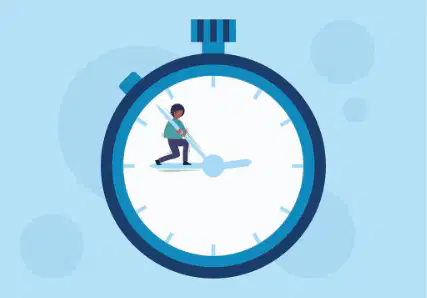
Which of the following is an example of 'Time' in physical activity?
Exercise for 20 minutes
Lifting weights
Stretching exercises.
Using a treadmill.
Which choice refers to exercise "type."
Running, Stretching, Eating Healthy
Running, Stretching, Lifting Weights
Eating Healthy, Stretching, Lifting Weights
Eating Healthy, Getting enough Sleep, Dinking Water
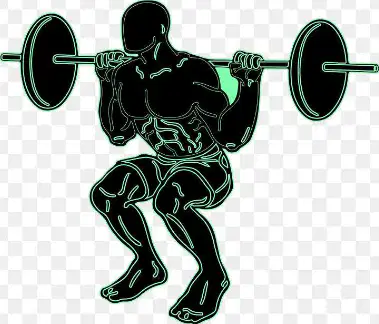
The following picature is an example of what type of exercise?
Stretching
Running
Swimming
Lifting Weights

What part of the FITT principle can be determined by this picture?
Technique
Type
Intensity
Fitness Level
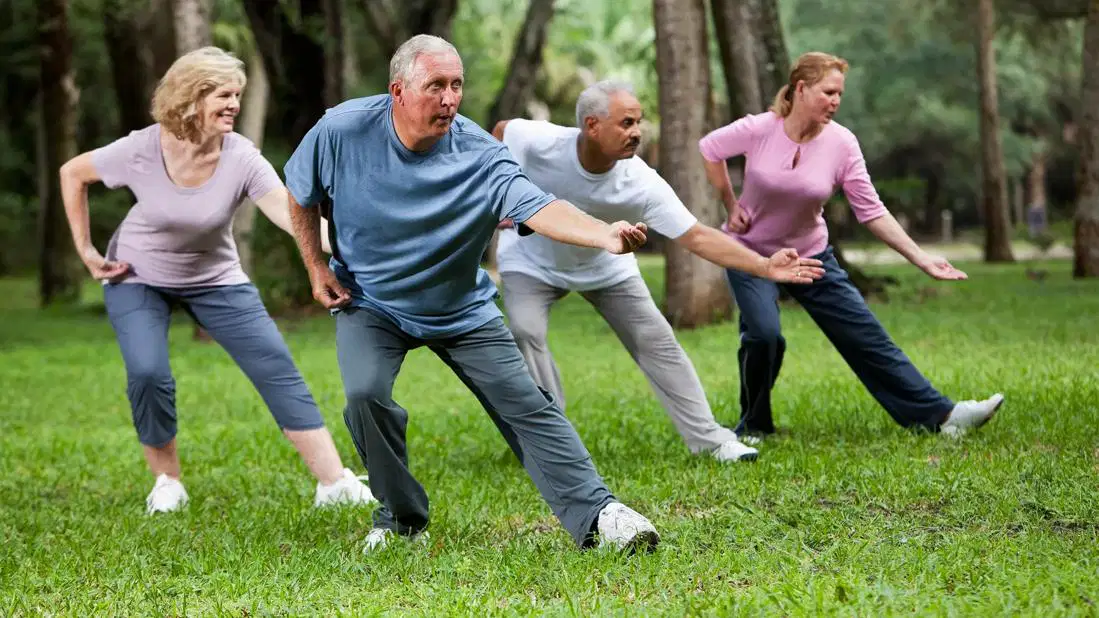
Which of the following is a form of exercise that focuses on balance and relaxation?
Football
Tai Chi
Weight Training
Dance

What does being "Totally Fit" mean?
Being physically fit only.
Being mentally/emotionally fit only.
Being socially fit only.
Being physically, mentally/emotionally, and socially fit.

What is best definition of "physical activity"
Any movement that makes your body use extra energy.
Stretching for 30 minutes
Getting 8 hours of sleep
Eating a healthy meal.
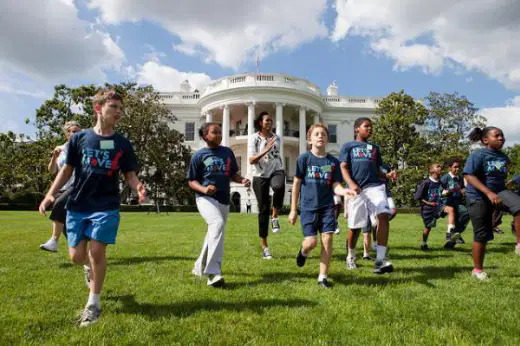
Which of the following is an example of physical activity?
Mowing the lawn.
Reading a book.
Playing Snow Rider...STOP IT!
Taking a a health quiz

Which of the following is NOT considered physical activity?
Vacuuming.
Mowing the Lawn with a push mower
Watching the Sunset
Jogging.
What does being physically fit mean?
Being tired after walking up the stairs
Eating healthy food every day.
The ability to handle daily challenges and not be overly tired.
Having good flexibility
What is the definition of fitness?
The ability to handle physical work and play each day without being overly tired.
The ability to sleep for long hours without interruption.
The ability to eat a balanced diet every day.
The ability to avoid all physical activities.
What is the best definition of exercise?
Planned physical activity done regularly to build or maintain one’s fitness.
Eating healthy food to improve one’s health.
Doing daily work without being overly tired
Watching the sunset
Which of the following is an example of exercise?
Doing a kickboxing class.
Doing household chores. Ex Yardwork
Eating healthy food
Planting a garden

Why is exercise important?
To build or maintain one’s fitness.
To increase stress levels.
To avoid physical activity.
To reduce energy levels.

What does "endurance" refer to in physical activity?
The ability to perform lengthy physical activity without getting overly tired.
The ability to lift heavy weights.
The ability to run at maximum speed for a short time.
The ability to perform backflips and cartwheels
Endurance exercise is most related to __________ of physical activity.
Speed or agility.
Time or duration.
Strength or power.
Flexibility or balance.
What is muscular endurance?
The ability to touch your toes
The ability to lift the heaviest weight one time.
The ability to perform repeated muscular work and exercise without getting tired.
The ability to stretch muscles to their maximum length.
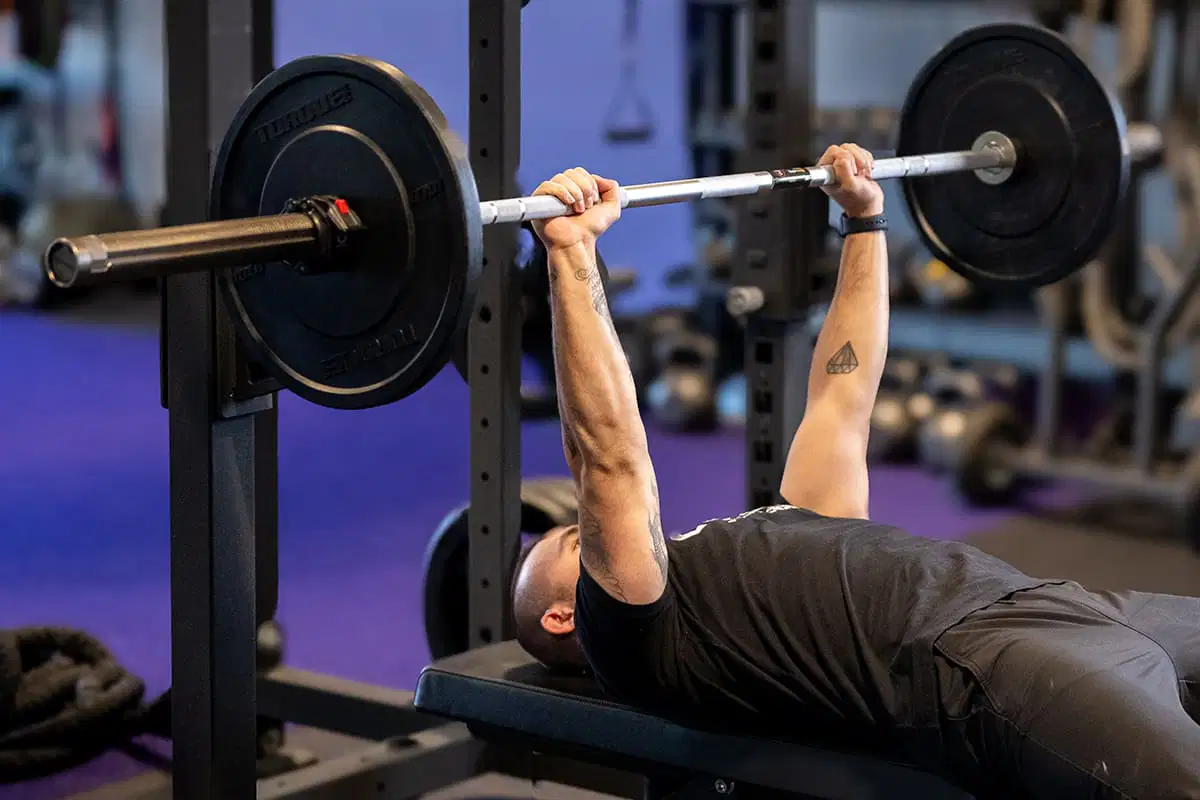
Which of the following is an example of muscular endurance?
Bench pressing 100 lbs. for 10 repetitions.
Sprinting 50 meters.
Jumping as high as possible
Holding a yoga pose for 5 seconds.
What is the formula for Power as mentioned in the learning material?
Force x Distance
Force x Time
Mass x Acceleration
Work x Time
How can strength be measured according to the learning material?
By how fast you can run
By how much weight you can move
By how far you can jump
By how long you can hold your breath
Which of the following is an example of strength as mentioned in the learning material?
Running a marathon
Bench pressing 100 lbs
Riding a bicycle
Swimming 100 meters
Which of the following activities is NOT an example of strength as per the learning material?
Playing football
Spiking a volleyball
Bench pressing 100 lbs
running a mile
What does "Cardiovascular Fitness" primarily focus on?
Strength training
Flexibility exercises
Heart and lung endurance
Bone density improvement
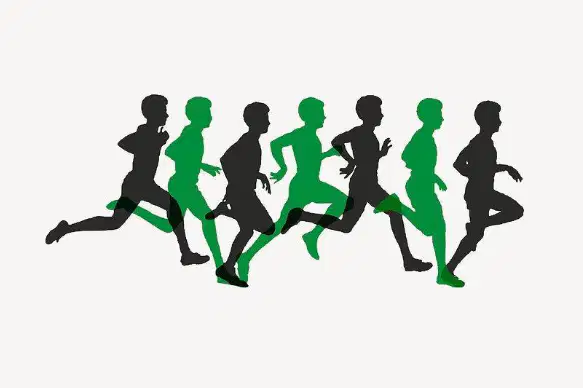
Which of the following activities is commonly associated with improving cardiovascular fitness?
Weightlifting
Running and swimming
Yoga
Stretching
What is the formula to calculate the low-intensity target heart rate?
220 - AGE x 0.85
220 - AGE x 0.5
220 - AGE x 0.75
220 - AGE x 0.9
If a person is 20 years old, what is their MAX heart rate?
105 bpm
178.5 bpm
150 bpm
200 bpm
The average resting heart rate of most people is around?
100 bpm
170 bpm
72 bpm
60 bpm
What does "bpm" stand for in the context of heart rate?
Beats per minute
Breaths per minute
Blood pressure measurement
Body pulse measurement
What is the formula to calculate the high-intensity target heart rate?
220 - AGE x 0.5
220 - AGE x 0.85
220 - AGE x 0.65
220 - AGE x 0.95
What is the purpose of a warm-up?
To cool down after a workout
To prepare your body for a workout
To increase muscle soreness
To avoid exercising altogether
What is the purpose of a "Cool Down" after a workout?
To increase the intensity of the workout
To allow your body to adjust after ending a workout
To start a new workout session
To rest completely without any movement
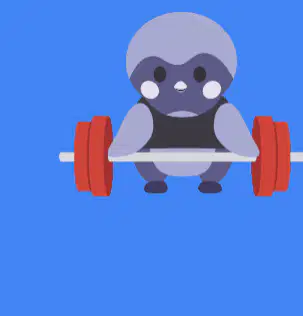
What is the main focus of the learning material shown in the image?
Strength Training: Isotonic vs Isometric Exercises
Cardio Training: Running vs Cycling
Flexibility Training: Yoga vs Stretching
Endurance Training: Swimming vs Rowing
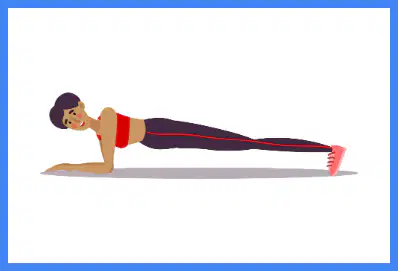
Which type of exercise involves holding a position without movement, as shown in the plank image?
Isotonic Exercise
Isometric Exercise
Aerobic Exercise
Anaerobic Exercise
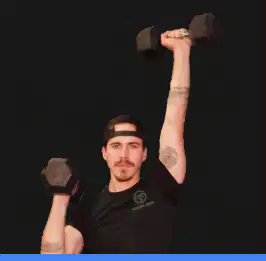
Which type of exercise involves movement of muscles through a range of motion, as shown in the weightlifting image?
Isometric Exercise
Isotonic Exercise
Flexibility Exercise
Resistance Exercise
Which of the following best describes cardiovascular endurance?
The ability to perform quick, explosive movements.
The ability to stretch muscles to their maximum length.
The ability to lift heavy weights for one repetition.
The ability of the heart and lungs to supply oxygen during sustained physical activity.
What is the main benefit of cooling down after exercise?
It helps prevent muscle cramps and gradually lowers heart rate.
It increases workout intensity.
It makes you sweat more.
It shortens recovery time by skipping rest.
Which component of the FITT principle refers to how hard you exercise?
Frequency
Intensity
Type
Time
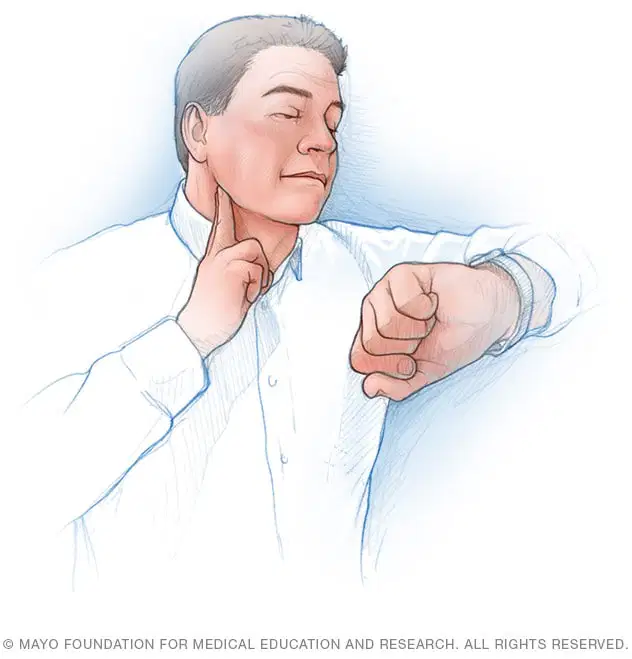
What is being represented in this picture?
A person looking at the time.
A person feeling his throat because they feel sick
A person checking their pulse.
Doing a strength training exercise
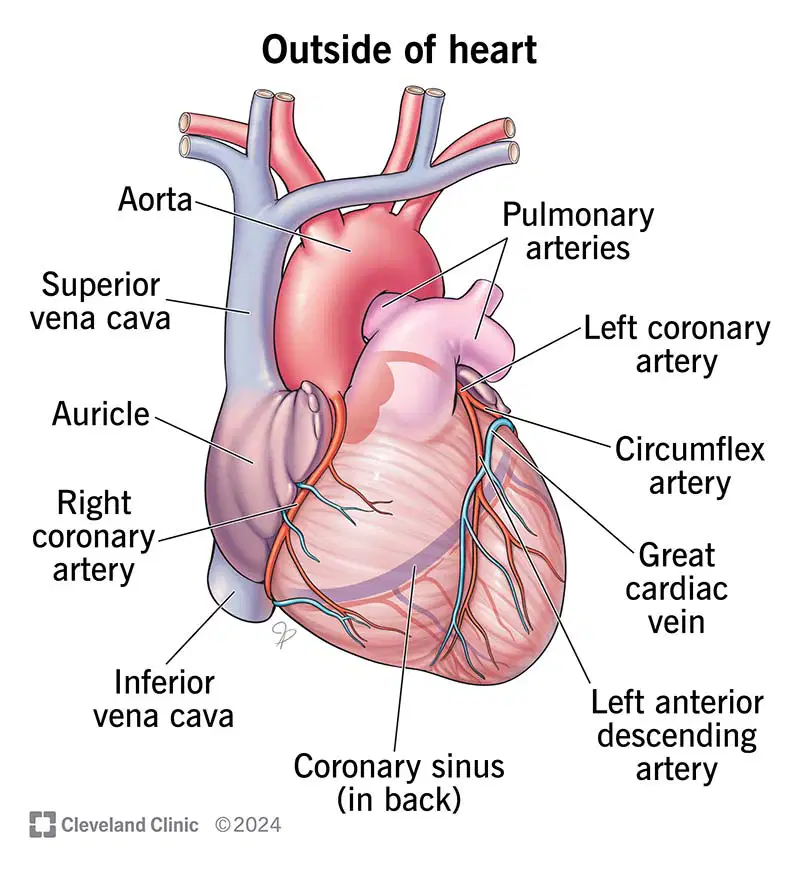
Your heart is as big as your...
(a)