
 Worksheets
Eucharist
Total questions: 60
Worksheet time: 30mins
Eucharist means ________.
Thanksgiving
Sacrifice
Offering
Blessing
The sacrificial nature of the Eucharist recalls Christ’s atonement for our sins.
True
False
Fill in the blank: The ________ broke the relationship between God and humanity and between humanity and creation.
Original Sin
Ten Commandments
Baptism
Resurrection
Sacrifices of animals completely wiped out the punishment for sin.
True
False
Fill in the blank: Jesus takes the ________ of the world on himself.
sin
joy
wealth
power
Who is the Lamb of God who takes away the sin of the world?
Moses
Jesus
Abraham
David
Fill in the blank: The angel of death passes over us (like the Israelites of Old) with the sacrifice of ________.
Jesus
Moses
Abraham
David
Fill in the blank: Jesus offers us ________ from sin and eternal life through him.
salvation
punishment
confusion
judgment
The Eucharist is the final Sacrament of _______ into the Church.
initiation
ordination
confirmation
baptism
Fill in the blank: The Eucharist is the _______ food that sustains us along the way and helps the Church grow.
spiritual
physical
temporary
ordinary
Bread and wine have been basic forms of sustenance for our bodies and human fellowship since ________.
ancient times
the Middle Ages
the Renaissance
modern times
The human ritual of eating and drinking together symbolized a covenant relationship: they unite distinct parties into ________.
one people
separate groups
temporary alliances
competitive teams
isolated individuals
What does 'atone' mean? Fill in the blank: Atone means to make an offering of _______ as an expression of sorrow for an offense.
penance
gratitude
wealth
joy
Fill in the blank: The practice of animal sacrifice in the Jewish Temple tradition ended with the destruction of the temple in _______.
70AD
30AD
100AD
200AD
What is the most important meal God instituted in the Old Testament?
Passover
Feast of Tabernacles
Day of Atonement
Pentecost
The Passover commemorates when the Angel of Death passed over the homes of the _____
Israelites
Egyptians
Romans
Babylonians
They had no time to wait for the dough to rise so what type of bread did the Israelites hurriedly make for Passover?
Unleavened bread
Rye bread
Banana bread
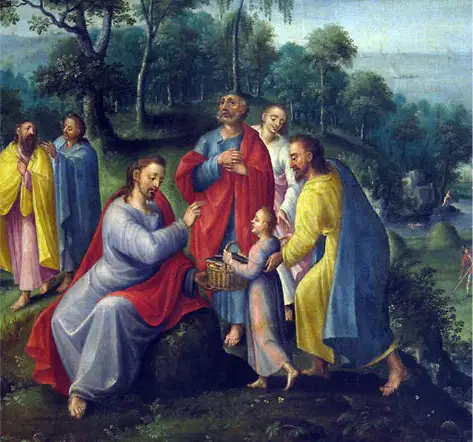
Covenant Meals in the Old Testament: The Passover provides the background for the celebration of the _______ at Mass.
Eucharist
Sabbath
Hanukkah
Pentecost
God continued using ______ as a sign of His covenant.
bread
water
stone
oil
This desert manna prefigures the ______.
Eucharist
Baptism
Pentecost
Transfiguration
Fill in the blank: The multiplication of loaves and fish anticipates how Jesus will provide ______ food to nourish His disciples.
spiritual
physical
earthly
temporary
In the Bread of Life Discourse, Jesus promises bread from Heaven that provides ______ life.
eternal
temporary
physical
earthly
Jesus’ promise is fulfilled when He instituted the Eucharist.
True
False
In the Bread of Life discourse in John 6, the disciples __________ Jesus because the commandment to eat his flesh and drink his blood for eternal life is a teaching that "is too difficult."
believe
adore
abandon
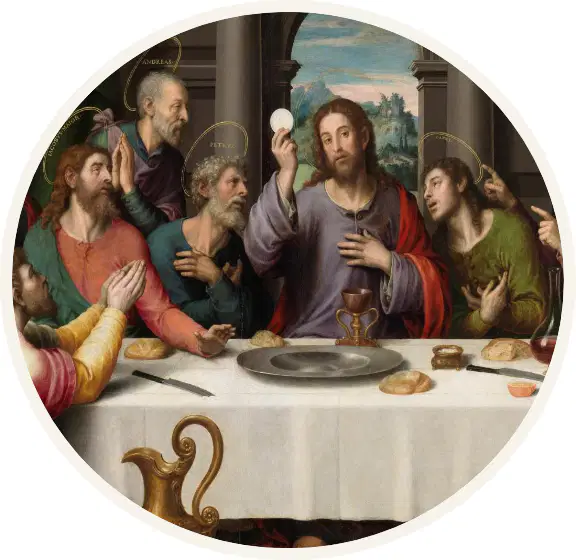
The celebration of the Eucharist is also our thanksgiving to God for saving us from Sin.
True
False
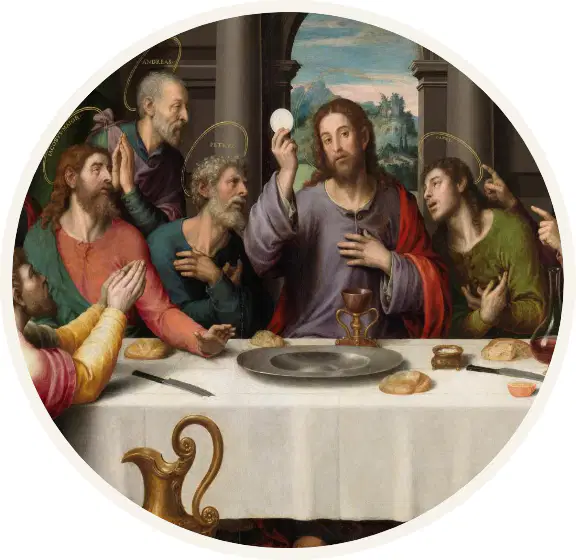
Fill in the blank: The changing of the bread and wine to flesh and blood symbolizes how the Church becomes the _________.
Body of Christ
House of Worship
Community of Saints
Temple of Solomon
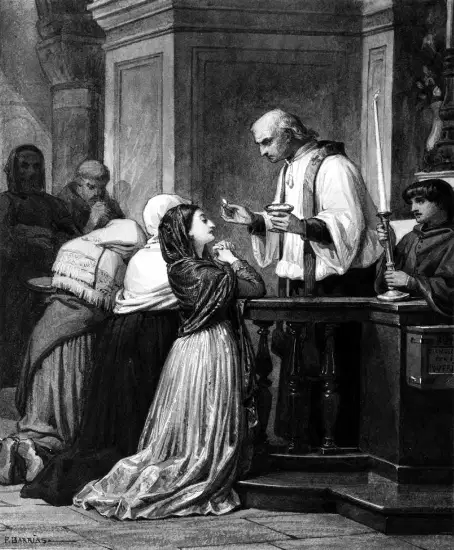
Fill in the blank: The Church draws her life from the _________?
Eucharist
Bible
Sacraments
Prayer
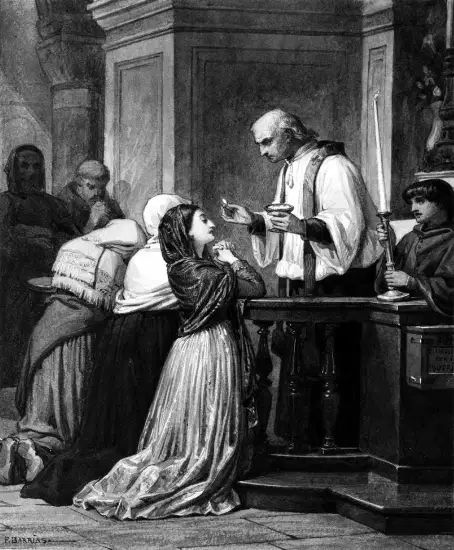
When the Church consumes the Body of Christ, she becomes what she consumes.
True
False
God makes physical food spiritual food.
True
False
Spiritual Food: When we consume the Son of God we are drawn into His own _____?
life
wisdom
kingdom
presence
Spiritual Food: God turns our natural gifts into supernatural gifts.
True
False
Fill in the blank: God communes with us by coming to us through ______ things we can grasp and understand.
material
invisible
complex
unreachable
Fill in the blank: God enters into creation and, by elevating ordinary things, provides a path to ______ life.
supernatural
ordinary
material
temporary
Fill in the blank: Jesus links His ______ and His Sacrifice together.
Last Supper
Resurrection
Baptism
Ascension
Because the Son of God is eternal, his Sacrifice on the Cross is eternal.
True
False
Communion with God: To be eternal is to say time does not bind or constrain. It is something without ______ nor end.
beginning
purpose
limit
reason
Communion with God: God is present to His creation’s past, present, and future.
True
False
Communion with God: What happens when the priest consecrates the bread and wine?
The bread and wine become the body and blood of Christ.
The bread and wine are blessed but remain unchanged.
The bread and wine are distributed to the poor.
The bread and wine are removed from the altar.
Communion with God: In the Consecration, the priest takes part in an amazing miracle that defies the constraints of time.
True
False
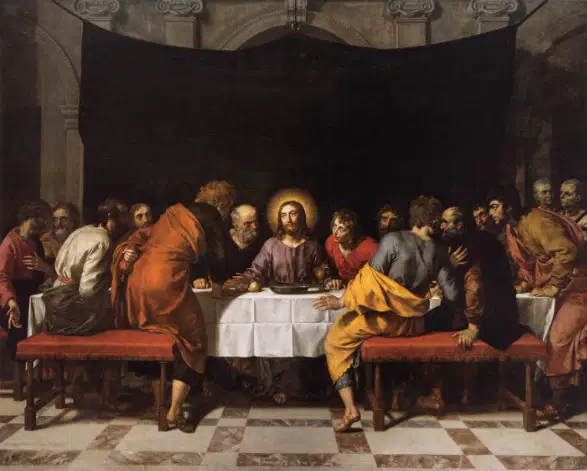
What is the Real Presence of Jesus in the Eucharist called?
Transfiguration
Transubstantiation
Resurrection
Incarnation
The transformation of bread and wine into Jesus’ Body is called _________.
Transubstantiation
Consecration
Incarnation
Sanctification
The appearance of bread and wine remain while the substance changes to the body of Christ.
True
False
Fill in the blank: Just as Jesus raised Himself from the dead in a glorified state, He is able to offer Himself to us as food for our ________ nourishment.
spiritual
physical
mental
emotional
Fill in the blank: He transcends the laws of nature to unite Himself to us in ________ and Spirit.
Body
Mind
Soul
Thought
Fill in the blank: The Church calls the substantial change that takes place in the Eucharist an ________ sacrifice, since the reality we consume is not discernible to our senses.
unbloody
visible
symbolic
temporary
Fill in the blank: Jesus’ presence remains as long as the properties of ______ and ______ remain.
bread; wine
water; oil
flesh; blood
grape; wheat
Why do Catholics treat the Eucharist with immense respect?
Because it is a tradition
Because of the Real Presence of Christ
Because it is a symbol only
Because it is a meal
Fill in the blank: The Real Presence is why God only permits an ordained ______ to celebrate the Mass.
priest
deacon
bishop
monk
Fill in the blank: We must be attentive and prayerful at Mass as Christ is fully present there in the reading of the scripture, in the ______, in the people present, and in the Consecration of the Eucharist.
tabernacle
altar
choir
vestments
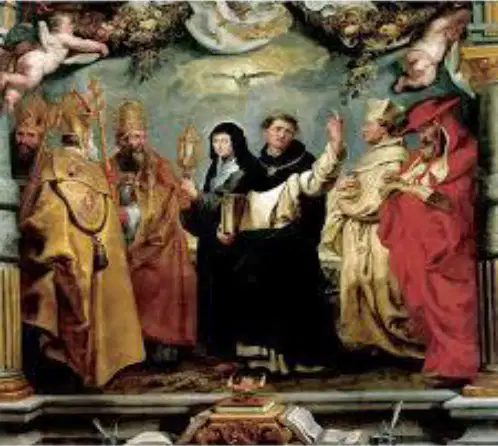
The Mass is divided into two parts. What are these two parts?
Liturgy of the Word and Liturgy of the Eucharist
Liturgy of the Saints and Liturgy of the Apostles
Liturgy of the Psalms and Liturgy of the Gospel
Liturgy of the Sacraments and Liturgy of the Prayers
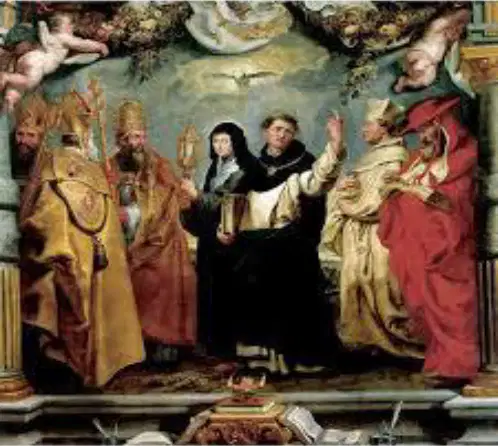
The Mass is outside of time.
True
False
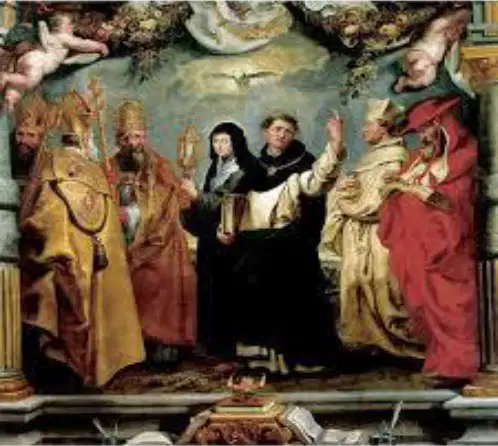
At Mass, we are united with whom in Heaven?
We are united with the angels and saints in Heaven at Mass.
We are united with only the priests in Heaven at Mass.
We are united with the animals in Heaven at Mass.
We are united with the prophets in Heaven at Mass.
What is the matter used in the Sacrament of the Eucharist?
unleavened wheat bread and grape wine
leavened barley bread and apple juice
corn tortillas and orange juice
rye bread and water
Who is the minister of the Sacrament of the Eucharist?
Priest or Bishop
Deacon
Layperson
Nun
Which of the following is the correct form (words) used in the Sacrament of the Eucharist?
"Take this, all of you, and eat of it, for this is my Body which will be given up for you... Take this, all of you, and drink from it, for this is the chalice of my Blood, the Blood of the new and eternal covenant, which will be poured out for you and for many for the forgiveness of sins. Do this in memory of me."
"Go in peace to love and serve the Lord."
"Bless us, O Lord, and these thy gifts."
"Our Father, who art in heaven."
Name one effect of receiving the Sacrament of the Eucharist.
Intimate union with Christ (CCC 1391)
Loss of faith
Physical healing guaranteed
Immediate wealth
Which is an effect of receiving the sacrament of Eucharist?
Separation from sin
Medicine of immortality
spiritual strengthening
All of the above
What is the definition of Atonement (Atoning)?
To make an offering of penance as an expression of sorrow for an offense; to make amends or reparations.
To ignore the consequences of one's actions.
To seek revenge for a wrongdoing.
Something that has the purpose of keeping a memory alive. The Eucharist is the ___________ of Christ’s Passover, but, unlike the Mass makes truly present the once and for all sacrifice of Christ on the Cross rather than merely calling it to mind.
memorial
death
response
In the Bread of Life Discourse in John 6, Jesus asks the apostles if they will leave him, too (like the disciples who refused to eat Jesus' flesh and drink his blood)? How does Peter respond?
See ya'
Lord to whom shall we go? You have the words of everlasting life!
This teaching is too difficult.

