
 Worksheets
Khám Phá Đô Thị Hóa
Total questions: 163
Worksheet time: 2hrs 45mins
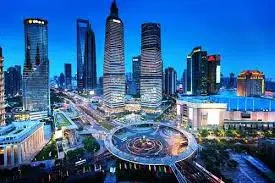
Look at the picture and choose the best answer .
A .
Invest
B .
Improve
C .
Urbanisation
D .
Resident
Fill in the blanks :
The more crowded the area becomes, the worse ____ get, especially during rush hour .
A .
Traffic jam
B .
Vehicles
C .
Public transports
D .
Resident
But now they have built several ____ buildings in HCM city because of the lack of land.
A .
Expensive
B .
Crowded
C .
State of the art
D .
High - rise

Look at the picture and fill in the blanks :
(a)

Look at the picture and fill in the blanks :
(a)
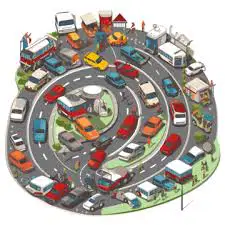
Look at the picture and fill in the blanks :
(a)
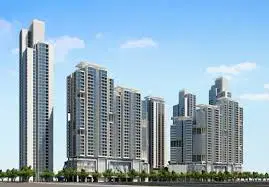
Look at the picture and fill in the blanks :
(a)

Look at the picture and choose the best answer :
A .
Crime
B .
Afford
C .
Authority
D .
Shortage

Look at the picture and choose the best answer :
A .
Infrastructure
B .
Expand
C .
Improve
D .
Crowded
Fill in the blanks :
The city' s ____ needs upgrading to meet the demands from its citizens
A .
Leisure
B .
Convenience
C .
Infrastructure
D .
Unemployment
urban areas
mở rộng
khu vực thành thị
leisure
giải trí , thư giãn
thất nghiệp
tìm kiếm
local residents
mục tiêu
phân huỷ
cư dân địa phương
khu vực thành thị
rush hour
thêm vào
rửa sạch
giờ cao điểm
afford
đủ khả năng
loại bỏ
mục tiêu
expand
thu hẹp
mở rộng
nhận thức
seek
câu hỏi
tìm kiếm
khao khát
unemployment
tai nạn
thất nghiệp
thất bại
clonial
địa phương
thuộc địa , thuộc dân
hạ xuống
decrease
giảm, hạ xuống
tăng lên
huỷ bỏ
gradually
nhanh chóng
tỉ lệ
dần dần từ từ
proportion
tài năng
tốc độ cao
tỉ lệ
resident
phân tích
người dân
tìm kiếm
rapidly
rất nhanh tốc độ cao
chậm rãi
chức năng
concern
sự lo lắng
thoải mái
vui vẻ
It's the first time I ________on an electric bus.
have been
has been
was
am
The city where Nam live is getting ________.
more and more big
the bigger and the bigger
the bigger
bigger and bigger
__________crowded the area becomes, ________traffic jams get.
The more/the worse
more and more/worse and worse
the less/the worse
the less/the best
They (build) __________several high-rise buildings opposite Nam's house.
have built
were building
They (see) __________ a significant increase in public transport usage this year.
seen
were seeing
have seen
see
The more people use bicycles, ________ pollution levels will decrease.
the better
the fewer
the less
the more
This is the second time I ________ a solar-powered vehicle.
drove
have driven
am driving
has driven
Mary has lived in this city ______5 years.
ago
The last time I went to the museum was 2 months ago.
I haven't gone to the museum for 2 months.
I haven't gone to the museum 2 months ago.
I have gone to the museum for 2 months.
I have gone to the museum 2 months ago.
This is the first time I have tried tteokbokki.
I have never tried tteokbokki before.
I have never tried tteokbokki.
I have tried tteokbokki before.
I never tried tteokbokki before.
The last time I went to the museum was 2 months ago.
I haven't gone to the museum for 2 months.
I haven't gone to the museum 2 months ago.
I have gone to the museum for 2 months.
I have gone to the museum 2 months ago.
Higher ________can result in increasing crime rates in big cities.
unemployment
employment
Higher ________can result in increasing crime rates in big cities.
unemployment
employment
Not many young couples can ____________to buy their own house in big cities.
Many people are leaving the countryside in order to ________better opportunities in big cities.
There is a shortage of affordable ________in big cities.
Since they started to using farmland for building houses, many towns have ______into cities.
expand
built
sought
Air pollution is a major _______for many cities around the world.
concern
During __________, the streets become heavily congested, making commuting a stressful experience.
tall hour
high hour
slow hour
Local __________ have expressed concerns about the increase in traffic due to the new shopping mall.
reside
residential
resided
thuộc về thành thị
(a)
đô thị hóa
(a)
khu phố
(a)
các tòa nhà cao tầng
(a)
các tòa nhà thấp tầng
(a)
cư dân
(a)
đông đúc
(a)
cơ sở vật chất
(a)
các hoạt động giải trí
(a)
giờ cao điểm
(a)
thuộc địa
(a)
phương tiện giao thông
(a)
dần dần
(a)
thuộc về nông thôn
(a)
có thẻ chi trả đc
(a)
cơ sở hạ tầng
(a)
hiện đại hóa
(a)
tìm kiếm
(a)
thất nghiệp
(a)
mối quan tâm
(a)
kiến trúc
(a)
chợ truyền thống
(a)
nhanh chóng
(a)
giảm
(a)
đáng tin cậy
(a)
hơi, nhẹ
(a)
cư dân
(a)
chi trả
(a)
tỉ lệ phần trăm
(a)
tỉ lệ
(a)
khiếu nại
(a)
thống kê
(a)
mở rộng
(a)
nhà ở
(a)
The process of people moving from rural to urban areas is called ______.
Industrialisation
Urbanisation
Overpopulation
Modernisation
Too many people living in a certain area is known as ______.
Unemployment
Congestion
Overpopulation
Migration
______ is the system of roads, transport, electricity, and water supply.
Infrastructure
Environment
Population
Employment
The movement of people from one place to another is called ______.
Urbanisation
Migration
Overcrowding
Development
The situation when many people have no jobs is ______.
Industrialisation
Unemployment
Congestion
Urbanisation
Rapid urbanisation often causes traffic ______ in big cities.
congestion
migration
infrastructure
standard
Air and water ______ are serious problems in cities.
pollution
population
migration
employment
Many young people move to cities in search of better ______.
congestion
infrastructure
living standards
population
The rapid growth of factories and machines is called ______.
Industrialisation
Migration
Infrastructure
Employment
A city with a very large population, like Tokyo or New York, is called a ______.
capital city
megacity
town
suburb
Which of the following is not a cause of urbanisation?
Job opportunities
Better education
More pollution
Higher living standards
Which problem is often linked with overpopulation in cities?
More green spaces
Lack of housing
Lower pollution
Better transport
Which region in the world has the fastest urbanisation today?
Europe
Asia
North America
Oceania
What is one advantage of urbanisation?
Higher unemployment
Better access to healthcare and education
More traffic congestion
More pollution
Which of the following is a way to reduce traffic congestion in cities?
Building more rural schools
Improving public transport
Closing factories
Cutting down trees
Which city is known as one of the world’s largest megacities with over 30 million people?
London
Hanoi
Tokyo
Berlin
What can governments do to reduce the negative effects of urbanisation?
Ignore pollution problems
Invest in infrastructure
Encourage overpopulation
Cut down on education
One of the main reasons people migrate from rural to urban areas is ______.
cleaner air
better job opportunities
less traffic
lower cost of living
Which problem is directly caused by too many vehicles in cities?
Overpopulation
Migration
Traffic congestion
Industrialisation
What does the term "urban sprawl" mean?
The spread of a city into surrounding rural areas
The movement of people to the countryside
The development of new industries
The decline of rural population
Which country is considered 100% urbanised, meaning all of its population lives in cities?
Singapore
Vietnam
India
Thailand
Which continent has the highest urban population in the world?
Asia
Africa
Europe
South America
Which city is often called the most urbanised city in Australia?
Sydney
Melbourne
Canberra
Perth
In Vietnam, which city is the most populated urban area?
Da Nang
Hanoi
Ho Chi Minh City
Hai Phong
Which of the following is an urbanised island nation?
Singapore
Laos
Cambodia
Myanmar
An area of land where waste materials are buried under the surface?
landfill (n)
packaging (n)
container (n)
reuse (v)
Something such as a box or bowl that you can use to keep things in?
packaging (n)
container (n)
reuse (v)
landfill (n)
To use something again:
reuse (v)
landfill (n)
container (n)
waste (n)
An act of using something in a careless way, causing it to be lost or destroyed?
pollution (n)
packaging (n)
waste (v)
container (n)
Materials used to wrap or protect things we buy from shops:
container (n)
packaging (n)
reuse (v)
landfill (n)
Fill in the bank with a preposition: in, about, at, of.
Many people have now started to care (a) the environment.
Fill in the blank with a preposition: for, on, out, with.
We should work (a) some solutions to reduce plastic pollution.
Fill in the blank with a preposition: on, from, in, with.
The future of our planet depends (a) how we deal with climate change.
Fill in the blank: My sister is responsible for looking ____ the plants at home.
up
after
for
with
thuộc về thành thị
(a)
đô thị hóa
(a)
khu phố
(a)
các tòa nhà cao tầng
(a)
các tòa nhà thấp tầng
(a)
cư dân
(a)
đông đúc
(a)
cơ sở vật chất
(a)
các hoạt động giải trí
(a)
giờ cao điểm
(a)
thuộc địa
(a)
phương tiện giao thông
(a)
dần dần
(a)
thuộc về nông thôn
(a)
có thẻ chi trả đc
(a)
cơ sở hạ tầng
(a)
hiện đại hóa
(a)
tìm kiếm
(a)
thất nghiệp
(a)
mối quan tâm
(a)
kiến trúc
(a)
chợ truyền thống
(a)
nhanh chóng
(a)
giảm
(a)
đáng tin cậy
(a)
hơi, nhẹ
(a)
cư dân
(a)
chi trả
(a)
tỉ lệ phần trăm
(a)
tỉ lệ
(a)
khiếu nại
(a)
thống kê
(a)
mở rộng
(a)
nhà ở
(a)

