
 Worksheets
Unit 6B: New Deal
Total questions: 26
Worksheet time: 1hrs 18mins
What was prime pumping?
Using the government to hire workers which puts money in consumers’ (workers) hands so they can spend money in order to stimulate the economy
A system in which the government takes the responsibility to protect the health and well-being for its citizens (especially those in need).
Speeches by President FDR to inform the nation of progress and keep the nation from panicking during the Great Depression
What was the fireside chat?
Using the government to hire workers which puts money in consumers’ (workers) hands so they can spend money in order to stimulate the economy
A system in which the government takes the responsibility to protect the health and well-being for its citizens (especially those in need).
Speeches by President FDR to inform the nation of progress and keep the nation from panicking during the Great Depression
What was the Welfare state?
Using the government to hire workers which puts money in consumers’ (workers) hands so they can spend money in order to stimulate the economy
A system in which the government takes the responsibility to protect the health and well-being for its citizens (especially those in need).
Speeches by President FDR to inform the nation of progress and keep the nation from panicking during the Great Depression
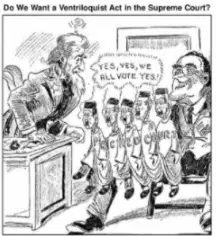
What was court packing?
Form of protest used against General Motors
Giving tax breaks or loans to businesses and wealthy so they can hire more workers in an attempt to stimulate the economy.
Name for FDR’s attempt to change the Supreme Court
The definition of sit down strikes is:
Form of protest used against General Motors
Giving tax breaks or loans to businesses and wealthy so they can hire more workers in an attempt to stimulate the economy.
Name for FDR’s attempt to change the Supreme Court
What was trickle down economics?
Form of protest used against General Motors
Giving tax breaks or loans to businesses and wealthy so they can hire more workers in an attempt to stimulate the economy.
Name for FDR’s attempt to change the Supreme Court
Federal Art Project
Program created to control the costs of crops to help farmers during the Depression
Program aimed to reduce destructive competition and to help workers with a minimum wage and maximum hours. Supreme Court ruled it unconstitutional
This program paid artists to paint large murals in order to give them a job
Public works program to build dams in in order to create electricity and control water. Created jobs for poor rural southerners.
AAA (Agricultural Adjustment Act)
Program created to control the costs of crops to help farmers during the Depression
Program aimed to reduce destructive competition and to help workers with a minimum wage and maximum hours. Supreme Court ruled it unconstitutional
This program paid artists to paint large murals in order to give them a job
Public works program to build dams in in order to create electricity and control water. Created jobs for poor rural southerners.
NRA (National Recovery Administration)
Program created to control the costs of crops to help farmers during the Depression
Program aimed to reduce destructive competition and to help workers with a minimum wage and maximum hours. Supreme Court ruled it unconstitutional
This program paid artists to paint large murals in order to give them a job
Public works program to build dams in in order to create electricity and control water. Created jobs for poor rural southerners.
TVA (Tennessee Valley Authority)
Program created to control the costs of crops to help farmers during the Depression
Program aimed to reduce destructive competition and to help workers with a minimum wage and maximum hours. Supreme Court ruled it unconstitutional
This program paid artists to paint large murals in order to give them a job
Public works program to build dams in in order to create electricity and control water. Created jobs for poor rural southerners.
FDIC (Federal Deposit Insurance Corporation)
Federal program that insures deposits in banks so bank runs cannot happen again. This was also meant to encourage people to start depositing money in banks again.
Provided cheaper home loans so people would start building houses and putting people back to work
Created to financially help those too old or sick to work
HOLC (Home Owners' Loan Corporation)
Federal program that insures deposits in banks so bank runs cannot happen again. This was also meant to encourage people to start depositing money in banks again.
Provided cheaper home loans so people would start building houses and putting people back to work
Created to financially help those too old or sick to work
SSA (Social Security Administration)
Federal program that insures deposits in banks so bank runs cannot happen again. This was also meant to encourage people to start depositing money in banks again.
Provided cheaper home loans so people would start building houses and putting people back to work
Created to financially help those too old or sick to work

