
 Worksheets
Cell Transport - Practice Test
Total questions: 50
Worksheet time: 33mins
Movement of molecules across a cell membrane without the usage of energy.
Active Transport
Passive Transport
Cellular Transport
Molecular Transport
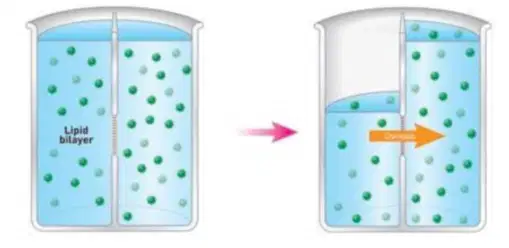
Movement of water from high to low concentrations across a semi-permeable membrane.
Osmosis
Diffusion
Endocytosis
Exocytosis
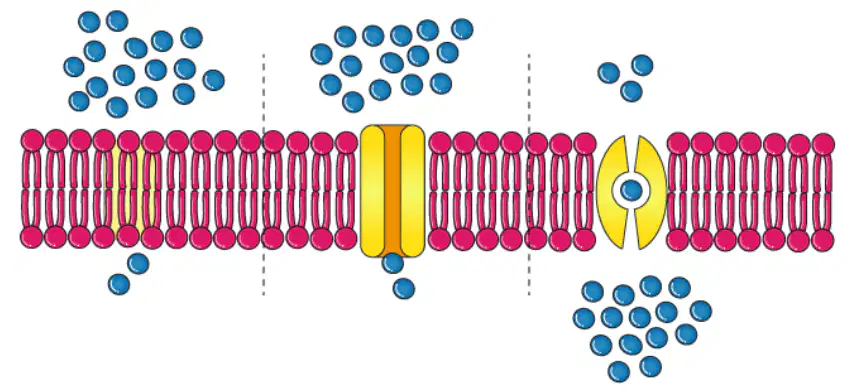
Movement of larger molecules across a cell membrane using a transport protein; molecules still move from high to low concentration
Osmosis
Active Transport
Facilitated Diffusion
Hypertonicity

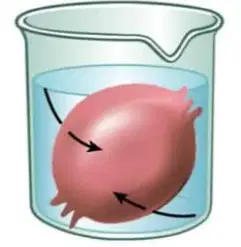
Higher solute concentration inside the cell than outside, water moves IN to the cell causing it to swell
Isotonic
Hypertonic
Hypotonic
Megatonic
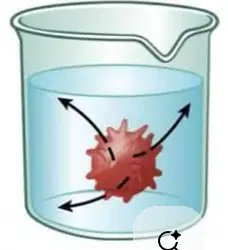
Higher solute concentration outside the cell than inside the cell, water moves OUT and the cell shrinks
Hypertonic
Isotonic
Hypotonic
Cytotonic
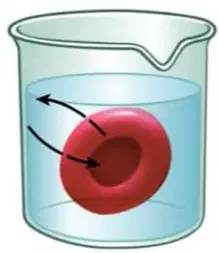
Solute concentration is equal inside and outside the cell, water moves IN and OUT evenly. Cell remains the same size.
Hypertonic
Hypotonic
Isotonic
Oligotonic
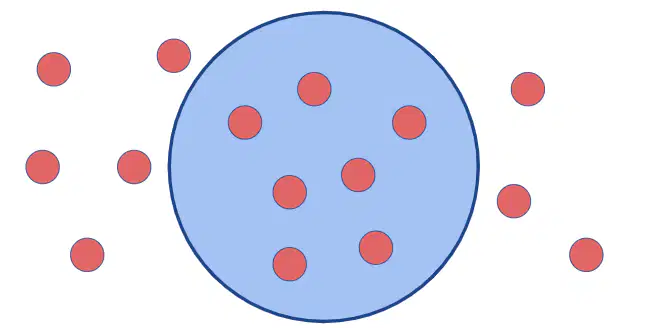
An equal concentration of molecules inside and outside of the cell
Equilibrium
Hypertonic
Hypotonic
Diffusion
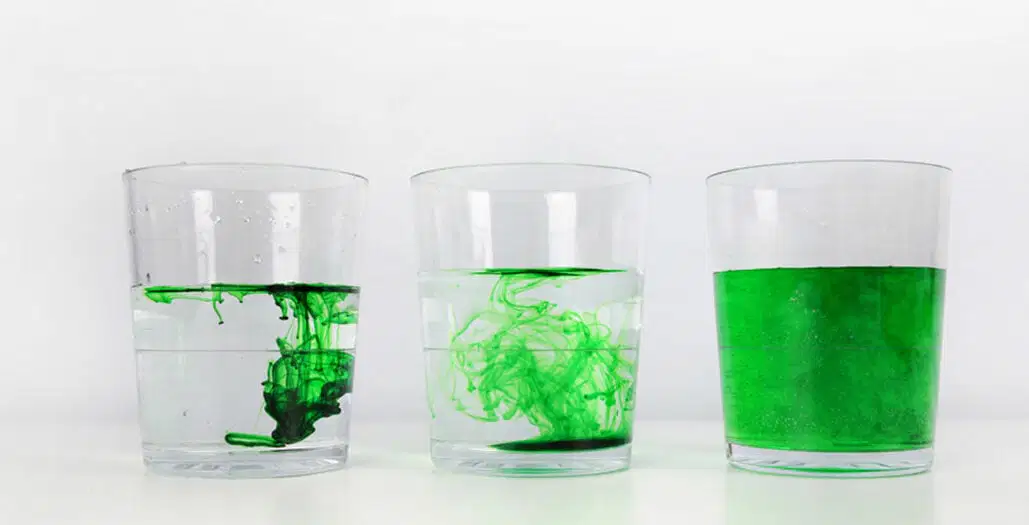
Movement of molecules from high to low concentration towards equilibrium
Osmosis
Active Transport
Mitosis
Diffusion
The amount of a substance (solute) within a specific volume of solution.
Concentration
Tonicity
Osmosis
Meiosis

This picture shows what type of macromolecule?
protein
carbohydrate
lipid
nucleic acid
The ability to allow only certain molecules into or out of the cell.
Semipermeability
Permeability
Impermeability
Unpermeability
Which of the following is a function of the cell membrane?
breaks down lipids, carbohydrates, and proteins from foods
stores water, salt, proteins, and carbohydrates
synthesizes proteins and other macromolecules
regulates the movement of materials into and out of the cell
Term used to describes the arrangement of the cell membrane as bendable (like a fluid) and made of many parts (like a puzzle).
A phospholipid has two parts. What are they called?
Hydrophilic Head, Hydrophobic Tail
Hydrophobic Head, Hydrophilic Tail
Which of the following are embedded in the phospholipid bilayer and help substances pass through?
lipids
proteins
cholesterol
carbohydrates
Most lipids contain _____, however, these are not true monomers.
amino acids
monosaccharides
nucleotides
glycerol and fatty acids
Lipids functions to
build and break down other molecules
store energy long term
create hormones
store genetic information


Active transport is movement of particles through the cell membrane from a region of ...1... to a region of ...2... using energy in the form of ...3...
1: lower concentration, 2: higher concentration, 3: NADPH
1: higher concentration, 2: lower concentration, 3: NADPH
1: higher concentration, 2: lower concentration, 3: ATP
1: lower concentration, 2: higher concentration, 3: ATP


Which is an accurate description of the diagram below?
Na+ and Amino Acids are both transporting passively.
Na+ and Amino Acids are both transporting actively.
Na+ is diffusing passively, and Amino Acids are transporting actively.
Na+ is transporting actively, and Amino Acids are diffusing passively.

What might happen if a cell did not have any ATP/energy?
It would not have enough energy to do active transport
It's cell membrane would break
The transport proteins would not be needed.
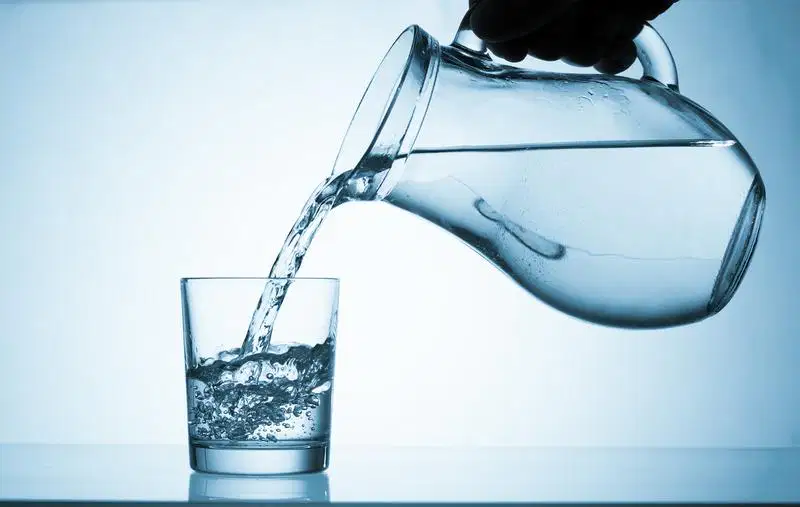
Water is considered the universal _______ because it can dissolve most things if left in it.
Solute
Solution
Hydrator
Solvent
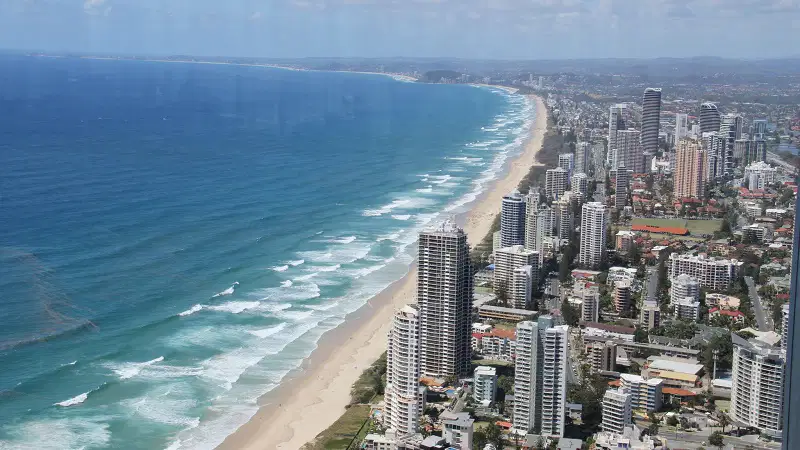
Water can hold large amounts of heat compared to other compounds. Ex: Can help keep water warm and keep costal areas stable in temperature
Heat of Vaporization/ Thermoregulation
High Specific Heat/Heat Storage
Solvent Ability
Cohesion
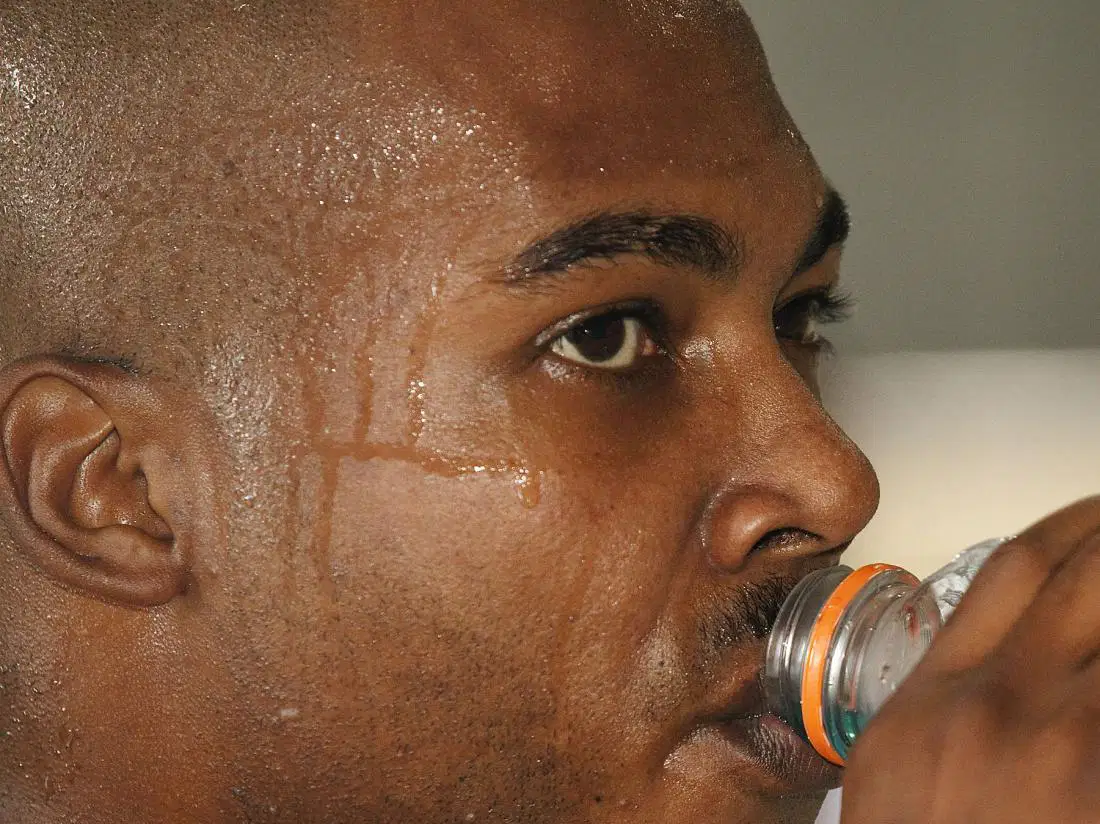
When water absorbs enough heat it evaporates, resulting in a cooling effect. Example: Sweat.
High Specific Heat
Adhesion
Cohesion
Thermoregulation / Vaporization
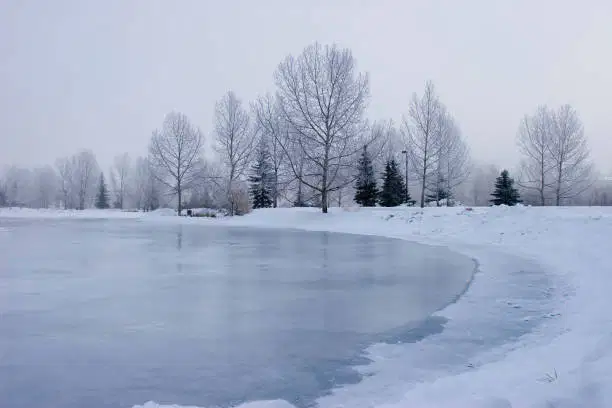
When water freezes, its solid form (ice) is less dense than water, so it floats. This allows a layer of ice to form on top of ponds, keeping the water a stable temperature and allowing fish and plants to survive the winter.
Adhesion
Heat of Vaporization
Density (Ice Formation)
Solvent

Water's ability to bond to other water molecules. Example: Surface Tension
Cohesion
Adhesion
Covalent
Evaporative Cooling
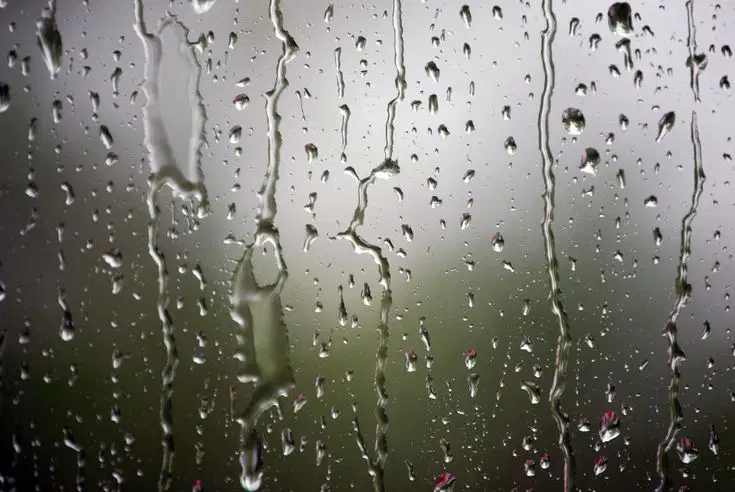
Water's ability to bond to other molecules. Example: Water sticking to grass or glass.
Adhesion
Cohesion
Covalent
Condensation
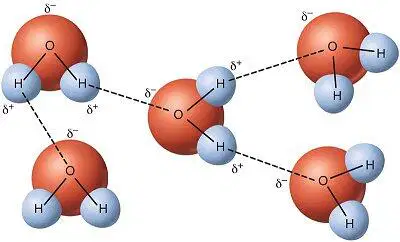
A weak bond that uses polarity to hold water molecules close to other water molecules.
Covalent Bond
Hydrogen Bond
Ionic Bond
Systemic Bond
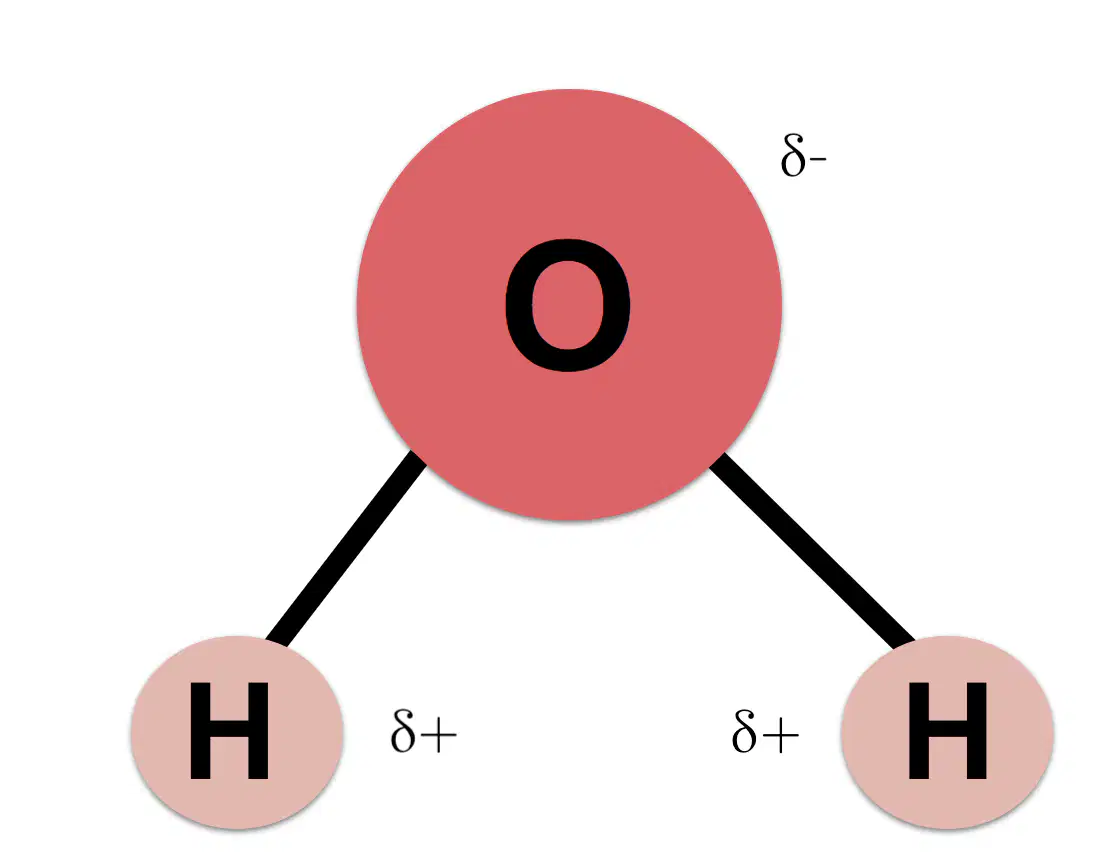
A water molecule is considered ________ because the electrons are shared unevenly, resulting in a slightly positive and negative side.
Non-Polar
Polar
Covalent
Metallic

A uniform mixture of solute + solvent. Example: Kool-Aid
Solvent
Solute
Solution
Heterozygous
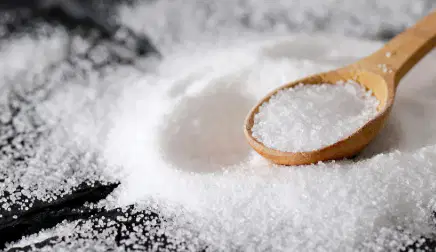
What IS dissolved in a solution. Example: Salt, Sugar, or Kool-Aid Powder
Solvent
Solute
Solution
Hypotonic
Quantitative data relies on ___________________________.
descriptions.
numbers.
colors.
noise.
In a "controlled" science experiment, how many variables should the scientist manipulate (change) at any one time?
0
1
2
Many variables can be changed at the same time.
In an experiment where I change the amount of sugar in a recipe to bake a loaf of bread, which group demonstrates the constants.
The amount of time baked, the brand of flour used, the amount of yeast used.
The amount of time baked, the amount of sugar in the recipe, the amount of yeast used.
The amount of time baked, the amount of sugar in the recipe, the size of the pan the bread is baked in.
The amount of time baked, the amount of sugar in the recipe, the brand of yeast used.
A company wants to test a new dog food that is supposed to help overweight dogs lose weight. 50 dogs are chosen to get the new food, and 50 more continue their normal diets. After one month, the dogs are checked to see if they lost any weight. What is the control group?
new food
weight
dogs eating new food
dogs continuing normal diet
A conclusion reached on the basis of evidence and reasoning
Observation
Hypothesis
Principle
Inference
Information obtained through the senses.
Observation
Hypothesis
Principle
Inference
A custodian notices some dirty tables and wants to know which cleaner is the best to use. He tests three different cleaners and looks at how well they clean compared to tap water. What is the control group?
type of cleaner
tap water
cleanliness of tables
time spent cleaning

