
NEW
Font size
 Worksheets
Overview of Organizational MIS
Total questions: 30
Worksheet time: 15mins

In the diagram, which system directly processes business transactions before feeding validated data into organizational MIS components?
Transaction Processing System
Human Resource Information System
Enterprise Resource Planning
Decision Support System

A manager wants a periodic summary generated automatically from the MIS shown. Which report type best fits this need?
Scheduled reports
Exception reports
Demand reports
Drill down reports

Which statement best describes the primary purpose of a Financial Management Information System in an organization?
Provide financial information to financial managers
Record only payroll and inventory transactions
Replace external auditors for annual reporting
Eliminate the need for corporate strategic planning

Which combination lists typical inputs that feed a Financial MIS before producing reports and analyses?
Strategic plans, TPS data, external sources
Only payroll summaries, vendor invoices, receipts
Executive dashboards, email archives, calendars
Data from HR training, social media, surveys

In offering outputs for decision-making, which set aligns with Financial MIS subsystems and outputs shown?
Profit and cost systems; general ledger; budgetary accounting
Sales promotion tools; customer churn; influencer outreach
Manufacturing routing; machine uptime; shop-floor control
Recruitment pipeline; training modules; performance appraisal
Which item is a primary input feeding a Manufacturing Management Information System for production managers?
Strategic plan or corporate policies
Annual marketing campaign slogans
Employee social activity schedules
Website color palette guidelines
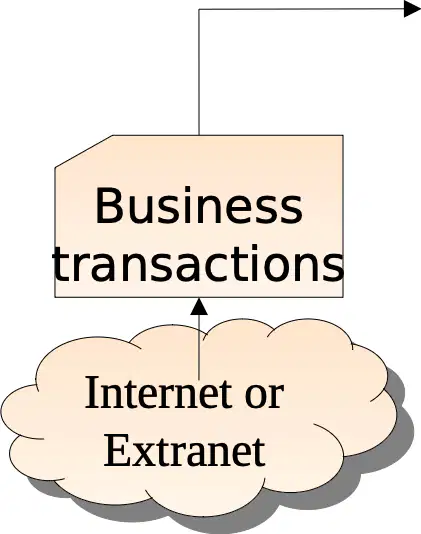
In the depicted Manufacturing MIS data flow, which sequence best describes how transaction data becomes support for decision making?
Business transactions to TPS databases to Manufacturing MIS to applications databases to DSS
Manufacturing MIS to internet cloud to TPS to customers to DSS
Customers to DSS to CAD output to TPS to ES
External databases to ES to TPS to manufacturing DSS to CAD
Which subsystem is correctly matched to the primary production dimension it measures as an MIS output?
Production subsystem — time tracking of workflow
Inventory subsystem — employee satisfaction trends
Quality subsystem — advertising campaign reach
Cost subsystem — supplier social media engagement

Which input most directly feeds data from everyday sales into a Marketing MIS?
Strategic plans and policies
Transaction processing systems
External market competition
Public relations campaigns

What is the primary purpose of marketing research within a Marketing MIS?
Designing promotional slogans
Systematically gathering and analyzing market data
Setting final product prices
Scheduling service calls for customers
A company uses reports showing sales by customer, sales by product, pricing, and service calls. What core Marketing MIS function do these outputs collectively support?
Product manufacturing control
Managerial decisions in marketing activities
Payroll processing compliance
Network infrastructure monitoring
Which input most directly feeds transactional records into a Human Resource MIS for payroll and staffing updates?
Strategic plan and corporate policies
External labor market benchmarks
Transaction Processing System outputs
Human resource applications databases

Which subsystem primarily handles identifying vacancies and sourcing candidates within a Human Resource MIS?
Training and skills inventory
Personnel selection and recruiting
Wage and salary administration
Scheduling and job placement
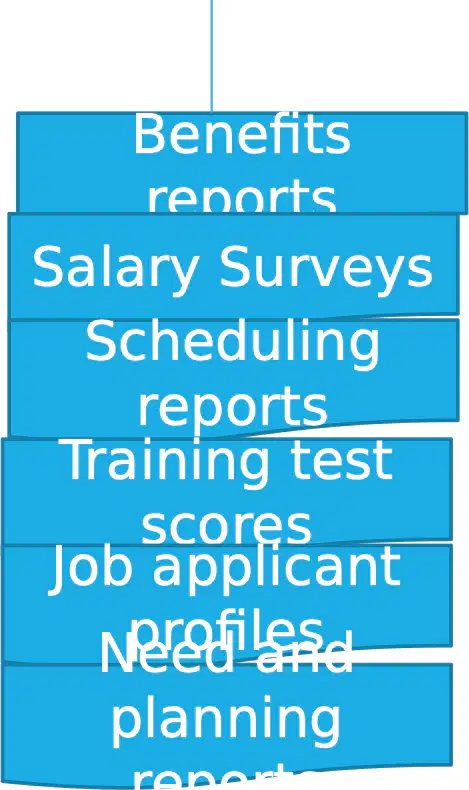
An HR manager must justify a proposal to adjust benefits packages. Which HR MIS output would provide the most relevant evidence?
Job applicant profiles
Scheduling reports
Benefits reports
Training test scores

Which statement best defines a virtual storefront in e-commerce?
Sells physical products directly to consumers
Aggregates product data for advertising revenue
Processes online transactions for a per-transaction fee
Hosts auctions where multiple sellers bid to buyers

A company earns income by providing product, pricing, and availability information to buyers and sellers, primarily through advertising. Which business model is this?
Information broker model
Transaction broker model
Online marketplace model
Content provider model

You are advising a startup that wants to offer a platform where buyers can search items from many sellers and either bid in auctions or purchase at fixed prices. Which model most closely fits this plan?
Online marketplace model
Virtual storefront model
Transaction broker model
Online service provider model
Which scenario best represents Business-to-Business (B2B) e-commerce?
A manufacturer orders parts from a supplier portal
A shopper buys shoes from a retail website
Two neighbors sell used items on an auction site
A freelancer submits a logo to a contest platform
An online auction platform where individuals list and bid on used goods primarily fits which e-commerce category?
B2A e-commerce for permits and services
C2C e-commerce through auction mechanisms
C2B e-commerce with crowdsourced designs
B2C e-commerce with direct retailing
A city uses a software platform to let firms apply for licenses, pay fees, and access public works data online. Which category is most accurate?
B2B e-commerce for wholesale procurement
C2A e-commerce for citizen services
B2A e-commerce between firms and government
C2C e-commerce for personal advertising
Which process ensures users are authenticated and only authorized areas of an e-commerce site are accessible?
Profiling and personalizing users
Access control and security measures
Event notification integrations
Collaboration and testing services
A retailer wants customers to quickly find products and evaluate them before buying. Which capability should be implemented?
Workflow routing alternatives
Search management functionality
Catalog archiving utilities
Stakeholder authorization rules
An e-commerce company plans to reduce manual handoffs by defining business rules, stakeholder roles, routing paths, and task sequences. Which process best fits this plan?
Content and catalog management
Event notification and alerts
Workflow management software
Access control authentication
Which statement best defines an electronic payment system in e-commerce?
A secure online exchange of digital financial instruments
A paper-based exchange of handwritten cheques and cash
An offline transfer using physical vouchers and coupons
A face-to-face exchange verified by store cashiers
An online marketplace primarily functions by
processing transactions and enabling retailer drop shipping
holding inventory and delivering from its own warehouses
selling only services from a single provider website
restricting buyers to one brand and one payment option
A retailer plans to adopt a clicks-and-bricks model. Which action aligns best with this approach?
Opening physical stores plus an e-commerce website
Shutting all stores and selling only on a marketplace
Operating only a catalog with phone order payments
Relying solely on wholesaler networks for delivery
Which step is unique to the drop shipping model as shown in the diagram?
Retailer stores inventory before fulfillment
Supplier ships order directly to consumer
Consumer picks up product from warehouse
Retailer manufactures products on demand
A new store wants low upfront inventory costs but still sell branded goods under its name. Based on the diagrams, which model best fits this plan?
Wholesaling and warehousing approach
Private labelling and manufacturing
Traditional retail storefront model
Subscription e-commerce bundle
In the diagram of Electronic Payment Systems (EPS), which option is categorized under account-based systems and is usable online and offline?
Electronic cash online only
Pre-paid card online only
Credit card online and offline
Gift voucher in-store only
Cryptocurrency wallet only

A consumer submits card details on a merchant site. Based on the payment flow diagram, what happens next to move toward authorization?
Merchant directly ships goods immediately
Fraud screening and acquirer forward for authorization
Card issuing bank settles funds first
End-user resubmits order confirmation
Merchant refunds and restarts transaction

