
 Worksheets
Earth's Dynamic Surface - Weathering
Total questions: 144
Worksheet time: 6hrs 51mins
Which of the following is an example of chemical weathering?
Ice wedging
Rusting of iron-rich rocks
Abrasion by wind
Root wedging
What is the main difference between weathering and erosion?
Weathering involves movement, erosion does not
Erosion breaks rocks down, weathering moves them
Weathering breaks rocks down, erosion moves them
Both are the same process
Which of the following is a method used to prevent soil erosion?
Deforestation
Overgrazing
Planting cover crops
Removing vegetation
Which factor most directly increases the rate of physical (mechanical) weathering?
High rainfall
High temperature fluctuations
Low wind speed
Low humidity
A student observes that limestone statues in a city are becoming smoother and losing detail over time. Which process is most likely responsible for this change?
Physical weathering by wind
Chemical weathering by acid rain
Erosion by glaciers
Deposition by rivers
Explain how planting trees on a hillside can help reduce soil erosion.
The trees absorb sunlight, making the soil drier
The roots hold the soil in place, preventing it from being washed away
The leaves block all rainfall from reaching the ground
The trees increase wind speed, blowing soil away
Which of the following best describes the impact of erosion on landscapes over long periods?
Erosion only affects small rocks and has no impact on landscapes
Erosion can create valleys, canyons, and change the shape of mountains
Erosion always makes landscapes higher
Erosion only occurs in deserts
A river flows through a region with both soft and hard rock layers. Over thousands of years, the river carves a deep canyon. Which statement best explains this process?
The river deposits more sediment in the hard rock
The river erodes the soft rock faster than the hard rock, deepening the canyon
The river only affects the hard rock
The river has no effect on the landscape
A construction company is planning to build a road on a steep slope. As an environmental consultant, what combination of strategies would you recommend to minimize soil erosion during and after construction? Justify your answer.
Remove all vegetation and leave the soil exposed
Use retaining walls, plant grass, and install proper drainage systems
Only use heavy machinery to compact the soil
Build the road without any additional measures
A science class is investigating the effects of acid rain on different types of rocks. They place samples of limestone and granite in a solution with a low pH. After several days, the limestone shows significant signs of erosion, while the granite remains mostly unchanged. Using your knowledge of chemical weathering, explain why this occurs.
Limestone is more resistant to acid than granite
Granite dissolves faster in acid than limestone
Limestone reacts with acid, causing it to erode more quickly than granite
Both rocks are equally affected by acid

This plant's roots have grown into gaps in the rock - forcing the rock to break apart. What type of weathering has occurred?
chemical weathering
physical weathering

Ice wedging is an example of -
Physical weathering
Chemical weathering
Both physical AND chemical weathering
This type of weathering occurs when rocks weaken then break down due to chemical changes in the composition of the rock.
mechanical weathering
chemical weathering
erosion weathering
deposition
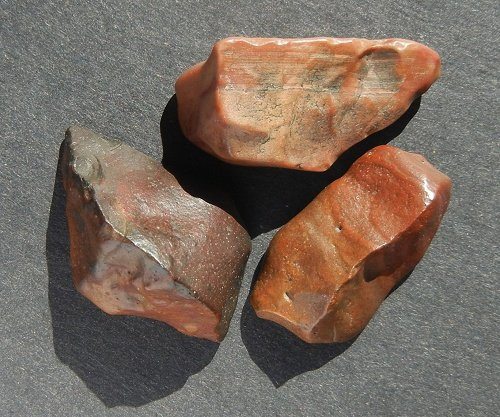
These rocks were made smooth by wind blowing smaller rock particles across their surface. This is an example of:
ice wedging
chemical weathering
acid rain
abrasion

These rocks were broken apart from the continuous freeze/thaw of water in the cracks of the rocks. This is an example of:
ice wedging
acid rain
permeability
abrasion
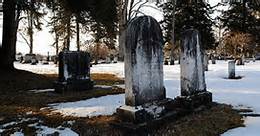
These gravestones have slowly broken down and turned a blackish color due to the action of:
ice wedging
abrasion
acid rain
mechanical weathering
A metal statue slowly turning green after years of being outside is an example of:
mechanical weathering
chemical weathering
A piece of sandstone changing color (from brown to rusty red) from exposure to water and air is an example of:
mechanical weathering
chemical weathering
Lichens (small green plants) growing on a large boulder release enzymes and other acids that slowly break the rock apart. This is an example of:
mechanical weathering
chemical weathering
Plants produce weak acid that slowly dissolve rock that surrounds roots
Chemical
Mechanical
Ground breaks away by animals burrowing
Chemical
Physical
Rock is physically broken down into smaller pieces by processes such as freezing and thawing, release of pressure, plant growth, actions of animals and abrasion.
Chemical Weathering
Physical Weathering
How does freezing water cause the weathering of rocks? The freezing water—
keeps the rocks in place
makes the rocks last longer
expands cracks and breaks rocks
causes rocks to fall in landslides
Rust that forms on rocks or metal because of extended exposure to oxygen is what example of chemical weathering?
carbonation
acid precipitation
oxidation
Rocks along a riverbed that are smoothed from continuously moving water and sediment rubbing against them is an example of:
physical weathering
chemical weathering
Weathering causes rocks and minerals to break into smaller pieces. Which event is the best example of weathering?
a raindrop splashing in a lake
a snowball rolling down a mountain
a tree root growing into the crack of a rock
Expansion of rock caused by heating and cooling.
Temperature change
Frost action
Exfoliation
Thermation
Burrows allow air and water to reach bedrock.
Plant action
Exfoliation
Mass movement
Animal Action
Roots pry rocks apart.
Plant action
Animal action
Frost action
temperature change
The natural chemical or physical processes that breaks down rock on Earth's surface.
weathering
erosion
deposition
jackhammering
This type of weathering occurs when rocks weaken then break down due to chemical changes in the composition of the rock.
mechanical weathering
chemical weathering
erosion weathering
deposition
How is mechanical weathering different from chemical weathering?
Chemical weathering happens over much shorter time frame than mechanical weathering.
Chemical weathering changes the chemical composition of rocks; mechanical weathering does not.
Chemical weathering occurs only in tropical climates; mechanical weathering occurs only in cool climates.
Chemical weathering occurs only in the mountains; mechanical weathering occurs only on flat land.

Agents of physical weathering include (choose all that apply).
climate change
temperature/
pressure changes
conduction/
convection
plant/animal actions
water/wind/
gravity

What is is the breakdown of rock material by physical and chemical processes?
erosion
chemical weathering
physical weathering
weathering

What is another term for mechanical weathering?
chemical weathering
physical weathering
eroding weathering
climate
•Agents of physical weathering that can cause abrasion are ....(choose all that count).
water
oxygen
wind
gravity

Which rock layer is MOST resistant to weathering?
A
B
C
D
Which rock layer is LEAST resistant to weathering?
A
B
C
D
Which rock samples have undergone abrasion in water for the longest period of time?


Fallen plant leaves help break down rocks as they -
Release or leach acids as they decompose
Get into cracks, expand, and make the cracks wider
Scratch and wear away the surface of rocks

Plant roots conduct -
Physical weathering
Chemical weathering
Both physical AND chemical weathering
Carbonic acid is formed in nature when -
Water dissolves particles of soil to form mud
The oxygen molecules in water bond with minerals in rocks
Water bonds with carbon dioxide in the air and/or soil

Lichens are -
Specialized plants
Flat, crusty mushrooms
A fungus living together with an algae or a bacteria
An example of physical weathering is -
Plant roots and leaves releasing acids
Carbonic acid dissolving limestone
Large temperature changes
Lichens growing on rocks
An example of chemical weathering is -
Ice wedging
Oxidation
Animals burrowing
Crashing waves
Weathering is the process of -
Moving sediment from one place to another
Dropping or leaving sediment in a location
Breaking down rocks into sediment
What is the breaking down of a substance by a chemical reaction with water?
Carbonation
Hydrolysis
Oxidation
Hydration
What is a chemical change in which a substance combines with oxygen?
Carbonation
Oxidation
Dissolution
Transportation
What is the process in which carbon dioxide from the atmosphere or soil dissolves in water to form carbonic acid?
Hydrolysis
Oxidation
Carbonation
Cementation
Which of these is chemical weathering?
Rocks are split by water freezing in cracks.
Soil is washed from the side of a mountain by rain.
Rocks rolling and hitting against each other in a stream break apart.
Limestone statues are worn away by rain.
How does climate affect chemical and physical weathering?
Physical weathering occurs more rapidly in warm, wet climates, and chemical weathering occurs more rapidly in cold climates.
Chemical weathering occurs more rapidly in warm, wet climates, and physical weathering occurs more rapidly in cold climates.
Chemical weathering occurs more rapidly in dry climates and physical weathering occurs more in windy climates.
Chemical and physical weathering occur more rapidly in warm, wet climates.
How is surface area related to chemical weathering?
Decreased surface area allows for more interactions of rocks with water and oxygen.
Increased surface area allows for more interactions of rocks with plants and animals.
Increased surface area allows for more interactions of rocks with water and oxygen.
Decreased surface area allows for more ice wedging.


Which statement best explains why this process results in weathering?
What is the main difference between weathering and erosion?
A) Weathering involves the movement of rocks, while erosion does not
B) Erosion involves the chemical breakdown of rocks, while weathering does not
C) Weathering is the breakdown of rocks, while erosion is the movement of weathered material
D) There is no difference; they are the same process
What is abrasion?
A) The grinding away of rock by other rock particles carried in water, ice, or wind
B) The chemical reaction between water and rock
C) The expansion of water when it freezes in cracks of rocks
D) The process of rocks breaking down into soil
How does water contribute to physical weathering?
A) By dissolving minerals in rocks
B) By causing oxidation
C) By freezing and expanding in cracks of rocks
D) By carrying away weathered materials
What is the role of animals in the weathering process?
A) Animals have no role in weathering
B) Animals can contribute to physical weathering by burrowing
C) Animals increase chemical weathering by emitting carbon dioxide
D) Animals prevent weathering by covering rocks
How does water contribute to physical weathering?
By dissolving minerals in rocks
By causing oxidation
By freezing and expanding in cracks of rocks
By carrying away weathered materials
How does the presence of soil affect weathering?
Soil protects rocks from weathering
Soil has no effect on weathering
Soil can accelerate weathering by retaining moisture
Soil decreases chemical weathering

This image shows water expanding as it freezes in cracks in rock. This is known as ice wedging. It is a (a) force and a form of (b) weathering and erosion.

Acid rain is a form of (a)
Match
The lifting of rock or soil by the expansion of freezing water.
frost heaving
A process which removes overlying layers (they peel like layers of an onion).
exfoliation
The grinding away of rock by other rock particles carried in water, ice, or wind (such as river rock)
abrasion
The splitting of rock when ice freezes /unfreezes repeatedly
frost wedging
Match
______ is gravity pulling soil down the slope of a hill
earth flow
a slide of large masses of snow and ice and mud down a mountain
avalanche
moraines are piles of rocks and soil deposited by a ___ .
glacier
Match the following:
The process of breaking down Earth's material over time.
Weathering
The process of removing and depositing Earth's material elsewhere over time.
Erosion
The process of depositing rich sediments in an area.
Soil Build-Up
The process of removing rich sediments from an area.
Soil Erosion
The height of the land above sea level.
Elevation
Match the following Chemical Weathering Processes

Acid Water Production

Calcite Dissolution

Hydrolysis

Hydration

Oxidation
Match the following Chemical Weathering Examples
The formation of iron oxides on metal surfaces due to reactions with oxygen and moisture, weakening the material over time.
Rust
A process where minerals react with oxygen, causing elements like iron to form oxides, leading to the breakdown of rocks.
Oxidation
Water reacts with minerals, particularly silicates, causing them to decompose and form new minerals like clay, altering the rock’s structure.
Hydrolysis
Carbon dioxide in rainwater forms carbonic acid, which reacts with minerals like calcium carbonate in limestone, dissolving and eroding the rock.
Carbonation
Match the following Chemical Weathering Examples
Increased acidity in water, often from pollution, accelerates the chemical breakdown of minerals, leading to faster weathering of rocks.
Acidification
Organic acids produced by plants and microbes bind with metal ions in minerals, facilitating their removal and altering the rock’s composition.
Chelation
The removal of soluble minerals from rock or soil by percolating water, which can lead to nutrient loss and soil degradation.
Leaching
Water molecules chemically combine with minerals, causing expansion and weakening of the rock, eventually leading to its breakdown.
Hyderation
Match the following
The reaction of sulfur compounds with minerals, often from volcanic activity or pollution, leading to the formation of sulfates and rock decomposition.
Sulfurization
Chemical weathering that rounds rock edges and corners, primarily through the penetration of water, creating smooth, spheroid-shaped formations.
Spheroidal
Minerals dissolve in water, especially in the presence of acidic conditions, leading to the gradual disintegration of rocks, such as limestone.
Dissolution
Symbiotic organisms that produce acids, breaking down rocks over time by dissolving minerals and contributing to soil formation.
Lichen

Reorder the following from the first step to the last step in The Hydrolysis Process of Chemical Weathering
Water Penetration: Water enters rock pores and cracks.
Mineral Reaction: Water chemically reacts with minerals in the rock.
New Mineral Formation: New minerals, such as clays, form from the reaction.
Structural Change: The rock’s structure weakens as new minerals expand.
Rock Breakdown: The altered minerals cause the rock to break down gradually.

Reorder the following from the first step to the last step in The Oxidation Process of Chemical Weathering
Oxygen Exposure: Rock surfaces are exposed to atmospheric oxygen.
Oxidation Reaction: Oxygen reacts with iron-bearing minerals.
Rust Formation: Iron oxides, or rust, form on the rock surface.
Color Change: The rock changes color, often to reddish or brownish hues.
Rock Degradation: Rust expands, causing the rock to crumble and weaken.

Reorder the following steps from first to the last in Carbonation Process The of Chemical Weathering
CO2 Dissolution: Carbon dioxide dissolves in rainwater, forming weak carbonic acid.
Acid Penetration: Carbonic acid penetrates rock cracks and pores.
Mineral Reaction: Acid reacts with minerals like calcite in limestone.
Mineral Dissolution: Calcite dissolves, creating voids and weakening the rock.
Rock Surface Alteration: The rock surface becomes pitted and rough as minerals dissolve.

Reorder the following from the first step to the last step in The Dissolution Process of Chemical Weathering
Water Infiltration: Water infiltrates rock through cracks and joints.
Mineral Dissolution: Soluble minerals, such as halite and gypsum, dissolve in water.
Void Formation: Dissolved minerals leave behind voids and cavities.
Rock Weakening: The rock structure weakens as minerals are removed.
Landscape Change: Extensive dissolution alters the landscape, forming features like sinkholes.

Reorder the following from the first step to the last step in The Acidification Process of Chemical Weathering
Pollutant Deposition: Acidic pollutants, such as sulfur dioxide and nitrogen oxides, settle on rocks.
Acid Formation: Pollutants form acidic solutions when mixed with water.
Acid Reaction: Acids react with minerals in the rock, particularly carbonates.
Mineral Breakdown: Acidic reactions accelerate the breakdown of rock minerals.
Surface Degradation: The rock surface becomes etched and pitted, leading to further disintegration.
Match the following
Caused by plants or animals (example: molehill)
Biological Weathering
Materials are forcefully broken down into smaller pieces (example: sandstorm)
Mechanical Weathering
Changes in the atoms or molecules (example: rust)
Chemical Weathering
Mechanical (or physical) weathering changes what in a rock?
Chemical Composition
Size and Shape
Rock type (example: sedimentary rock turns into igneous or metamorphic, etc)
Rock Name
True of False: The more exposed a rock is (higher surface area), the slower it weathers.
True
False
What factors affect the rate of weathering (select all that apply)?
Rock Composition
Surface Area
Climate
Fractures and Joints
Human and Animal Activity
In what kind of climate does weathering happen at the quickest rate?
Hot, dry climates
Warm, humid climates
Very cold climates
Climates that have alternating periods of hot and cold
True or False: The surface area of a rock can affect its rate of weathering.
True
False
Abrasion is the grinding and wearing away of rock surfaces through which actions (select all that apply)?
Gravity
Wind
Chemical Reaction
Running Water
Animal Activity
(a) is the process of breaking down materials.

(a) storms are a from of (b) (c) because it moves earth materials
What are these?

Chemical weathering

organic weathering

physical weathering
Match the following

glacial erosion

water erosion

wind erosion

Gravity erosion land slide

What process created this? (a) weathering

(a) form at the end of (b) where (c) materials drop out of suspension is a form of (d) .
Label the stages
weathering
erosion
deposition

What type of erosion do you think this is? Explain why you picked it.

What process is happening in the image? Explain why you chose your process.
vinegar reacts with chalk which creates bubbles of CO2
a rock cracks at night when the temp drops below freezing
windblown sand carving a stone arch
a glacier is MOVING a boulder that's trapped in ice
a mudflow is SLIDING DOWN the side of a mountain
a pile of sediment is dropped at the end of a glacier
a rock formation grows down from the ceiling in an underground cave

You find a piece of shale on a hike. What sediments are like to have formed that rock?
Clay, Sand, Matrix
Silt, Clay, Calcite
Calcite and shells
Silt and Clay
Where was the shale likely formed?
A desert
A Coral Reef
An ocean
A swamp

You find a piece of sandstone on a hike. What processes are likely to have formed that rock?
Deposition, Pressure, cementation
Deposition, Melting, Cementation
Erosion, pressure, chemical reaction
Erosion, melting, cementation

You find a piece of limestone on a hike. What substances are likely to have formed that rock?
Clay, sand, matrix
Silt, clay, calcite
Calcite
Silt, Clay

Sediments in a basin will _________.
mix with older layers
form flat layers on top of other sediment layers.
form flat layers below other sediment layers.
form curved layers on top of other sediments.

What does Uniformitarianism mean?
Deposition occurs faster today than it did in ancient environments.
Rocks are formed by the same processes today as in the past.
The same geological processes we observe Weathering and erosion can be fast or slow, depending on the type of rock.
the geological processes we observe today diid not occur in Eath's history.

Of the rock layers listed below, which layer formed first?
Kaibab Limestone
Toroweap Formation
Muav Limestone
Bright Angle Shale.

Why do you think Muav Limestone formed before Redwall Limestone?
Older layers are found on the bottom because they were already there before newer layers formed on top of them.
Older layers are found on the bottom because the sediments in those rocks fall to the bottom faster.
That type of rock forms faster than the other layers.
The sediments for that layer came down the Colorado River first.

What type of earth material do you think you might find below Tapeats Sandstone?
soil
more rocks
sediments
water

How is calcite created?
A chemical reaction between limewater and O2
A chemical reaction between Limewater and CO2
Pressure and Shells in the ocean
Shells and Clay at the bottom of the ocean.

_____________ is when sediment is dropped in a new location.
Break
Chemical weathering
Erosion
Deposition

___________ is small pieces of dirt.
Weathering
Break
Sediment
Deposition
The settling of sediments to the bottom of a lake or river is called
erosion
deposition
weathering
Which factors affect the settling rate of sediments?
CHOOSE ALL CORRECT ANSWERS!
size
shape
density
color


What is the process by which eroded material is dropped called?
erosion
deposition
weathering
What is it called when a stream floods and many layers of deposited sediment forms a flat area?
alluvial fan
beach
floodplain
What is the area of the shoreline called that is made up of material deposited by waves and currents?
delta
beach
shoreline
What is the place where land and a body of water meet?
shoreline
beach
delta
What is it called when a stream flows onto a flat land surface from mountains or hills and forms a fan-shaped deposit on dry land?
delta
alluvial fan
beach

How are canyons formed?
A catastrophic event suddenly created the canyon.
Winds weather and erode the rock into a canyon over thousands of years.
Humans create canyons.
A river erodes the rock into a canyon over thousands of years.
How are coastal ecosystems impacted by weathering, erosion, and deposition?
Frequent landslides prevent humans from using the land.
Coastal winds deposit sediment and create sand dunes.
Excess soil erosion destroys the habitats of organisms.
Large rock formations slowly erode over time.
How do plants most commonly break large rocks into smaller pieces?
Seeds from plants fall onto rocks and release acidic compounds.
Plant roots grow into cracks in rocks.
Stems of plants surround and squeeze rocks.
Plant protects surrounding rocks from extreme temperatures.
Which of the following is the most important factor in erosion (transportation) of soil?
none of the choices
wind
glaciers
water

What causes the greatest erosion effect on our beaches?
Waves
Gravity
Glaciers
Wind

Select the area on the stream table were DEPOSITION is occurring.
Choose the arrow(s) that represent WEATHERING AND EROSION.

This word describes the CARRYING AWAY of sediment and soil by water, wind, and gravity
(a)
erosion
weathering
diverge
igneous

An enormous mass of ice moving over land, causing weathering of rock and soil is called a (a) .
A glacier
An iceberg
An ice wedge
A sand dune
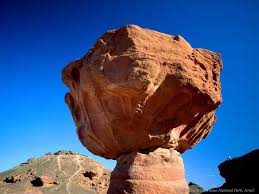
Match the following processes with their definitions.

Breaking down rocks and land by gravity, wind, & plants.

Breaking down rocks and land by dissolving, oxidation, & carbonation

Moving rocks & sediment to a new location.

Dropping rocks & sediment in new locations
Click on the landform(S) created by WIND
Label the image
Weathering
Erosion
Compaction
Label the correct locations of
Deposition
Erosion
Weathering
Deposition
Erosion
Weathering

Fill in the blanks for this statment describing what might have happened to this rock: The (a) and sand have (b) this rock. When the tide comes up, the water crashes against the rock, breaking it up. Then the ocean waves carrying the weathered pieces away due to (c) . During this long period of erosion, the pieces of sand were (d) somewhere else. They might be farther down the seashore now on a beach.
water
weathered
erosion
deposited

Match the term to the definition:
Weathering
Breaking rock
Erosion
Moving rock
Deposition
dropping off, building up rock
Match the following Chemical Weathering in Geography
Rainwater and groundwater seep into rock cracks and pores, starting the weathering process.
Water Absorption
Water interacts with minerals in stainless steel, leading to various chemical reactions such as hydrolysis, oxidation, carbonation, and dissolution.
Chemical Reactions
The chemical reactions transform original minerals into new minerals, often resulting in softer, weaker substances like clays or oxides.
Mineral Alteration
The formation of new minerals and the removal of original minerals cause the rock structure to weaken, making it more susceptible to physical breakdown.
Structural Weakening
Over time, the weakened rock breaks down into smaller particles and is eventually transported away by erosion, altering the landscape.
Rock Decomposition
Match the following Chemical Weathering Benefits
Breaks down rocks into minerals that form fertile soil, essential for plant growth.
Soil Formation
Releases essential nutrients like potassium, calcium, and magnesium into the soil.
Nutrient Release
Helps regulate atmospheric CO2 levels through the carbonation process.
Carbon Dioxide Regulation
Contributes to the formation of unique landforms like caves, karst landscapes, and alters metamorphic rocks.
Landscape Shaping
Improves water quality by breaking down harmful minerals and releasing beneficial ions.
Water Filtration
Match the following Questions and Answers about Chemical Weathering
How does hydrolysis contribute to chemical weathering?
Hydrolysis involves water reacting with
What role does oxidation play in chemical weathering?
Oxidation occurs when minerals react wit
How does carbonation affect rocks?
Carbonation involves carbonic acid disso
What is dissolution in chemical weathering?
Dissolution is when water dissolves solu
How does acid rain influence chemical weathering?
Acid rain accelerates chemical reactions
Match the following Questions and Answers about Chemical Weathering
What minerals are most affected by hydrolysis?
Silicate minerals like feldspar are comm
What happens during the oxidation of iron-rich rocks?
Iron-rich rocks form rust, weakening the
How does carbonation lead to the formation of caves?
Carbonation dissolves limestone, creatin
Why is chemical weathering important in soil formation?
Chemical weathering breaks down rocks in
What are the main agents of chemical weathering?
Water, oxygen, carbon dioxide, and acids
Label the geological formations visible in the cross-section. Drag the label to the number that it represents.

