
 Worksheets
STIs and Contraception Quiz 11/26/25
Total questions: 25
Worksheet time: 13mins

An STI or STD is___________________________.
An infection spread through sexual contact during activities involving body parts or fluids
A genetic condition passed only from parents to children
A type of illness caused by eating spoiled food
A temporary mood change that is not related to infection

What can cause sexually transmitted infections (STIs/STDs)?
Viruses, bacteria, or parasites
Seasonal allergies from pollen
Minor injuries from sports
Stress and emotions alone
Why is it important to learn about STIs/STDs? Select all that apply.
Protect your health by helping you avoid getting sick
Prevent spreading infections by increasing awareness
Make smart choices by understanding risks
Know when to get help by recognizing signs
Which statement is TRUE about STIs/STDs and care?
Some can be prevented or treated with the right care
All are untreatable and permanent
They are caused only by bacteria, never viruses or parasites
Only adults can get them

What is contraception (or birth control) ?
A method or device that helps prevent pregnancy
A medicine that cures all sexually transmitted infections
A type of exercise intended to improve heart health
A diet plan designed to boost energy
What additional benefit do some types of contraception provide?
They help reduce the risk of sexually transmitted infections (STIs)
They guarantee that pregnancy can never occur
They permanently change hormone levels after one use
They increase the chance of pregnancy if used often
Which contraceptive method includes the note "Must be used correctly every time"?
Condoms (male/female)
Birth Control Pills
IUD (Intrauterine Device)
Emergency Contraception
Based on the Contraception (or Birth Control) table, which method is described in the Notes as Long-term (3–10 years depending on type)?
IUD (Intrauterine Device)
Condoms (male/female)
Implants
Abstinence
In the Contraception (or Birth Control) table, which contraceptive has the note Works for several years?
Implants
Birth Control Pills
Condoms (male/female)
Emergency Contraception
According to the Contraception (or Birth Control) table, when should emergency contraception be used?
As soon as possible after unprotected sex
Only before sex as a preventive measure
Several weeks after unprotected sex
Only if a condom breaks much later

From the Contraception (or Birth Control) table, which methods protect against STIs? Select all that apply.
Condoms (male/female)
Birth Control Pills
IUD (Intrauterine Device)
Abstinence
According to the column labeled What is it?, chlamydia is best described as a very common sexually transmitted infection caused by the bacterium Chlamydia trachomatis. Which choice matches this description?
A viral infection
A very common sexually transmitted infection caused by the bacterium Chlamydia trachomatis
A fungal infection
A genetic condition present at birth
According to the column labeled How is it passed on?, what is identified as the primary way chlamydia is passed on?
Through sexual contact with someone who has the infection
Through coughing and sneezing
Through sharing food or drinks
Through insect bites
According to the column labeled Symptoms, what is highlighted as the most important thing to know about chlamydia symptoms?
Most people who have it experience no symptoms at all
Symptoms are always severe and immediate
Only men show symptoms
Symptoms always appear within one day
Why is regular screening emphasized for sexually active individuals?
Because many infections are silent with no symptoms
To qualify for sports participation
Because tests themselves cure the infection
To avoid getting vaccinations
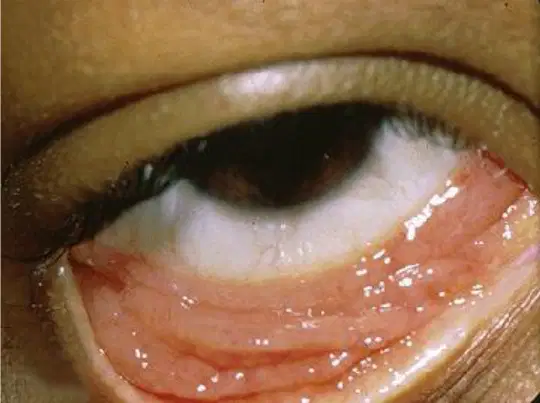
Several clinical photographs on the page show red, inflamed eyelids and conjunctiva. Which body part is shown affected by chlamydia in these images?
Eye
Lung
Skin on the arm
Stomach
Gonorrhea is _______________.
A common sexually transmitted infection
A seasonal flu virus
A type of cancer
A vaccine that prevents STIs
How is gonorrhea primarily passed on according to the worksheet?
Primarily through sexual contact
By sharing food or drinks
Through insect bites
Through airborne droplets when coughing
Which of the following contraceptive methods also helps protect against sexually transmitted infections (STIs)?
Condoms (male/female)
Implants
IUD (Intrauterine Device)
Birth Control Pills
What is a common reason chlamydia often goes undiagnosed in individuals?
It usually causes no noticeable symptoms
It always causes a high fever
It is only present in children
It can only be detected by X-ray
Which action is recommended to reduce the risk of contracting sexually transmitted infections (STIs)?
Drinking more caffeinated beverages
Skipping regular health check-ups
Using condoms consistently and correctly
Sharing personal hygiene items
Which of the following is NOT a method of contraception (birth control)?
Antibiotics
Birth control pills
Condoms
IUD (Intrauterine Device)
What is a common symptom of gonorrhea in many individuals?
Frequent nosebleeds
Sudden hair loss
Severe headaches only
No noticeable symptoms
Which action can help prevent the spread of sexually transmitted infections (STIs)?
Getting tested regularly
Ignoring symptoms
Sharing personal towels
Skipping doctor visits
Which of the following is a key reason to use condoms during sexual activity?
They help prevent both pregnancy and many STIs
They are the only method that guarantees no pregnancy
They must be used only after sexual activity
They are required for all medical check-ups

