
 Worksheets
HLT0366 Final Exam Review
Total questions: 52
Worksheet time: 27mins
Closed questions can be answered with "yes" or "no"
True
False

Body language includes all of the following EXCEPT:
Facial expression
Eye contact
Posture
Tone of voice

While assisting with bathing, a client yells "you're not doing this right!" An effective communication response is:
Deny that you are doing it incorrectly
Tell her "I've done this before, I know I am doing it right."
Leave her in her room and ask a coworker to complete the task for you.
Stay calm and professional

Which of the following is an example of an open-ended question?
Did you eat your breakfast today?
Are you currently experiencing any pain or discomfort?
Can you describe the pain you are experiencing?
Did you have a good sleep last night?
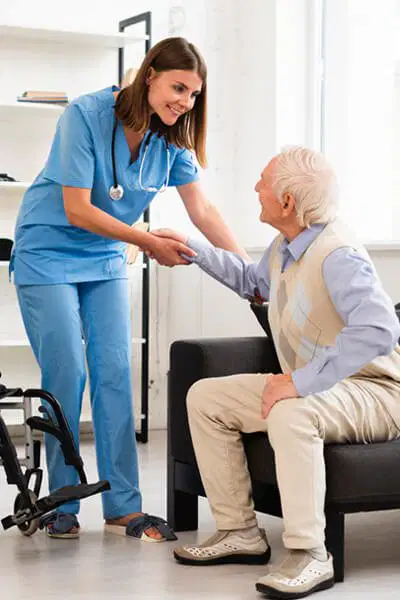
Which of the following is an example of an ADL?
Cooking a meal
Playing a sport
Cleaning your kitchen
Taking a shower

Which of the following is an example of an IADL?
Bathing
Eating
Brushing teeth
Grocery shopping

Which of the following best demonstrates effective verbal communication with a client?
Interrupting the client to finish their sentences
Talking quickly to save time
Using medical language
Speaking clearly and using simple language

If a sterile item touches a clean item, the sterile item is contaminated.
True
False

All of the following are signs and symptoms of a systemic infection EXCEPT:
Itchy/sore scalp
Behavioural changes
Increased heart rate
Chills

Standard Practices are guidelines used to prevent the spread of infection from:
Only people who live high-risk lifestyles
All hair and skin products
Blood
All body fluids, secretions and excretions

Transmission-Based Precautions are used:
For all clients
Depending on how the pathogen is spread
Only when caring for a client with respiratory symptoms
When caring for clients with open wounds
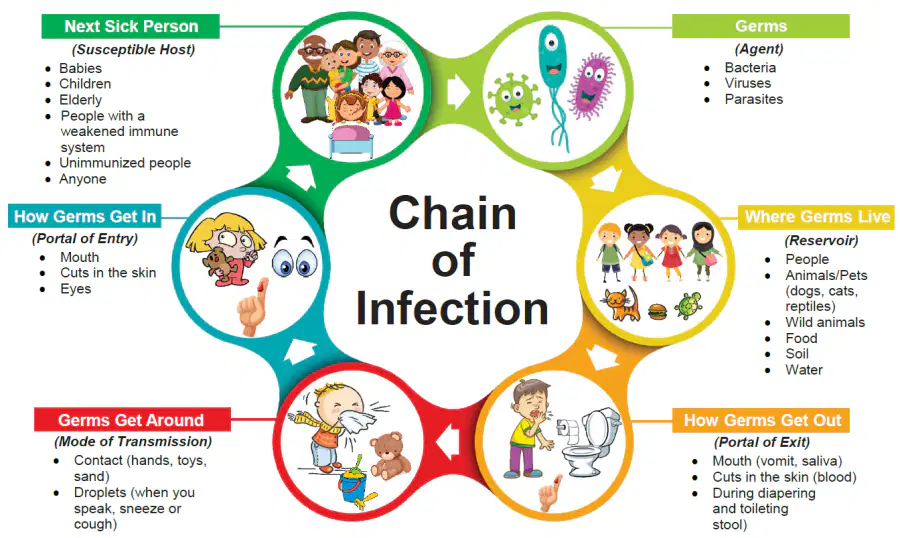
Which of the following aseptic measures will control the portal of entry?
Make sure all clients have their own personal care equipment.
Cover your nose and mouth when coughing or sneezing.
Stay away from immune compromised clients when sick
Make sure drainage tubes are correctly connected.
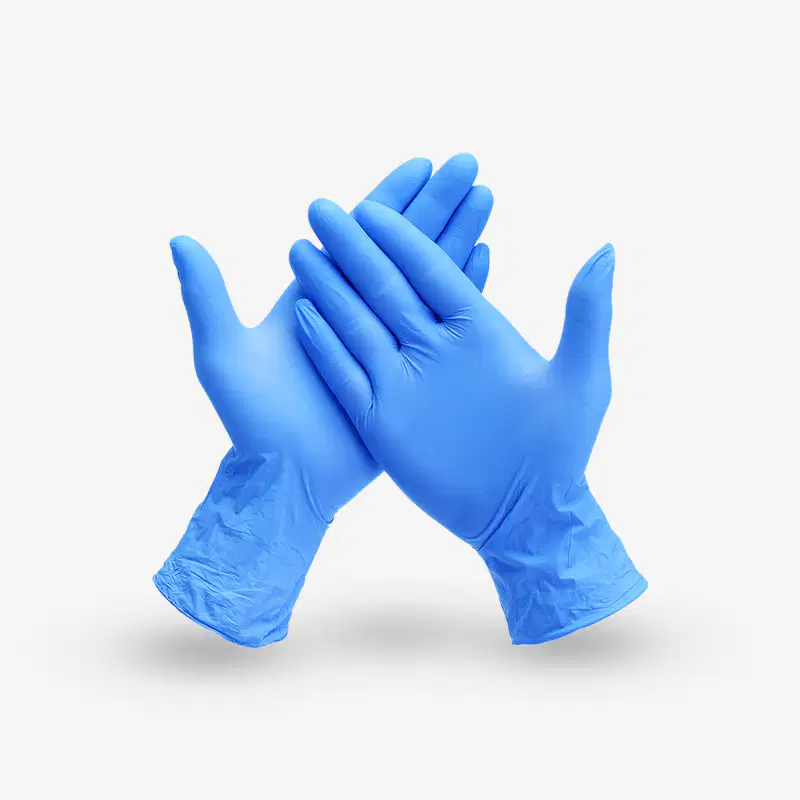
Which practice helps prevent the transmission of infection in healthcare settings?
Wearing gloves when handling body fluids
Sharing personal care items between clients
Ignoring hand hygiene
Using the same towel for multiple clients

Which of the following steps does NOT follow standard practices when changing linens?
Hold linen away from your body
When removing linen, roll it away from you
Wear gloves when handling soiled linen
Heavily soiled linen should be placed on the floor
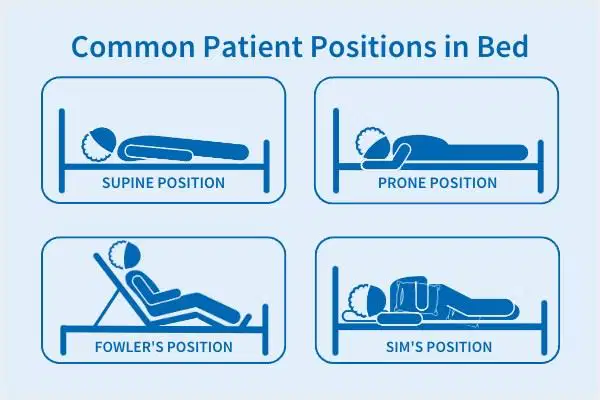
The high-fowlers position is used in order to:
Decrease the clients breathing rate
Reduce the risk of choking while eating
Promote blood circulation
Reduce leg swelling
A client lying in bed or sitting in a chair should be repositioned every 3 to 4 hours.
True
False

When the client is dangling their legs, you should make the following observations EXCEPT:
Pulse and respirations (if instructed to do so)
How quickly they can go from laying flat to sitting up
The length of time the person dangled their legs
Complaints of dizziness, light-headedness or difficulty breathing

Body alignment is:
The same as body mechanics
The base of support
The way the head, trunk and legs are aligned with each other
The area on which an object rests

What should a PSW do first if a resident begins to fall while walking?
Try to hold the resident up completely
Gently lower the resident to the floor
Leave the resident to get help
Ask the resident to stand up straight
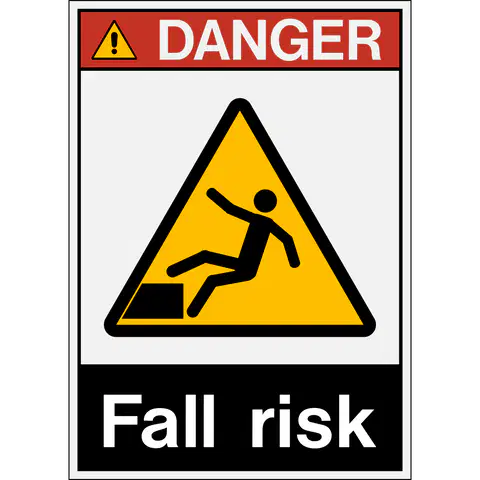
Which of the following is NOT a common cause of falls in healthcare facilities?
Wet floors
Cluttered walkways
Properly fitted shoes
Poor lighting

When should bed alarms or chair alarms be used for residents?
Only at night
When a resident is at risk of falling
For all residents
Only during meal times

Which of the following is the best way to help prevent falls in a resident’s room?
Keep the bed in the highest position
Keep personal items within reach
Turn off all lights
Place furniture in the middle of the room
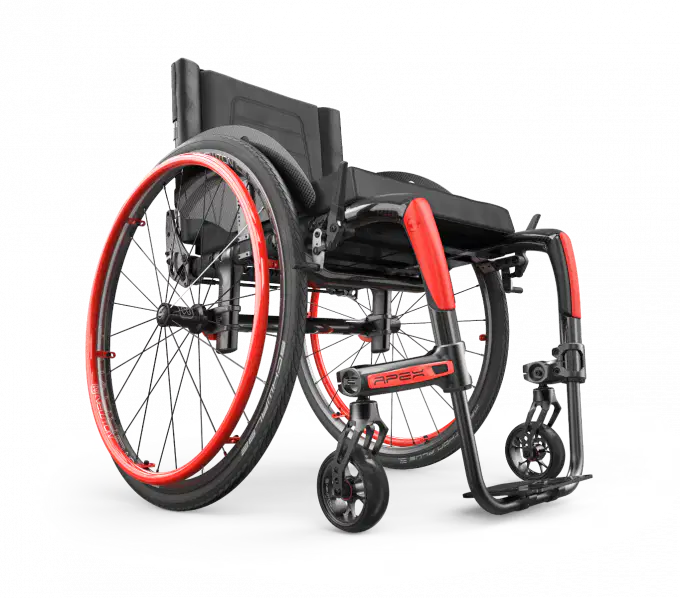
Which of the following should a PSW do before helping a resident stand up from a wheelchair?
Remove the footrests and lock the wheels
Push the wheelchair away
Ask the resident to stand up quickly
Leave the resident alone
A client with diabetes will retain salt in the body:
True
False

Mrs. Brazeau has slid down in bed. Her skin sticks to the bed while her muscles move down. This is which type of injury?
Friction
Abrasion
Bed sore
Shearing

Mr. Samuel has less strength on his left side. Where should you position his wheelchair when assisting him to get out of bed?
At the foot of the bed
Next to the bed on the right
Next to the bed on the left
At the head of the bed

Which of the following is the correct way to wash the perineal area?
Wash from anal area to urethra
Wash in a circular motion from the outside to inside
Wash from urethra to anal area
Wash the entire area several times
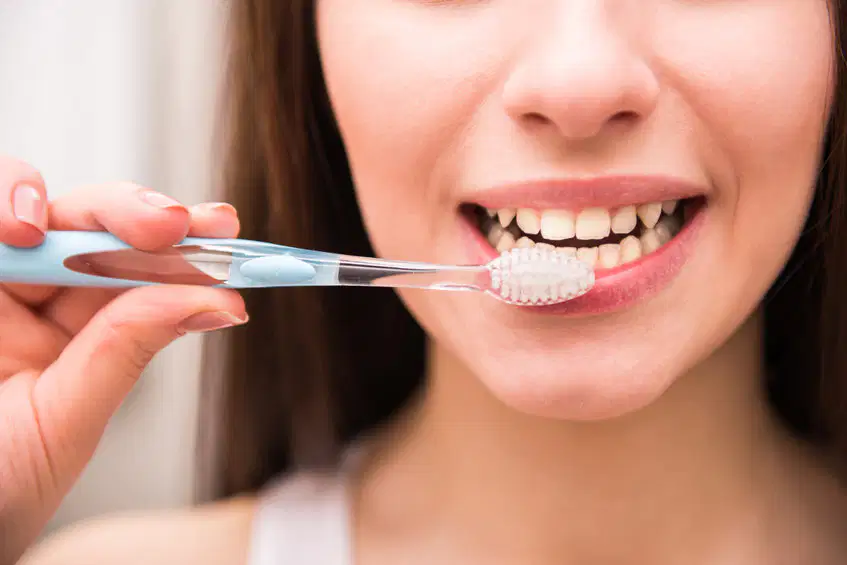
When assisting with oral hygiene, why should you wear gloves?
You will have contact with mucous membranes
The gums may bleed
There may be harmful bacteria (pathogens) in the mouth
All the above

What is allowed for a client with an NPO order?
No food or fluids
Ice chips
No restrictions
Thickened fluids
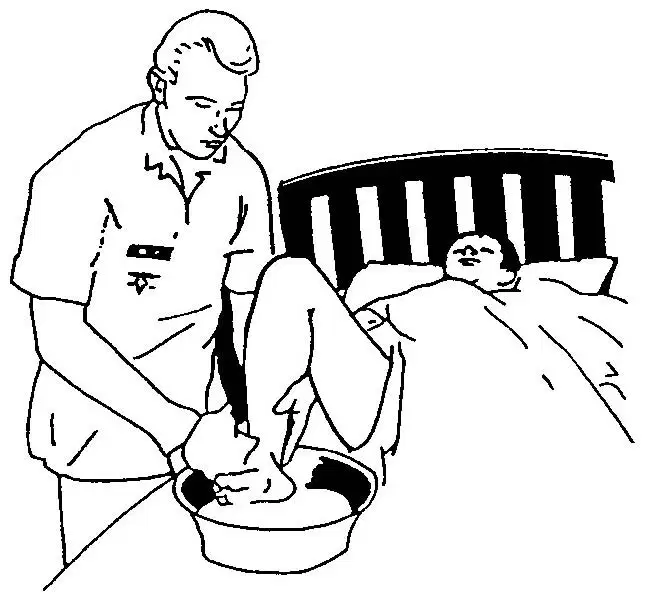
When assisting a client with a partial bath, the PSW knows to wash the following body parts:
Face, hands, axilla, back, perineal area
Face, abdomen, back, perineal area
Face, hands, perineal area
Every body part, including hair
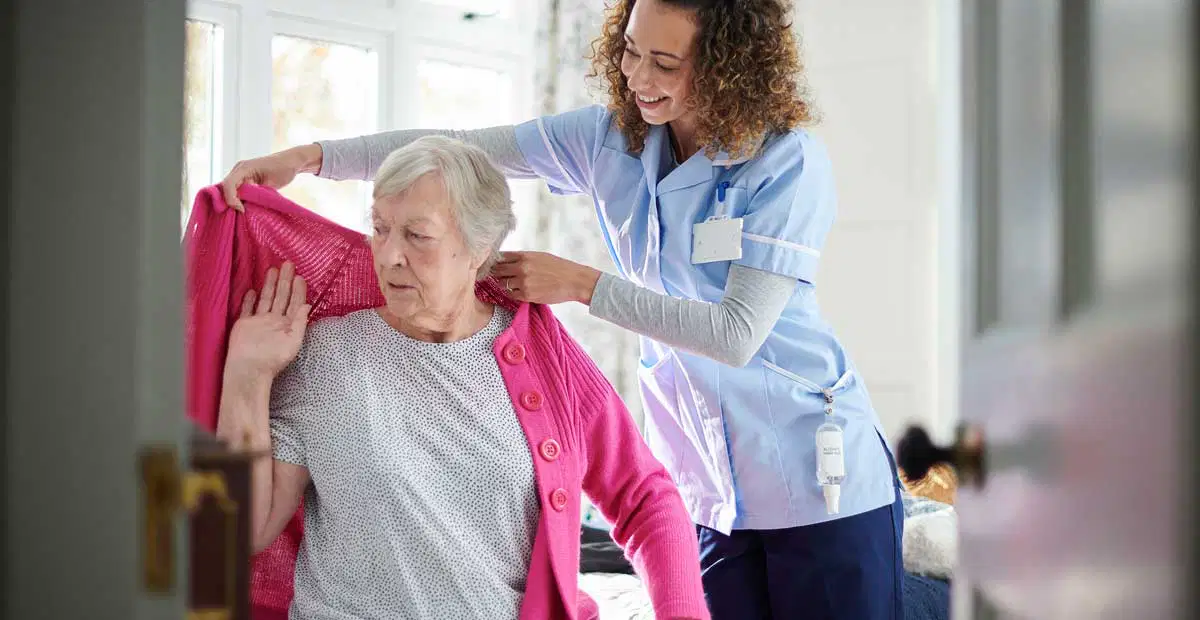
Which of these statements is correct about dressing or undressing a client?
Remove clothing from the affected side first
Put clothing on the affected side first
Put clothing on the unaffected side first
Remove clothing from the farthest side away from you first
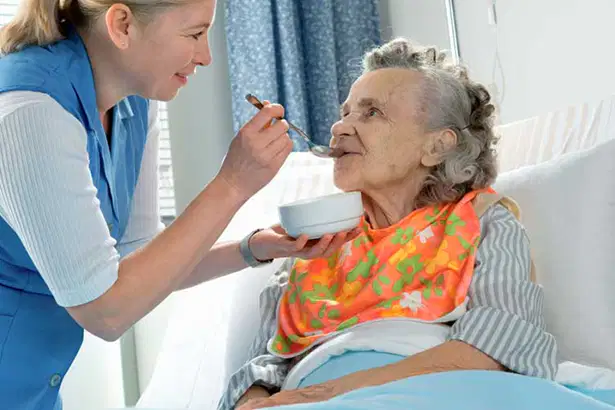
Select a statement that best describes dysphagia
Dysphagia is a symptom characterised by difficult swallowing
Dysphagia is a symptom characterised by painful swallowing
Dysphagia is a sign characterised by pooling of saliva
Dysphagia is a sign characterised by tenderness at the throat upon swallowing

How can caregivers modify the texture or consistency of foods to make them easier to swallow for older adults with dysphagia?
Pureeing or mashing foods
Adding thickeners to liquids
Chopping or grinding foods
All of the above
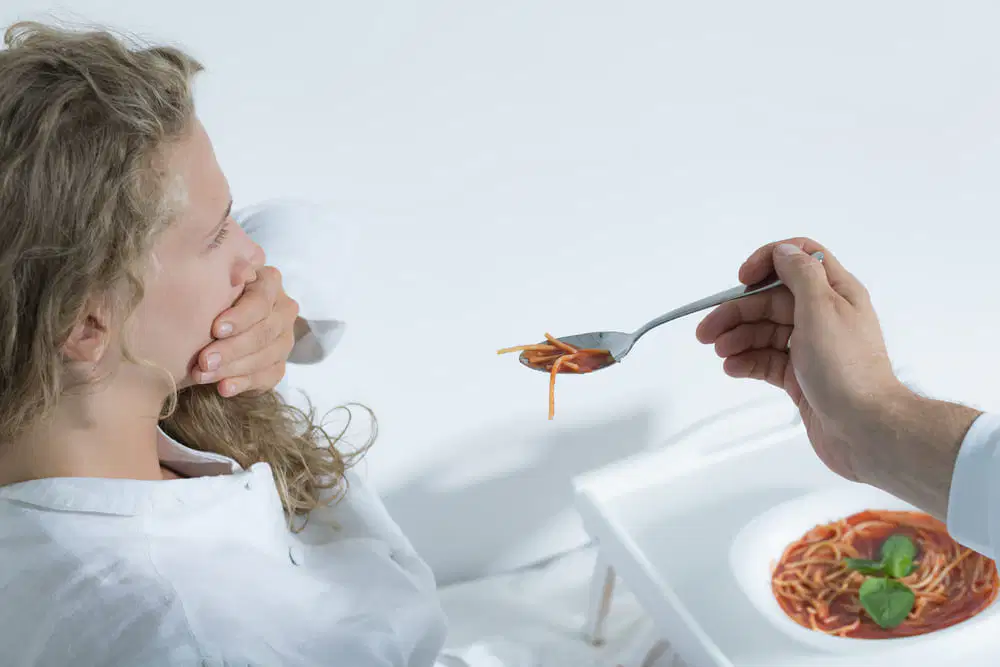
How can caregivers encourage older adults to maintain their independence during mealtimes?
Providing assistance with utensils or feeding as needed
Allowing the individual to self-feed as much as possible
Encouraging use of adaptive devices such as weighted utensils or cups with lids
All of the above

When assisting with normal elimination, you should practice surgical asepsis and Standard Practices.
True
False
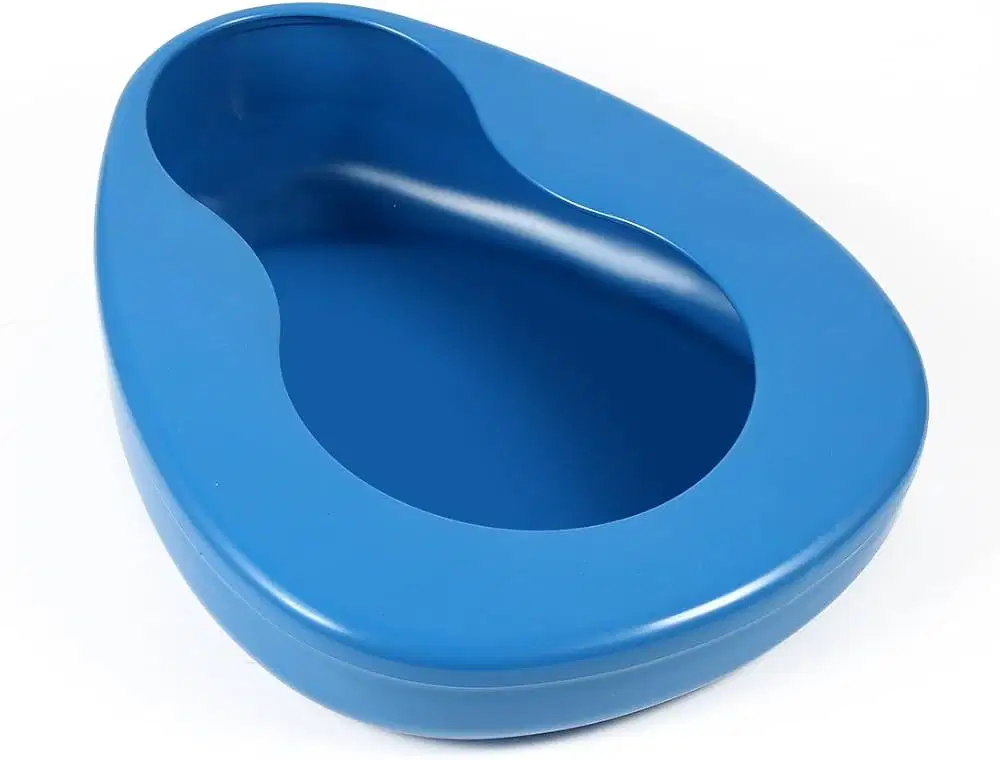
Why is voiding in a bedside commode easier than voiding in a bedpan?
It allows for a more normal position for elimination.
It allows the bladder to empty completely
It is more comfortable
All the above

What instruction will the nurse likely give if a client has diarrhea or loose stools?
Withhold all fluid
Encourage the client to eat as little as possible
Give the client plenty to drink
Encourage the client to eat food high in fibrebristosnbbr
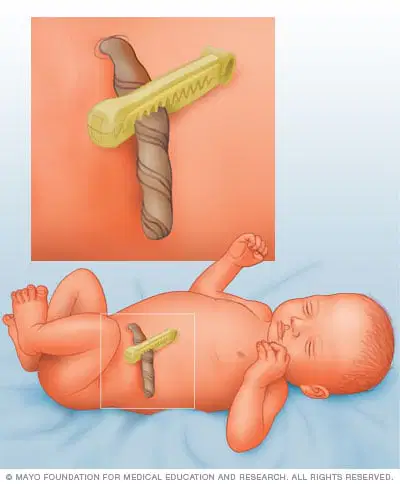
The cord stump dries up and falls off in 7 to 10 days.
True
False

Which of the following concerns should the mother discuss immediately with her doctor or nurse practitioner?
The baby “spits up” during burping.
The baby’s bowel movement consists of hard, formed stool.
The baby’s cord stump is dry.
The baby stops crying when she is picked up and cuddled.infant

What stage of needs on the hierarchy are the most basic? Necessary for survival!
Love and Belonging
Safety and Security
Physical
Self-Actualization
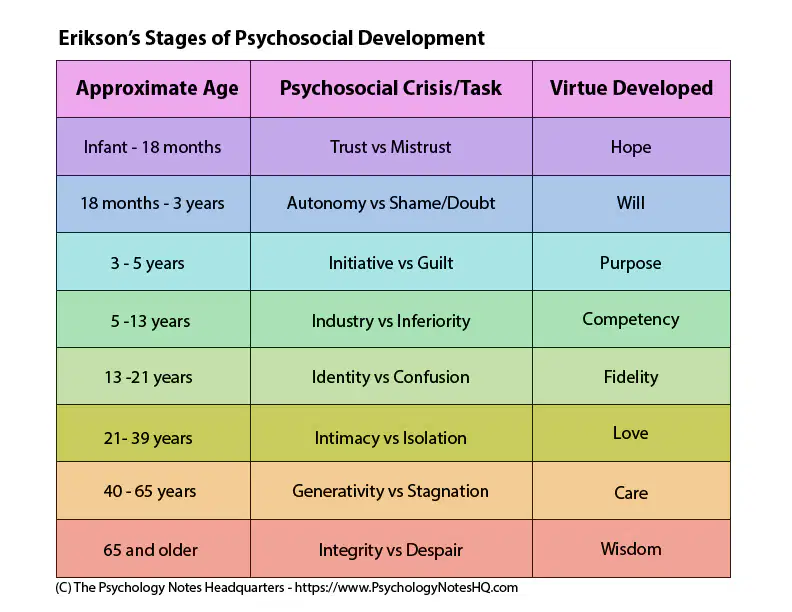
Who developed the "Stages of Psychosocial Development"?
Sigmund Freud
Jean Piaget
Erik Erikson
Lawrence Kohlberg
What is the first step a healthcare worker should take when conducting a risk assessment in the community?
Implementing safety measures
Reporting findings to the local health department
Educating the client about health risks
Identifying potential hazards and risks

The following are risk assessment examples EXCEPT
Use of restraints
Falls
Infestations
Respiratory infection
Document what you or others did or observed.
True
False
1. SOAP refers to
a. A method of documentation used in medical records
b. A procedure for making medical appointments
c. A bookkeeping system used in medical offices
d. A filing system used in medical offices

1. SOAP refers to
a. A method of documentation used in medical records
b. A procedure for making medical appointments
c. A bookkeeping system used in medical offices
d. A filing system used in medical offices
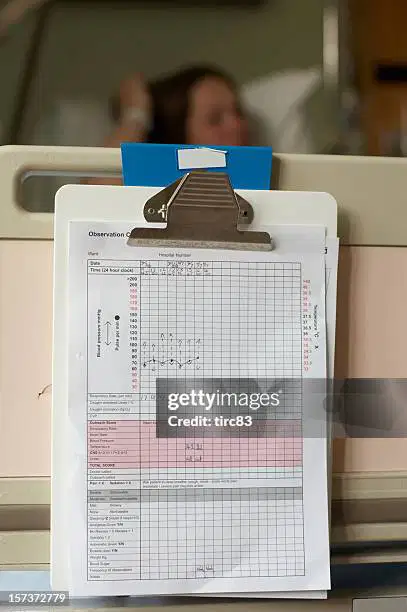
4. Generally, if information is not documented
a. It is not important
b. It cannot be proven that an event or procedure took place
c. Malpractice will occur
d. It is illegal

What is the proper medical term for blood in the urine?
Hematuria
Dysuria
Oliguria
Red urine

Which of the following best describes the primary goal of person-centered care (PCC)?
To ensure that healthcare providers follow strict protocols
To prioritize the financial efficacy of healthcare
To tailor healthcare services to meet the individual needs and preferences
To standardize treatment for all clients

Which of the following is an example of objective date gathered by the PSW:
The client states "I didn't sleep well"
The client tells you their pain is sharp in their abdomen
The client weighs 70kg
The client has pain 8/10

If you could have any superpower to help you study for exams, which one would you choose?
Ability to instantly memorize everything you read
Power to make textbooks tell you jokes to keep you entertained
The ability to summon snacks and coffee at will
Ability to speed read everything

