
 Worksheets
SCIENCE YEAR 2
Total questions: 138
Worksheet time: 1hrs 14mins
Which of the following is the natural source of water?
Pool
Rain
A pail of water
Ice cream
all of these are the natural sources of water except
Lake
Rain
River
Pool
water flows from ___________area to __________ area
Low,low
Low,high
High,high
High,low

What is the process shown in the diagram?
(a)

At which stage does the water vapour turn to cloud?
1
2
3
4

Water turns to water vapour at _______________ stage
3
2
4
1
Which of the following need oxygen?
Human
Bees
Frog
Cow
wind does not help our cloth to dry faster
True
False
What is the benefit of strong wind?
Storm
Tornado
Moving yatch
strong wind can cause harms so humans such as
Dry cloth faster
Moving yatch
storm
Move the object

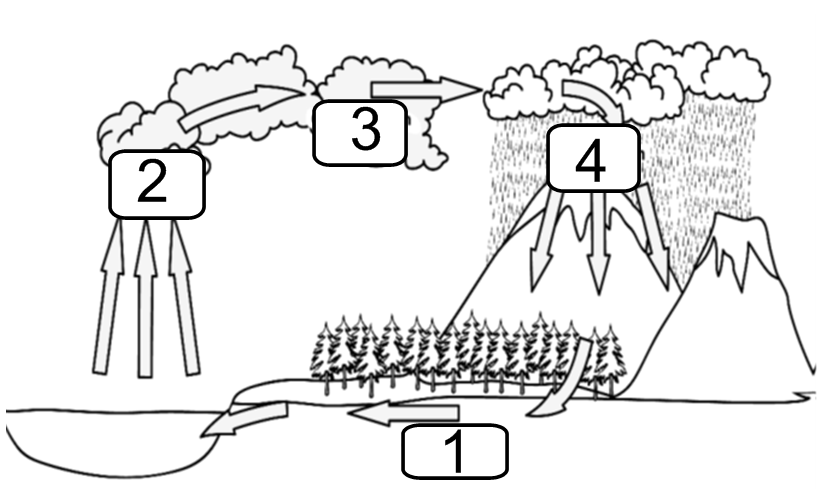


Look the picture given. 1 is representing __________.
Water
Cloud
Water vapour
Rain
Look the picture given. 2 is representing __________.
Water
Cloud
Water vapour
Rain
Look the picture given. 3 is representing __________.
Water
Cloud
Water vapour
Rain
Look the picture given. 4 is representing __________.
River
Cloud
Water vapour
Rain
Sea water evaporates into _________ and rise up.
Rivers
Clouds
Water vapour
Rain
Water droplets form the _________ in the sky.
Rivers
Clouds
Water vapour
Rain
Clouds become heavy and fall as ________.
Rivers
Clouds
Water vapour
Rain
Rain water flows back into ___________ and seas.
Rivers
Clouds
Water vapour
Rain

The diagram above shows a natural process. What is the process?
Water flow sequence
Natural water source
Natural water cycle
Natural water cycle is a continuous cycle that supplies water to living things and to cool down the Earth.
True
False
Look the picture given. 4 is representing __________.
River
Cloud
Water vapour
Rain
Sea water evaporates into _________ and rise up.
Rivers
Clouds
Water vapour
Rain
Clouds become heavy and fall as ________.
Rivers
Clouds
Water vapour
Rain
Rain water flows back into ___________ and seas.
Rivers
Clouds
Water vapour
Rain
The diagram above shows a natural process. What is the process?
Water flow sequence
Natural water source
Natural water cycle
Natural water cycle is a continuous cycle that supplies water to living things and to cool down the Earth.
True
False

Living things need air to _________________.
cooling down
breathe
get energy

What is moving air?
The gas
The wind
The water vapour

Air consist of gases such as _______ and ___________ .
carbon dioxide
wind
oxygen

The diagram above shows a natural source of water. What is the natural source of water?
Rain
Sea
Waterfall

The diagram above shows a natural source of water. What is the natural source of water?
River
Lake
Spring
Which of the following is NOT the natural source of water?


What is the natural flow of water?
The water flows from lower areas to higher areas.
The water flows from higher areas to lower areas.
The water flows in the same position.
The diagram above shows a natural process. What is the process?
Water flow sequence
Natural water source
Natural water cycle

Should action such as in the picture above be done?
Should be done
Should not be done
If the natural water cycle disturbed, what will happen?
Living things in the water will die.
Living things in the water will live.
Which of the following diagram shows the roles of human in maintaining the clean sources and flow of water?


Choose the correct natural source of water according to the picture.
lake
rain
river
spring

Choose the correct natural source of water according to the picture.
lake
rain
river
spring

Choose the correct natural source of water according to the picture.
lake
rain
river
spring
Choose correct answer for the statement given.
A large part of the earth's surface that is covered with salt water.
sea
rain
spring
lake
Choose correct answer for the statement given.
Water droplets that fall to the earth from clouds.
sea
rain
spring
lake

The picture shows that water flow from high place to low place
True
False

Natural sources of water can be made by human.
True
False
The diagram above shows a natural process. What is the process?
Water flow sequence
Natural water source
Natural water cycle
Natural water cycle is a continuous cycle that supplies water to living things and to cool down the Earth.
True
False
Look the picture given. 1 is representing __________.
Water
Cloud
Water vapour
Rain
Look the picture given. 2 is representing __________.
Water
Cloud
Water vapour
Rain
Look the picture given. 3 is representing __________.
Water
Cloud
Water vapour
Rain
Look the picture given. 4 is representing __________.
River
Cloud
Water vapour
Rain
Sea water evaporates into _________ and rise up.
Rivers
Clouds
Water vapour
Rain
Clouds become heavy and fall as ________.
Rivers
Clouds
Water vapour
Rain

The diagram above shows a natural source of water. What is the natural source of water?
River
Lake
Spring
The diagram above shows a natural source of water. What is the natural source of water?
River
Lake
Spring
Which of the following is NOT the natural source of water?
What is the natural flow of water?
The water flows from lower areas to higher areas.
The water flows from higher areas to lower areas.
The water flows in the same position.
The diagram above shows a natural process. What is the process?
Water flow sequence
Natural water source
Natural water cycle
What will happen when the water flow disrupted?


Based on the diagram above, what is number 4 ?
Rain
Water vapour
Clouds
Based on the diagram above, what is number 2 ?
Rain
Water vapour
Clouds
Based on the diagram above, what is number 3 ?
Rain
Water vapour
Clouds
Which of the following diagram shows the roles of human in maintaining the clean sources and flow of water?
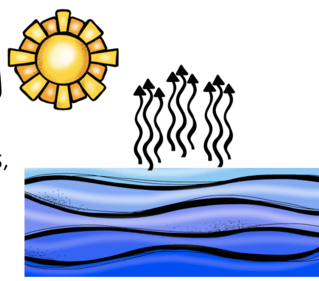

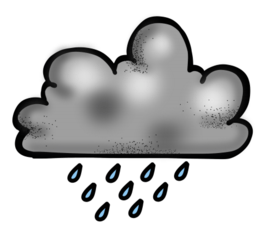
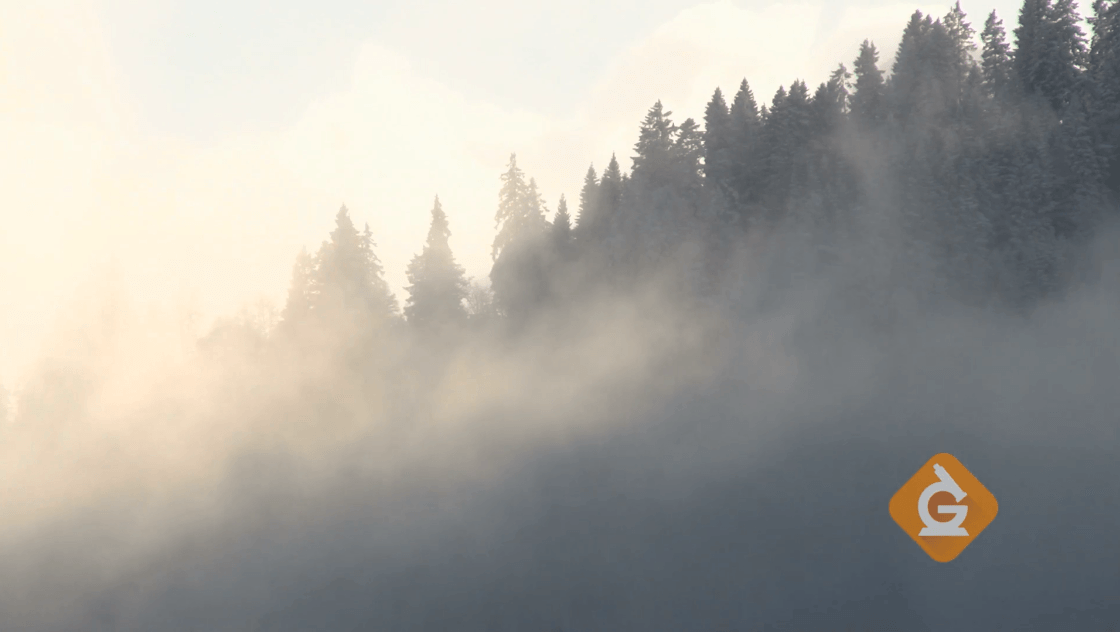
The diagram above shows a natural source of water. What is the natural source of water?
Rain
Sea
Waterfall

The diagram above shows a natural source of water. What is the natural source of water?
Rain
Sea
Waterfall

The diagram above shows a natural source of water. What is the natural source of water?
River
Lake
Spring
The diagram above shows a natural source of water. What is the natural source of water?
River
Lake
Spring
The diagram above shows a natural source of water. What is the natural source of water?
River
Lake
Spring
The diagram above shows a natural process. What is the process?
Water flow sequence
Natural water source
Natural water cycle
Based on the diagram above, what is number 4 ?
Rain
Water vapour
Clouds
Based on the diagram above, what is number 2 ?
Rain
Water vapour
Clouds
Based on the diagram above, what is number 3 ?
Rain
Water vapour
Clouds
Should action such as in the picture above be done?
Should be done
Should not be done

Year 2 Bestari pupils were observing the growth of seedling A. What could be observation X?
The number of leaves has increased
The number of leaves has decreased
The number of leaves remain the same

State the height of the boy.
100 cm
110 cm
120 cm

State the similarity of the following animal group.
Lay eggs
Have sharp teeth
Eat plants only
What is the manipulative skills practiced by Mikayla?
Handle specimens carefully and correctly
Clean science apparatus correctly
Sketch specimens, apparatus and science substances correctly

Ilman accidentally dropped the magnifying glass. What should he do?
Report to the teacher immediately
Pick up the broken pieces using bare hands
Throw away the broken pieces into the bin

We should dispose liquid waste into ... .
waste containers
sink
rubbish bin

Based on the picture, we can conclude that Hakimi experiences change in ... after one year.
height
weight
size

The flow chart shows the stages of human growth. What is X and Y?
X = teenager, Y = child
X = baby, Y = child
X = child, Y = teenager
How does these animal reproduce?
Laying eggs
Giving birth
Cannot reproduce
Choose the correct order of the growth stages of a chicken.
Egg > hatchling > chick > chicken
Egg > chick > hatchling > chicken
Egg > chick > chicken > hatchling

Amirul carried out an experiment to investigate the basic needs of a plant. Choose the CORRECT observation after two weeks.
Plant A will increase in height
Plant B will increase in the number of leaves
Plant C will produce flowers
All of the following are sources of light, EXCEPT ... .
sun
fire
water

Why doesn't Fakhrul's bulb light up?
The switch is closed
The bulb is new
The dry cell lacks of energy

Which of the following objects can light up the bulb?
Rubber
Pencil
Coin
Which component completes and breaks the electric circuit?
bulb holder
switch
connecting wires

Name this separation methods.
magnet attraction
filtration
hand-picking

Choose the BEST observation.
The corn kernels dissolve in the water.
The sugar dissolves in the water.
Both corn kernels and sugar dissolve in the water.

... sized materials dissolved more quickly than ... sized materials.
Big, small
Small, big
Small, small

From this activity, we can say that ... .
Liquid flows from a low place to a high place.
Liquid flows from a high place to a low place.
Liquid flows from a high place to a high place.
Choose the correct sequence of the water cycle.
Water > water vapour > clouds > rain
Water > clouds > rain > water vapour
Water vapour > rain > clouds > water
The diagram above shows a natural source of water. What is the natural source of water?
Rain
Sea
Waterfall
The diagram above shows a natural source of water. What is the natural source of water?
Rain
Sea
Waterfall
The diagram above shows a natural source of water. What is the natural source of water?
River
Lake
Spring
The diagram above shows a natural source of water. What is the natural source of water?
River
Lake
Spring
The diagram above shows a natural source of water. What is the natural source of water?
River
Lake
Spring
Which of the following is NOT the natural source of water?
What is the natural flow of water?
The water flows from lower areas to higher areas.
The water flows from higher areas to lower areas.
The water flows in the same position.
The diagram above shows a natural process. What is the process?
Water flow sequence
Natural water source
Natural water cycle
What will happen when the water flow disrupted?
Based on the diagram above, what is number 4 ?
Rain
Water vapour
Clouds
Based on the diagram above, what is number 2 ?
Rain
Water vapour
Clouds
Based on the diagram above, what is number 3 ?
Rain
Water vapour
Clouds
Should action such as in the picture above be done?
Should be done
Should not be done
If the natural water cycle disturbed, what will happen?
Living things in the water will die.
Living things in the water will live.
Which of the following diagram shows the roles of human in maintaining the clean sources and flow of water?
Fast and strong winds are called _______.
breeze
storm
earthquakes
wind

Look at the pictures below, which common things do they all need?
water
air
sun
thread

Windmills are used to ____________.
pump water
produce electricity
grind grains
all of the above
Which of these activities does NOT need wind?


Which of the following is present in air?
dust
table
chair
fan
All Living things breathe in _______ and breathe out ______.
oxygen, carbon dioxide
carbon dioxide, oxygen
oxygen, nitrogen
nitrogen, carbon dioxide

