
Font size
 Worksheets
Roman State Religion: Rituals of Worship
Total questions: 113
Worksheet time: 57mins
What did Romans mean by pax deorum in their state religion?
Inner peace achieved by private prayer
Peace between Rome and foreign states
Peace with the gods through proper rites
Peace among citizens through law courts
Which best expresses the principle do ut des in Roman religion?
I give so that you give in return
I worship because I fear punishment
I obey laws to protect the city
I sacrifice to cleanse personal sins
Who held responsibility for organizing worship in Roman state religion?
Individual householders and families
Private philosophers and teachers
Itinerant mystery cult leaders
State priests and magistrates
Which statement distinguishes Roman state religion from personal spiritual traditions?
It promised moral salvation to believers
It focused on inner faith and conversion
It offered private comfort and guidance
It prioritized public rites for state welfare
By 200 BC, what outcome was cited as evidence of Rome’s prosperity linked to religion?
Establishment of elected priest-kings
Domination of Italy and victory over Carthage
Conquest of Gaul and Britain fully
Creation of a universal monotheistic creed
Which option best captures the quid pro quo logic of Roman rituals?
Citizens pray silently for inner peace
Exchange of favors between state and gods
Priests renounce wealth for purity
Gods grant favor without expectation
Cicero’s view links Rome’s success to which combination?
Skepticism, private meditation, and chance
Economic planning, secular law, and innovation
Piety, devotion to religion, and divine governance
Military luck, personal charisma, and fate
Which Roman god corresponds to the Greek Zeus and is known as king of the gods?
Apollo, lord of prophecy
Jupiter, ruler of the gods
Mars, leader of warfare
Neptune, master of seas
Which Greek equivalent matches the Roman goddess Juno, queen of the gods?
Artemis, moon huntress
Aphrodite, love deity
Athena, wise warrior
Hera, queenly consort
Neptune in Roman belief is equivalent to which Greek god of the sea?
Poseidon, ocean power
Ares, battle force
Dionysus, wine spirit
Hermes, swift herald
Which Roman goddess aligns with Demeter and governs crops?
Ceres, agriculture patron
Vesta, hearth guardian
Minerva, craft instructor
Venus, beauty benefactor
Vesta corresponds to which Greek goddess and what domain?
Hestia, hearth fires
Hera, marriage vows
Athena, tactical arts
Artemis, wild forests
Which pair correctly matches a love deity across cultures?
Ceres and Demeter
Diana and Artemis
Juno and Hera
Venus and Aphrodite
Minerva, goddess of science and crafts, corresponds to which Greek figure?
Aphrodite, sea-born beauty
Artemis, lunar hunter
Hera, marriage matron
Athena, wisdom artisan
Which god keeps the same name in both Roman and Greek traditions listed?
Mars in both cultures
Apollo in both cultures
Pluto in both cultures
Mercury in both cultures
Diana is the Roman counterpart of which Greek goddess of the moon?
Hera, regal consort
Hestia, hearth keeper
Demeter, harvest mother
Artemis, lunar goddess
Which messenger deity pairing is correct?
Vulcan and Ares
Mars and Ares
Bacchus and Hephaestus
Mercury and Hermes
Identify the correct association for Vulcan in terms of power and Greek equivalent.
Hermes, trade messages
Poseidon, storm oceans
Ares, armored combat
Hephaestus, fire metalwork
Which pairing correctly links war deities across the two pantheons?
Mercury with Ares
Vulcan with Ares
Jupiter with Ares
Mars with Ares
Bacchus relates to which Greek god and domain?
Dionysus, wine god
Apollo, sun chariots
Hermes, market roads
Hades, silent shades
Select the accurate underworld pairing from the list.
Neptune and Hades
Vesta and Hades
Juno and Hades
Pluto and Hades
What does the term polytheism describe in the context of ancient religions?
Rejection of any supernatural beings
Worship of spirits without deities
Belief in one all-powerful god only
Belief in many gods within a religion
Which best defines anthropomorphism as used for Roman gods?
Merging all gods into one spirit
Prohibiting images of divine beings
Explaining nature through rituals only
Giving human form and traits to deities
Which statement about Roman gods matches the description of immortality?
They died and were reborn each year
They never died but still looked humanlike
They vanished when not worshipped
They aged slowly like heroic mortals
Which feature shows Roman gods shared human needs despite being divine?
They required food such as ambrosia
They changed shape into animals
They avoided any emotions entirely
They refused all sacrificial smoke
A friend claims Roman gods felt no jealousy or anger. Which reasoning best evaluates this claim?
It is correct because gods were perfect beings
It is uncertain because sources never discuss emotions
It is incorrect because gods had mortal emotions
It is partly true because only heroes felt anger
Which comparison best captures how Roman gods were like humans yet different?
They felt no love and no jealousy
They ate grain but avoided smoke
They needed sleep and were mortal
They could reproduce but did not age
Which emotion best characterizes Juno in the myth involving Aeneas and Paris?
Indifferent neutrality about Troy
Anger and jealousy toward Trojans
Sympathetic kindness to Aeneas
Protective fairness toward Trojans
In the myth of Ceres and Proserpina, what event causes crops to wither and die?
Pluto abandons his realm duties
Proserpina is taken to the Underworld
Proserpina returns to her mother
Ceres celebrates a bountiful harvest
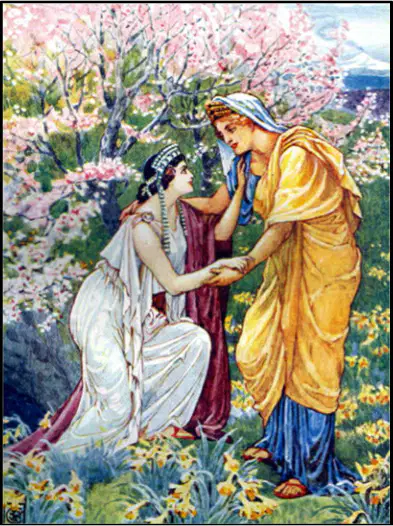
Reasoning with evidence: Why do plants grow again after Proserpina leaves the Underworld?
Paris judges a new beauty contest
Aeneas prays for fertile fields
Pluto grants magical farming gifts
Ceres feels happiness and restores life
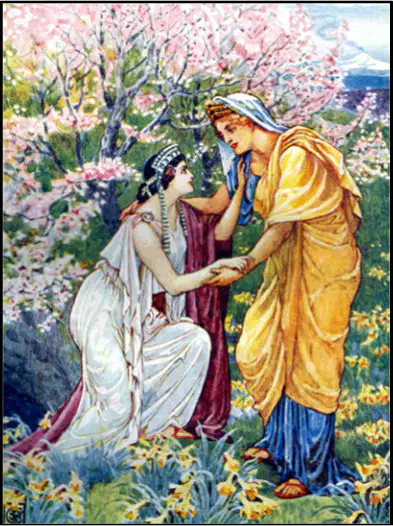
Which statement best explains how this myth accounts for the seasons of the year?
Autumn arrives after Troy falls to Greeks
Spring begins when Paris chooses Venus
Winter occurs while Proserpina is with Pluto
Seasons shift when Juno aids Aeneas
Which action was required when a Roman addressed a deity in prayer?
Making an offering before speaking any words
Whispering so only the priest could hear
Using the correct name of the god or spirit
Facing east regardless of the deity involved
Why might a Roman say Apollo medice during a prayer?
To call on Apollo’s healing function for disease
To praise Apollo for victory in warfare
To ensure Apollo grants safe travel by sea
To invoke Apollo’s role as guardian of marriage
What detail about a god with a special residence needed inclusion in prayer?
The temple donor’s family name in Rome
The god’s preferred festival day each spring
The god’s favorite sacrificial animal and color
The god’s associated place such as Delphi in Greece
Which mistake could offend a Roman god during prayer?
Asking for too much in the request wording
Speaking Latin instead of Greek in temples
Offering wine before the grain was measured
Standing while praying rather than kneeling
How were the words of a Roman prayer expected to be delivered?
In the correct order with nothing left out
In poetic meter with a repeating refrain
In whispers repeated three separate times
In song accompanied by flutes and drums
Why were some Romans uncertain which deity to address for Rome’s prosperity?
The senate banned naming living deities in public
Astrological omens changed the choice each evening
There were many gods and goddesses to choose from
Only priests were allowed to select an appropriate god
Who were the nefandi in Roman religious practice?
Prophets who predicted disasters for the city
Gods considered too powerful to address by name
Priests who mispronounced the sacred invocations
Foreign deities without established Roman temples
What best describes the form of Roman state prayers?
Flexible and improvised by officials
Spontaneous and personal in tone
Silent meditation without words
Highly fixed and formal in structure
Who often assisted magistrates by reciting the prayer line by line for repetition?
A professional priest as prompter
A military tribune from the legion
A scribe from the senate office
An augur observing bird flight
What was the purpose of the indigitamenta in Roman religion?
A hymnbook for public ceremonies
A legal code for priestly courts
A festival calendar for provinces
A handbook listing gods and powers
Why were flutes and small bells used during official prayers?
To drown out noises offending gods
To signal soldiers to assemble
To entertain crowds during rites
To mark the end of the ritual
On major state occasions, how were the gods addressed?
Collectively to avoid any omission
Individually with separate sacrifices
Only the city’s patron deity
Only those gods named by augurs
In Livy’s account, what initial error caused the Latin Festival to be redone?
Omitting prayer over a victim
Speaking the prayer too softly
Using an impure sacrificial knife
Facing the wrong altar direction
According to the consequences listed, which outcome followed the botched prayer?
Prayers restarted and costly sacrifices
Immediate victory in a border war
A new temple funded by Lanuvium
Dismissal of the entire priesthood
What best explains why many Romans felt anxious about prayers to the gods?
Gods controlled daily fortunes and hardships
Foreign cults outlawed local ritual words
Priests demanded complex temple donations
Emperors punished private worship neglect
In early Roman religion, what did pax deorum most directly refer to?
Peace with the gods maintained by rites
Military peace secured by treaties
Inner peace taught by philosophers
Public peace enforced by magistrates
Why were early Roman prayers highly detailed and specific?
Accuracy was believed to make requests effective
Length impressed audiences at festivals
Complexity hid meanings from outsiders
Poetic beauty honored literary traditions
Which development shows Greek philosophical influence on Roman prayer during the late Republic?
Prayer replaced by blood sacrifice alone
Prayer banned outside official state temples
Prayer treated as a moral or philosophical act
Prayer performed only by professional augurs
How did the civic role of prayer change by the imperial period?
Citizens prayed for the emperor’s well‑being
Private prayers were made illegal in homes
Ritual formulas were abandoned entirely
Foreign gods replaced traditional deities
A wealthy Roman wants political favor. Which prayer practice would strategically align with imperial expectations?
Private meditation without spoken words
Public prayers for the emperor’s health
Vows to Apollo for better harvests
Silent devotion to household Lares
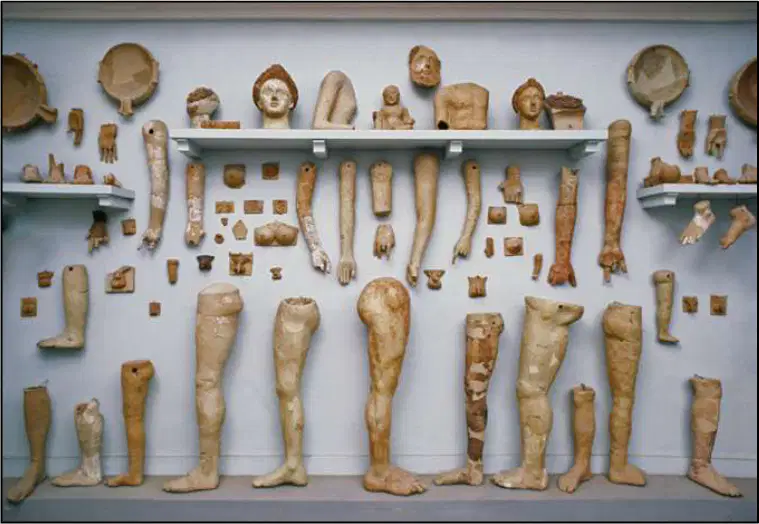
What best describes a votive offering in Roman religious practice?
A penalty charged after breaking laws
A market purchase for household use
A routine temple tax paid each month
A gift promised to a god for a favor
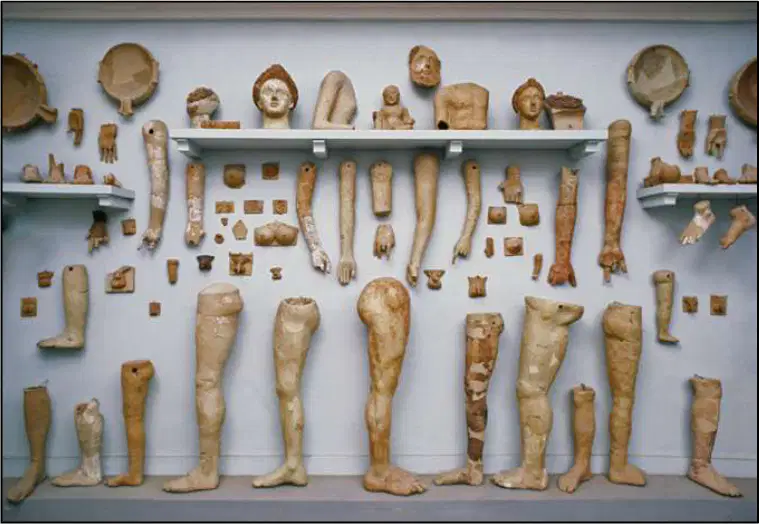
Which situation most likely led someone to present a votive offering?
They forgot to attend a festival parade
They sold goods at a crowded market
They recovered fully after a serious illness
They lost a battle and fled the city
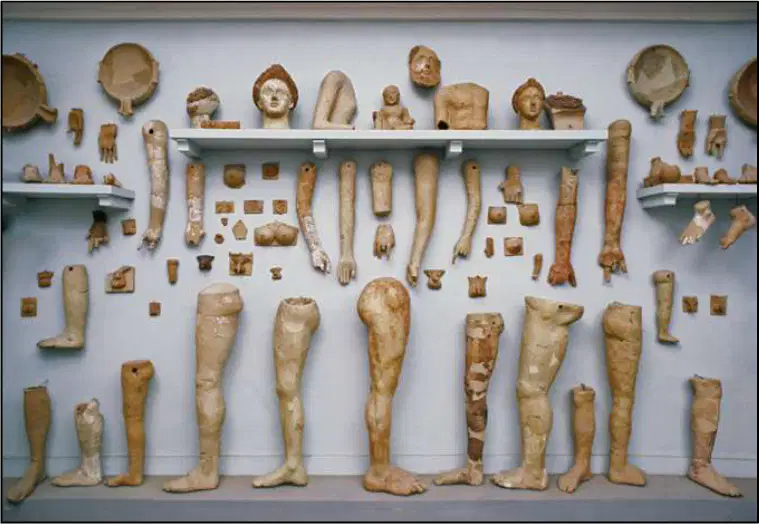
A soldier vows an offering if he returns safely from campaign. What must happen for the vow to be fulfilled?
He returns safely and presents the promised gift
He pays coins to merchants in the forum
He wins the campaign without making any vow
He sends a message of thanks from the camp
Which was a common reason Romans performed sacrifices?
To test new religious laws
To entertain foreign visitors
To punish disloyal citizens
To ask a deity for help
Who most often conducted sacrifices in the Roman world?
Only temple architects
Only elected magistrates
Mostly men, sometimes women
Mostly children, rarely adults
Which role typically offered sacrifices or prayers before major state decisions?
Arena performers
School tutors
Traveling merchants
Politicians and magistrates
Beyond giving thanks or asking for aid, what was another believed effect of sacrifice?
Increasing tax revenues
Fueling a god’s energy
Erasing civic laws
Weakening all deities
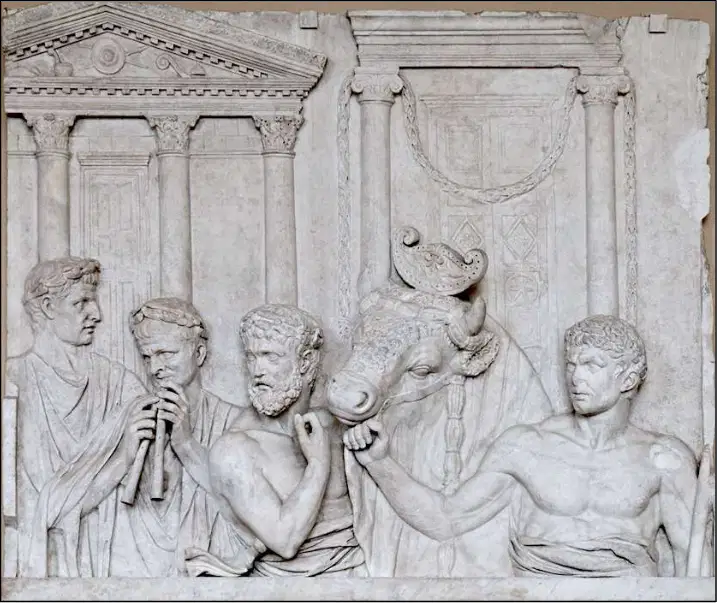
A general preparing for battle is most likely to do which ritual action?
Commission a new temple
Lead a prayer or sacrifice
Host a public theatrical show
Rewrite civic constitutions
Which phrase best summarizes the idea of a 'principle of life' in sacrifice?
Something that sustains life like food or liquid
A decorative item placed beside an altar
A prayer spoken quietly before offerings
A rule about when festivals must occur
Why were food and drink offerings common among poorer Romans?
They were required by all local magistrates
They were considered more sacred than animals
They were easier to access and cost less money
They could be stored for many winter months
Which example fits a blood sacrifice?
Killing a living animal as the offering
Pouring unmixed wine onto the altar
Presenting a statue to a sanctuary
Dedicating weapons after a battle
Select the option that defines libation most accurately.
A meal shared by the community
A liquid offering poured in worship
A procession led by priests
A law about temple construction
Which set lists items that count as other types of offerings?
Hymns, dances, dramas, athletic games
Oxen, goats, sheep, doves, geese
Fruits, cheese, salted meal, honey, milk
Valuable articles, temples, statues, inscriptions
In Roman practice, which liquids were most often used for libations?
Unmixed wine and perfumed oil
Salted milk and sweet honey
Fermented beer and river water
Olive brine and diluted vinegar
Which color of animal was appropriate for gods of the Underworld in Roman state sacrifices?
Spotted animals for mixed pantheon
Black animals for underworld deities
White animals for pure sky deities
Red animals for martial deities
Who assisted magistrates in performing blood sacrifices during festivals?
Priests guiding the ritual
Poets reciting hymns
Soldiers guarding the altar
Merchants funding offerings
Which pairing follows victim rules: deity and typical victim attribute?
Underworld gods and decorated horses
Mars and sacrificial doves
Gods of upper air and white beasts
Goddesses and male victims
During the ceremony, what was sprinkled between the horns of the victim and on the knife?
Crushed laurel leaves
Salted meal mixture
Fragrant olive oil
Sacred river water
Place these early steps in order: A) priests wash hands, B) procession to altar, C) horns decorated with ribbons.
A, B, C
B, C, A
B, A, C
C, B, A
What statement signaled the moment of striking the beast, and who said it?
"Do I strike" spoken by an attendant
"May the gods bless" spoken by magistrate
"By sacred law" spoken by priest
"Grant us favor" spoken by flute player
How was the knife-man’s head held during throat-slitting for a heavenly god versus an Underworld god?
Downwards for heavenly, upwards for Underworld
Sideways for both types of gods
Upwards for Underworld, sideways for heavenly
Upwards for heavenly, downwards for Underworld
Why were internal organs examined, and what happened if no defects were found?
To allocate meat; organs given to attendants
To verify perfection; organs cut up and burned
To read omens; organs buried in soil
To check age; organs returned to body
Which parts of the animal were typically dedicated to the gods in Roman blood sacrifices?
Brain, tongue, marrow, tripe
Thighs, ribs, tenderloin, cheeks
Hooves, hide, horns, tail
Heart, liver, gallbladder, kidneys
Why were the dedicated parts convenient choices for Romans hosting sacrifices?
They cooked faster than others
They were cheapest to purchase
They preserved exceptionally well
They were the least edible parts
What was a common emotional aspect of Roman sacrifices for participants?
They were strictly unemotional routines
They were highly emotional experiences
They caused widespread public boredom
They produced mostly comedic reactions
At Caligula’s accession, what signaled the state’s desire for divine favour?
Sacrificing 160,000 cattle over three months
Building a new marble temple for Jupiter
Distributing grain to all Roman citizens
Staging a circus with foreign animals
How did the role of sacrifice change during the late Republic and imperial periods?
It focused solely on agricultural rites
It became a political tool and loyalty test
It disappeared from civic ceremonies
It was reserved only for private homes
Why did some Christians face persecution related to sacrifices in the empire?
They required sacrifices every sabbath
Refusing sacrifices was seen as disloyalty
They insisted on foreign priests officiating
They demanded larger animal offerings
What major policy did late 4th‑century Christian emperors enact regarding sacrifices?
They taxed sacrifices at higher rates
They banned animal sacrifices entirely
They mandated sacrifices for imperial cult
They limited sacrifices to rural festivals
In the relief, which element most clearly indicates a formal Roman state sacrifice rather than a private ritual?
Presence of officials in ceremonial dress
Use of small household altar only
Depiction of domestic kitchen utensils
Scene set inside a family dining room
Based on the figures and objects shown, which sequence best describes the ritual actions likely taking place?
Procession approaches altar, priest sprinkles grain, victim is consecrated
Victim is butchered first, officials gather later, altar is built
Officials feast at table, musicians perform, temple doors close
Children play nearby, merchants trade goods, crowd disperses
Which term describes signs that Romans actively requested from the gods?
Oracula privata
Signa impetrativa
Signa oblativa
Auspicia urbana
Who were the religious officials that advised Roman magistrates on the meaning of signs?
Haruspices
Aediles
Augurs
Pontifices
In taking the auspices, what was the magistrate’s basic procedure?
Watch a set sky sector
Consult temple inscriptions
Cast sacred lots indoors
Question veteran soldiers
Which birds were traditionally significant for messages in flight, as linked with Rome’s founders?
Hawk and falcon
Dove and pigeon
Swan and stork
Eagle and vulture
Sacred chickens were observed before important events. Which outcome indicated a favorable omen?
They ate greedily
They sang loudly
They slept silently
They pecked the cage
A commander plans a battle and wants divine approval. Which method aligns with signa impetrativa?
Finding a fallen statue head
Requesting auspices from birds
Waiting for lightning unprompted
Hearing random temple echoes
Why might conservative Romans distrust astrology despite its popularity?
It banned observing birds
It rejected all Roman gods
It required costly sacrifices
It was tied to foreign beliefs
What action did Claudius Pulcher take when the sacred chickens would not eat before the attack on Drepanum?
He released the chickens into the harbor
He sacrificed extra bulls to Jupiter
He postponed the naval assault entirely
He ordered the chickens to be thrown overboard
In Roman omen-watching, what was considered good luck regarding lightning?
If lightning was seen only at night
If thunder followed within moments
If lightning flashed on the left side
If lightning struck a nearby temple
Which sign marked Servius Tullius as destined for greatness in some traditions?
A dream of Mars granting a sword
A ring of fire around his head
A dove nesting on his cradle
An eagle dropping a laurel crown
Haruspicium involved which practice to interpret omens?
Observing bird flight paths at dawn
Casting lots with marked wooden tablets
Examining livers and organs of sacrifices
Reading star movements for prophecies
Why was lightning watching open to abuse, as noted with consul Bibulus in 59 BC?
It required expert mathematical calculations
It depended on costly private ceremonies
It could halt state business on any day
It conflicted with official military duties
Which Roman practice involved reading animal entrails for divine approval during sacrifices?
Libations of mola salsa and wine
Pronouncing vows by magistrates
Augury with bird flights and winds
Disciplina Etrusca with a haruspex
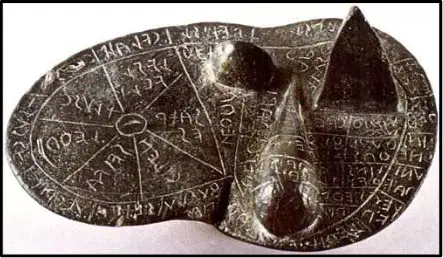
What tool did a Roman haruspex carry to help interpret signs on a liver?
A bronze model of a liver
An ivory rod for drawing
A wax tablet with prayers
A silver bowl for omens
Why were dreams not part of official state religion in Rome?
Dreams offended most Roman deities
Dreams contradicted civic rituals often
Dreams were private and hard to verify
Dreams required expensive sacrifices
During a Roman sacrifice, which items were examined before being burned if no ill-omen was found?
Liver, heart, kidneys, intestines
Hooves, horns, hide, tail
Brain, eyes, tongue, marrow
Teeth, claws, fur, bones
A general plans a campaign and wants divine approval. Which action best aligns with Roman practice?
Consult an augur about bird patterns
Ask a haruspex to read entrails
Offer mola salsa to household gods
Record a vow on a bronze tablet
Which statement best compares entrail reading and dream interpretation in Roman religion?
Both were public, verifiable state rites
Entrails were public; dreams were private
Dreams were official; entrails were banned
Both relied solely on philosopher Lucretius
What were the Sibylline Books primarily used for in Roman society?
Teaching Latin grammar to youths
Recording official census data
Consultation during times of crisis
Guiding daily farming routines
Who was responsible for consulting and interpreting the Sibylline Books for the state?
The Pontifex Maximus alone
The Quindecimviri priestly board
The Vestal Virgins order
Provincial military governors
In 204 BC, what action did the Sibylline Books advise to aid Rome during the Second Punic War?
Burn the remaining prophetic scrolls
Import the goddess Cybele from the east
Crown a new Carthaginian-friendly king
Exile Hannibal’s supporters abroad
Which sequence best summarizes the legend of the Sibyl’s sale to Tarquinius Superbus?
Nine offered, price reduced, all purchased cheaply
Nine offered, three burned, same price for six
Six offered, three burned, price doubled later
Three offered, six added, final price discounted
Why did Romans not rely on Greek oracles like Delphi as much as others?
They mistrusted any written prophecies
They had their own oracles in the Sibylline Books
They considered prophecy a private pastime
They banned foreign priests entirely
Which reasoning best explains Tarquinius Superbus’s eventual decision in the legend?
He feared legal punishment for bargaining
He realized fewer books meant clearer prophecies
He worried leaving with nothing would be worse
He believed the Sibyl had miscounted the scrolls
Which officials interpreted omens from birds in early Rome?
Pontifices managing calendars
Augurs overseeing avian signs
Haruspices reading entrails
Aediles supervising markets
What did haruspices primarily examine to read divine will?
Cloud shapes over temples
Stars and planetary paths
Animal entrails and organs
Flight patterns of eagles
During the middle and late Republic, which collection was consulted in crises to guide religious decisions?
Sibylline Books of prophecies
Twelve Tables of law
Annales Maximi records
Livy’s Ab Urbe Condita
Which statement best describes divination’s role under Roman emperors?
Practices disappeared completely
Military ignored omens entirely
Rituals continued for legitimacy
Private use increased state power
How did some elite thinkers like Cicero influence views on divination?
They reduced all public rituals
They expanded foreign cult worship
They banned omens immediately
They voiced philosophical skepticism
What major religious shift affected divination by the fourth century CE?
Judaism mandated new auguries
Christianity condemned older practices
Mithraism replaced public festivals
Stoicism required state sacrifices
By the end of the 4th century, what happened to augury and haruspicy?
They merged with astrology
They moved to Greek temples
They guided every battle
They were outlawed by authorities

