
NEW
Font size
 Worksheets
Exploring Physical and Chemical Properties
Total questions: 19
Worksheet time: 10mins

Which word describes how something smells?
Odor
Texture
Luster
Volume

What is the term for how a surface feels when you touch it?
Density
Texture
State
Reaction

Which property describes how shiny a substance is?
Malleability
Luster
Odor
Volume
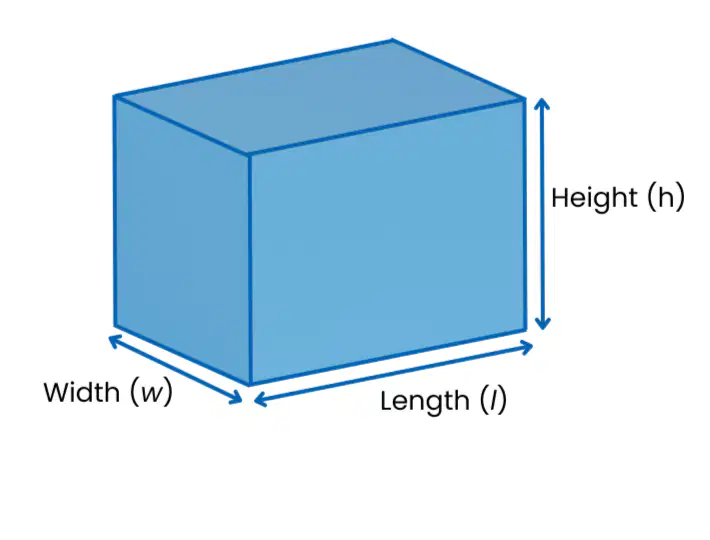
What do we call the amount of space an object takes up?
Density
Volume
State
Texture
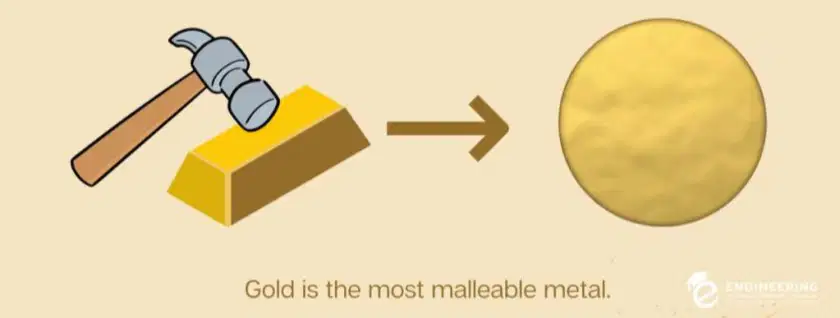
Which word means the ability of a material to be hammered or shaped without breaking?
Malleability
Reaction
Odor
Fuzzy
Which of the following is a chemical property?
Reaction with acid
Texture
Luster
Volume
Which word describes how much mass is in a certain volume?
State
Density
Odor
Slimy

If a student observes that a rock is rough, which property is the student describing?
Chemical property
Texture
Reaction
State

A student notices that a metal spoon is shiny and can be bent without breaking. Which two properties are being described?
Luster and malleability
Odor and density
Texture and reaction
Volume and state
Which of the following best describes the difference between rough and smooth textures?
Rough surfaces feel bumpy, smooth surfaces feel even
Rough surfaces are shiny, smooth surfaces are dull
Rough surfaces have odor, smooth surfaces do not
Rough surfaces are slimy, smooth surfaces are fuzzy
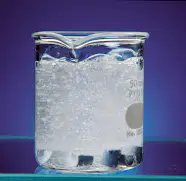
A student mixes two substances and sees bubbles form. What type of property is being observed?
Physical property
Chemical property
Texture
Luster
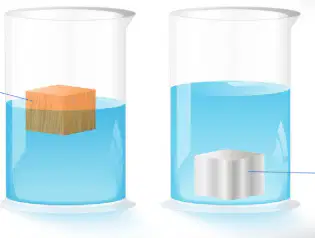
If you compare the density of two blocks and one sinks in water while the other floats, what does this tell you?
The sinking block has higher density
The floating block has higher density
Both blocks have the same density
Density does not affect floating

Which property would you use to describe whether an object is solid, liquid, or gas?
State
Luster
Odor
Malleability
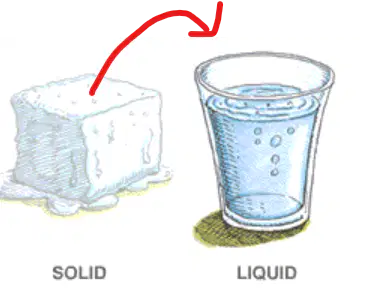
The temperature at which a solid substance turns into a liquid is called its melting point. This is an example of a:
Chemical Change
Physical Property
Elements
Chemical Elements
A scientist smells a sample to describe its strong scent. The scent is being used to identify a physical property called:
Reactivity
Boiling point
odor
Acidity

Copper is often used in electrical wiring because it allows electrons to flow through it easily. This ability to let electricity pass is known as high:
Reactivity
Solubility
Acidity
Conductivity
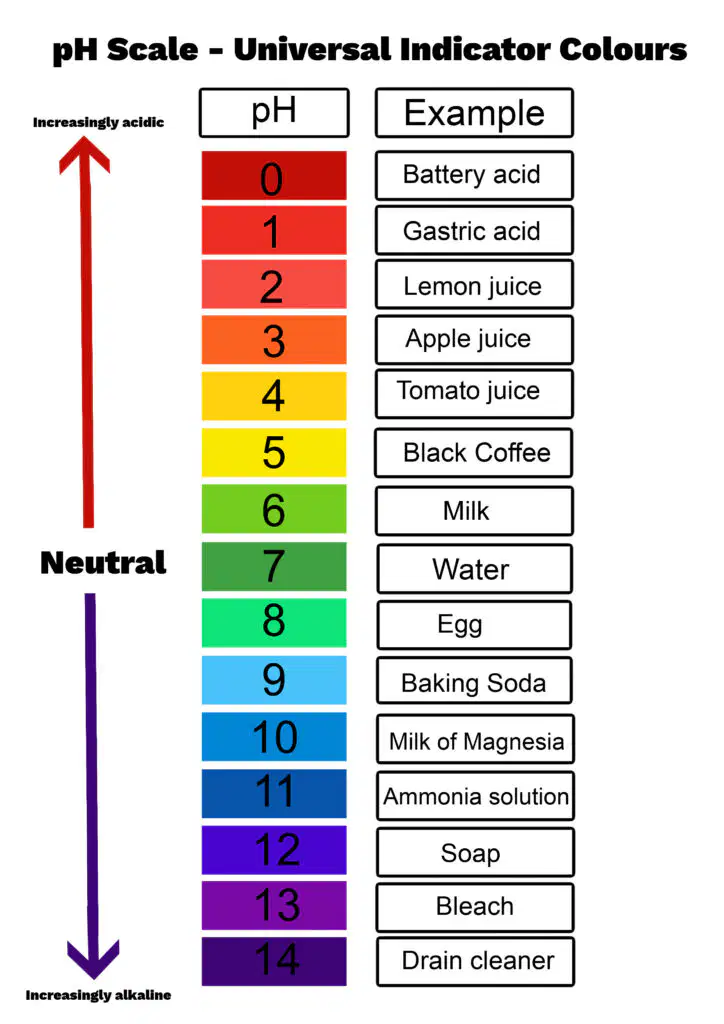
A substance with a pH of 2 is tested and found to be highly acidic. This measurement describes how the substance will react with certain other chemicals. Therefore, acidity is classified as a:
Physical state
Chemical property
Physical property
Boiling Point
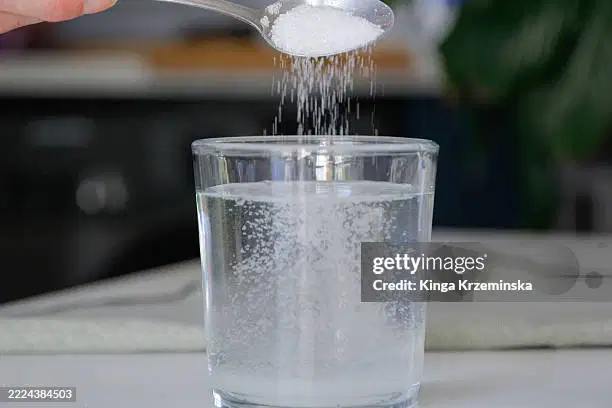
If you dissolve sugar in water, what property are you observing?
Reactivity
Flammability
Color
Solubility
Which characteristic of Aluminum (Al) , indicates a physical property?
It does not react with strong bases
It has a low density, making it lightweight
It forms compounds easily with halogens like chlorine

