
 Worksheets
Copy of Y7 Social Studies revision
Total questions: 99
Worksheet time: 17mins
Name
Class
Date
1.

There are ............... main types of natural vegataion which are found in the Arab World.
a)
Two
b)
Three
c)
Four
2.
...................., ....................... , ....................... are the natural vegataion which are found in the Arab World.
a)
Forest - Grassland - Desert
b)
Sea - Grassland - Desert
c)
Forest - Grassland - Rivers
3.

.............. ,................... , ...................... are the most important trees that grow in tropical rain forest.
a)
Glue, palm trees, teak
b)
Ebony, Palm trees, mahogany
c)
Ebony, teak, mahogany
4.

The ............. trees are the most important trees in mixed forest, they are the imblem of Lebanon.
a)
Cedar
b)
Ebony
c)
Coniferous
5.
.................. grasslands are found in hot, tropical areas such as Sudan.
a)
Temperate
b)
Savanna
c)
Cold
6.
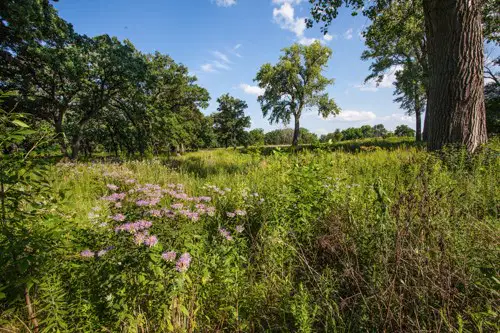
Elephant grass grows in ................ grasslands.
a)
Temperate
b)
Cold
c)
Savanna
7.
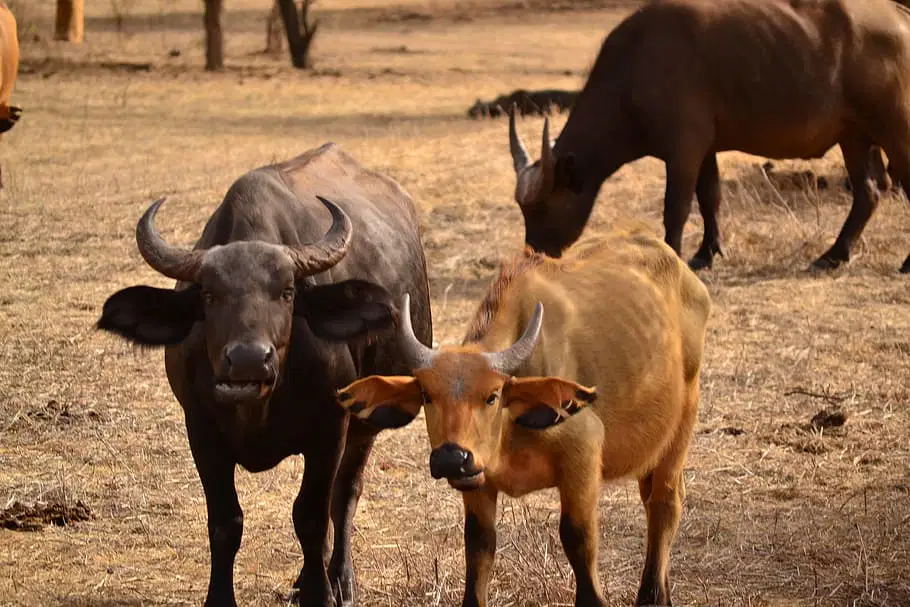
..................... and ..............feed in Savanna grassland.
a)
Sheep - giraffes
b)
Cattle - buffalo
c)
Buffalo - Sheep
8.

.................... and ................... feed on Temperate Grasslands.
a)
Cattle - buffalo
b)
Sheep - goats
c)
Lions - tigers
9.
Temperate grasslands contain ....................
a)
Acacia , cork and trees
b)
Grass, flowering herbs and plants
c)
ebony, acacia and trees
10.
About ......................% of the Arab World is covered by desert.
a)
10
b)
50
c)
70
11.
There are considerable variation climatic conditions in The Arab World.
a)
True
b)
False
c)
Not sure
12.
................... , ......................., ......................... are considerable variation climatic conditions in the Arab World.
a)
The balance of land - Altitude - humidity
b)
Latitude - Altitude - humidity
c)
Latitude - Altitude - the balance of land and water
13.
...................... affects large areas including the Sahara and most of the Arabian Peninsula.
a)
Sea
b)
Desert
c)
Humidity
14.
In Semi desert zone, the temperature is ............ and the amount of rainfall is ...................
a)
Higher - lower
b)
Lower - higer
c)
Moderate - heavy
15.
It's very ......................... in tropical cimate throughout the year.
a)
Cold and dry
b)
Hot and rainy
c)
Humid
16.
Desert climate is characterised by high temperature and no rainfall in ................
a)
Summer
b)
Winter
c)
Spring
17.
Topography of the arab world can be devided Plains, Plateaus and .................
a)
Water
b)
Deserts
c)
Mountains
18.
There are two distinct types of plains in the Arab World ................ and ................. plains
a)
Ocean - Rocky
b)
Coastal - Fluvial
c)
Fluvial - Rocky
19.

................. plains are in Morocco and Algeria Where the foothills of the Atlas Mountains come close to the sea.
a)
Coastal
b)
Fluvial
c)
Desert
20.
Fluvial plains .............................
a)
That were formed due to the sedimentation from lakes
b)
that were formed due to the sedimentation from rivers like those of the River Nile, Tigris, Euphrates, and tha plains of other rivers in Syria and Lebanon.
c)
are in Morocco and Algeria Where the foothills of the Atlas Mountains come close to the sea.
21.

The Coastal plains, provide ............... for many birds, plants and other Marine orgasims.
a)
Food
b)
Water
c)
Habitat
22.

During the ................ tides, One can observe the activity of crabs, snails,worms and mudskippers on the surface and the surface areas.
a)
Low
b)
High
c)
Wide
23.
Some of the vegetation is perennial, other is ...........
a)
perennial
b)
ephemreal
c)
Permanent
24.

All provide a good diet for ............... animals.
a)
Tame
b)
Wild
c)
Grazing
25.
Grazing animals, if not controlled, could cause permanent .............. of the plants.
a)
Disappearance
b)
Appearance
c)
Existence
26.
The majority of the Arab World is located in ..................
a)
Asia and Africa
b)
Europe and America
c)
America
27.
The Arab World is located between latitude ............... and ....................... of the equator.
a)
37 south - 2 north
b)
2 south - 37 north
c)
37 south - 21 north
28.
The area of the Arab countries is ..................... million square kilometres.
a)
14
b)
15
c)
16
29.
The .................... arab country is Bahrain.
a)
Smallest
b)
Biggest
c)
Richest
30.
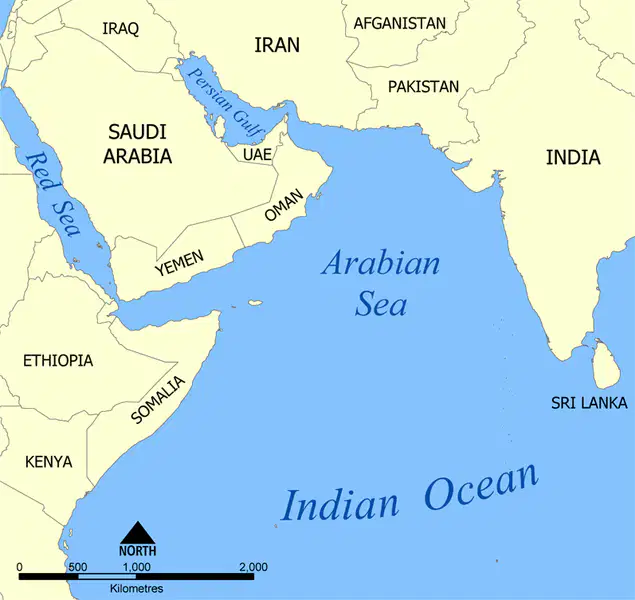
The Arab world is bordered by the Indian ocean in the ........................
a)
Middle
b)
West
c)
East
31.

The ................ Sea separates the Arab world from .........
a)
The Mideterranean - Europe
b)
Red - Africa
c)
Caspian - Asia
32.
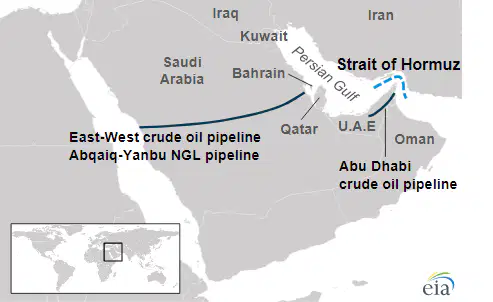
The arabian Gulf and the the Gulf of Oman are connected by the the Strait of .....................
a)
Ginraltar
b)
Bab-Almandab
c)
Hormuz
33.
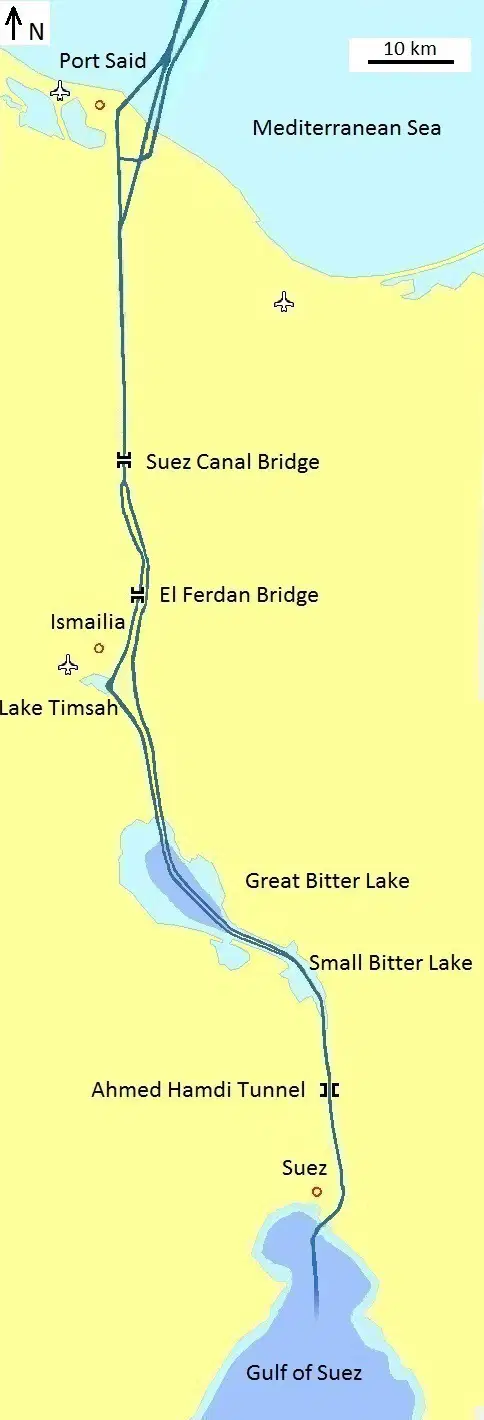
The ...................... Canal connects the Red Sea with the Mideterranean Sea.
a)
Suez
b)
Panama
c)
Hormuz
34.
The .................. of the Arab World contributed in the spread of the three religions.
a)
Wealth
b)
Variety
c)
Central location
35.
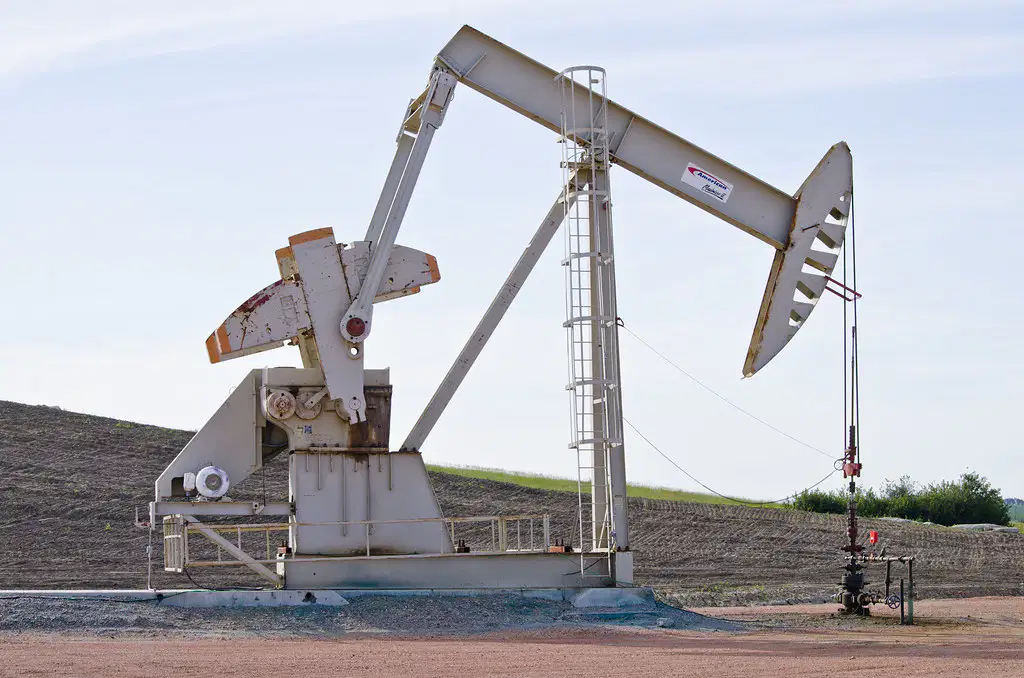
The importance of the Arab World increased significantly because it's the world's leading exporter of ................
a)
Wool
b)
Oil
c)
Cars
36.
Many big industrial ............... depend on the Arab oil.
a)
Countries
b)
Places
c)
Sites
37.
Early farming settlements were ............................,they focused on survival.
a)
Complicated and joined
b)
Simple and isolated
c)
Hard and isolated
38.
Trade and organization spurred the invention of ........................
a)
Writing and numbering
b)
Farming
c)
Archticture
39.
The civilizations of the Fertile Crescent were ..................... influencing one another and being shaped by powers from Egypt, Europe, and Asia. Their histories are inseparable
a)
Separated
b)
interconnected,
c)
Complicated
40.
The people in Mesopotamia developed irrigation systems, elevated towns and villages, and protective mud walls to manage .......................... and expand arable land.
a)
Fertile land
b)
Floods
c)
Population density
41.
The Sumerians (3500-2000 BC) developed .......................... with wedge-shaped symbols.
a)
Papyrus
b)
Paper
c)
Cuneiform script
42.
The Sumerians Built massive ........................ as temples and centers for education and art.
a)
Ishtar
b)
Ziggurats
c)
Enlil
43.
Babylon flourished under ........................, who ruled Mari, Nineveh, Nimrud, and all of Sumeria, establishing a strong central government.
a)
Hammurabi
b)
Ramsis
c)
Dara
44.
The ......................., a people related to the Hurrians, invaded Northern Egypt and ruled for about 100 years before being overthrown by the Egyptians.
a)
Akkadians
b)
Hyksos
c)
Sumerians
45.
The .................. and Hittites fought for control of Syria, leading to the Battle of .................. in 1275 BC, which ended in a draw.
a)
Syrians- Majdo
b)
Egyptians - Kadesh
c)
Sumerians - Thebes
46.
The collapse of the Hittite Empire around 1200 BC allowed the ..........................to rise to power, beginning with Shalmaneser I
a)
Sumerians
b)
Egyptians
c)
Assyrians
47.
........................ defeated the Pharaoh of the Levant, destroyed Jerusalem after a Jewish revolt.
a)
Nebuchadnezzar
b)
Hammurabi
c)
Ramsis
48.
.............................. was one of the Seven Wonders of the World.
a)
Hanging Gardens of Babylon
b)
Ziggurats
c)
Nineva
49.
after a battle outside the city, ..................was defeated, and the priests opened the gates of Babylon to Cyrus without resistance.
a)
Nabonidus
b)
Nebuchadnezzar
c)
Hamurabi
50.
The fall of Babylon marked the decline of its great cities, including ..........................., which eventually crumbled into ruins
a)
Thebes
b)
Nineveh
c)
Jericho
51.
Mesopotamia: The First Civilization
Location: Present-day ........................ , called Bilad Al Rafedean. It lies between the Tigris and Euphrates rivers.
a)
Iran
b)
Iraq
c)
Egypt
52.
After ........................ s death, the Babylonian empire weakened and was eventually invaded and conquered by the Hittites and Hurrians from Anatolia and Asia.
a)
Nebuchadnezzar II
b)
Hammurabi'
c)
Ramsis
53.
Which city is cited as the first organized cereal farming and fortified settlement, though not a full-fledged civilization?
a)
Ur
b)
Babylon
c)
Jericho
54.
The Fertile Crescent includes which group of present-day countries (also called the Levant)?
a)
Morocco, Algeria, Tunisia, and Libya
b)
Egypt, Sudan, and Eritrea
c)
Jordan, Palestine, Lebanon, Syria, and Iraq
55.
Which civilization is credited as the world's first, emerging around 3500 BC in Mesopotamia?
A.
a)
The Amorites
b)
The Sumerians
c)
The Hittites
56.
Which challenge led the people of Mesopotamia to develop irrigation systems, elevated towns, and protective mud walls?
a)
Limited fertile soil and annual river floods
b)
Insufficient population density
c)
Lack of metal resources like copper and tin
57.
Nebuchadnezzar II, the king of the Second Babylonian (Chaldean) Empire, is known for destroying Jerusalem and building which of the Seven Wonders of the World?
a)
The Colossus of Rhodes
b)
The Hanging Gardens of Babylon
c)
The Temple of Artemis
58.
Who began the rise of the Assyrian Empire around 1200 BC, following the collapse of the Hittite Empire
a)
Tiglath Pileser III
b)
Shalmaneser I
c)
Ashurbanipal
59.
The Assyrian Empire was known for having the most powerful army in the world at the time, utilizing all of the following EXCEPT:
a)
Iron weapons and chariots
b)
Two-wheeled war elephants
c)
Advanced siege tactics and armored cavalry
60.
What event marked the end of the powerful Assyrian Empire in 605 BC?
a)
The Battle of Kadesh
b)
The invasion by the Hittites
c)
The Babylonians and Medes defeating the Assyrians at the Battle of Carchemish
61.
Why was the Nile River so important to Egypt’s growth?
a)
It was the only source of stone for monuments.
b)
It supplied water to a desert land and its flooding provided rich soil for farming.
c)
It supplied all the timber for building.
62.
What technological advance did people in ancient Egypt develop to manage the Nile's water?
a)
They built large sea walls.
b)
They learned to store water in canals and irrigation systems.
c)
They desalinated the river water.
63.

What were the two major monuments shown in the photo?
a)
The Temple of Karnak and Luxor.
b)
The Colossi of Memnon and the Obelisk.
c)
The Sphinx and Pyramids.
64.
Which two kingdoms developed in Egypt by about 3500 BC?
a)
East Egypt and West Egypt.
b)
Upper Egypt and Lower Egypt.
c)
Delta Kingdom and Desert Kingdom.
65.

What famous tomb did Howard Carter discover in 1922?
a)
Pharaoh Tutankhamun
b)
The Tomb of Ramses II.
c)
The Tomb of Hatshepsut.
66.
Who was the last ruler of Alexandria mentioned in the document?
a)
Nefertiti.
b)
Hatshepsut.
c)
Cleopatra.
67.
Where was the ancient Dilmun Civilisation located?
a)
Modern-day Egypt.
b)
Modern-day Bahrain.
c)
Modern-day Yemen.
68.
What historical evidence suggests early civilizations were found in Yemen and Oman?
a)
They were two of the most fertile places in the Arabian Gulf.
b)
They were home to the largest gold mines.
c)
They were the site of the first writing systems.
69.
............................. is gum from the bark of trees that gives off a sweet smell.
a)
Glue
b)
Rubber
c)
Incense
70.
........................ created a group of kingdoms along the incense trade routes on the western edge of the Arabian Peninsula.
a)
Egypt
b)
Palestine
c)
Yemen
71.
................................ Mosque built in AD978 in Cairo, Egypt
a)
Al Haram
b)
Al Aqsa
c)
Al Azhar
72.
What problems encouraged people to cooperate and settle together?
a)
Industry
b)
Water resources - Development of agriculture
c)
Trade
73.
19. What is the Greek word, which means ‘between the rivers’?
a)
Mesopotamia
b)
Babylon
c)
Alexandria
74.
The second Babylonian Empire was eventually weakened by disputes and fell to the hands of the ...............
a)
Romans
b)
Persians
c)
Assyrians
75.
............................... Built irrigation systems and the world’s first large dam, Ma’rib.
a)
Dilmun
b)
Yemen - Oman
c)
The Levant
76.
The .......................... were also Semitic people descendants of the Canaanites who settled on the coast of the Levant and became seafarers and traders.
a)
Phoenicians
b)
Akadians
c)
Assyrians
77.
Life in ancient Egypt was dominated by Religion. The Egyptians had about 2000 gods of whom ............... the sun god, whose temple was at Heliopolis was most important.
a)
Ra
b)
Horras
c)
Atun
78.
Which group of people led the strong administration in early Egyptian history?
a)
Armers
b)
Viziers
c)
Architects
79.
Approximately when did Egyptian writing begin?
a)
700 BC
b)
1922 AD
c)
3000 BC
80.
What made papyrus a more convenient writing material than those used by the Sumerians?
a)
It was easier to find.
b)
It lasted longer than stone.
c)
It was more convenient than the stone tablets.
81.
Papyrus was made from strips of:
a)
Animal skin
b)
Tree bark
c)
Reed
82.
Who deciphered the engravings on the Rosetta Stone in 1822?
a)
Howard Carter
b)
Napoleon Bonaparte
c)
Jean François Champollion
83.
Belief in life after death led to two of the Egyptians' greatest achievements: Monumental stone building and what else?
a)
Complex irrigation
b)
Mathematics
c)
Medicine
84.
Early tombs built of unbaked mud bricks over a stone burial chamber were called:
a)
Tombs
b)
Mastabas
c)
Temples
85.
The first stone tomb, built around 2600 BC at Saqqara, was the:
a)
Great Pyramid of Cheops
b)
Tomb of Tutankhamun
c)
Stepped pyramid of Zoser
86.
Which group of people set up small kingdoms in Central and Northern Syria as the Hittites weakened and collapsed?
a)
Egyptians
b)
Arameans
c)
Sumerians
87.
What was the most important kingdom established by the Arameans, which is the present-day Syrian capital?
a)
Jerusalem
b)
Ugarit
c)
Damascus
88.
Which type of writing is identified as the earliest known, originating from Ugarit?
a)
Hieroglyphics
b)
Pictograms
c)
Alphabetic Cuneiform
89.
The Syrian region after the collapse of the Hittites became a mixture of small kingdoms, mainly Aramean but also including descendants of which people?
a)
Egyptians
b)
Hittites
c)
Sumerians
90.
Which two cities are named as the Phoenicians' main harbour towns?
a)
Damascus and Jerusalem
b)
Ugarit and Memphis
c)
Tyre and Sidon
91.
Carthage was founded near the site of which modern capital city?
a)
Cairo
b)
Algiers
c)
Tunis
92.
What was the approximate peak population of Carthage?
a)
About half a million
b)
More than one million
c)
Less than one hundred thousand
93.
Phoenician ships voyaged into the Atlantic and reached as far north as what location?
a)
The coast of Africa
b)
B. The Straits of Gibraltar
c)
C. The British Isles
94.
Which of the following was NOT listed as a major contribution of the Phoenicians?
a)
Development of a 22-letter alphabet
b)
Methods of maritime navigation
c)
Invention of the rudder
95.
The earliest evidence of boats suggests they were made of basketwork covered with what material?
a)
Skins
b)
Reed bundles
c)
Wooden planks
96.
The early Egyptians had seagoing ships made from:
a)
Planks of wood
b)
Clay and stone
c)
Bundles of reeds
97.
Around 2000 BC, Mediterranean sea peoples began building ships from:
a)
Bronze sheets
b)
Tree trunks and planks of wood
c)
Hollowed logs
98.
Why were the Phoenicians excellent shipbuilders?
a)
They had knowledge from the Sumerians.
b)
They used a 22-letter alphabet.
c)
They had lots of wood and were excellent carpenters.
99.
What is the meaning of the word 'omniscient' as applied to the Egyptian Kings?
a)
All-powerful
b)
B. Immortal
c)
C. All seeing and all knowing
100 %

