
 Worksheets
WH Test 3 Study Guide
Total questions: 100
Worksheet time: 1hrs 25mins
What is an area ruled by a distant country?
export
colony
import
city-state
How is the Phoenician alphabet different than earlier forms of writing?
The symbols represent different things.
The symbols represent sounds.
The symbols are easier to write.
The symbols are more complicated.
What were common imports of the Phoenicians?
cheese, wheat, and barley
coffee, tea, and spices
raw materials such as ivory, precious metals, and jewel stones
bowls, tools, weapons, jewelry, purple cloth, logs, wine, olive oil, salt, and fish
What were common exports of the Phoenicians?
cheese, wheat, and barley
coffee, tea, and spices
raw materials such as ivory, precious metals, and jewel stones
bowls, tools, weapons, jewelry, purple cloth, logs, wine, olive oil, salt, and fish
Fertile land that attracted Phoenician farmers grew into __________.
trade routes
city-states
colonies
territories
How many symbols formed the Phoenician Alphabet
32
22
16
_____ produced a rich, purple dye
cows
snails
fish
Phoenician Ships sailed as far as the Atlantic Ocean
True
False
Two cities in Phoenicia were (Dos ciudades de Fenicia fueron)
babylonia and Sumer
Tyre and Sidon
Nippur and Sidon
Phoenicians sold these two things to other countries
dyed cloth and wood
oils and soaps
tapestries and fruit
the product or goods brought into a country from another country to sell or use is
export
import
barter

Where was Phoenicia located?
Mesopotamia
Along the Black Sea
Along the Mediterranean Sea
In Sumer

This was the largest colony founded by the Phoenicians
Cree
Rome
Athens
Carthage

Phoenicians were mostly:
Doctors and nurses
Farmers and priests
Warriors and kings
Traders and merchants
Their main resources included:
fish
glass
animal hides
purple dye
The Phoenician civilization and cities were destroyed after being conquered by _______.
Alexander the Great
Hammurabi
King George III

True or False: The Phoenicians were a society centered around warfare
True
False

Another name for the Phoenicians is the "Purple People"
True
False

What did Phoenicians manufacture?
wood ships
metal ships
flat ships
iron ships


Why were people in Phoenicia such great sailors?
Phoenicia was located along the Mediterranean Sea and had land that was difficult to travel through.
They were constantly preparing for war with civilizations across the waters from them.
Phoenicia earned a great deal of wealth from fishing in the Mediterranean Sea and selling what they caught.
None of these are correct.

any cloth made from weaving
linen
textile
treaty
papyrus
What were some of the most famous sea traders in history called?
Phoenicians
Mesopotamians
Hannos
Navigators
Where does the purple dye come from?
sand
cats
snails
elephants
What kind of tree was very valuable in Lebanon?
evergreen
cedar
willow
pine
Phoenicia never developed __________.
an army.
a navy.
a trade system.
Phoenicians accomplished trade routes that reached from Greece, Spain, Africa and even Britain.
True
False
Phoenicians are best known for their achievements in ______ due to their routes and location.
war
trade
pottery
Phoenicians were __________, worshipping many gods.
polytheistic
monotheistic
catholic
Phoenicia got many resources from __________.
hunting and gathering
the sea
their neighbors
This was name of the shellfish that was the source of Phoenicia's purple dye.
murex
treaty
colony
diplomat
What word best describes an artisan?
craftsperson
diplomat
Phoenician
maritime merchant
What word is a synonym of the word "network" as in "trade network?"
divide
avoid
system
separate

Tyrian purple is the name of this product
rare and expensive dye
fine linen
metalworking
carved ivory
Cultral Diffusion
Exchange of ideas between cultures
Conflict between different cultures
Trade Networks
Cultural Appropriation

How would the women of Israel compare David and Saul?
During the time of Moses, why did the pharaoh of Egypt order all the Israelite baby boys to be killed?
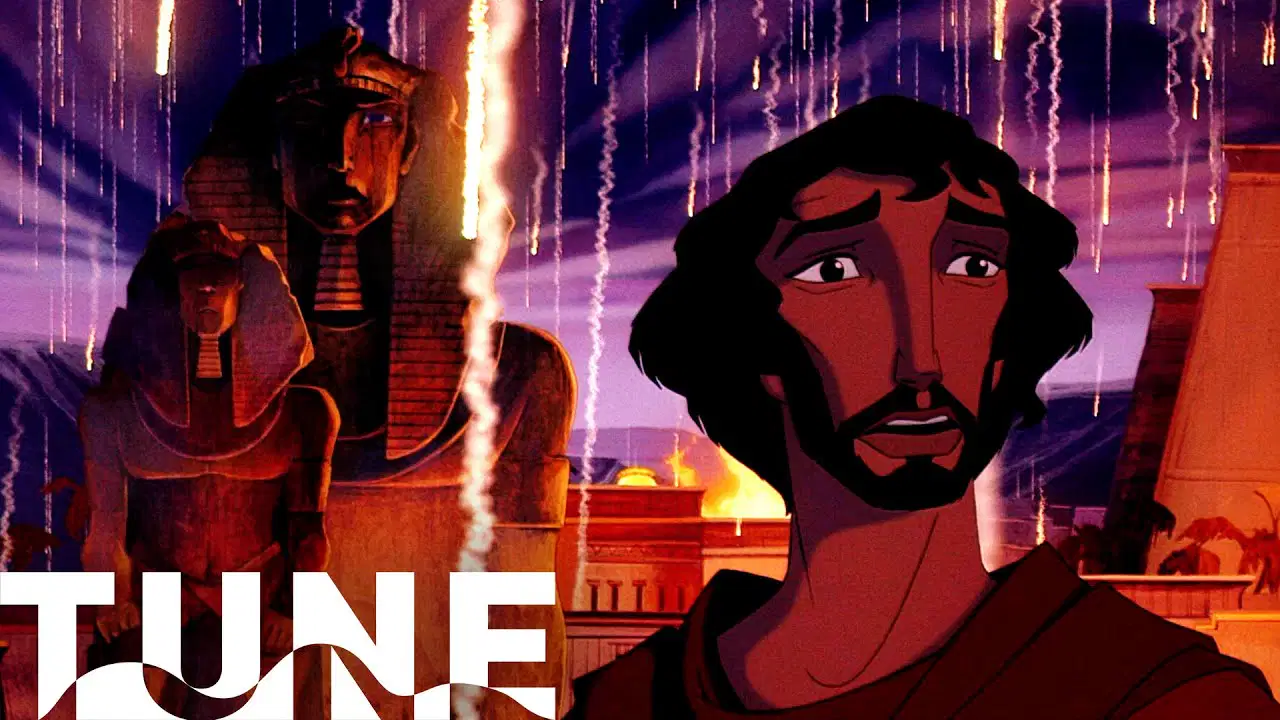
According to the Tanahk, how many were the plagues that God sent to Egypt?
10
12
7
3
How many tribes were in the kingdom of Judah?
2
6
12
10
How many judges ruled the ancient Israelites during the first years of their kingdom?
1
12
3
120
______ is the departure of the Israelites from Egypt
Exodus
Torah
Kosher
Covenant
What were the two Divided Kingdoms?
Which empire conquered the Kingdom of Israel?
Which empire conquered the Kingdom of Judah?
What are the three first kings of Israel?
What are the capitals of the kingdoms of Israel and Judah?
Where does God speak to Solomon?
On what mountain does Yahweh give Moses the Law?
Who is considered the greatest of the Old Testament prophets?
Elijah
Who are the first three Patriarchs?
Which of the following are miracles performed by Moses?
Parting of the Red Sea
Collapsing the walls of Jericho
Lighting the sacrifice at Mt. Carmel
Raising a widow's son from the dead
Which of the following are Judges of Israel?
Ehud, Deborah, Gideon, Samson, Samuel
David is famous for composing most of which book of the Bible?

Synagogue/Temple
a Jewish religious leader and teacher
rabbi
synagogue
messiah
diaspora
How many books does the Torah encompass?
2
5
7
9
The kingdom of Israel split into two, Israel and_____________
Judah
Judea
Jerusalem
Judaism

Which number correctly identifies the location of ancient Israel
1
2
3
4

which number correctly identifies the Mediterranean Sea?
1
2
3
4
What is the capital city of Israel (right next to the Dead Sea)
Nebuchadnezzar
Harappa
Jerusalem
Canaan
which number correctly identifies the Dead Sea?
5
2
3
4
which number correctly identifies the Jordan River?
1
2
3
4
Which of these events came third in this list?
Abraham goes to Canaan from Mesopotamia.
The pharaoh forces the Israelites into slavery.
Famine causes the Israelites to leave Canaan and move to Egypt.
Jacob has twelve sons who become the heads of the twelve tribes of Israel.
Which event happened third?
Moses leads the Israelites to the Jordan River.
Joshua conquers much of Canaan.
The pharaoh forces the Israelites into slavery.
Famine causes the Israelites to leave Canaan and move to Egypt.
Which event happened last in this list?
Moses leads the Israelites to the Jordan River.
Joshua conquers much of Canaan.
The pharaoh forces the Israelites into slavery.
Famine causes the Israelites to leave Canaan and move to Egypt.
Who was the first King of Israel?
Joshua
Mosses
David
Saul
Who settled between the Mediterranean Sea and Jordan River and were ancestors of the Jews?
Phoenicians
Nubians
Egyptians
Hebrews
Monotheism describes the Hebrews’ belief-unusual for the time-that their God was:
the one and only God
a forgiving and protective God
a spiritual, not a physical, presence
associated not with a place but with a people
Israelites became slaves in which region?
Egypt
Mesopotamia
Sumer
Iran
Which mountain is traditionally associated with the receiving of the Ten Commandments?
Mount Sinai
Mount Zion
Mount Carmel
Mount Hermon
What is the name of the sacred text of Judaism?
Quran
Bible
Tanakh
Vedas
What is the time known as when Nebuchadnezzar captured Judah and the capital of Jerusalem?
Assyrian Captivity
Babylonian Captivity
Judaism Captivity
Constantine Captivity
The early Hebrew people trace the beginning of their history back to which important individual?
Solomon
David
Moses
Abraham
King ____________ was the third king of Israel.
Daivd
Solomon
Saul
Abraham
Who was the all powerful god of Israelites
Saul
Solomon
David
Yahweh

