
NEW
Font size
 Worksheets
Employment and Legal Terms Quiz
Total questions: 78
Worksheet time: 39mins
Which word describes a person or body that employs one or more persons under a contract of employment?
Employer
Employee
Client
Organisation
Who is a person employed by an employer under a contract of employment?
Employee
Employer
Client
Organisation
Who is a person or organisation using the services of the company; in other words, the customer?
Client
Employer
Employee
Organisation
Which term means binding in law and is a criminal act to contravene something that is law?
Statutory
Non-statutory
Employer
Employee
What does "not legally binding; however breaking them could mean that a law may have been broken somewhere" describe?
Non-statutory
Statutory
Client
Organisation
Which of the following is a responsibility of employers under the Health and Safety At Work Act?
Providing safe plant and systems of work
Ignoring safety rules
Allowing unsafe working conditions
Not giving any training
Why is it important for employers to provide information, instruction, training, or supervision at work?
To help employees stay safe and healthy
To make work more difficult
To avoid giving any help
To ignore employees’ needs
If you see someone not using safety equipment properly at work, what should you do to follow the Health and Safety At Work Act?
Remind them to use safety equipment correctly
Ignore them
Tell them to stop working
Take away their equipment
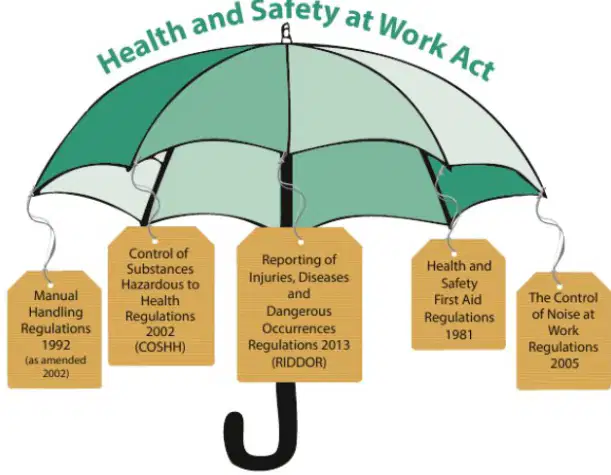
Which law requires employees to take care of their own health and safety at work?
Health and Safety At Work Act 1974
Road Safety Act 2000
School Safety Act 1995
Food Safety Act 1985
What is one responsibility of employees under the Health and Safety At Work Act 1974?
To take reasonable care for the health and safety of themselves and others
To ignore safety rules at work
To only care about their own safety
To avoid working with others
If an employee sees something unsafe at work, what should they do according to the Health and Safety At Work Act 1974?
Co-operate with their employer to help fulfill legal obligations
Ignore the problem
Tell only their friends
Leave work immediately
Imagine you are at work and you notice a spill on the floor that could cause someone to slip. What should you do to follow the Health and Safety At Work Act 1974?
Tell your employer or clean it up if is safe to keep everyone safe
Walk away and hope someone else sees it
Make a joke about it
Ignore it because it’s not your problem
Which regulation requires people in control of electrical systems to make sure they are safe to use and maintained in a safe condition?
Electricity at Work Regulations (EAW) 1989
Workplace (Health, Safety and Welfare) Regulations 1992
Control of Substances Hazardous to Health (COSHH) Regulations 2002
Working at Height Regulation 2005 (WAHR)
If you are working in a place with ventilation, heating, lighting, and seating, which regulation helps keep you safe and healthy?
Workplace (Health, Safety and Welfare) Regulations 1992
Electricity at Work Regulations (EAW) 1989
Control of Substances Hazardous to Health (COSHH) Regulations 2002
Working at Height Regulation 2005 (WAHR)
Why do employers need to assess risks from hazardous substances at work?
To take appropriate precautions
To make the workplace look nice
To save money
To hire more people
Imagine you are working on a tall ladder. Which regulation is meant to keep you safe from falling?
Working at Height Regulation 2005 (WAHR)
Electricity at Work Regulations (EAW) 1989
Workplace (Health, Safety and Welfare) Regulations 1992
Control of Substances Hazardous to Health (COSHH) Regulations 2002
Why is it important for employers to provide Personal Protective Equipment (PPE) to their employees at work?
To keep employees safe from harm
To make employees look professional
To help employees work faster
To make employees comfortable
If you need to move or lift heavy boxes by hand at work, which regulation helps make sure you do it safely?
Manual Handling Operations Regulations 1992
Construction (Design and Management) Regulations 2015
Health and Safety (Display Screen Equipment) Regulations 1992
Provision and Use of Work Equipment Regulations 1998
Imagine you are using a machine or electrical equipment at work. which document should you check to make sure it is safe and suitable to use?
If it follows the Provision and Use of Work Equipment Regulations (PUWER) 1998
If it is the newest model
Health and Safety (Display Screen Equipment) Regulations 1992
Manual Handling Operations Regulations 1992
You notice that the computer screen at your desk is very bright and hurts your eyes. Which regulation helps you make your screen safer to use?
Health and Safety (Display Screen Equipment) Regulations 1992
Manual Handling Operations Regulations 1992
Construction (Design and Management) Regulations 2015
Personal Protective Equipment at Work Regulations 1992
A construction company wants to make sure their workers are safe while building a new site. Which regulation should they follow?
Construction (Design and Management) Regulations (CDM) 2015
Provision and Use of Work Equipment Regulations (PUWER) 1998
Health and Safety (Display Screen Equipment) Regulations 1992
Manual Handling Operations Regulations 1992
Why do employers need to provide first-aid equipment and personnel at work according to the Health and Safety (First-Aid) Regulations 1981?
To make sure employees get help quickly if they are hurt or sick
To make the workplace look nice
To help employees with their homework
To give employees snacks
If you were an employer, what would you need to do to follow the Management of Health and Safety at Work Regulations 1999?
Carry out risk assessments and give training
Buy new computers for everyone
Paint the office walls
Give everyone a day off
Imagine you are planning safety for a workplace with only three employees. Which regulation still applies to you?
Health and Safety (First-Aid) Regulations 1981
Only regulations for big companies
No regulations at all
Regulations for schools
Why is the Environmental Protection Act 1990 (EPA) important for people and animals?
It helps protect the environment from harmful substances.
It helps people build houses faster.
It teaches animals how to find food.
It makes plants grow taller.
How could an employer make sure their workplace is safe according to the Management of Health and Safety at Work Regulations 1999?
By appointing competent people and arranging for information and training
By ignoring safety rules
By letting employees do whatever they want
By only cleaning the office
If a building may contain asbestos, who is responsible for its maintenance and repair according to the Control of Asbestos Regulations 2012?
Anyone who owns, occupies, or manages the building.
Only the people who live in the building.
Only the government.
Only the builders who made the building.
Imagine you see someone releasing a harmful substance into a river. Using what you know about the Environmental Protection Act, what should you do to help protect the environment?
Tell an adult or report it to someone who can help.
Ignore it and walk away.
Join in and release more substances.
Take a picture and keep it to yourself.
Why do you think it is important for people who manage buildings to check for asbestos?
Because asbestos can be harmful to people’s health.
Because asbestos makes buildings look nice.
Because asbestos helps plants grow.
Because asbestos is fun to play with.
Why is it important for suppliers to classify, label, and package dangerous chemicals?
To keep people safe from harm
To make chemicals look nice
To sell more chemicals
To make chemicals taste better
Why do employers need to take action under the Control of Noise at Work Regulations 2005?
To protect employees from hearing damage.
To make employees work faster.
To reduce electricity use.
To increase company profits.

What is one goal of the Waste Electrical and Electronic Equipment Regulation (WEEE) 2013?
To reduce the amount of waste going to landfill.
To increase the number of factories.
To make more electronic devices.
To use more plastic.
If a company wants to follow the WEEE regulation, what should they do with old electronic equipment?
Recycle it to improve recovery and recycling rates.
Throw it in the regular trash.
Burn it in the backyard.
Store it forever in a warehouse.
Imagine you are an employer. What is a good way to protect your employees from hearing damage at work?
Give them ear protection equipment.
Ask them to work in silence.
Make them work longer hours.
Play loud music in the workplace.
Why do employers need to notify the HSE according to the Reporting of Injuries, Diseases and Dangerous Occurrences Regulations (RIDDOR) 2013?
To report occupational injuries, diseases, and dangerous events
To ask for a holiday
To hire new employees
To buy new equipment
If an employer notices a dangerous event at work, what should they do according to RIDDOR 2013?
Notify the HSE
Ignore it
Tell only the workers
Close the business
Imagine you are an employer and one of your workers gets an occupational injury. What is the correct action to take based on environmental legislation?
Notify the HSE about the injury
Do nothing
Only tell the worker’s family
Wait until someone asks
Why is it important to take precautions against the risk from electricity in work activities according to the EAWR?
To prevent death or personal injury
To save money
To make work faster
To use more electricity
According to Section 4 of the EAWR, what should be done before starting work of an electrical nature?
Make the system dead before work commences
Turn on all electrical systems
Ignore safety rules
Work without any protection
Which organization enforces the Health and Safety at Work Act 1974?
HSE
EAWR
OSHA
EPA
Why is it important to have insulation and protection for electrical systems?
To prevent accidents and keep people safe
To make wires look colorful
To make electricity faster
To make equipment heavier
If you are planning electrical work, what should you do to prevent danger according to the EAWR?
Construct and maintain all systems properly
Work as quickly as possible
Ignore safety precautions
Use any tools available
If you are working near live conductors, what should you do to stay safe?
Take precautions and follow safety rules
Touch the wires with wet hands
Ignore safety signs
Play with the equipment
Which of the following is an example of a health issue in the workplace?
Playing games
Ventilation
Eating snacks
Wearing hats
Imagine you see a broken electrical connection in your classroom. What is the best thing to do?
Tell a competent person or teacher
Try to fix it yourself
Ignore it and walk away
Touch it to see if it works
Why is cleanliness and waste management important in the workplace?
It helps people work faster.
It keeps the workplace safe and healthy.
It makes the workplace look colorful.
It allows more people to sit together.
If the indoor temperature in a workplace is too hot or too cold, what could happen?
People might feel uncomfortable and not work well.
People will eat more food.
People will play outside.
People will wear fancy clothes.
If you were an employer, what would you do to help protect your workers from lead exposure according to the Control of Lead at Work Regulations 2002?
Carry out risk assessments and monitor exposure
Ignore the problem
Give everyone candy
Ask workers to work faster
Imagine you are planning a new office. Which of these should you include to make sure it is healthy and comfortable for workers?
Bright lighting and clean workstations
Loud music and no windows
Only one chair for everyone
No trash bins
Why is it important to have enough space and seating at workstations?
So workers can relax and work comfortably
So workers can run around
So workers can eat lunch at their desks
So workers can play games
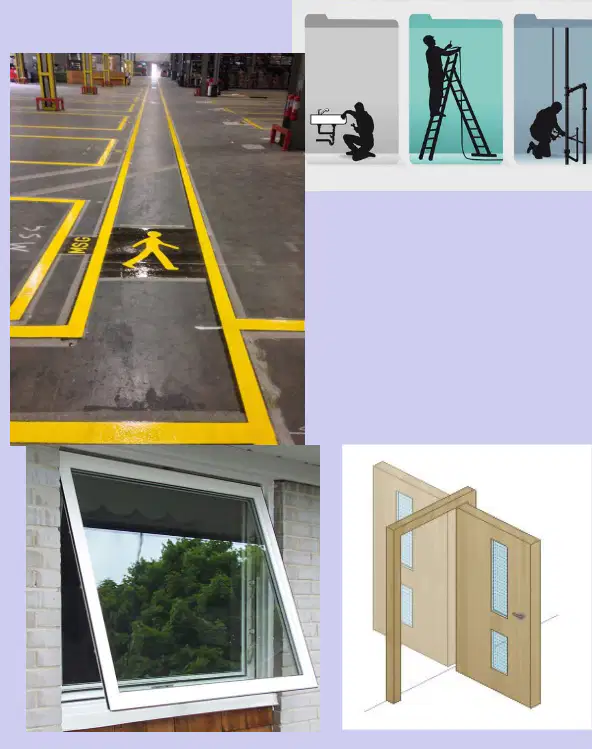
Which of the following is an example of a safety issue in the workplace?
Maintenance
Playing games
Watching TV
Eating snacks
Why is it important to keep floors and traffic routes clear in the workplace?
To prevent accidents and keep people safe
To make the floor look shiny
To have more space for decorations
To make it easier to play games
If you see a broken escalator at work, what should you do to help keep everyone safe?
Tell an adult or maintenance worker
Try to fix it yourself
Ignore it and keep using it
Run up and down quickly
How can windows, doors, and gates be made safer in the workplace?
By making sure they open and close properly
By painting them bright colors
By leaving them open all the time
By putting toys near them
Which of the following is an example of a welfare issue in the workplace?
Drinking water
Playing video games
Watching TV
Riding a bicycle
Why is it important for workers to have a place to rest and eat meals at work?
It helps them stay healthy and have energy.
It makes them work slower.
It is only for fun.
It is not important at all.
If a worker needs to change into special clothes for their job, what should the workplace provide?
Accommodation for clothing and changing
A swimming pool
A playground
A movie theater

Which one shows a place where workers can wash their hands or get water?
The picture with the water dispenser
The picture with people eating
The picture with clothes hanging
The picture with a playground
Imagine you are planning a new workplace. What is one thing you should include to make sure workers are comfortable and safe?
Sanitary conveniences and washing facilities
Loud music speakers
Video game consoles
Roller coasters
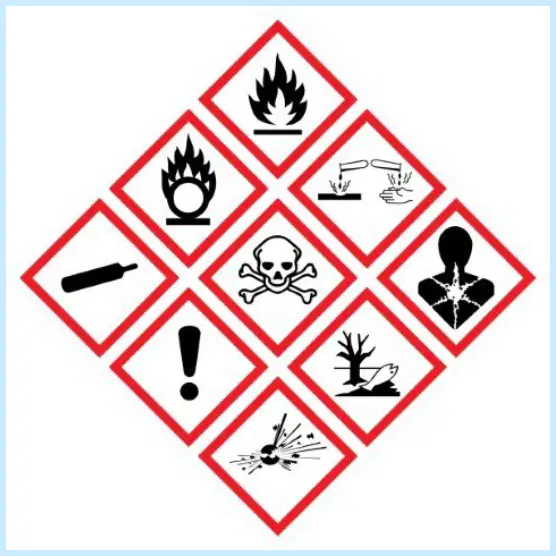
Why is it important for employers to control exposure to hazardous substances at work?
To prevent ill health to their workers
To make work more fun
To save money on cleaning supplies
To avoid using any substances at all
What does COSHH stand for?
Control of Substances Hazardous to Health
Control of Safety Hazards at Home
Control of School Health and Hygiene
Control of Substances Helpful to Health
If you were an employer, what should you do according to COSHH regulations when using hazardous substances?
Prevent, reduce, or at least control exposure to hazardous substances
Ignore the substances and continue working
Only use substances that look safe
Ask workers to bring their own safety equipment
Imagine you are planning a safe workspace. What evidence from research suggests about workers' exposure to hazardous substances?
Almost a quarter of workers are exposed in some way whilst at work
No workers are ever exposed to hazardous substances
Only managers are exposed to hazardous substances
All workers are exposed every day

Which of the following is a form that hazardous substances can come in?
Chemicals
Fruits
Water
Toys

If you see smoke coming out of a factory, which form of hazardous substance might it be?
Fumes
Water
Food
Paper
Why is it important to know the different forms hazardous substances can take?
So we can stay safe and avoid them
So we can play with them
So we can eat them
So we can ignore them
If you are cleaning and see a lot of dust in the air, what should you do to stay safe?
Cover your nose and mouth
Run into the dust
Ignore it
Eat the dust
Why is it important for companies to follow COSHH regulations?
To improve production and cut waste
To make workers work longer hours
To increase the number of hazardous substances
To ignore workers' health
If a company does not follow COSHH regulations, what might happen to its workers?
Workers may get lung disease, cancer, or skin disease
Workers will get more holidays
Workers will earn more money
Workers will become famous
Which of the following places can have exposure to dust and fumes that may be harmful to health?
Quarries and woodworking factories
Supermarkets and libraries
Parks and playgrounds
Restaurants and cafes
What are some illnesses that can be caused by exposure in construction environments?
Dermatitis, asthma, and cancer
Headache, fever, and cold
Toothache, sore throat, and earache
Chickenpox, measles, and mumps
Which of the following substances used at work can be harmful?
Glue, ink, paint, lubricant, beauty products, and detergent
Water, paper, and pencils
Bread, milk, and cheese
Sand, clay, and gravel
Why is it important to control exposure to substances like benzene in crude oil at work?
Because it can cause leukaemia
Because it makes things taste better
Because it helps plants grow
Because it makes the air smell nice
If a cloud of dust from materials like flour or wood dust is present, what could happen if it is ignited?
It can explode
It will turn into rain
It will disappear
It will become sticky
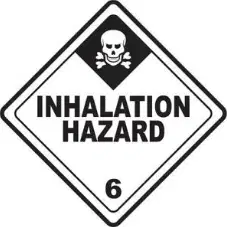
Which part of the body can be harmed if you inhale dangerous substances?
The liver
The feet
The hair
The eyes
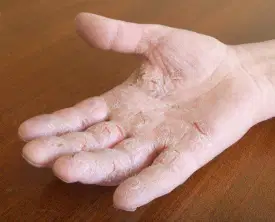
How can skin get contaminated by harmful substances?
By splashing, airborne dust, or contact with contaminated surfaces
By listening to loud noises
By eating healthy food
By wearing clean clothes
If a substance is inhaled, which parts of the body can it attack first?
Nose, throat, or lungs
Feet, hands, or ears
Stomach, eyes, or hair
Fingers, toes, or knees
Why is it important to protect your skin when working with dangerous substances?
Because substances can damage the skin and pass through to harm other parts of the body
Because it makes your skin look shiny
Because it helps you run faster
Because it keeps you warm

