
 Worksheets
Learning Outcome 5: Installation Requirements
Total questions: 33
Worksheet time: 17mins
Which statement best describes the focus of Learning Outcome 5 for cold water systems?
Designing advanced hot water circulation loops
Memorizing historical pipe materials used
Understanding installation requirements in detail
Calculating complex thermal expansion coefficients
Which factor directly affects the selection of a cold water system for a property?
Number of bathroom tiles installed
Water pressure measured in bar
Colour of the plumbing fixtures
Pipe material used on site
What is the primary tool used to test water pressure near the point of entry?
Manometer with inclined tube
Digital ultrasonic sensor
Flow cup with calibrated scale
Bourdon Gauge with flexible hose
Where should water pressure be measured first in a building’s cold water system?
At the kitchen tap outlet
Near the point of mains entry
At the highest outlet upstairs
After the water heater discharge
Which statement correctly describes testing water flow rate in a property?
Measure at one tap only for accuracy
Use a flow cup at each outlet
Record pressure in bar at the meter
Use a Bourdon Gauge for flow
Which measurements are commonly used when assessing a property’s cold water supply?
Electrical resistance in ohms
Pressure in bar units
Flow rate in litres per second
Temperature in degrees Celsius
What does water pressure most directly refer to in a plumbing system?
Force behind water flow
Speed of water moving
Amount of water stored
Temperature of the water
Which two basic means can create pressure in plumbing systems?
Pump fitted to the system
Heating water to expand
Weight of water creating head
Using smaller diameter pipes
Flow rate is best defined as which of the following?
Volume discharging to an appliance
Force pushing through the pipes
Height difference between tanks
Energy used by the pump
Which instrument could be used to check flow rate when setting up a combination boiler?
Thermometer probe
Pipe thread gauge
Pressure gauge dial
Flow cup or weir cup
If a bath fills slowly because the flow rate is poor, which measurement unit would indicate this directly?
Degrees Celsius
Litres per minute
Metres of head
Newtons per square metre
Convert 60 litres per minute to litres per second.
1 litre per second
10 litres per second
0.1 litres per second
6 litres per second
Which factors can affect both pressure and flow in cold water systems? Select all that apply.
Daily demand at peak periods
Number of elbows in pipe runs
Distribution main size
Colour of the pipe insulation
Blockages within the system
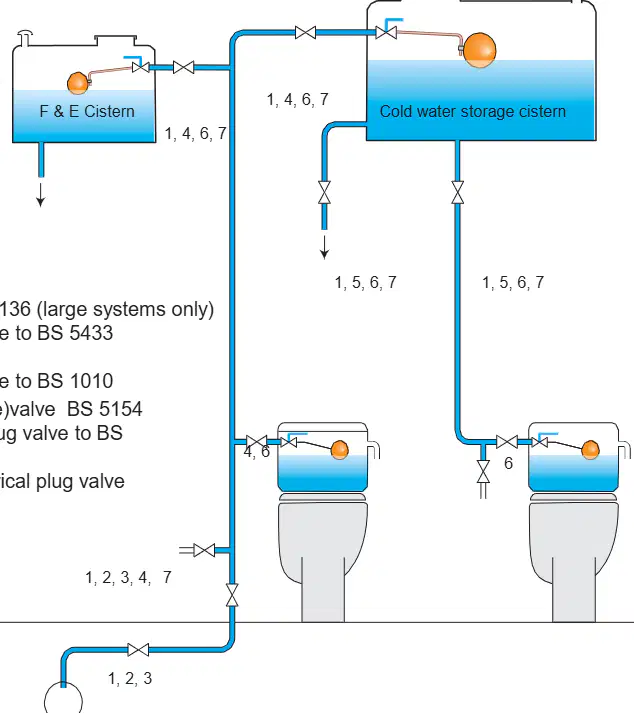
In the diagram of a direct cold water system, which component is correctly used to isolate a branch supplying a WC cistern for maintenance?
Screwdown stop valve on branch feed
Plugcock on storage cistern outlet
Lever spherical plug valve on float arm
Flanged gate valve at small branch
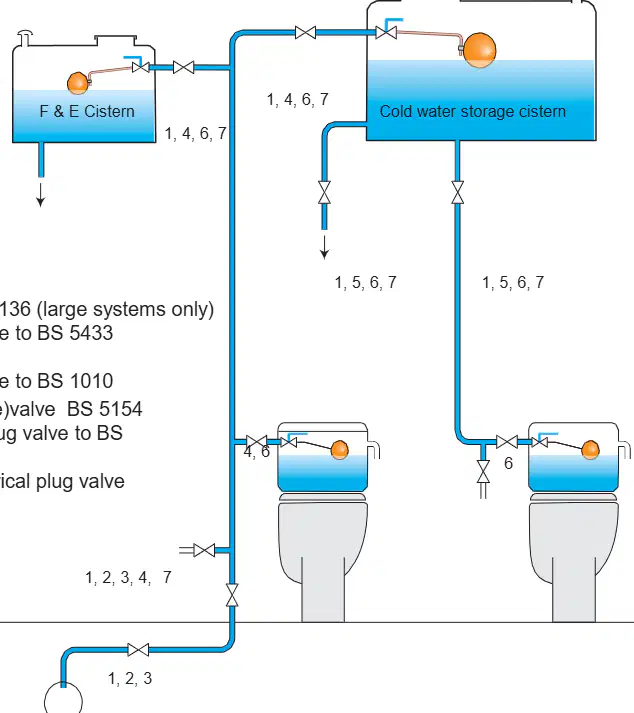
Which valves are appropriate for controlling flow at the cold water storage cistern outlet in a direct system?
Slot type spherical plug valve
Plugcock for BS 2580 standard
Flanged gate valve for large systems
Wheel operated gate valve
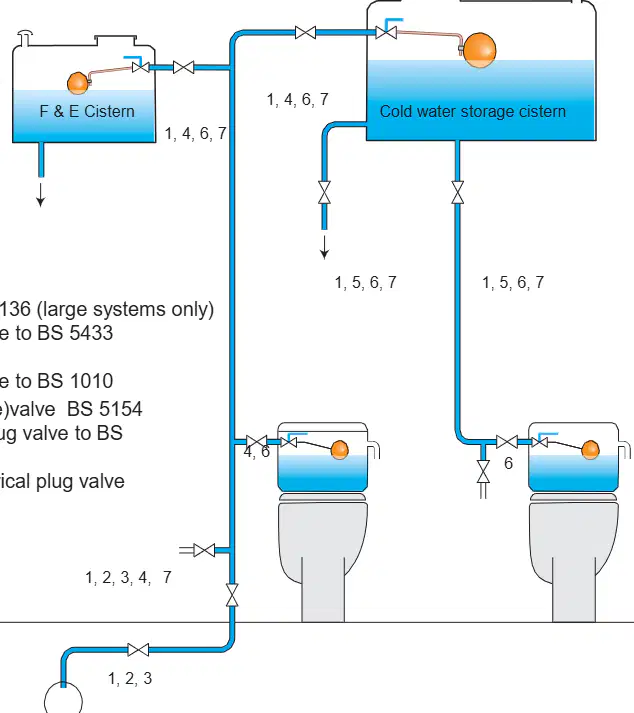
A lever operated spherical plug valve is best positioned where quick on/off control is needed. In the diagram, where is this most suitable?
On the cold water storage cistern vent
On the main rising main entry
On the F&E cistern overflow
On the branch before the WC cistern
Which tool is recommended for drilling a hole in a flexible plastic cistern?
Hole saw with pilot bit
Step cone cutter only
Heated copper pipe method
Twist drill without guide
Why should heating a copper pipe to melt a hole in a cistern be avoided?
It breaks down plastic polymers
It dulls cutting tools quickly
It makes the hole too small
It voids tool warranties
When cutting rigid cisterns, what additional practice must be done after drilling?
Paint the cut with primer
Remove swarf from the cut
Flush with oil-based compound
Leave swarf to settle inside
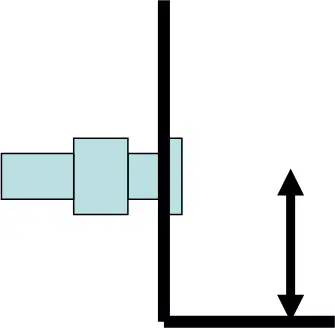
For side or bottom outlets on storage cisterns, what minimum clearance helps prevent debris entering the pipework?
10 mm from tank floor
25 mm from tank floor
40 mm from tank floor
5 mm from tank floor
Which statement about jointing compounds on plastic cisterns is correct?
Oil-based compounds seal better
Use oil only on metal parts
Avoid oil-based compounds entirely
Use oil-based jointing liberally
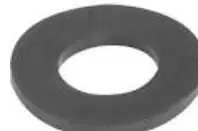
What component creates the watertight seal on the inside face of a compression tank connector?
Neoprene washer outside
Rubber washer inside
Metal backing ring
PTFE tape only
Which combination correctly improves sealing of an outlet connector through a plastic cistern wall?
Two neoprene washers outside
Rubber washer inside only
Oil-based mastic on threads
Rubber inside and neoprene outside
Which tools are suitable for cutting holes in rigid cisterns?
Hole saw with arbor
Hand file alone
Cook’s hole cutter
Heated copper pipe
Which statement best explains why plastic pipe requires shorter horizontal clipping distances than copper pipe of the same size?
Copper expands more and bends under load
Copper lacks rigidity in vertical runs
Plastic softens with heat and sags more
Plastic is heavier and increases dead load
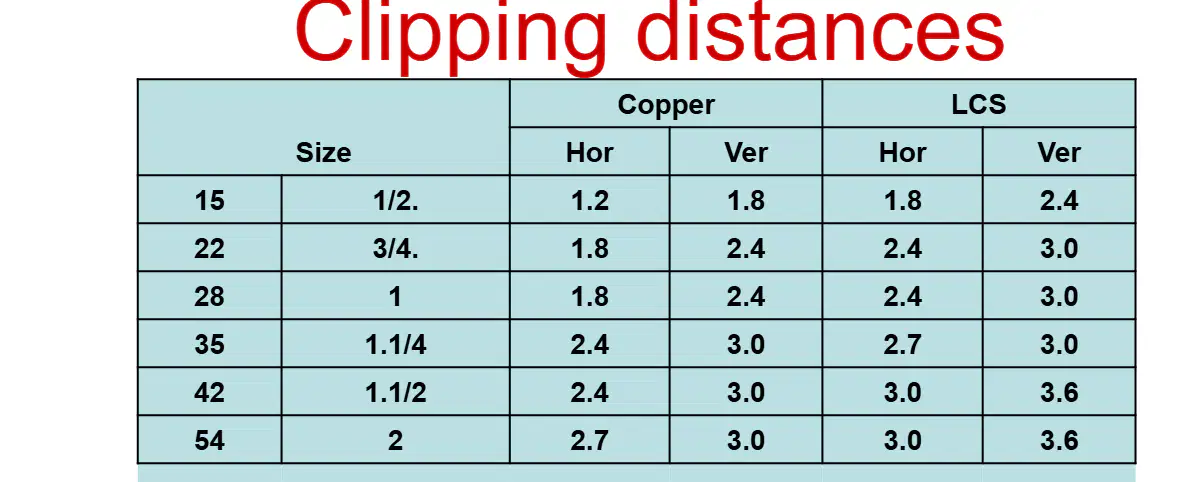
A 22 mm copper pipe is run horizontally. What is the appropriate clipping distance to prevent sagging?
2.4 metres between clips
3.0 metres between clips
1.8 metres between clips
1.2 metres between clips
Select all valid reasons for setting specific pipe clipping distances.
Provide pipe support along the run
Limit pipe sagging under its own weight
Ensure smaller diameters hang more freely
Make plastic pipes stiffer when heated
Account for different vertical and horizontal forces
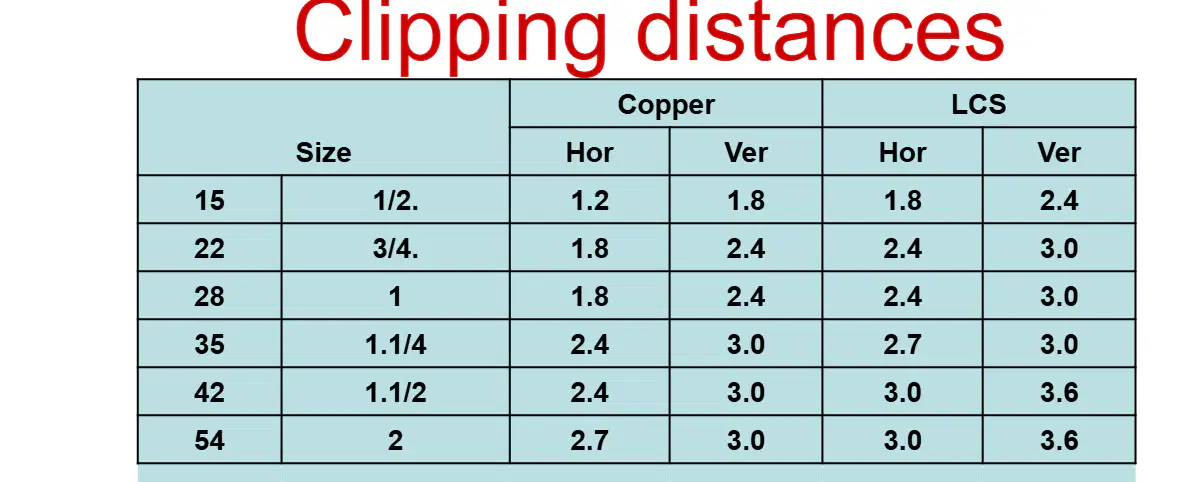
For a vertical run of 35 mm copper pipe, what clipping distance should be used?
2.7 metres between clips
2.4 metres between clips
3.0 metres between clips
3.6 metres between clips
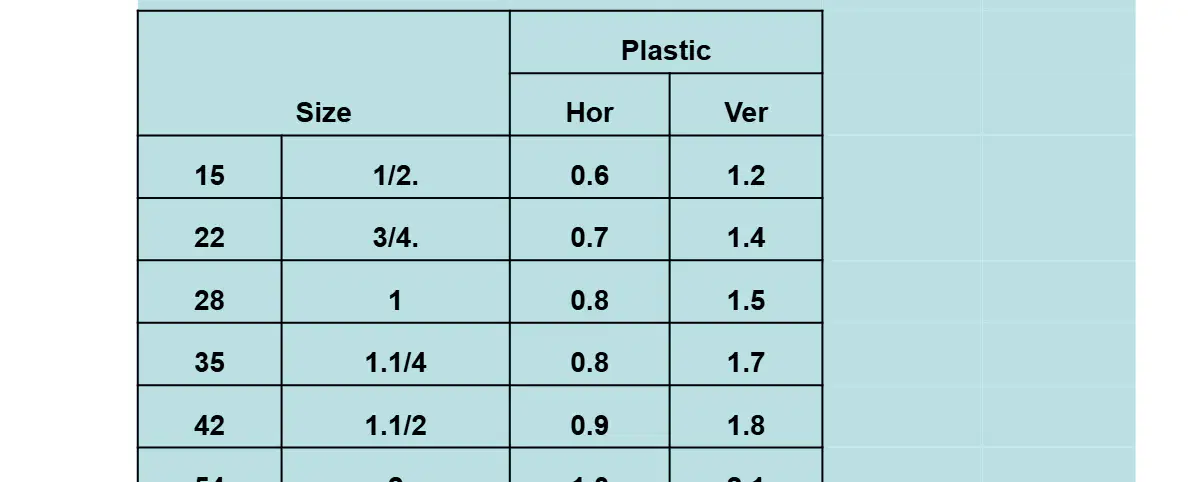
A 28 mm plastic pipe is installed vertically. Choose the correct clipping distance.
1.7 metres between clips
1.4 metres between clips
1.2 metres between clips
1.5 metres between clips
When insulating pipework against freezing, what is the realistic outcome of insulation?
It completely prevents freezing in all weather
It delays freezing during very cold weather
It warms pipes using room heat transfer
It redirects moisture away from fittings
Select the materials that commonly require transition fittings to join to copper in cold water supply systems.
Concrete ducts
Stainless steel tube
Lead pipework
MDPE service pipes
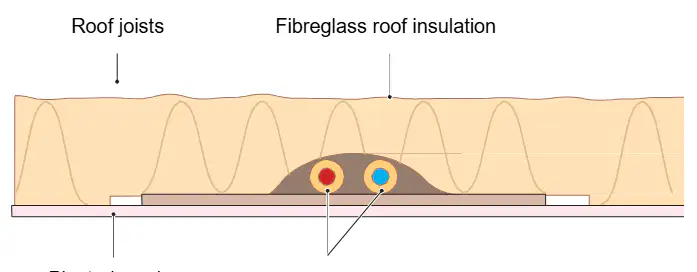
In a roof space, how should pipework be treated to manage heat and freezing risk?
Place beside radiators without insulation
Wrap only hot pipes, not cold pipes
Insulate even when below roof insulation
Leave exposed above roof insulation
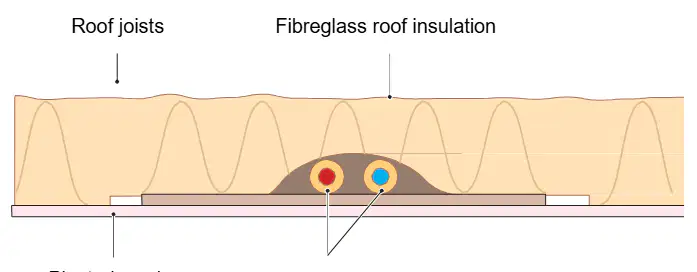
Why is insulation still required for pipes placed below roof insulation in lofts?
To improve soundproofing of ceiling voids
To meet plasterboard fire ratings
To avoid unnecessary warming from rooms below
To stop expansion of roof joists

