
 Worksheets
Module 2: Natural Selections and Adaptations
Total questions: 35
Worksheet time: 18mins
Name
Class
Date
1.
1. These are slight differences in inherited traits among individual members of a species. They occur through mutations.
a)
Abnormalities
b)
Variations
c)
Alterations
d)
Fluctuations
2.
2. The process in which individuals with variations that help them survive in their environments live longer, compete better and reproduce more
a)
Common Selections
b)
Artificial Selections
c)
Natural Selections
d)
Instinctive Selections
3.
3. This British scientist and naturalist observations led to the Theory of Evolution by Natural Selection.
a)
Isaac Newton
b)
Charles Darwin
c)
Stephen Hawking
d)
Albert Einstein
4.
4. What is Evolution?
a)
The name for organisms that live together
b)
Resources in an ecosystem
c)
Number of species in a given area
d)
Changes in species over time
5.
5. In 1835 Darwin explored this area studying the different species of tortoises and finches.
a)
Great Britain
b)
South America
c)
Galapagos Islands
d)
Africa
6.
6. What did Darwin discover about the many different species of tortoises?
a)
The tortoises swim from island to island.
b)
Each tortoise came from a different area of the world that is why they look different
c)
Galapagos tortoises evolved different shell shapes and neck lengths on each island due to different environments and food sources.
d)
The Galapagos used to be one big island which all the tortoises lived, then later broke apart.
7.
7. Why does Darwin's Theory Matter? Choose 3
a)
Shows how only certain species can evolve.
b)
Provides clear evidence for evolution.
c)
It created the fossil record
d)
Shows how species adapt to their environment
e)
Demonstrates natural selection in nature
8.
8. These are traits that animals have developed to help them survive in their environment
a)
Habits
b)
Adaptations
c)
Personality
d)
Attributes
9.
9.This is an adaptation in which an animal blends into its environment.
a)
Camouflage
b)
Blending
c)
Coloring
d)
Masking
10.
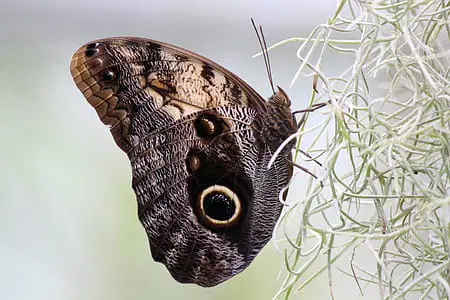
10. This is an adaptation in which an animal is protected against predators by its resemblance to another species that is a predator or dangerous.
a)
Mimicry
b)
Imitation
c)
Countershading
d)
Inherited Behavior
11.
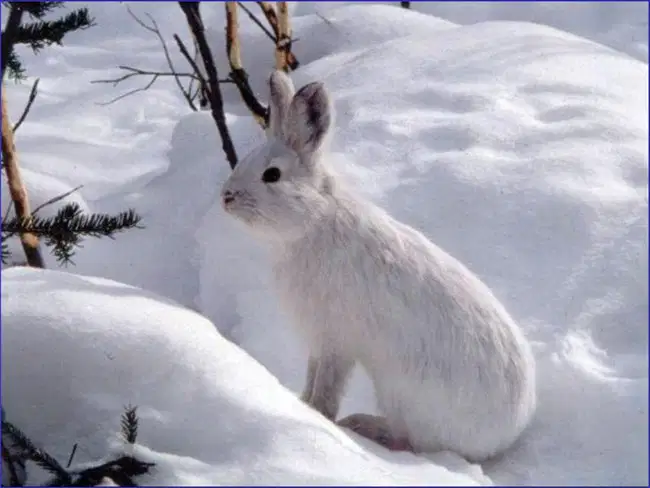
11. This is a camouflage adaptation where animals are the same color as their surroundings
a)
Warning Coloration
b)
Disruptive Coloration
c)
Protective Resemblance
d)
Protective Coloration
12.
12.This type of adaptation is when animal outlines are difficult to judge
a)
Countershading
b)
Warning Coloration
c)
Disruptive Coloration
d)
Mimicry
13.
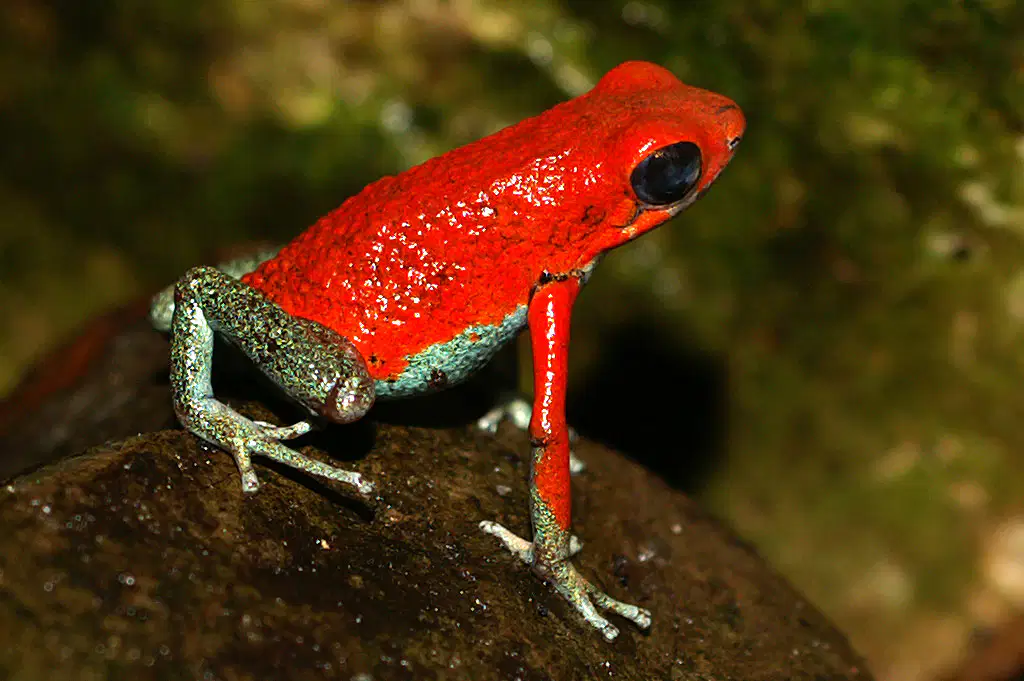
13. This adaptation is when an animal has bright colors to warn predators away.
a)
Disruptive Coloration
b)
Protective Resemblance
c)
Mimicry
d)
Warning Coloration
14.
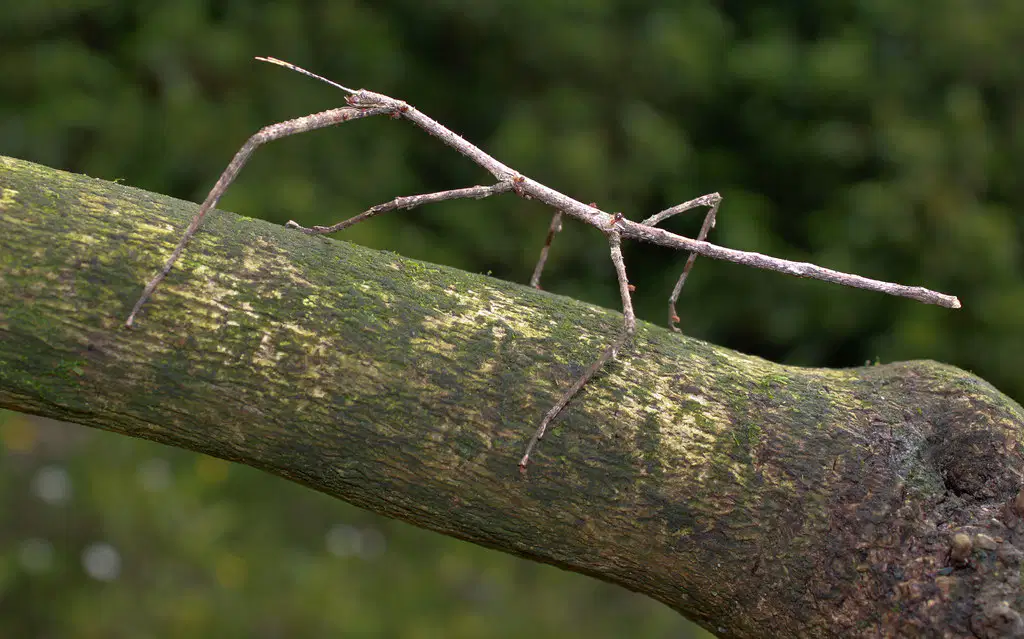
14. This is a camouflage adaptation when an animal looks almost identical to something in its surroundings… not a predator
a)
Protective Coloration
b)
Protective Resemblance
c)
Countershading
d)
Warning Coloration
15.
15. This is a form of camouflage where an animal's back is darker and its underside is lighter
a)
Disruptive Coloration
b)
Warning Coloration
c)
Countershading
d)
Protective Resemblance
16.
16. What is an inherited trait?
a)
Something that you inherit when a loved one passes away.
b)
When the younger organism takes over the role of the older organism.
c)
Something that is passed down from one generation to the next such as physical features or knowing how to build a nest, migration and hibernation.
d)
Something that is worked for by putting in a lot of time and energy
17.
17. This is when humans influence traits in other organisms to produce more desired traits.
a)
Artificial Selection
b)
Synthetic Selection
c)
Manufactured Selection
d)
Imitation Selection
18.
18. This is the selection and breeding of organisms for their desired traits.
a)
Careful Breeding
b)
Selective Breeding
c)
Particular Breeding
d)
Choosy Breeding
19.
19. This is the biological and chemical methods that change the arrangement of DNA that makes up a gene.
a)
Heredity Change
b)
Modified Engineering
c)
Genetic Engineering
d)
Gene Development
20.
20. Food Products that have been genetically engineered
a)
Genetic Substitution
b)
Genetically Transformed
c)
Genetically Adjusted Organisms or GAOs.
d)
Genetically Modified Organisms or GMOs.
21.
21. This means found only in one specific location
a)
Ancient
b)
Endemic
c)
Indigenous
d)
Diverse
22.
22. A group of organisms that can breed together
a)
Species
b)
Variety
c)
Community
d)
Phylum
23.
23. What did Darwin discover about the finches on the Galapagos Islands.
a)
Claw shapes for perching on limbs while catching insects in their beaks
b)
Ability to fly from island to island to find the food they prefer
c)
Their beak shape relates directly to their food sources on the islands.
d)
Cooperative behavior so they could share limited seeds and nectar
24.
24. Which is an example of a Behavioral Adaptations?
a)
The blood vessels in the jackrabbit's ears expand to enable the blood to cool before reentering the body.
b)
The jackrabbit stays still during the hottest part of the day, helping it conserve energy.
c)
The jackrabbit's powerful legs help it run fast to escape predators.
d)
The jackrabbit nose helps it smell out predators that are approaching or near by.
25.
25. Darwin was convinced that all the tortoise species were related and came from a common ancestor. Eventually spreading throughout the islands. Over many generations each species developed a neck shape and shell shape that made it easier to access food sources.
These differences suggested that
a)
the tortoise species did not come from a common ancestor
b)
species adapt to their environments over time.
c)
species do not adapt to their environments over time.
d)
the tortoises became good swimmers and could swim from island to island.
26.
26. A permanent change in the sequence of DNA is called a
a)
Mutation
b)
Alteration
c)
Transformation
d)
Modification
27.
27. The thick blubber layer in whales and seals is an adaptation that primarily helps with
a)
Swimming faster in water
b)
Protecting against predator attacks
c)
Insulating the body to maintain warmth
d)
Storing extra food for long journeys.
28.
28. Behavioral adaptations include:
a)
A porcupines sharp quills
b)
A bats wing structure
c)
Migration patterns of birds
d)
A turtle's hard shell
29.
29. Which adaptation helps Arctic foxes survive in extremely cold environments?
a)
Webbed feet for swimming
b)
White fur that provides warmth and camouflage in snow
c)
Sharp claws for climbing trees
d)
Stores extra food for long winter storms
30.
30. Which of the following is an example of a structural adaptation?
a)
A bear hibernating during winter
b)
A bird migrating south for the winter
c)
A chameleon changing colors to match its surroundings
d)
A giraffe's long neck for reaching high leaves
31.
31. Long eyelashes and hairy ears help protect this animal from sandstorms.
a)
Eagle
b)
Camel
c)
Polar Bear
d)
Penguin
32.
32. It huddles together with other birds to keep warm. Its wings are more like flippers to help it swim.
a)
Eagle
b)
Hummingbird
c)
Penguin
d)
Pigeon
33.
33. This animals mane helps protect its neck. It also helps the animal look larger than it is.
a)
Lion
b)
Monkey
c)
Ostrich
d)
Polar Bear
34.
34. This animal can run up to 70mph to catch prey. Its fur coat helps it hide in the grassy plains
a)
Meerkat
b)
Cheetah
c)
Hyena
d)
Prairie Dog
35.
35. This fast running bird can outrun predators. It also kicks to protect itself
a)
Eagle
b)
Ostrich
c)
Robin
d)
Hawk
100 %

