
 Worksheets
Road Systems
Total questions: 15
Worksheet time: 8mins
Which material was introduced in 1845 to help create smooth, waterproof road surfaces?
Asphalt
Concrete
Tarmac
Gravel
Which type of road is described as having a central barrier or reservation separating opposing directions and is mainly used to link major cities in the United Kingdom?
Dual carriageways
Motorways
Country lanes
Dirt tracks
Why are learner drivers and agricultural vehicles not permitted to use motorways?
Because motorways are too narrow
Because of their speed restrictions
Because motorways are only for lorries
Because motorways have tolls
Explain how the design of modern roads helps manage rainwater and prevent damage to the road surface.
Roads are built with holes to let water pass through
Roads are coated with tarmac and laid with a slight camber
Roads are made entirely of waterproof plastic
Roads are covered with sand to absorb water
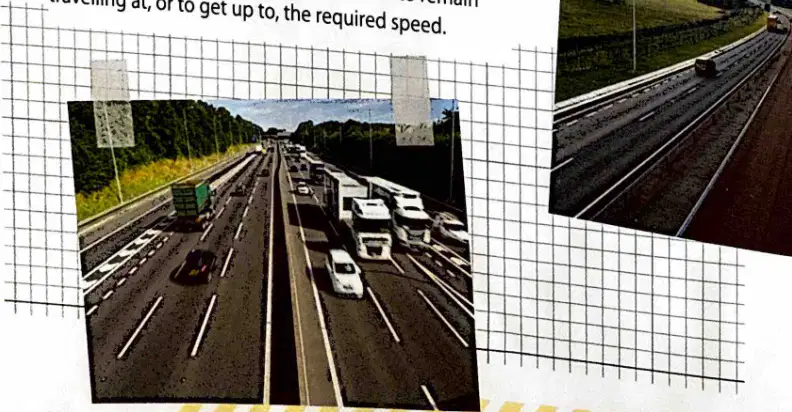
Compare the main differences between motorways and dual carriageways in terms of their purpose and design.
Motorways link major cities and have a central barrier; dual carriageways link towns and cities and have two traffic lanes separated by a central reservation
Motorways are only for lorries; dual carriageways are for cars
Motorways have no speed limit; dual carriageways have a speed limit of 50 mph
Motorways are made of dirt; dual carriageways are made of concrete
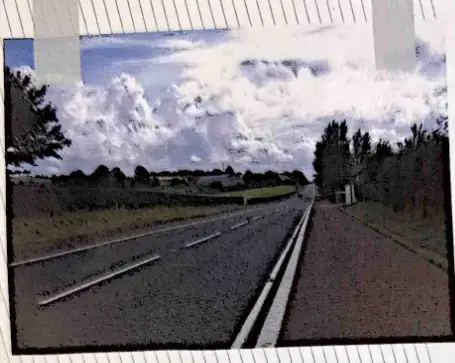
Which type of road is characterised by having no central reservation to separate lanes of traffic travelling in opposite directions, with a usual speed limit of 60 miles per hour in rural areas?
Single-carriageway
Primary route
Non-primary route
Single track road
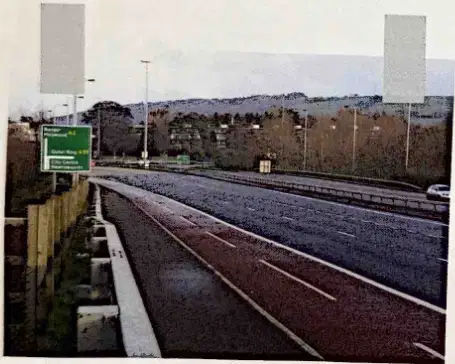
What is the main difference between primary routes and non-primary routes in terms of road signs in the United Kingdom?
Primary routes have green signs with white lettering; non-primary routes have black lettering on a white background.
Primary routes have blue signs with white lettering; non-primary routes have green signs with white lettering.
Primary routes have red signs with black lettering; non-primary routes have blue signs with white lettering.
Primary routes have white signs with black lettering; non-primary routes have green signs with white lettering.
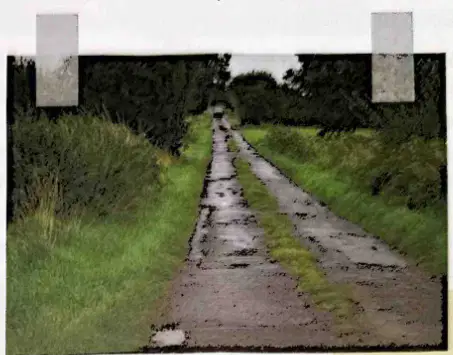
If two vehicles meet on a single-track road and there is no passing place at the meeting point, what must one of the vehicles do?
Reverse back along the road until a passing place wide enough is reached
Drive off the road onto the verge
Wait for the other vehicle to reverse
Both vehicles must stop and wait for assistance
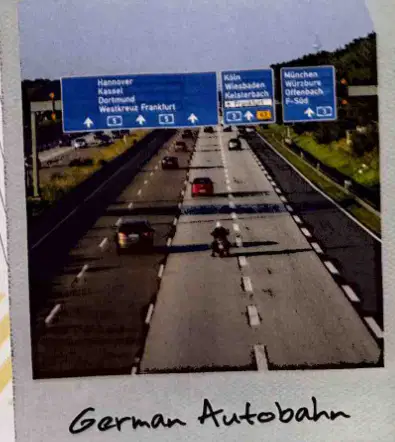
Which country refers to its motorways as "Autostrada" and what is the recommended speed limit on these roads?
Italy, 80 mph
Germany, 80 mph
France, 75 mph
Spain, 68 mph
Explain how the upgrading and building of better roads can lead to increased traffic congestion in towns and cities. Use reasoning and evidence from the text.
Better roads encourage more vehicles onto the roads, leading to congestion in built-up areas.
Better roads make vehicles slower, causing traffic jams.
Upgraded roads are often closed for repairs, increasing congestion.
Building better roads reduces the number of vehicles, decreasing congestion.
Which of the following is a measure introduced to ease traffic congestion in cities?
Increasing the number of vehicles on the road
Introducing parking restrictions and one-way streets
Removing pedestrian zones
Widening roads for more traffic
What is the main purpose of pedestrian zones in cities?
To allow more cars to park
To reduce pollution and make areas safer for walking
To increase traffic speed
To provide space for delivery lorries only
Which vehicles are usually permitted in pedestrian zones?
All private cars
Service vehicles such as bin lorries and delivery vans
Motorcycles only
Bicycles only
Explain how traffic calming measures help reduce speeding in built-up areas.
By making roads smoother for faster driving
By creating obstacles that force drivers to slow down
By removing all road signs
By increasing the number of lanes
Why are delivery vehicles and bin lorries often restricted to certain times in pedestrian zones?
To avoid disturbing residents at night
To reduce congestion and keep pedestrian areas safe during busy hours
To allow more private cars during the day
To increase pollution in the area

