
Font size
 Worksheets
25-26 GR6 Unit 4 CBA
Total questions: 27
Worksheet time: 21mins
What religious tradition is most common in the culture of many European societies?
Islam
Judaism
Hinduism
Christianity
What event of the mid-1900s greatly contributed to increased cooperation between European nations?
Outbreak of war in Southeast Asia
Emergence of powerful nations in Africa
Economic competition from the United States
Devastation caused by the Second World War
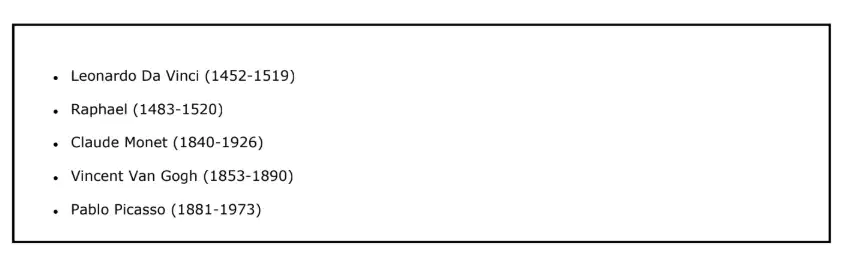
The above listed men made a lasting contribution to European culture by —
creating folktales and stories
introducing new political ideas
producing master works of art
composing famous symphonies
One way migration has affected the character of place in many large cities in Europe includes the —
construction of highways
decline of the public school system
building of modern office complexes
establishment of a variety of restaurants
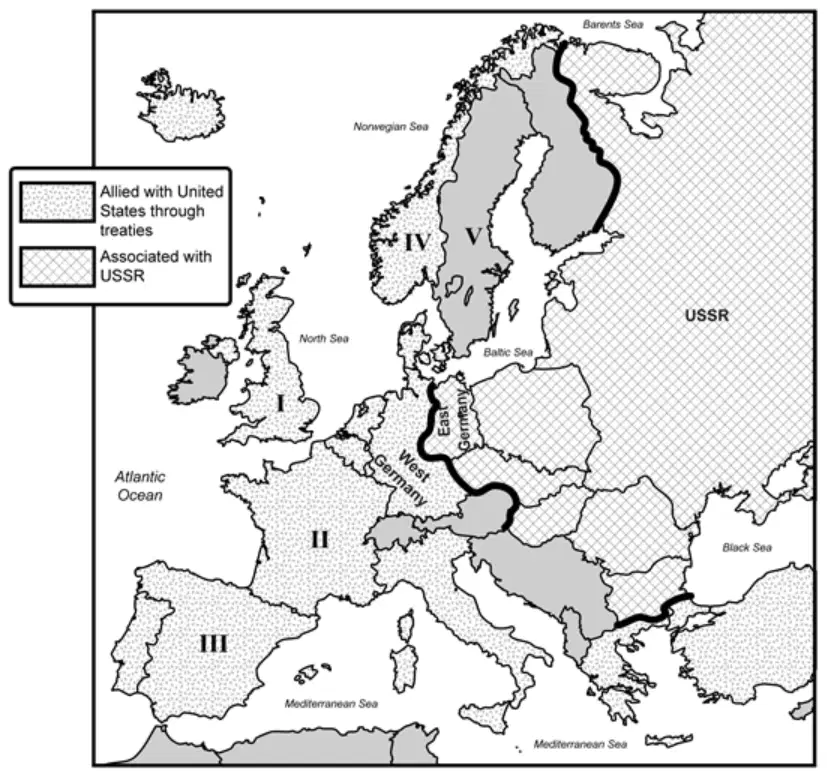
Based on the map, which peninsula is home to the countries labeled IV and V?
A. Balkan
B. Iberian
C. Jutland
D. Scandinavian
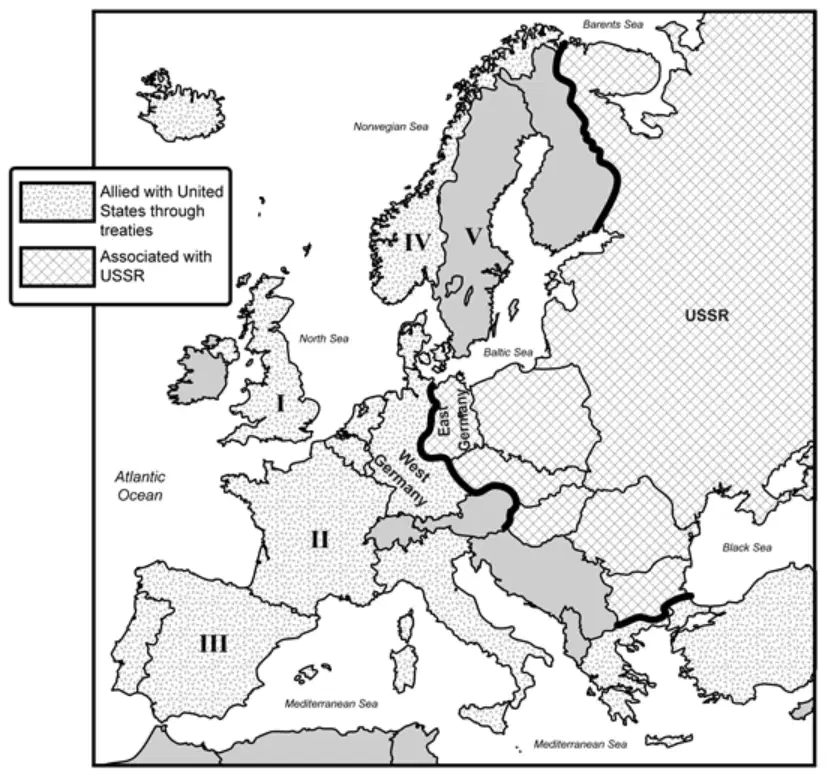
Which of the following correctly identifies the location of European countries based on the map?
F. I. England; II. France; III. Spain; IV. Sweden; V. Norway
G. I. England; II. Spain; III. France; IV. Norway; V. Sweden
H. I. England; II. France; III. Spain; IV. Norway; V. Sweden
J. I. France; II. England; III. Spain; IV. Sweden; V. Norway
One way entrepreneurs influence economies in Europe is by —
creating jobs
conserving resources
providing skilled labor
expanding government regulations
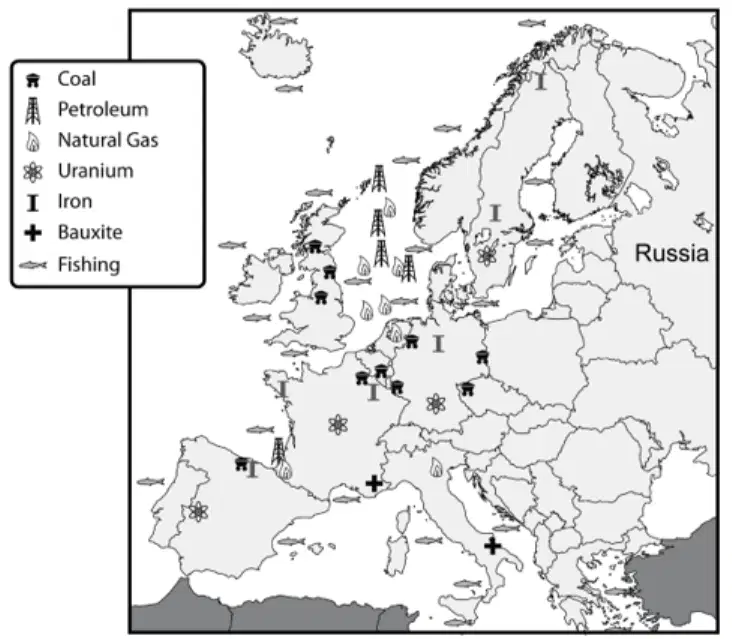
How did the distribution of natural resources on the map contribute to a first step towards creation of the European Union?
European borders were opened to address a shortage of miners.
Europeans formed a trade union to encourage the building of pipelines.
Europeans created a single market to avoid conflicts between fisherman.
European nations created a free trade zone for coal and steel to secure peace.
What is similar about the organization of the European Union single market and the United States as a single market?
Passports are required for foreigners to visit either region.
Goods, money, and people move freely within each region.
Government intervention in the economy is prohibited in both.
Both markets limit the amount of goods that can be imported.
Travel throughout Europe is facilitated by an extensive railroad system. This system is an example of which type of industry?
Retail
Service
Agricultural
Manufacturing
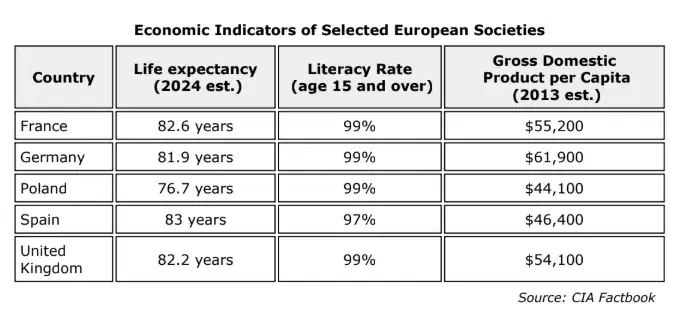
Based on the information in the table, the level of economic development in Europe is best described as —
A. underdeveloped
B. less developed
C. newly developed
D. more developed

Based on the information in the table, what is one way that many governments in Europe are similar?
Most are considered to be limited monarchies.
They were modeled after the U.S. government.
Power is shared between two executive leaders.
Revolutions brought about the political systems.
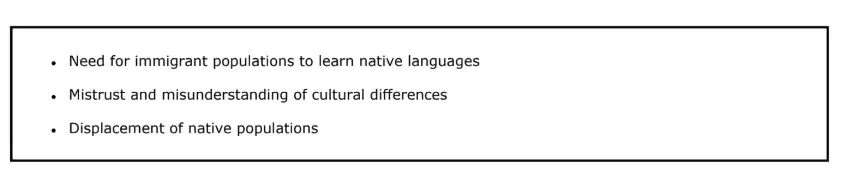
The conditions listed in the box are characteristic of societies that deal with the challenges created by —
poverty
multiculturalism
lack of education
European Union policies
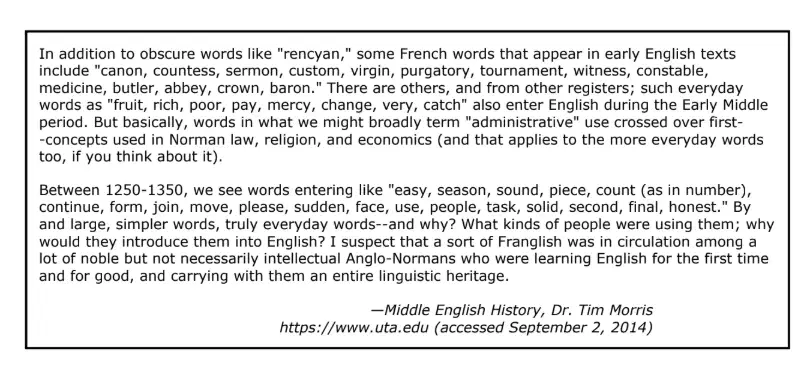
Based on the excerpt, French culture influenced English culture by—
adding a variety of new books to English literature
introducing new economic concepts to the English
producing a new dictionary for the English language
transforming the vocabulary of the English language
Europe has a history characterized by instances of conflict and cooperation between cultures. Most recently many European nations have been working to cooperate by —
isolating the United States
forming the European Union
reducing stockpiles of weapons
limiting immigration to the region
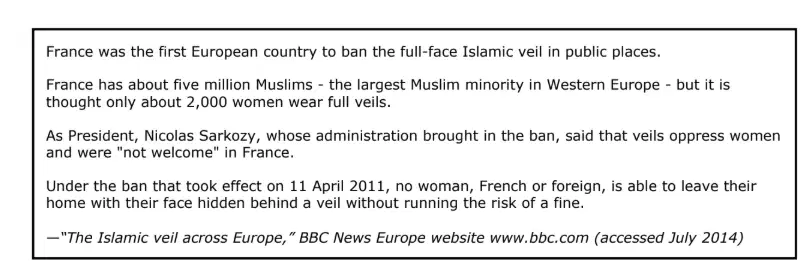
According to the excerpt, cultural diffusion in parts of Europe has resulted in —
violent social unrest
segregation of women
tension between groups
adoption of new traditions
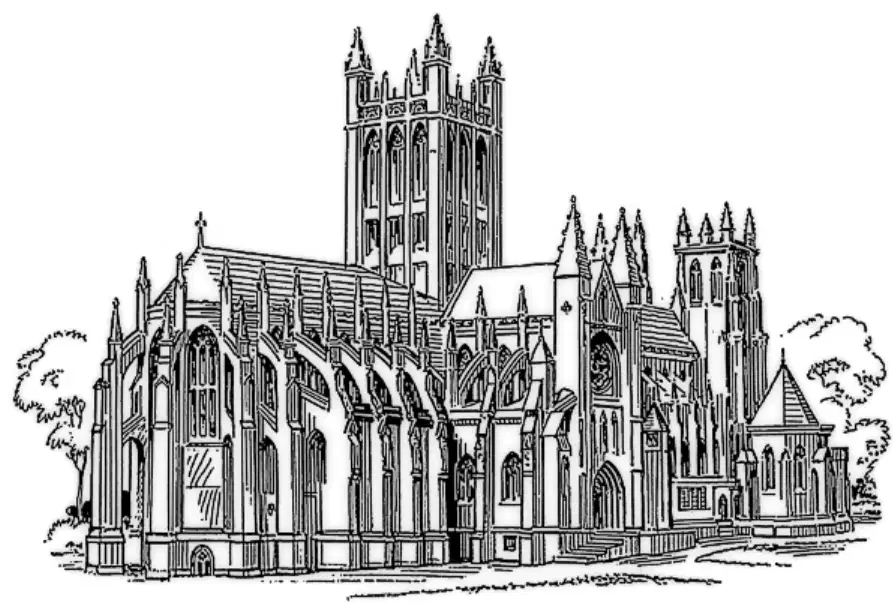
The architectural example above is common throughout much of Western Europe. This type of architecture reflects the cultural influence of —
wealthy donors in Europe
Christian values in Europe
Greek philosophy in Europe
cultural convergence in Europe
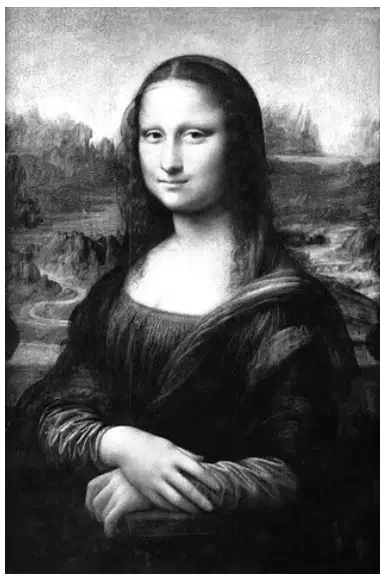
The work of art shown above continues to be studied by artists around the world. It was produced by a famous Italian artist of the European Renaissance. What is the title of this work?
Self-Portrait
Mona Lisa
Last Supper
The Knight's Bride
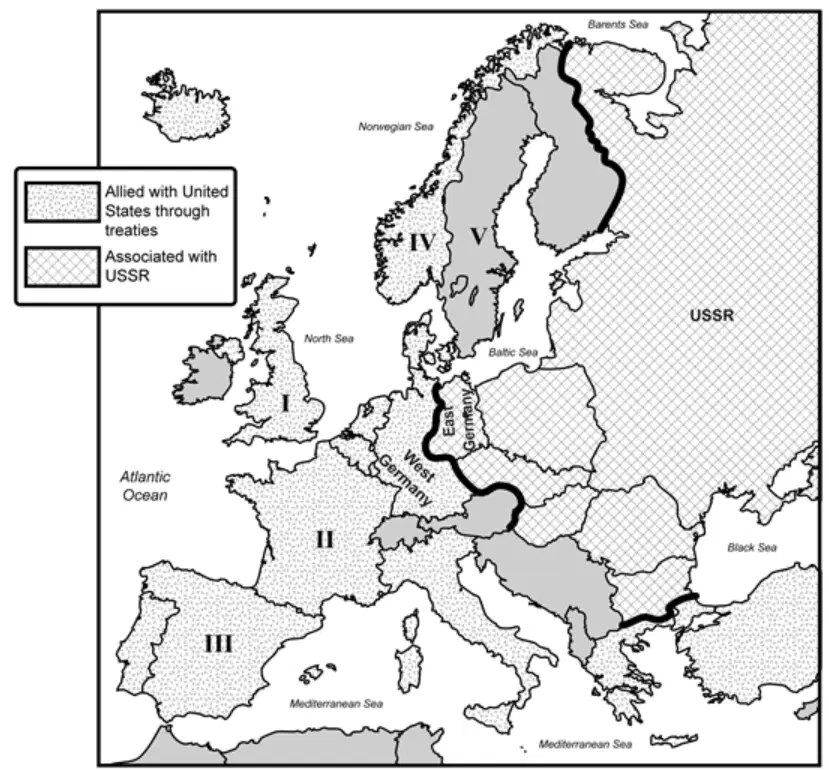
Based on the map, what geographic pattern was characteristic of Europe in 1980?
A. Western Europe and Eastern Europe were divided by an imaginary boundary.
B. Many of the countries in Western Europe had unified to form the European Union.
C. A physical barrier was erected between France in the west and Germany in the east.
D. Most countries in Europe choose to be neutral and not aligned with any other nations.
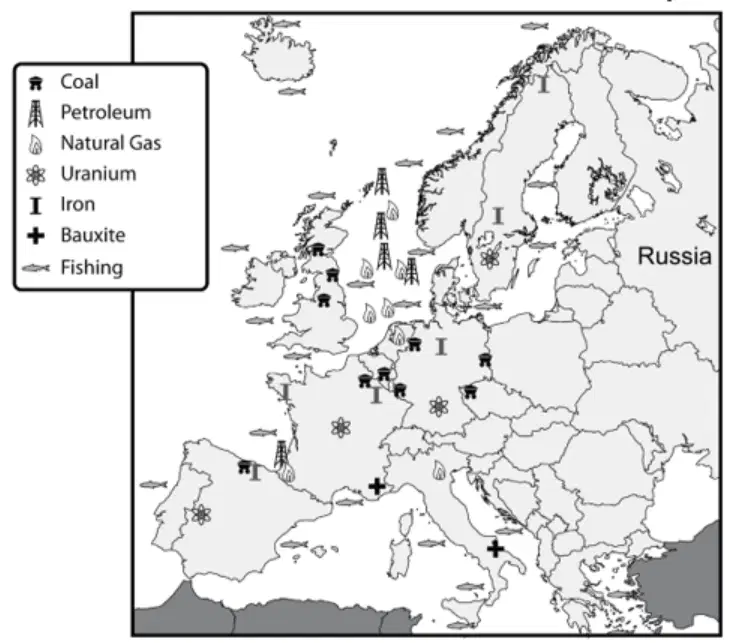
Based on the map, what natural resource helped to support industrial development in both Britain and Germany?
Iron
Coal
Natural Gas
Petroleum
Europe’s geography has affected the jobs and trade of its people in which of the following ways?
It has encouraged trade and diverse jobs due to access to seas and rivers.
It has limited trade and job opportunities because of its flat terrain.
It has made agriculture the only major job due to lack of water bodies.
It has prevented any international trade due to isolation.
The Reformation was an attack on:
The Catholic church
Christians
Rome
England
A major result of the Reformation was...
Ban of religious teachings
Crusades
Increase power of the Pope
New Christian denominations emerged
Which monarch from the Tudor family dynasty tried to force England to return to the Catholic Church, and executed hundreds of people who refused?
Henry VIII
Mary I
Edward VI
Elizabeth I
How has Europe’s geography affected the jobs and trade of its people? Explain using RACES writing strategies and at least (5) sentences.

