
 Worksheets
Imagination test review - part 2
Total questions: 42
Worksheet time: 1hrs 15mins
What does the Greek prefix para- mean?
beside or alongside
far from or a great distance
dedicated or professional
inside or internal
Use what you know about the Greek prefix para- to answer the following question. In which set of statements is the word parallel used correctly?
He drew parallel lines. / One line made a circle around the other.
He drew parallel lines. / The lines made the letter V.
He drew parallel lines. / The lines were two inches apart.
He drew parallel lines. / One line was much shorter than the other
According to the author in “The Importance of Imagination,” what main effect did cultural factors associated with her Asian American background have on her career choices?
It helped her easily pursue the career path of her choice.
It gave her a love of numbers that has lasted her all her life.
It made people assume she wanted a career involving math or science.
It made her choose a career involving the strong use of her imagination.
In “The Importance of Imagination,” what central idea does the author develop using the example of her high school history teacher?
Imagination is generally limited to a certain time of life
Imagination is not confined to any particular field of study
Imagination can harm as well as help the march of progress
Imagination has played a key role in Asian American culture
In which of these situations is a person most clearly giving others parameters?
A teacher tells students the rules of good behavior.
A salesclerk handles several customers’ purchases.
A camp counselor tells campers a ghost story.
A singer performs before a live audience.
What does the Greek prefix para- mean?
beside or alongside
far from or great distance
dedicated or professional
inside or internal
In the term "parasailing," what does the prefix "para-" imply?
Sailing against the wind
Sailing with a parachute
Sailing alone
Sailing across the sea
("beside doctor"): medical personnel who treat injured or sick people before and while they are taken to a hospital, or who assist doctors
paramedic
paraprofessional
parallel
parellelogram
("written beside"): a short piece of writing on one topic
paragraph
parallel
paralegal
paraprofessional
A suffix comes at the ___________ of a base word.
beginning
end
middle
under
What do the suffixes -ty and -ity mean?
full of
a person who does something
state of or quality of
able to
Define this word: ability
the power to do something; the quality of being able
the condition of being hard to do
the desire to learn or know something
length of life
having imperfections, flaws or defects
Define this word: curiosity
the power to do something; the quality of being able
the condition of being hard to do
the desire to learn or know something
length of life
having imperfections, flaws or defects
Why is it important to determine the central ideas in a text?
To confuse the reader
To understand the main message or theme of the text.
To waste time and effort
To ignore the main message or theme of the text

What is the best question to ask yourself when you are trying to find the central idea of a text?
Who is the main character?
What is the significance of the main event?
What is one important detail?
What point is the author trying to make?

What is the central idea of the passage?
Millions of acres of tropical rainforest have been destroyed. Many animals and people lose their homes when the rain forest is cut down. Today, people are destroying the forests so quickly that the animals are unable to adapt. Many of these animals, such as the leopard, need miles and miles of untouched rain forest in order to live. Furthermore, as more of the rainforest is destroyed, the risk of air pollution and loss of oxygen increases.
Leopards are losing their homes
The destruction of the rain forest is harming humans and animals.
The destruction of the rain forest is a controversial subject
Forests provide oxygen for humans and animals

What is the central idea of the passage?
Thomas Edison’s life span is known as “The age of Edison.” If it wasn’t for Thomas Edison, we might not have electric lights, telephones, movie cameras, or computers! Think of all the ways these great products affect our lives today. Edison held over 1,000 patents and received dozens of awards during his lifetime for his inventions and contributions to science.
The light bulb has become an essential invention
Thomas Edison's inventions still impact society today
Thomas Edison worked until he perfected his inventions
The process of inventing is never-ending
Central ideas are found mostly in _______ texts.
Poetry
Nonfiction / Informational
Fiction
Novel
What is the main purpose of a reflective essay?
A. To explain scientific facts
B. To share the author’s thoughts and reflections on an idea or experience
C. To provide step-by-step instructions
D. To summarize historical events
Which of the following is an example of a cultural factor that can influence an author?
A global economic crisis
A major war during the author’s lifetime
The author’s upbringing and education
A new law passed in the author’s country
Historical factors that influence an author include:
The author’s favorite books
Important events that occurred during the author’s lifetime
The author’s hobbies and interests
The author’s writing style
Why should readers consider an author’s influences when analyzing a text?
To memorize the author’s biography
To find grammatical mistakes
To identify the author’s favorite genre
To understand how these influences shape the central ideas in the writing
What does it mean to make an inference while reading?
To summarize the entire essay
To ignore the author’s influences
To copy the author’s exact words
To make an educated guess based on key details in the text
What is the first step in determining how an author’s influences affect the central idea?
A. Locate key details that reveal the author’s background or experiences
B. Compare the essay to another author’s work
C. Identify the author’s tone
D. Summarize the entire essay
When analyzing an author’s influences, which question should you ask?
A. How many paragraphs does the essay have?
B. What events or experiences might have shaped the author’s perspective?
C. What is the author’s favorite book?
D. How often does the author use figurative language?
Which example shows the correct process of connecting an influence to a central idea?
A. The author promotes creativity because they grew up in an environment that valued art
B. The author writes about imagination because imagination is fun
C. The author uses long sentences because they like grammar
D. The author writes about history because history is important
Morning Song
The sun peeks out and paints the sky,
The birds begin to chirp and fly.
The grass is wet with drops of rain,
The day wakes up and starts again.
The river runs with splashing sound,
It twists and turns along the ground.
The trees stand tall and sway with breeze,
Their leaves dance softly in the trees.
The wind blows gently through the air,
It moves the clouds without a care.
The world feels fresh, the light is bright,
And morning brings a happy sight.
How many stanzas are in the poem?
2
3
4
1
What is the rhyme pattern in the first stanza?
ABAB
AABB
ABCB
ABBA
Which word is an example of onomatopoeia (a word that sounds like its meaning)?
chirp
breeze
bright
care
Which line has alliteration (words starting with the same sound)?
“The grass is wet with drops of rain”
“The wind blows gently through the air”
“Bright beams of sun begin to gleam”
“The world feels fresh, the light is bright”
Poetry terminology questions
What is a stanza in a poem?
A single word in the poem
A group of lines that form a section of the poem
The title of the poem
A type of rhyme
What is a line in a poem?
A sentence in a story
A paragraph in a book
A row of words in a poem
A rhyme pattern
What is prose?
Writing that sounds like music
A type of rhyme
A short poem
Writing that is NOT poetry (like stories or essays)
What are sound devices in poetry?
Tools poets use to make poems sound nice (like rhyme, alliteration, onomatopoeia)
Words that make the poem louder
Machines that play music
A type of stanza
What is rhyme scheme?
The way words are spelled
The pattern of rhyming words at the end of lines
A type of stanza
A poem without rhymes
What is alliteration?
Words that rhyme at the end of lines
A type of stanza
Words that start with the same sound close together
A poem without rhymes
What is onomatopoeia?
A word that sounds like its meaning (like “buzz” or “chirp”)
A type of rhyme
A group of lines in a poem
A poem without rhymes
What is the definition of Alliteration?
The repetition of consonant sounds at the beginning of words.
The repetition of vowel sounds in the middle or at the end of words.
To mimic the sound of something.
What is the definition of Onomatopoeia?
The repetition of consonant sounds at the beginning of words.
The repetition of vowel sounds in the middle or at the end of words.
To mimic the sound of something.
*What is the onomatopoeia?
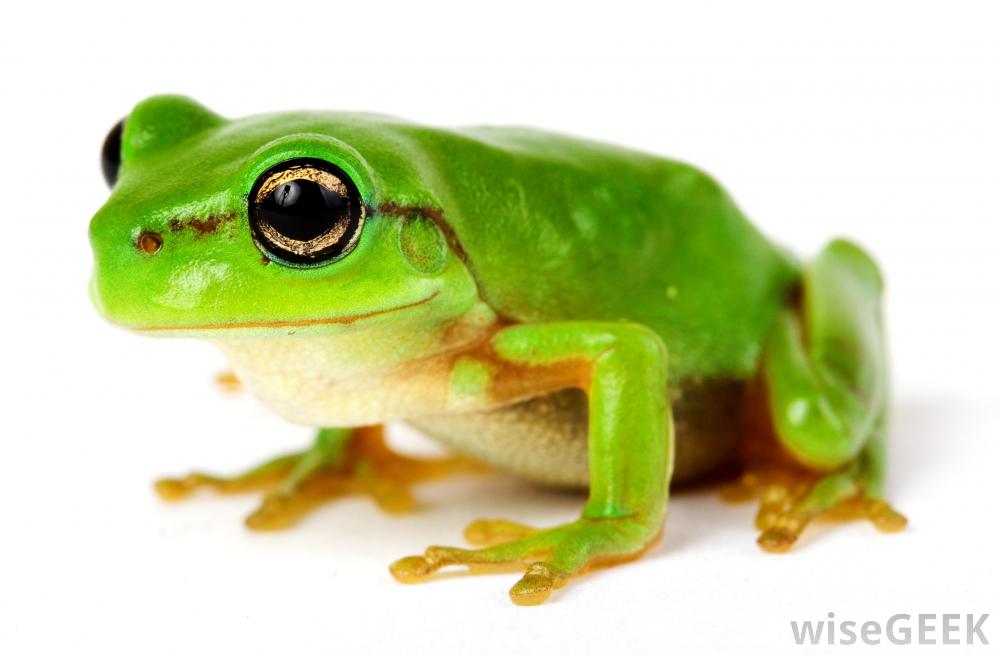
Mrs. Davis was sitting by her pond listening to the frogs croak.
Which sound device is being used in this line?
Softly and slowly the snowflakes fell
Metaphor
Rhyme
Alliteration
Idiom
Which device is being used in the following sentence? The cat meowed at the chirping birds.
Simile
Personification
Onomatopoeia
Hyperbole
A group of lines (similar to a paragraph) in a poem is called a...
Stanza
Line
Enjambment
Lineation
A stanza with two lines is called...
Septet
Sestet
Tercet
Couplet

How many lines are in this poem?
2
8
1
7

How many stanzas are in this poem?
1
4
8
3
What is the rhyme scheme of the poem:
My cat is nice.
My cat is fat.
My cat eats mice.
I like my cat.
AABB
ABAB
ABCB
BABA
My cat is nice.
My cat mice.
My cat is fat.
I like my cat.
ABAB
ABCB
AABB
ABCD

