
NEW
Font size
 Worksheets
Jidon Torah
Total questions: 51
Worksheet time: 26mins

What is the name of this letter?
Silent
Ain
Tzadik
Kaf
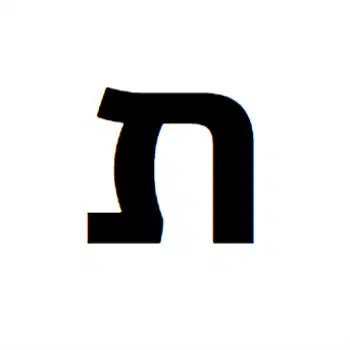
What is the name of this letter?
Jet
Tet
Taf
Mem sofit

Name of this letter?
Dalet
Hei
Vav
Reish

Which letter is this one?
Jet
Jaf
Bet
Vet

What is the name of the following letter?
Nun
Zamej
Zayin
Mem
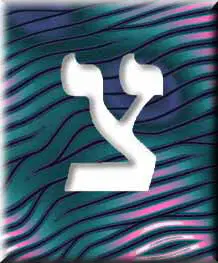
What is the name of this Hebrew letter?
Tzadik
Ain
Yud
Lamed

What is the name of this hebrew letter?
Mem
Fei
Tet
Bet

What is the name of this hebrew letter?
Fei Sofit
Tzadik Sofit
Mem
Nun Sofit
The key beliefs about Hashem include:
Hashem is one that can only be in one place at a time.
Hashem is so great that doesn't know what happens in the world.
Hashem is one and is everywhere.
Hashem changes over time.
Fill in the blank: יוֹם רִאשׁוֹן is the Hebrew name for _________
Sunday
Monday
Tuesday
Friday
Fill in the blank: יוֹם חֲמִישִׁי is the Hebrew name for _________.
Monday
Thursday
Saturday
Tuesday
Fill in the blank: יוֹם רְבִיעִי is the Hebrew name for _________
Wednesday
Monday
Friday
Sunday
Fill in the blank: יוֹם שִישִ
יis the Hebrew name for the day_________.
Saturday
Monday
Friday
Sunday
Fill in the blank: The Hebrew letter ק is
________.
Kuf
Chaf
Tav
Mem
"Divine Providence" and "Shiviti Hashem lenegdi tamid" refer to:
The concept of Hashem's constant presence and guidance
A Jewish holiday
A type of prayer shawl
A historical event in Israel
The Neshama is:
the soul in Jewish tradition
a type of prayer
a religious festival
a sacred text
The Yetzer Hatov is:
The good inclination
A Jewish holiday
A Jewish citie
A Kosher food
A Jew should say how many blessings each day?
100
10
180
613
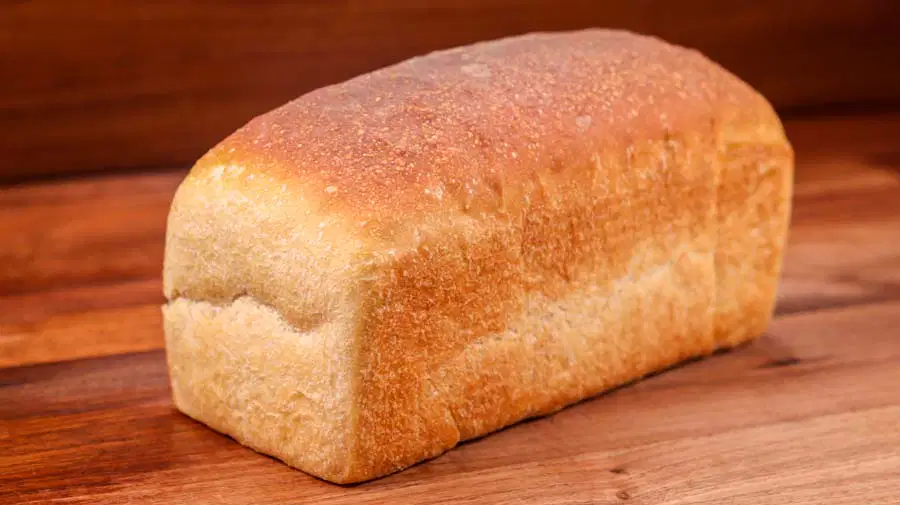
What is the blessing for Bread
?
המוציא לֶחֶם מִן הָאָרֶץ
בורא פרי העץ
בורא פרי האדמה
שהכל נהיה בדברו
What is the Hebrew blessing for cookies?
בורא מיני מזונות
בורא פרי העץ
שהכל נהיה בדברו
המוציא לחם מן הארץ
What is the Hebrew blessing for Wine or Grape Juice?
בורא פרי הגפן
בורא מיני מזונות
שהכל נהיה בדברו
בורא פרי העץ
What is the Hebrew blessing for apples?
בורא פרי העץ
בורא פרי האדמה
שהכל נהיה בדברו
המוציא לחם מן הארץ
What is the Hebrew blessing for potatoes?
בורא פרי האדמה
בורא פרי העץ
שהכל נהיה בדברו
המוציא לחם מן הארץ
What is the blessing said for meat?
Shehakol nihiyá bidvaró
Hamotzi lechem min haaretz
Borei pri hagafen
Borei minei mezonot
When do you say Birkat Hamazon?
After eating Hamotzi.
Before eating Hamotzi.
Only on Shabbat
.
After the Amida
After eating anything 'Mezonot', which after-blessing do you say?
Al Hamichyah
Borei Nefashot
Birkat Hamazon
Shehakol
Which blessing is recited after drinking wine or grape juice?
Al Hagefen
Borei Nefashot
Shehakol Nihiyah Bidvaro
Mezonot
Which blessing is for the special fruits with which the Land of Israel was blessed?
Al Haaretz ve-al Haperot
Shehakol Nihye Bidvaro
Borei Minei Mezonot
Borei Pri Ha'adama
When do you say Bore Nefashot?
When eating anything that its berajá was either Ha-etz, Hadamá or shehakol.
After eating bread or foods that require Birkat Hamazon.
Only on fruits that grow on trees.
When drinking wine or grape juice.
The mitzvah of Tzitzit is:
to attach strings to the corners of garments
to light candles on Shabbat
to eat matzah on Passover
to blow the shofar on Rosh Hashanah
Who should wear a Talit?
Every boy after 1st grade.
Only the fathers
Every men after Bar Mitzva.
Only the Rabbis.
The Mezuzah is placed on which part of the house?
On the right doorpost
On the left doorpost
Above the door
On the floor near the entrance
The Mezuzah is:
a parchment inscribed attached in a case to the door.
a beautiful empty box with a big Shin on it
a type of Jewish holiday bread
a ceremonial cup used in Jewish rituals
When we pass next to the Mezuza you should...
touch it and say a beracha
touch it and kiss it
knock on it
remove it
A Mezuzah should not be placed in which location?
Bathroom
Kitchen
Cleaning ladies room
Office entrance
Tefillin are:
small black leather boxes containing the shema inside
a type of traditional Jewish food eaten during Passover
a musical instrument used in Jewish ceremonies
a prayer shawl worn during morning prayers
When should we wear the tefilin?
During the morning prayers
At every prayer
During Musaf
On Shabbat
Where should we wear the tefillin?
On the arm and forehead
On the chest and back
On the legs and feet
On the shoulders and neck
What are the two main requirements for a land animal to be kosher?
A land animal must have split hooves and chew its cud.
A land animal must have scales and fins.
A land animal must have wings and lay eggs.
A land animal must have sharp teeth and hunt at night.
What is Shechita?
Is the kosher way to slaughter animals.
Is the kosher way to slaughter fish.
It is how we prepare kosher milk.
It is the strings placed on the corners of the garments.
Whats the name of the person that slaughters the animals in a kosher way
?
Shochet.
Sofer.
Mohel.
Poel.
Can we eat cow meat in any situation?
Yes, cows are always kosher.
As long as a Jew was around when the animal was bought.
All foods that are vegetarian are automatically kosher.
Only when it goes through the Shechita process.
What makes a fish kosher?
A kosher fish must have both fins and scales.
A kosher fish must have only fins.
A kosher fish must have only scales.
A kosher fish must have either fins or scales.
Where does kosher milk come from?
From a kosher animal.
Milk is only kosher if it comes from a domestic animal.
Kosher milk comes only from plant-based sources.
Only the cow milk is Kosher.
What is Jalav Israel?
Jalav Israel is milk extracted under the supervision of an Orthodox Jew.
Jalav Israel is the round matza served on Pesach.
Jalav Israel is a type of kosher wine.
Jalav Israel is a prayer recited during Yom Kippur.
What is necesary for a cheese to be Kosher.?
Must be made with milk from a kosher animal, and has to be produced under Rabbinical supervision .
Cheese can be made from any animal's milk as long as it is aged.
In order for cheese to be Kosher has to be made in less than 6 months.
Cheese must be eaten only before meat.
What does vegetable needs in order to be Kosher?
They need shechita
They need to be Pareve.
They need to be checked for insects.
Only if they are imported.
The rule for eggs according to kosher laws is:
Eggs must come from kosher birds and be free of blood spots.
Eggs must be boiled before eating.
Eggs must be eaten only with meat.
Eggs must be washed with salt water before use.
Which one is a Kosher Symbol?
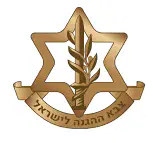


According to kosher laws, the rules about mixing meat and milk are as follows:
Meat and milk must not be cooked or eaten together.
Have to wait 6 hours after eating milk before eating meat.
Meat and milk can be cooked on the same pan.
Meat and cheese can be mixed.
Inside the Mezuzah there is written the:
Amida
Beginnig of the Shema
Mode Ani
The entire Shema

