
 Worksheets
Prehistory Quiz
Total questions: 58
Worksheet time: 29mins
What does the term "Prehistory" refer to?
The period between the appearance of man and writing
The period after the invention of writing
The period before the appearance of man
The period of ancient civilizations
What is the Paleolithic period known for?
The invention of agriculture
The appearance of the first stone tools
The construction of permanent settlements
The development of advanced machinery
Approximately how long ago did the Paleolithic period begin?
10,000 years ago
3.3 million years ago
1 million years ago
5,000 years ago
Which of the following developments occurred during the Paleolithic period?
Domestication of fire
Invention of writing systems
Construction of pyramids
Development of metal tools
What type of habitats were common during the Paleolithic period?
Permanent stone houses
Nomadic shelters
Wooden castles
Underground cities
What type of art was progressively developed during the Paleolithic period?
Sculptures made of marble
Parietal art such as paintings and engravings
Written manuscripts
Glass-blown art
What does the term "Palaeolithic" mean?
Ancient and stone
Modern and metal
Ancient and wood
Modern and stone
What was the primary lifestyle of humans during the Palaeolithic period?
Farming and settling in villages
Hunting, fishing, and gathering
Building cities and trading
Domesticating animals and planting crops
Why were humans considered nomadic during the Palaeolithic period?
They moved to build permanent homes
They moved according to the game and climatic conditions
They traveled to trade goods
They migrated to find fertile land for farming
Which of the following best describes the resources humans relied on during the Palaeolithic period?
Manufactured goods
Natural resources like hunting, fishing, and gathering
Agricultural products
Industrial tools
What materials were primarily used by humans to make tools?
Wood and clay
Pebbles and flint
Iron and steel
Sand and stone
What is one characteristic of the development of tools over time?
Tools became less efficient and less specialized
Tools became more sophisticated, efficient, and multifunctional
Tools remained unchanged over time
Tools were made only for decorative purposes
What does the text suggest about humans taking ownership of their environment?
They relied solely on natural resources without modification
They improved tool-making techniques to adapt to their environment
They avoided using tools to preserve the environment
They focused on building shelters instead of tools
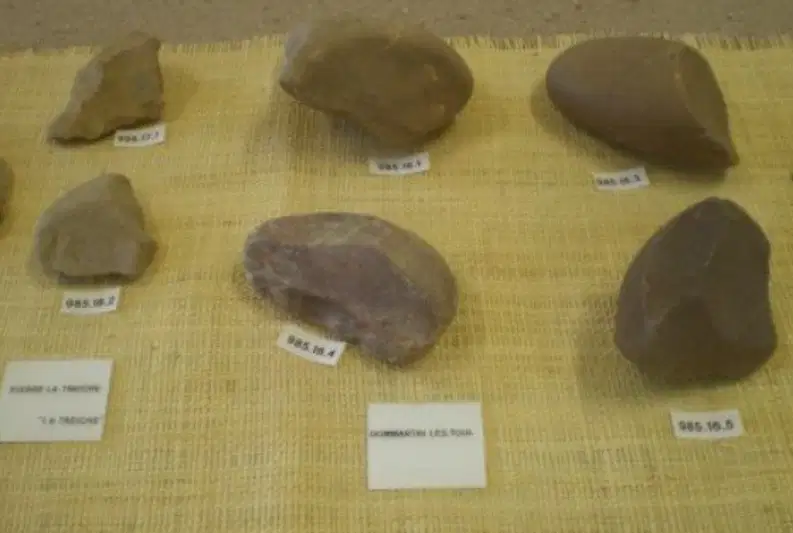
What is the primary use of the irregular pebble shown in the image?
Writing on surfaces
Crushing bones, cutting meat, and cracking nuts
Polishing objects
Carving intricate designs
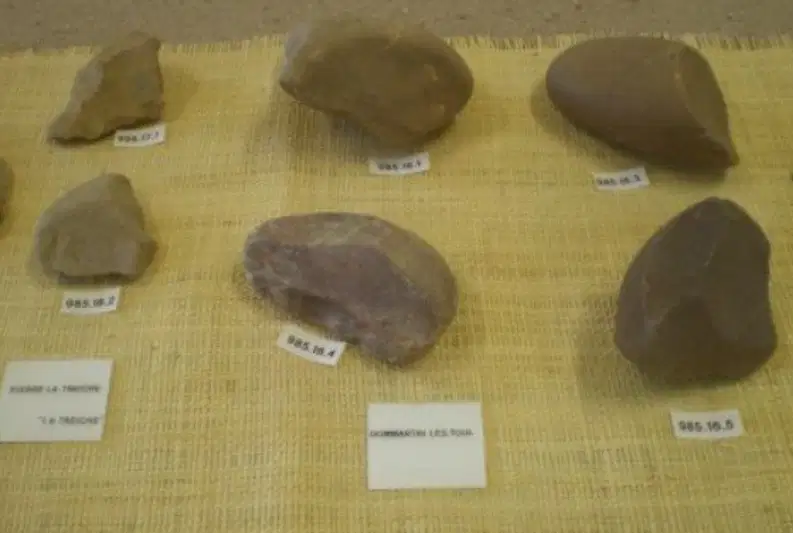
Which characteristic best describes the pebble shown in the image?
Smooth and polished
Irregular and rough
Transparent and shiny
Circular and symmetrical
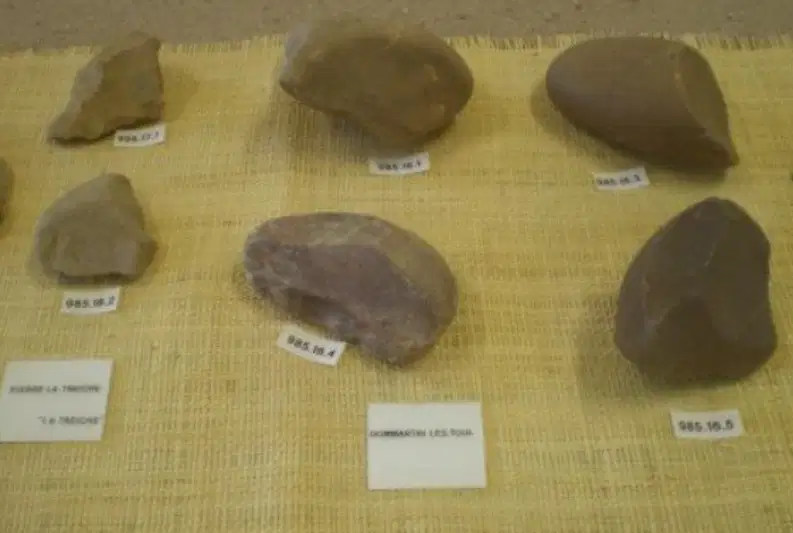
What type of tasks can the irregular pebble be used for?
Crushing bones, cutting meat, and cracking nuts
Writing and drawing
Measuring and weighing
Heating and melting
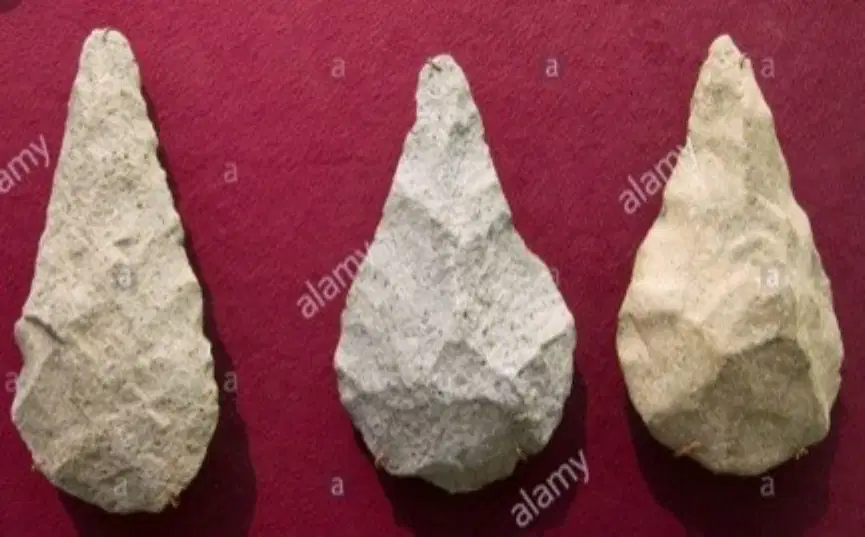
What is a characteristic of flint that makes it suitable for cutting and debarking wood?
Flint has a rough and uneven texture.
Flint has a homogeneous and smooth texture.
Flint is soft and malleable.
Flint is brittle and fragile.
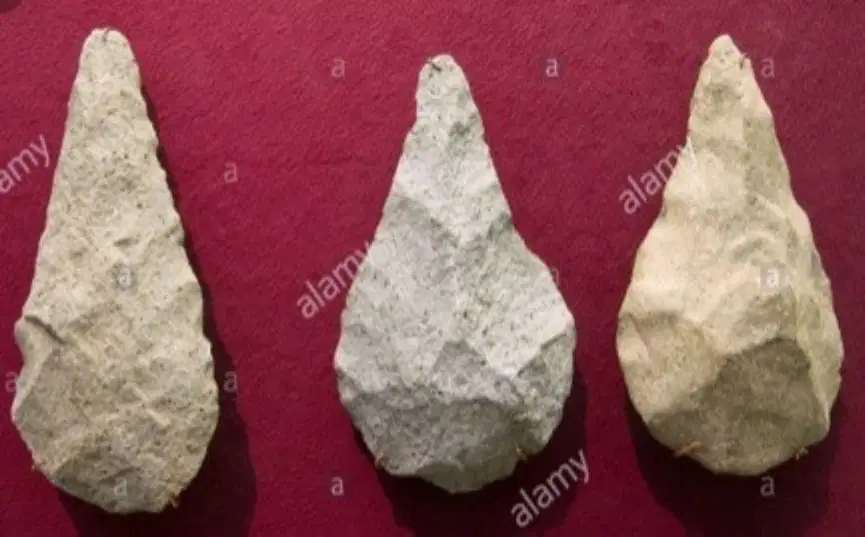
What feature of flint tools allows them to have a finer and larger cutting edge?
Small and regular removals.
Irregular and large removals.
Uneven and jagged edges.
Random and coarse removals.
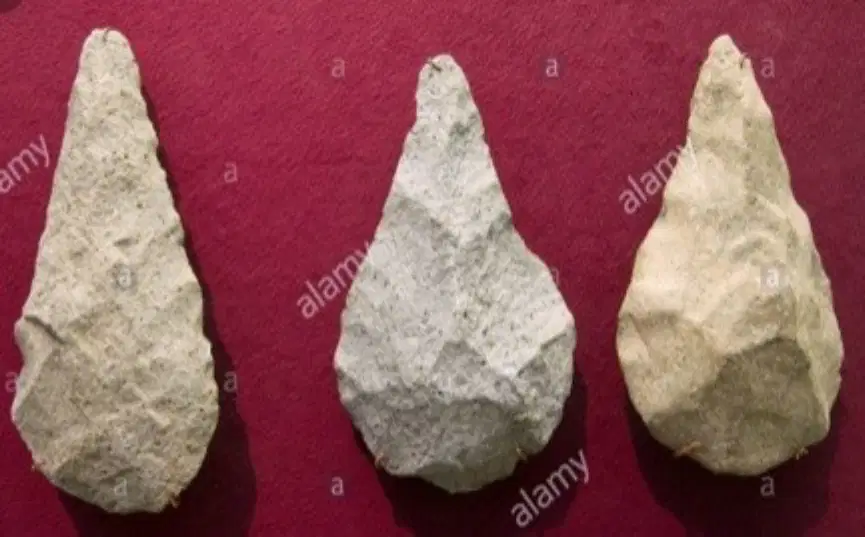
Which material can be cut and debarked using flint tools?
Metal.
Plastic.
Wood.
Stone.
What was the peculiarity of man during the Lower Paleolithic period?
Ability to hunt large animals
Great ability to acclimatize
Development of agriculture
Creation of advanced tools
According to archaeologists, what skill was essential for prehistoric man to live in caves?
Mastery of fire
Ability to create tools
Knowledge of agriculture
Communication skills
Why was the mastery of fire important for prehistoric man?
It allowed him to cook food
It helped him protect himself from carnivores
It enabled him to create weapons
It was used for lighting caves
Why did prehistoric men live in caves?
To find shelter, light, and escape from smoke.
To store food and water.
To build permanent homes.
To avoid sunlight.
What did Paleolithic men draw on the walls of caves?
Paintings of animals and handprints.
Maps of their surroundings.
Portraits of their families.
Symbols of their written language.
What was one of the essential uses of large fires for prehistoric men?
Cooking food.
Providing light and escaping smoke.
Scaring away predators.
Heating water.
What does the presence of cave paintings suggest about Paleolithic men?
They had artistic expression and communication.
They were skilled in agriculture.
They lived in permanent settlements.
They had advanced tools for writing.
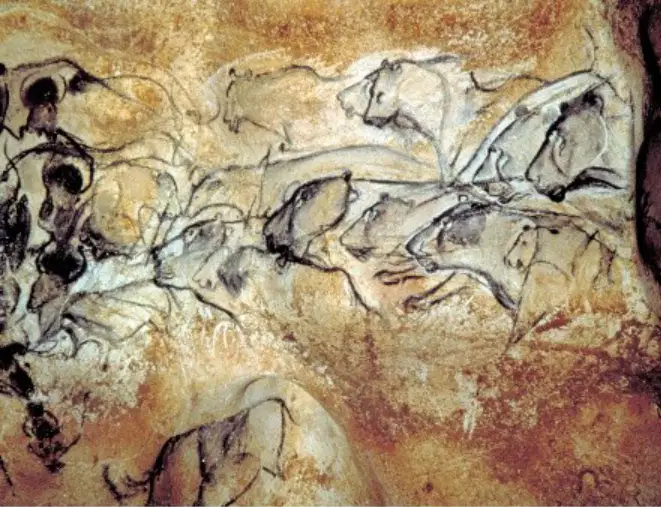
What is the estimated age range of the Chauvet Cave paintings located in Ardèche, France?
Between -20,000 and -25,000
Between -30,000 and -33,000
Between -10,000 and -15,000
Between -40,000 and -45,000
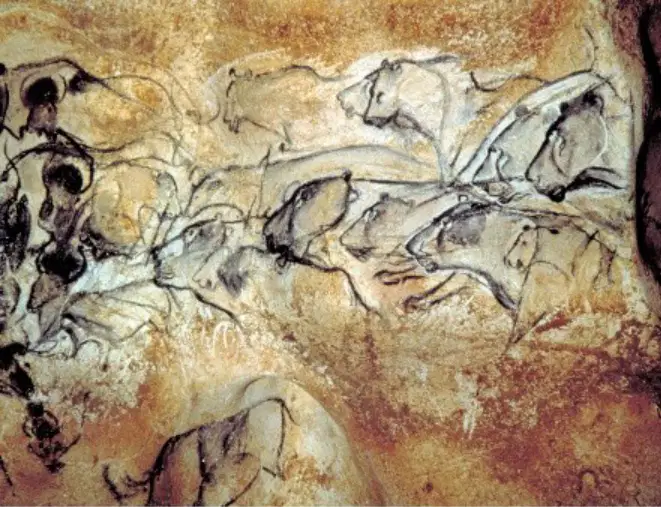
What type of subjects are depicted in the Chauvet Cave paintings?
Human figures
Geometric patterns
Animals
Abstract art
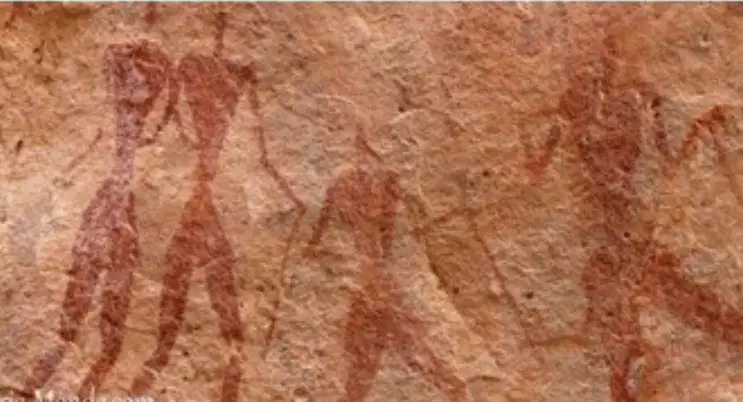
What is the primary artistic focus of the rock painting at Tassili n'Ajjer?
Animals
Human figures
Landscapes
Symbols
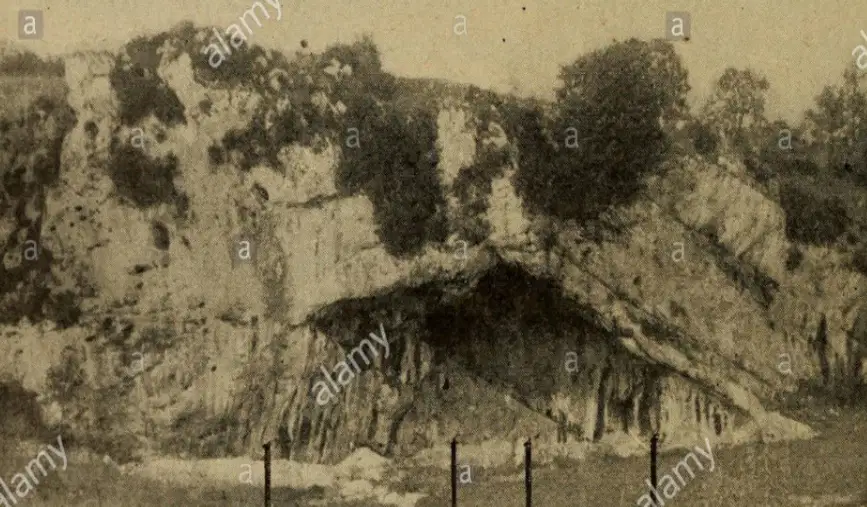
What is a rock shelter?
A type of dwelling located under cliffs with large overhanging rocks forming a roof.
A type of dwelling built entirely from wood.
A type of dwelling located in open plains.
A type of dwelling made from bricks and mortar.
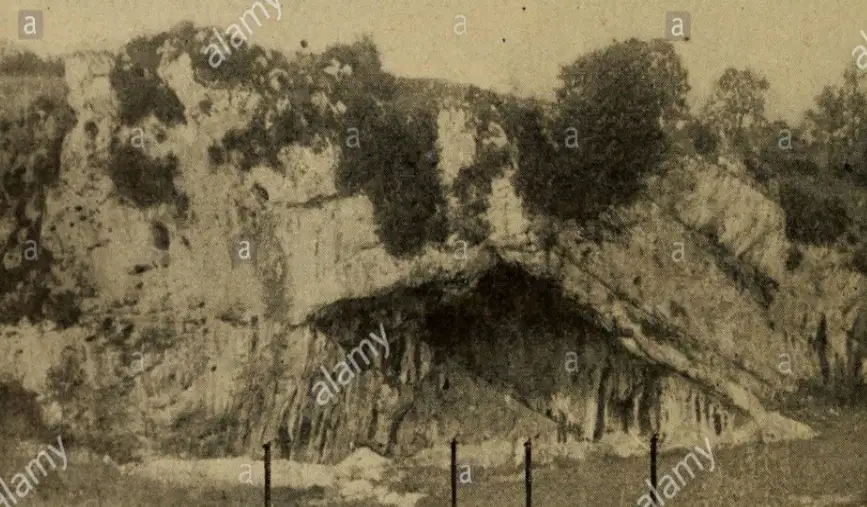
What feature of a rock shelter makes it an excellent habitat?
Large overhanging rocks forming a roof.
Open space for farming.
Availability of water sources nearby.
Presence of wooden structures.
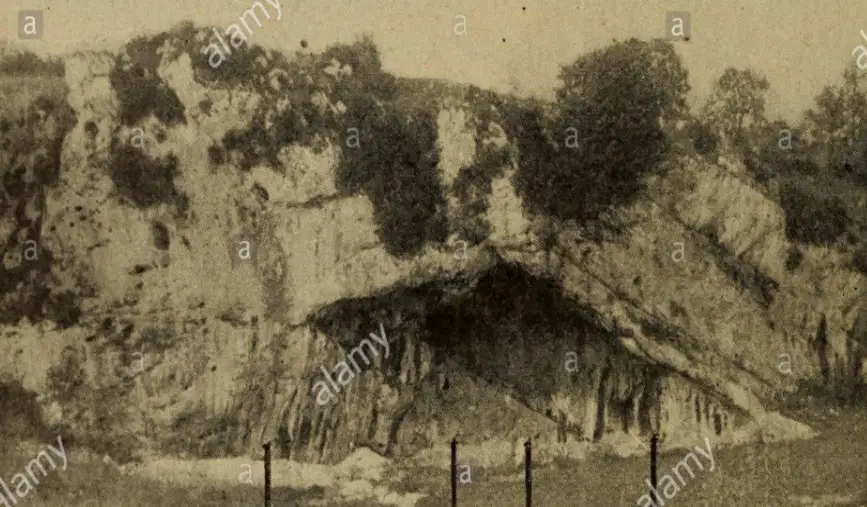
Where are rock shelters typically located?
Under cliffs.
In deserts.
On mountain peaks.
In open fields.
What type of shelters were used during the Upper Palaeolithic period?
Tents and huts
Caves and castles
Igloos and skyscrapers
Apartments and villas
What is a characteristic of a tent used during the Upper Palaeolithic period?
Heavy construction and immovable
Light structure with at least one transportable cover
Made of bricks and cement
Built underground
What is a characteristic of a hut used during the Upper Palaeolithic period?
Light structure and transportable
Heavy construction and probably immovable
Made of metal and glass
Designed for temporary use only
What influenced the choice of materials for shelters during the Upper Palaeolithic period?
Availability of materials
Weather conditions
Cultural preferences
Trade routes
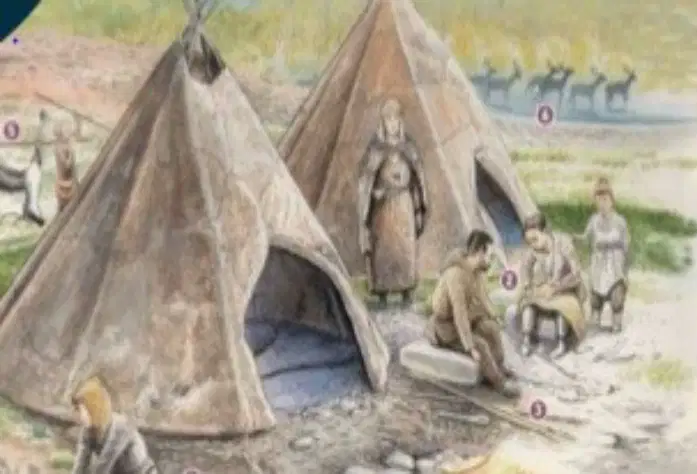
What material was used to cover round or oval dwellings in western Europe?
Animal skins or branches
Stone slabs
Metal sheets
Plastic tarps
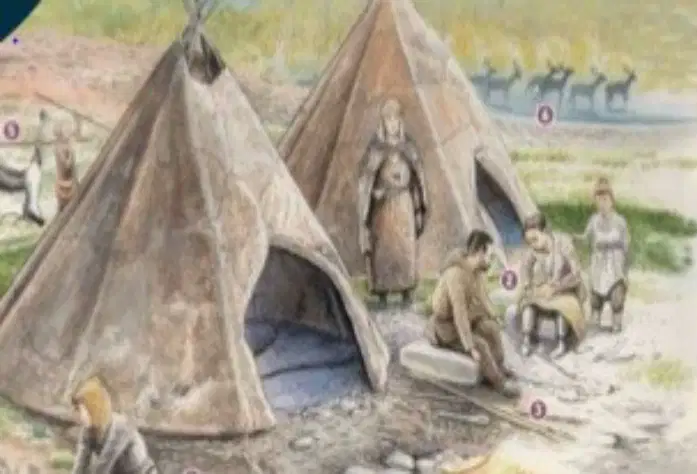
What shape were the light tents in Pincevent, France?
Conical
Rectangular
Dome-shaped
Pyramid-shaped
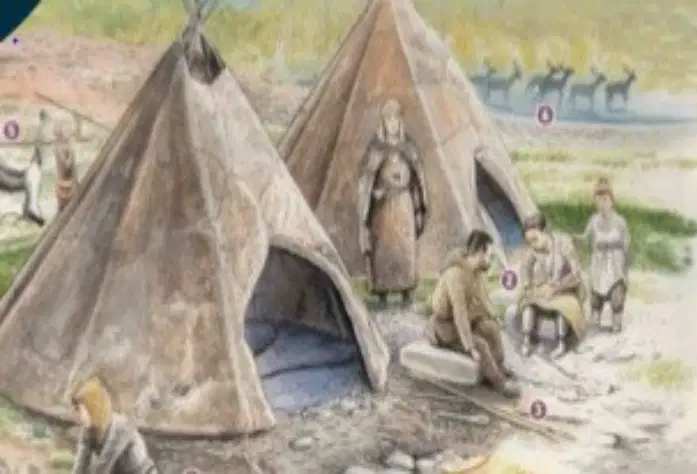
What was the frame of round or oval dwellings in western Europe made of?
Wooden frame
Metal frame
Stone frame
Plastic frame
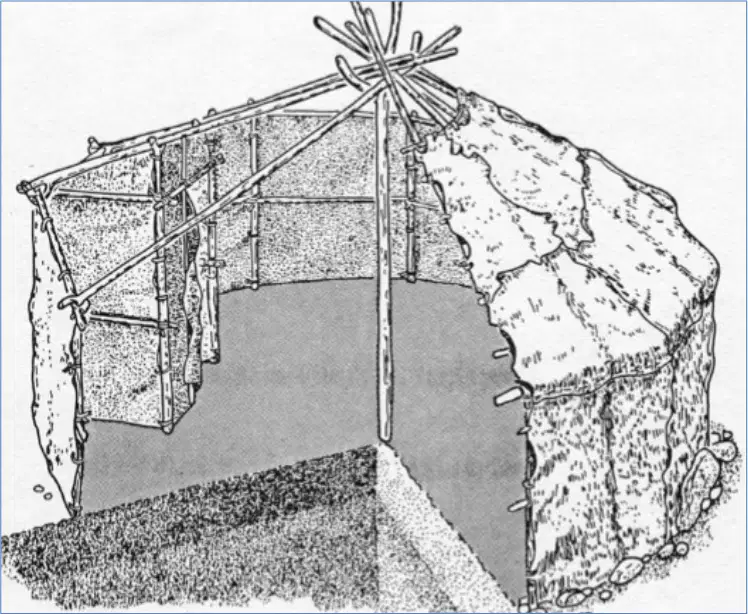
Where did round constructions of a more massive type appear to have existed?
Paris, France
Gönnersdorf, Germany
Rome, Italy
Athens, Greece
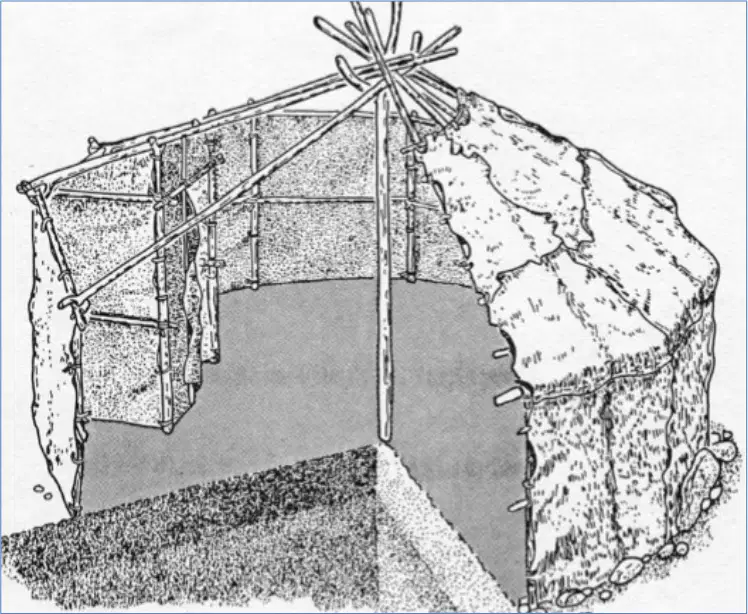
What type of construction is depicted in the image?
Rectangular construction
Round construction
Triangular construction
Square construction
Where have quadrangular huts been observed?
Western Europe (Isle Dordogne Valley, France)
Eastern Asia
Northern Africa
Southern America

What materials are used in the construction of quadrangular huts in Isle Dordogne Valley?
Pebbles or rock slabs
Wooden planks
Bamboo sticks
Clay bricks

What is the purpose of using paving or walls in quadrangular hut construction?
To avoid the formation of a layer of mud
To enhance aesthetic appeal
To increase ventilation
To provide insulation
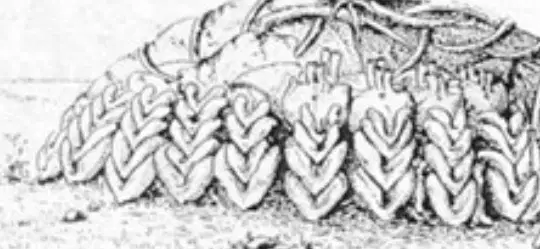
What is the name of the specific quadrangular hut shown in the image?
Cabane du Cerisier
Cabane du Soleil
Cabane du Bois
Cabane du Pierre
Where are long buildings mainly found according to the text?
Central Europe and Russia
North America and Asia
South America and Africa
Australia and Antarctica
What is the approximate size of the continuous space covered by long buildings at Kostenki I?
35 m long by 17 m wide
50 m long by 20 m wide
25 m long by 10 m wide
40 m long by 15 m wide
Why is it considered almost impossible for one roof to top the whole structure at Kostenki I?
The structure is too wide and long.
The materials used are not strong enough.
The climate does not allow for large roofs.
The design of the building does not support a roof.
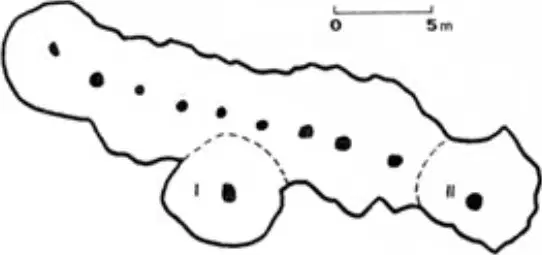
What is depicted in the diagrams provided in the image?
Plans of ancient settlements in Ukraine
Plan and restitution of extended huts
Maps of ancient trade routes
Architectural designs of modern huts
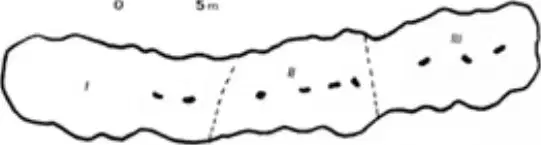
What is the approximate scale used in the diagrams of the extended huts?
0 to 10 meters
0 to 5 meters
0 to 15 meters
0 to 20 meters
What does the term "Mesolithic" mean?
Medium and stone
Ancient and stone
New and stone
Medium and metal
The Mesolithic period is considered the pivotal period between which two eras?
Palaeolithic and Neolithic
Bronze Age and Iron Age
Stone Age and Bronze Age
Neolithic and Iron Age
What allowed for more sedentary occupation during the post-glacial period from 9,500 BCE onwards?
Abundance of food in the environment
Development of agriculture
Introduction of metal tools
Migration to warmer climates
What are the dwellings of Mesolithic populations sometimes considered to be?
The first real homes
Temporary shelters
Nomadic tents
Caves
What is the estimated time period during which the site of Ain Mallaha in Palestine existed?
Between 15,000 and 10,000 BC
Between 12,000 and 9,500 BC
Between 8,000 and 5,000 BC
Between 20,000 and 15,000 BC
What is the maximum number of houses that the small villages at Ain Mallaha could include?
Ten houses
Fifteen houses
Twenty houses
Thirty houses
What type of structures were found at Ain Mallaha?
Rectangular structures with high walls
Circular structures bordered by low walls made of rough stones
Triangular structures made of wood
Oval structures with stacked bricks
What material was most often used to construct the low walls of the circular structures at Ain Mallaha?
Bricks
Rough stones juxtaposed or stacked
Wooden planks
Clay

