
 Worksheets
Chapter 7:3 Integumentary System
Total questions: 20
Worksheet time: 10mins

Which of the following is a major function of the skin?
Digestion
Protection
Respiration
Circulation
The skin helps regulate which of the following in the human body?
Blood sugar
Temperature
Heart rate
Oxygen levels
Arrange the layers of the skin in order from outermost to innermost.
Epidermis, Dermis, Subcutaneous/Hypodermis
Dermis, Epidermis, Subcutaneous/Hypodermis
Subcutaneous/Hypodermis, Dermis, Epidermis
Dermis, Subcutaneous/Hypodermis, Epidermis
Which layer of the skin is the outermost?
Epidermis
Dermis
Hypodermis
Subcutaneous layer
What is another name for the dermis?
True skin
Epidermis
Subcutaneous tissue
Muscle layer
Which statement best describes the location of the subcutaneous layer?
It is the outermost layer of the skin.
It is the middle layer of the skin.
It is the innermost layer of the skin.
It is located above the epidermis.
How does the subcutaneous layer contribute to the connection between skin and muscles?
By producing melanin
By acting as a fatty layer that connects the skin to underlying muscles
By generating nerve impulses
By forming sweat glands
Imagine a person with a very thin subcutaneous layer. What might be a possible consequence?
Increased insulation and cushioning
Reduced connection between skin and muscles
Enhanced production of sweat
Thicker epidermis
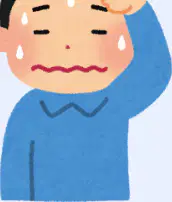
If a person is sweating, which accessory structure is most active?
Hair
Nails
Sweat glands
Sebaceous glands
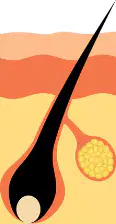
Explain how accessory structures like sweat glands and sebaceous glands help maintain skin health.
Sweat glands help cool the body and remove waste, while sebaceous glands keep the skin moisturized and protected.
Sweat glands produce hair, and sebaceous glands form nails.
Sweat glands make the skin dry, and sebaceous glands cause sweating.
Sweat glands and sebaceous glands have no effect on skin health.
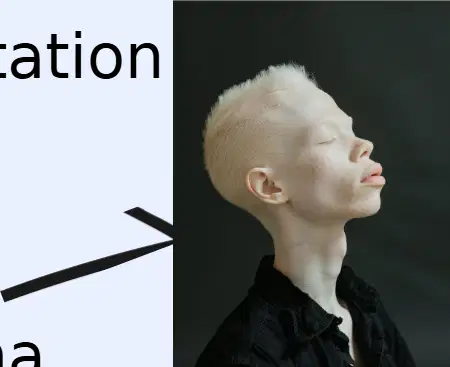
What term is used to describe a person who has little or no melanin in their skin, hair, and eyes?
Albino
Cyanosis
Jaundice
Erythema
Which skin condition is characterized by a yellowish tint to the skin and eyes?
Jaundice
Cyanosis
Erythema
Melanin
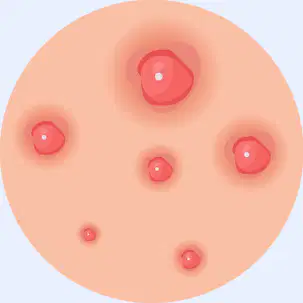
Acne is best described as which of the following?
A condition with red pimples or spots on the skin
A condition with hair loss
A condition with scaly patches
A condition with fungal infection on the feet
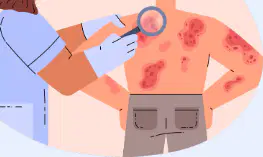
Compare and contrast eczema and psoriasis in terms of their appearance and symptoms.
Both cause red, inflamed patches, but psoriasis often has thicker, scaly plaques while eczema is more likely to be itchy and less scaly.
Both are caused by fungal infections.
Eczema only affects the scalp, while psoriasis only affects the hands.
Psoriasis is always accompanied by hair loss, while eczema is not.
A person touches a hot object briefly and experiences redness and mild swelling. What type of burn is this most likely?
First-degree burn
Second-degree burn
Third-degree burn
Chemical burn
What are the three main layers of skin?
Epidermis, dermis, and subcutaneous layer
Epidermis, muscle, and bone
Dermis, cartilage, and fat
Subcutaneous layer, bone, and muscle
How does the integumentary system help your bones stay strong?
By producing Vitamin D
By absorbing calcium directly
By providing insulation
By removing waste
Explain how the integumentary system contributes to temperature control in the body.
By sweating and regulating blood vessels
By producing hormones
By digesting food
By storing fat in muscles
Why is the subcutaneous layer important for the body?
It provides insulation and cushioning
It produces sweat
It detects pain
It absorbs nutrients


