
Font size
 Worksheets
Roman Republic Quiz
Total questions: 91
Worksheet time: 46mins
In what year did Romans overthrow their king and create a republic?
600 BCE
509 BCE
275 BCE
100 BCE
What does "res publica" mean?
Roman ruler
Senate meeting
Public thing
Military power
Which of the following was NOT one of the three branches of the Roman Republic?
Consuls
Senate
Assemblies
Tribunes
Who held most of the power in the early Roman Republic?
Common citizens
Military generals
Wealthy patricians
Foreign traders
On which river was Rome originally located?
The Nile River
The Danube River
The Tiber River
The Rhine River
What geographic advantage did Rome's location provide?
Direct access to the Atlantic Ocean
Central Italy location with access to trade routes and defensible hills
Proximity to the Sahara Desert
Isolation from other civilizations
In the Roman Republic, what was the role of consuls?
Religious leaders
Executives
Military generals only
Judges
Which group of people had limited power in the early Roman Republic?
Patricians
Plebeians
Military generals
Wealthy traders
Who were the common people in Roman society?
Patricians
Plebeians
Senators
Consuls
What was the primary purpose of the Roman Senate?
To declare war on enemies
To provide advice and guidance
To execute laws
To lead the military
How did Rome's location in central Italy help it expand?
It was surrounded by mountains that protected it
It had access to multiple trade routes and could project power in all directions
It was isolated from other civilizations
It had direct access to the Atlantic Ocean
During what time period did Rome expand across the Italian Peninsula?
600-500 BCE
500-275 BCE
275-100 BCE
100-27 BCE
Which territories did Rome NOT conquer during its early expansion?
Sicily
Sardinia
Gaul
Corsica
What territories did Rome control in North Africa?
Latin cities
Etruscan territories
Greek colonies in southern Italy
Territories in North Africa
By what year had Rome controlled most of the Italian Peninsula?
400 BCE
300 BCE
275 BCE
150 BCE
What strategy did Romans use to gain loyalty from conquered peoples?
Forced them into slavery
Destroyed their cities
Offered some of them Roman citizenship
Took all their resources
What did Rome gain from its expansion across the Italian Peninsula?
Only military strength
Resources, soldiers, and agricultural land
Access to the Mediterranean Sea only
Trade routes to Asia
Which of the following best describes Rome's early expansion strategy?
Random conquest of distant territories
Military strength combined with smart diplomacy
Peaceful negotiation only
Avoiding conflict whenever possible
What was a key advantage of Rome's expansion on the Italian Peninsula?
It gave Rome access to the Atlantic Ocean
It provided nearby territories that were easier to conquer and control
It eliminated all competition in Europe
It gave Rome control of Egypt
How did Rome's control of the Italian Peninsula change its status?
It made Rome a minor power
It gave Rome the foundation to become a major Mediterranean power
It isolated Rome from other civilizations
It prevented Rome from expanding further
Which group of people provided soldiers for Rome's expansion?
Only wealthy patricians
Conquered peoples who were offered citizenship
Slaves exclusively
Foreign mercenaries only
What was the primary reason Rome focused on expanding within Italy first?
Italy was the richest region in the world
Rome had no interest in other regions
It was easier to conquer and control nearby territories
The Mediterranean Sea prevented expansion elsewhere
Which city competed with Rome for control of the Mediterranean?
Athens
Carthage
Alexandria
Jerusalem
How many major Punic Wars were fought between Rome and Carthage?
Two
Three
Four
Five
Over how many years were the Punic Wars fought?
50 years
80 years
120 years
150 years
When did the First Punic War occur?
300-250 BCE
264-241 BCE
218-201 BCE
149-146 BCE
Which famous general nearly defeated Rome during the Punic Wars?
Julius Caesar
Pompey
Hannibal
Augustus
What was the outcome of the Punic Wars?
Carthage defeated Rome
The wars ended in a draw
Rome won all three wars and destroyed Carthage
Rome and Carthage became allies
Which territories did Rome gain control of after winning the Punic Wars?
Only Sicily
North Africa, Spain, and Sicily
Greece and Egypt
All of Europe
What did Rome become after defeating Carthage?
A minor regional power
The dominant Mediterranean power
An isolated city-state
A trading post
During which Punic War did Hannibal nearly defeat Rome?
First Punic War
Second Punic War
Third Punic War
None of the above
What was the name of the war fought between 218-201 BCE?
First Punic War
Second Punic War
Third Punic War
None of them
What was significant about the Second Punic War (218-201 BCE)?
It was the shortest of the three wars
Hannibal's military genius nearly destroyed Rome
Rome won without any difficulty
Carthage destroyed Rome's navy
After defeating Carthage, which direction did Rome expand?
North into Germanic territories
South into the Sahara Desert
East toward Greece and the Mediterranean
West across the Atlantic
During what time period did Rome expand into the eastern Mediterranean?
300-200 BCE
200-63 BCE
100-27 BCE
27 BCE-100 CE
Which of the following territories did Rome conquer during its eastern expansion?
Only Greece
Macedonia, Greek city-states, Syria, Egypt, and parts of Asia Minor
North Africa and Carthage
Germanic territories and the Sahara Desert
What regions did Rome control during its expansion?
Only Egypt
Macedonia, Greek city-states, Syria, Egypt, and parts of Asia Minor
Only the Middle East
Only Greece
What did Rome adopt from Greek civilization?
Only military tactics
Art, philosophy, literature, and architecture
Only government structure
Nothing significant
By what year did Rome control most of the Mediterranean region?
100 BCE
75 BCE
63 BCE
50 BCE
What was the Mediterranean Sea called under Roman control?
The Roman Ocean
A "Roman lake"
The Imperial Sea
The Trade Route
Which kingdom in Greece did Rome conquer first during its eastern expansion?
Athens
Sparta
Macedonia
Corinth
What advantage did Rome's central location provide during eastern expansion?
It prevented expansion
It allowed Rome to project power in all directions
It isolated Rome from other regions
It made expansion impossible
How did Rome's contact with Greek civilization affect Roman culture?
It had no effect
It destroyed Roman culture
It enriched Roman culture with Greek ideas and art
It made Romans reject all foreign influences
What was a major challenge of Rome's eastern expansion?
There was no resistance
Governing such distant territories became increasingly difficult
The Mediterranean Sea prevented expansion
Eastern civilizations were too weak to conquer
By 100 BCE, which of the following was NOT under Roman control?
Spain
North Africa
Germany
Greece
What made communication difficult in the late Roman Republic?
Lack of writing systems
Distance and the time it took for messages to travel
Romans didn't want to communicate
There were no roads
How did trade routes benefit the Roman Empire?
They isolated Rome from other regions
They connected all territories and brought wealth to Rome
They were used only for military purposes
They had no significant impact
What was a major problem created by Rome's rapid expansion?
Rome became too wealthy
There were no more territories to conquer
Governing such a large territory became increasingly difficult
The military became too weak
Why did Rome avoid expanding far north into Germanic territories?
The Romans didn't want to
Difficult terrain and fierce tribes made expansion impractical
There were no resources there
The Germanic people were Roman allies
Why did Rome avoid expanding south into the Sahara Desert?
The desert was too hot
The desert lacked resources and was difficult to traverse
The Romans were afraid of the desert tribes
The Sahara was already conquered by another empire
Why was Rome unable to expand into the Sahara?
The Sahara was controlled by Rome's allies
The harsh environment made expansion impractical
There were no resources in the Sahara
Romans feared the people there
What geographic pattern did Rome's expansion follow?
Random conquest of distant territories
Paths of least resistance and greatest reward
Only expansion to the west
Expansion only to nearby regions
What was the primary advantage of water routes for Roman expansion?
They were more dangerous
They made travel easier and faster
They prevented expansion
They isolated Rome from other regions
How did Rome's control of trade routes affect its economy?
It had no effect
It decreased Rome's wealth
It brought significant wealth through commerce
It isolated Rome economically
What was a major consequence of Rome controlling such a huge territory?
Rome became invulnerable
The military had to defend thousands of miles of borders
Communication became easier
Governing became simpler
What social problem developed as Rome expanded rapidly?
Everyone became equally wealthy
Wealthy landowners grew richer while common people grew poorer
The military became too weak
There were no more conflicts
Which generals became more powerful than the government in the late republic?
Only Julius Caesar
Only Pompey
Pompey and Julius Caesar
No generals held significant power
What happened to the Senate's power in the late republic?
It increased significantly
It remained the same
It lost control as military leaders competed for power
It became more democratic
Why couldn't the republic's government system handle a large empire?
The system was too democratic
There were too many senators
The system was designed for a small city-state, not a huge empire
The military was too weak
What was a major consequence of Rome's rapid expansion on its government?
The government became stronger
Serious political problems developed at home
The Senate gained more power
Democracy increased
Which group benefited most from Rome's expansion?
Common plebeians
Wealthy patricians and landowners
Slaves
Foreign traders
What caused civil wars to break out in the late republic?
Foreign invasions
Military leaders competing for power
Economic collapse
Religious conflicts
How did the wealth gap affect Roman society?
It had no effect
It created social tension and instability
It made everyone equal
It strengthened the republic
What role did military generals play in the late republic's decline?
They supported the Senate completely
They competed for power and destabilized the government
They had no influence
They strengthened democracy
Why was the late republic considered a period of crisis?
Rome was not expanding
The government system couldn't handle the empire's size, wealth inequality increased, and military leaders competed for power
The military was too weak
There were no resources
What territory did Julius Caesar conquer?
Egypt
Greece
Gaul (modern France)
North Africa
During what years did Julius Caesar conquer Gaul?
70-60 BCE
60-50 BCE
58-50 BCE
50-40 BCE
Why did the Senate fear Julius Caesar?
He was weak
His military success made him extremely powerful and popular
He wanted to help the Senate
He had no support from soldiers
What did the Senate order Julius Caesar to do?
Conquer more territory
Become dictator
Disband his army
Attack Pompey
What did Julius Caesar do when the Senate ordered him to disband his army?
He obeyed immediately
He refused and marched on Rome, starting a civil war
He fled the country
He surrendered to Pompey
When did the civil war started by Julius Caesar occur?
60-50 BCE
50-40 BCE
49-45 BCE
45-35 BCE
What title did Julius Caesar hold before his assassination?
Senator
Dictator
Consul
General
What happened to Julius Caesar in 44 BCE?
He retired peacefully
He was elected emperor
He was assassinated by senators
He conquered Egypt
Why did senators assassinate Julius Caesar?
He was weak
He wanted to help the poor
They feared his power
He refused to expand the empire
What was the consequence of Julius Caesar's assassination?
Peace was established
More civil wars broke out and the republic finally collapsed
The Senate regained control
Rome became stronger
Who was Augustus before he took that name?
Julius Caesar
Octavian
Nero
Tiberius
Who was Octavian in relation to Julius Caesar?
Julius Caesar
Pompey
Octavian, Caesar's adopted son
A senator
In what year did Augustus take power?
50 BCE
40 BCE
27 BCE
10 BCE
What does the title "Augustus" mean?
Powerful ruler
Honored one
Military leader
Senate member
What new system did Augustus create?
Democracy
The Principate, where the emperor ruled but the Senate still existed
A military dictatorship
A republic
What was Augustus's most important achievement?
Conquering new territories
Bringing peace after 100 years of civil war and reorganizing the government and military
Destroying the Senate
Expanding the empire to its maximum size
What term refers to wealthy landowners and aristocrats who held most power in the early Roman Republic?
Plebeians
Patricians
Consuls
Dictators
Who were common citizens with limited power in the early Roman Republic?
Patricians
Plebeians
Assemblies
Senate
What is the Latin phrase meaning 'public thing,' which served as the foundation of the Roman Republic?
Pax Romana
Res Publica
Principate
Punic Wars
What term describes the executive leaders of the Roman Republic?
Senate
Assemblies
Consuls
Dictators
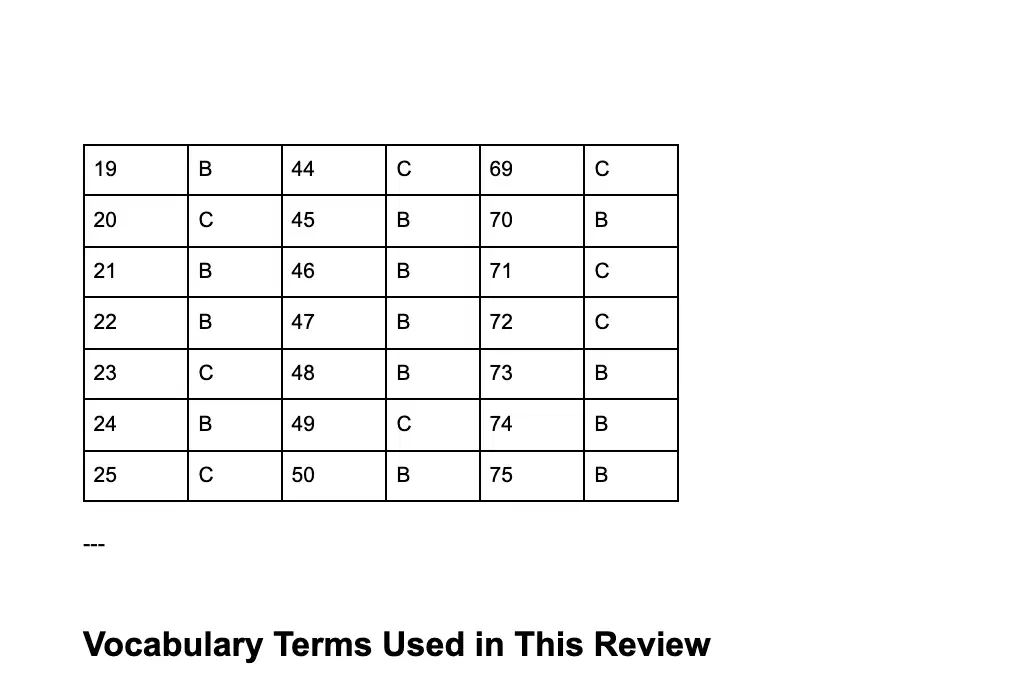
What was the advisory body of the Roman Republic made up of representatives?
Assemblies
Senate
Plebeians
Patricians
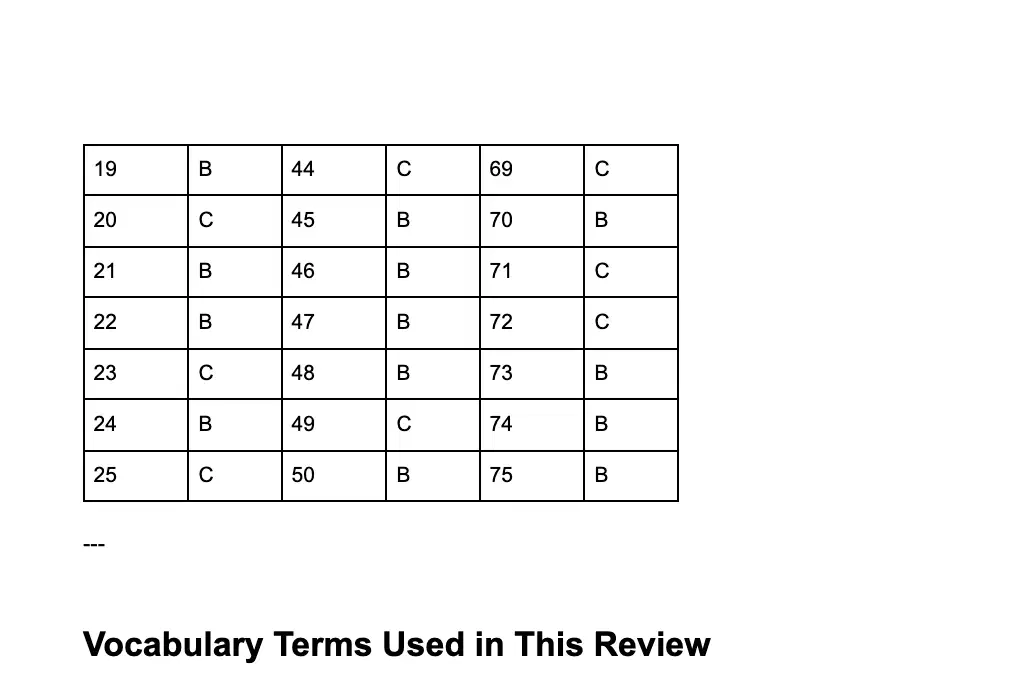
What term refers to groups of citizens who participated in government decisions in the Roman Republic?
Assemblies
Senate
Consuls
Plebeians
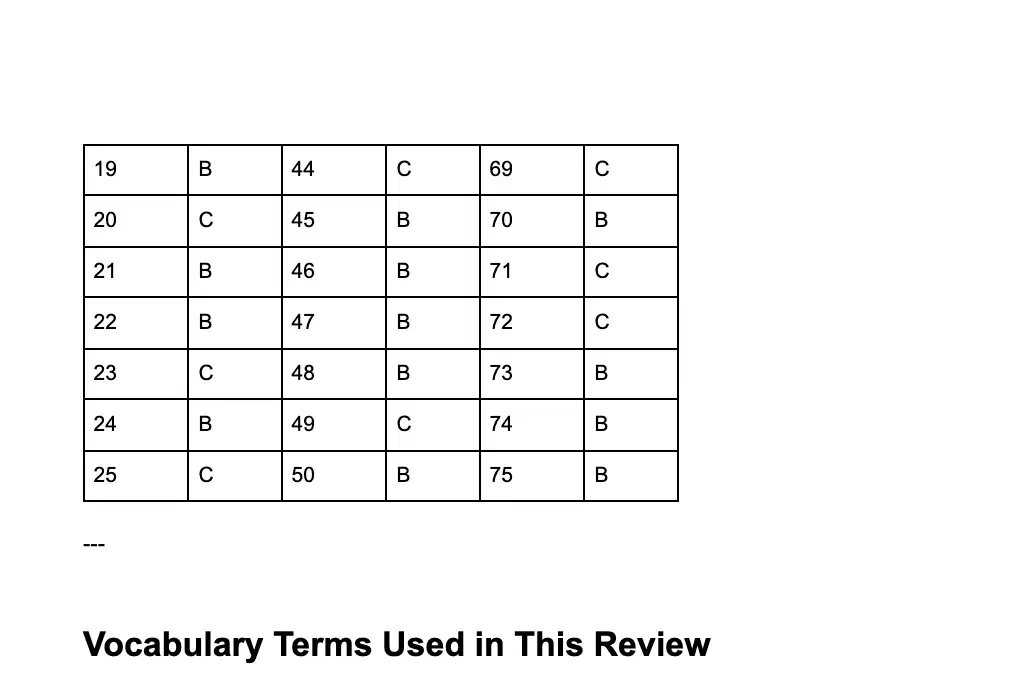
What were the three major wars fought between Rome and Carthage over 120 years called?
Pax Romana
Punic Wars
Principate
Res Publica
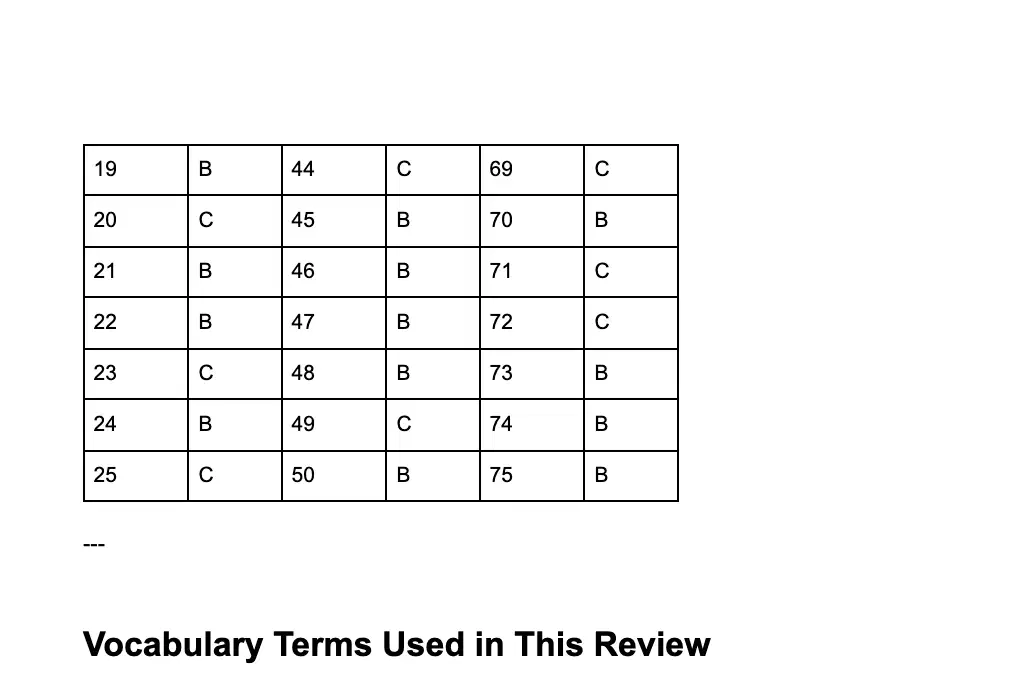
What term refers to the period of Roman peace lasting approximately 200 years?
Punic Wars
Pax Romana
Res Publica
Dictator
What system of government was created by Augustus where the emperor ruled but the Senate still existed?
Republic
Principate
Dictator
Res Publica
What term refers to an absolute ruler with complete power?
Consuls
Dictator
Plebeians
Patricians

