
Font size
 Worksheets
Semester 1 Review
Total questions: 85
Worksheet time: 7hrs 22mins

Early European explorers landed in North and South America. The explorers were really looking for a faster way to get to.....
Atlantis
Africa
Asia
Australia

Which motive best completes the diagram?
To promote free-enterprise.
To extend democracy.
To expand empires.
To found utopian communities.

Match the following
Focus on establishing settlements for economic gain, such as for trade and to create more markets.
British Colonization
Primarily interested in establishing trading posts for the fur trade.
French Colonization
Sought gold in the New World, maintained hold through the Mission System
Spanish Exploration
Match the following
Southern colonies
Hot climate, Large Plantations,
Middle colonies
Mild climate, bread basket colonies
New England colonies
cold climate, subsistence farming
New England
Massachusetts
Rhode Island
New Hampshire
Connecticut
Mid-Atlantic
New York
Pennsylvania
New Jersey
Delaware
Southern
Maryland
Virginia
N. Carolina
S. Carolina
Georgia
The increase in the number of enslaved Africans arriving in America was largely due to
the development of the plantation system
greater efforts to capture Africans by other Africans
an increase in the number of European slave traders
changing attitudes about the justice of owning slaves
What were the three reasons the Puritans set up a community in North America?
to trade beaver fur
to make money
freely practice their beliefs
to live by their Christian beliefs
Salutary Neglect refers to which of the following?
A policy of the British government to avoid strict enforcement of parliamentary laws
A medical condition related to neglecting health
A philosophical concept about neglecting moral duties
A historical event involving neglect of a treaty between different countries
How did salutary neglect benefit the American colonists?
It allowed the colonies to operate independently of British laws.
It increased British control over colonial trade.
It led to higher taxes imposed by the British.
It resulted in the colonies losing their self-governance.

A group of people in one place who are ruled by a parent country elsewhere.
colony
joint stock company
debtors
country

A government ruled by a king or queen
democracy
oligarchy
republic
monarchy
Which colonial region was known for its large-scale farming and reliance on slave labor?
New England
Southern Colonies
Western Colonies
Middle Colonies
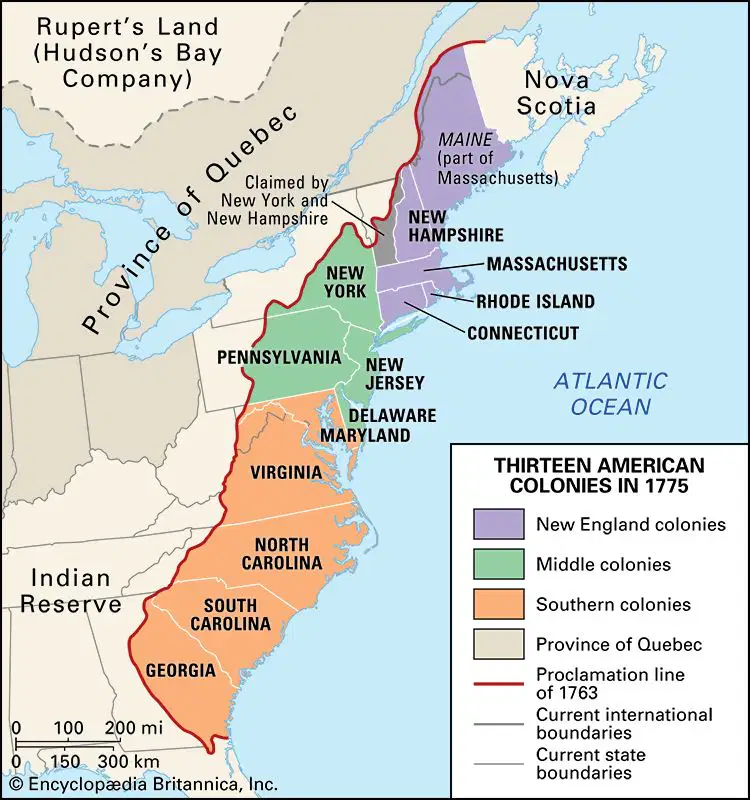
Match the following economic activities to the appropriate colony
Fishing and whaling, boat making, trade
New England
Grain crops, trade
Middle
Cash crop plantations and slave trade
Southern
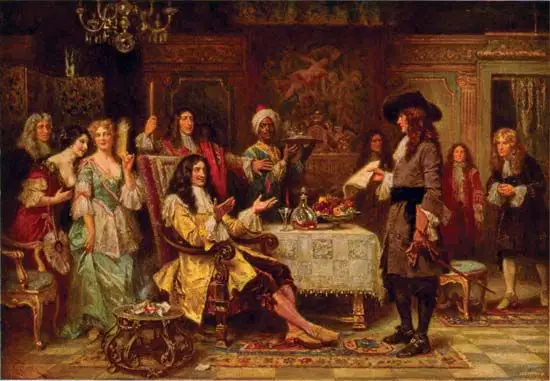
Match the following cultural characteristics of the colonies
Very religious consists mainly of Puritans and other religious pilgrims
New England
Most diverse population due to relaxed nature of the colonies
Middle
Primarily wealthy Anglicans and Catholics with vast plantations, large slave population
Southern
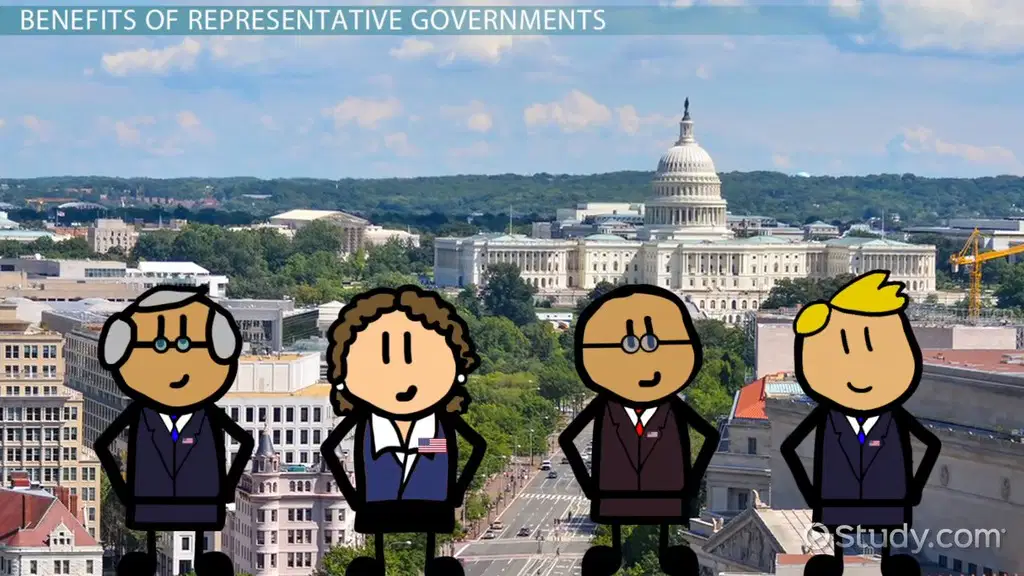
What is Representative government?
People vote directly on laws
When a king rules over the people through absolute power
When people represent themselves in all manners of law, no government is necessary
When people vote on someone to create laws on their behalf

Match the following examples of Representative government
Ratified in 1789 by 13 colonies. This document laid the framework for modern government and is the longest lasting constitution in the world.
U.S. Constitution
Social Contract created in 1620 by a group of pilgrims on the way to the New World. First form of self-government in the New World
Mayflower Compact
Created in 1619 in Jamestown, became the first representative legislative assembly in the New World
Virginia House of Burgesses
1639 document that would be known as the first written constitution supporting representative government
Fundamental orders of Connecticut
1215 document forced on the British crown to ensure a voice for the people through Parliament
Magna Carta

Ben Franklin
Colonial inventor, printer, writer, statesman; contributed to the Declaration of Independence and Co
George Washington
Commander of the Continental Army
Thomas Jefferson
Author of the Declaration of Independence.
Thomas Paine
Author of political pamphlets during the 1770’s and 1780’s; wrote Common Sense in 1776.

Tax on Sugar
Sugar Act
Tax on Legal Documents
Stamp act
Tax on household/everyday items
Townshend Acts
Monoplized tea in the 13 Colonies to the British East India Company
Tea Act
Act created to punish Boston by closing their ports, closing their rep. government, and sending trials to Britain/
Intolerable Acts
When the Sons of Liberty dumped British tea into Boston Harbor, this was called the
Boston Massacre
Boston Tea Party
Intolerable Acts
Treaty of Paris
Colonists protested the Stamp Act because they believed in what phrase?
Live free or die
All men are created equal
Life, liberty, and pursuit of happiness
No taxation without representation
What was the Proclamation of 1763?
King George III made the Appalachian Mountains the western boundary of the colonist
The Proclamation was a series of taxes
The Proclamation gave the colonies their independence
Which Act required colonist to house British soldiers?
Stamp Act
Quartering Acts
Townshend Acts
Sugar Act
This is a tax on goods brought into a country...
Mercantilism
Feudalism
Tariff
Market

Which practice was characteristic of mercantilism?
buying raw materials from colonists and selling them finished goods
prohibiting colonists from fishing and trading in furs
shipping large amounts of gold and silver from Europe to the colonies
increasing the use of slave labor to manufacture goods in Europe
In the 1760s, the British system of mercantilism was opposed by many American colonists because it -
placed quotas on immigration
discouraged the export of raw materials to England
placed restrictions on colonial trade
encouraged colonial manufacturing
A series of laws passed by the English Parliament in the 1650s that established rules for trade between England and its colonies (2)
Triangular Trade
Mercantilism
Colonization
Navigation Acts
King George III
He defended the British troops after the Boston Massacre
He was the Frenchman who help the American patriots
He was know for saying "Give me liberty or give me death!"
He was the monarch (ruling family) of England during the American Revolution Era
·Common Sense was a pamphlet Thomas Paine published to distribute in the colonies to...
explain to Britain why they should end the quartering act
influence more people to join the independence movement.
to join the Loyalist party
abide by the Intolerable acts
Which battle is considered the turning point of the Revolutionary War?
Battle of Lexington and Concord
Battle of Yorktown
Battle of Bunker Hill
Battle of Saratoga
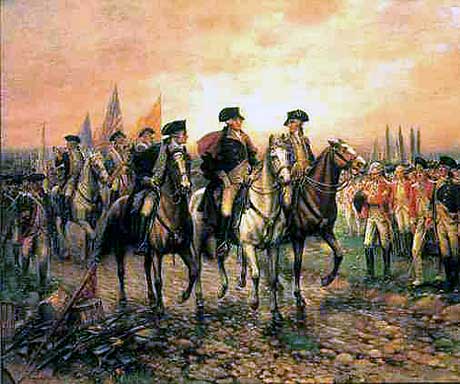
Which of the following events would be considered a battle of the American Revolution?
Select THREE correct answers.
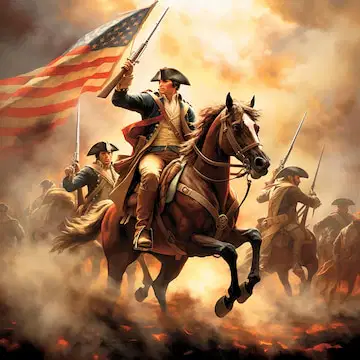
Reorder the following events of the American Revolution
First battle of the American Revolution
Lexington and Concord
Turning point of the Revolution that led to an alliance with France
Battle of Saratoga
Continental troops experience a harsh winter with little supplies
Winter at Valley Forge
Final Major battle of the American Revolution
Yorktown
U.S. independence recognized by Britain with a new border at the mississippi river in this agreement
Treaty of Paris 1783

Under the AOC Congress could not force states to pay taxes.
True
False
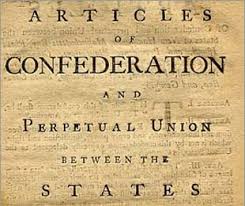
The Northwest Ordinance of 1787 addressed a need for _______________ in the Northwest Territory and established precedents for the future governing of the United States.
government
freedom
land ownership
additional indentured servitude
What was the purpose of the Northwest Ordinance?
to control Indians in the Northwest Territory
to set a path to statehood and establish rights for settlers
to convince more colonists to fight for independence
to give states a process for collecting taxes

A. have a population of sixty thousand free settlers
B. hold a vote on weather to become a free of slave territory
C. establish on public school per district
D. Have a territorial governor appointed by the president
This plan called for a unicameral legislature in which each State would be equally represented
Commerce and Slave Trade Compromise
Connecticut Compromise
New Jersey Plan
Virginia Plan

An agreement that Congress should be composed of a Senate, with States represented equally, and a House, with representation based on a State’s population...
Commerce and Slave Trade Compromise
Great Compromise
New Jersey Plan
Virginia Plan
called for a bicameral legislature with representation based on population...
We must start with a fresh document, fixing the Articles of Confederation isn’t enough.
Federalist
Antifederalist
The Constitution contains no Bill of Rights to protect individual liberties like freedom of speech, trial by jury, and the right against searches and seizures.
Federalist
Antifederalist
The Constitution gives too much power to the central government, overpowering the states.
Federalist
Antifederalist
The United States is too large to have a central government. People won’t know their leaders and will lose control over the government.
Federalist
Antifederalist
Other countries do not respect America because we do not have a strong leader.
Which amendment states "Excessive bail shall not be required, nor excessive fines imposed, nor cruel and unusual punishments inflicted."?
Sixth amendment
Third amendement
Eight amendement
Fifth amendment
The Fourth Amendment to the United States Constitution protects citizens from which of the following?
Cruel and unusual punishment
Excessive bail and fines
Being forced to testify against themselves
Unreasonable searches and seizures
What does freedom of the press mean?
That our government can do whatever they want
That news/media have the freedom to publish information
That you have the right to protest
That you have the right to say what you want whenever you want
What does freedom of assembly mean?
You have the right to practice any regligion
You have the right to a lawyer
You have the right to gather peacefully in a group
You have the right to remain silent

Which of the following are part of the 1st Amendment?
Freedom of Speech
Freedom of Protection
Freedom of Weapons
Freedom of Press
Freedom to Protest

Which Amendment gives citizens the right to bear arms?
4th
5th
2nd
3rd

Which amendment provides -
protection from being charged twice for the same crime
protection against self-incrimination
right to a fair trial by jury
8th Amendment
5th Amendment
6th Amendment
7th Amendment

James Madison, Alexander Hamilton and John Jay were....
Federalists
Anti-Federalists

George Mason,
Samuel Adams
Patrick Henry
Thomas Jefferson
Mercy Otis Warren
were all...
Federalist
Anti-Federalists
Why did northern industrialists favor tariffs on foreign goods during the early 1800's
the quality of American goods would be improved
the federal gov't would gain more money
prices on raw materials would go up
demand for American goods would increase

What did the Monroe Doctrine declare?
No new European colonies in the Americas
Free trade with Europe
Alliance with Spain
Expansion of U.S. territories
Which of the following is NOT a warning/piece of advice that Washington gave to the people of the United States in his farewell address?
Stay united
Avoid political parties
Avoid alliances with other countries
Focus on manufacturing and commerce
Which two members of Washington's cabinet often took opposing sides on political issues such as economic policies, foreign relations, the power of the federal government, and interpretation of the Constitution?
Thomas Jefferson
Alexander Hamilton
John Jay
John Adams
Edmund Randolph
Wanted to establish a National Bank
Federalists
Democratic-Republicans
Mostly supported by merchants and upper-class, educated citizens
Federalists
Democratic-Republicans
Mostly supported by farmers and middle- or lower-class citizens and immigrants
Federalists
Democratic-Republicans
Believed the U.S. should maintain close ties with France
Federalists
Democratic-Republicans
Vision for the future included business, manufacturing, and industry
Federalists
Democratic-Republicans
Believed agriculture was the future of the U.S. economy
Federalists
Democratic-Republicans
Believed in strong state governments and a limited central government
Federalists
Democratic-Republicans
Believed in a strong central government
Federalists
Democratic-Republicans
The power of the judiciary to review and potentially invalidate laws or actions that are deemed unconstitutional.
Landmark Supreme Court case (1803) that established the principle of judicial review, affirming the Supreme Court's authority to interpret the Constitution.
Which region felt the tariffs imposed during the presidency of Andrew Jackson were unfair and should be nullified?
North
West
South
Northwest Territory
In threatening to secede from the Union, South Carolina was defending its position on (a)
During the Nullification Crisis of 1832, South Carolina sought to repeal a (a) to demonstrate its support for (b) .
What was President Jackson's position on South Carolina's claim that they could nullify the Tariff of 1828?
They had a right to nullify the tariff
No state had the right to ignore a law passed by Congress
The U.S. Constitution was ambivalent
They needed Congress to pass a treaty to enable them to nullify

Who was the U.S. President that refused to support the Supreme Court's ruling in Worcester v. Georgia?
John Marshall
Andrew Jackson
Thomas Jefferson
Abraham Lincoln

What was the Supreme Court's ruling in Worcester v. Georgia?
Georgia laws do NOT apply in the Cherokee Nation
Cherokee must cede their lands to the Georgians
all white missionaries must leave the Cherokee Nation
Georgia has the right to distribute Cherokee lands using a lottery system
The Indian Removal Act led to the event known in History as....
The Trail of Tears
The trail of Death
The Crying Path
The Journey of Loss

