
 Worksheets
Reproduction and Behavior in Organisms
Total questions: 50
Worksheet time: 2hrs 44mins
Which of the following is an example of asexual reproduction?
Budding
Fertilization
Pollination
Courtship
What is the male gamete in animals called?
Egg
Sperm
Zygote
Pollen
Which term describes behaviors that animals are born with?
Learned behaviors
Innate behaviors
Courtship behaviors
Regeneration
What is the process called when pollen is transferred from the male part to the female part of a flower?
Fertilization
Pollination
Budding
Regeneration
Which cell type contains half the number of chromosomes as a body cell?
Diploid cell
Haploid cell
Zygote
Regenerated cell
Which of the following is a method of asexual reproduction in plants?
Vegetative propagation
Courtship
Pollination
Fertilization
What is the result of fertilization in animals?
Gamete
Zygote
Pollinator
Haploid cell
Which of the following is NOT a pollinator?
Bee
Butterfly
Sperm
Bat
What is regeneration?
Formation of gametes
Growth of a new organism from a part of the parent
Transfer of pollen
Courtship behavior
Which of the following is a learned behavior?
Reflex action
Riding a bicycle
Breathing
Hibernation
Which process involves the fusion of egg and sperm?
Budding
Fertilization
Pollination
Regeneration
Which of the following is a characteristic of sexual reproduction?
Offspring are identical to parent
Involves gametes
Only one parent is needed
No fertilization occurs
Which animal behavior is used to attract a mate?
Regeneration
Courtship
Pollination
Budding
Which of the following is an example of regeneration?
A starfish regrowing a lost arm
A bee pollinating a flower
A frog laying eggs
A plant producing seeds
Which of the following best describes vegetative propagation?
Formation of seeds
Growth from roots, stems, or leaves
Fusion of gametes
Animal courtship
Compare asexual and sexual reproduction in terms of genetic variation in offspring.
Both produce genetically identical offspring
Sexual reproduction increases genetic variation; asexual does not
Asexual reproduction increases genetic variation; sexual does not
Neither affects genetic variation
Explain why pollinators are important for flowering plants.
They help plants grow faster
They transfer pollen, enabling fertilization
They protect plants from predators
They provide nutrients to plants
Identify which behavior is most likely to be learned rather than innate.
A dog sitting on command
A baby crying
A bird building a nest
A fish swimming
Which method of asexual reproduction allows plants to grow new individuals from runners?
Budding
Vegetative propagation
Regeneration
Pollination
Describe the role of gametes in sexual reproduction.
They provide energy for the organism
They fuse to form a zygote
They help in pollination
They regenerate lost body parts
Explain how regeneration can benefit an organism.
It allows the organism to reproduce sexually
It helps the organism recover from injury by regrowing lost parts
It increases pollination rates
It helps the organism learn new behaviors
Which of the following best explains the difference between innate and learned behaviors?
Innate behaviors are acquired through experience; learned behaviors are inherited
Innate behaviors are inherited; learned behaviors are acquired through experience
Both are inherited
Both are learned
Why is fertilization necessary in sexual reproduction?
It allows pollinators to visit flowers
It combines genetic material from two parents to form a new organism
It helps plants grow roots
It enables regeneration
A plant can reproduce by growing a new plant from its stem. What type of reproduction is this?
Sexual reproduction
Asexual reproduction
Courtship behavior
Pollination
A bee visits a flower and collects pollen. What is the bee’s role in the plant’s life cycle?
Predator
Pollinator
Gamete
Zygote
A scientist observes that a certain species of lizard can regrow its tail after it is lost. What advantage does this provide to the lizard?
It can attract mates more easily
It can escape predators and survive injuries
It can pollinate flowers
It can produce more gametes
A student wants to determine if a behavior in birds is innate or learned. What would be a good strategy to investigate this?
Observe if all birds of the species show the behavior without prior experience
Ask the birds directly
Look for pollinators near the birds
Check if the behavior involves fertilization
A gardener wants to grow more plants quickly and chooses vegetative propagation. What is a possible reason for this choice?
It produces genetically diverse plants
It allows rapid multiplication of identical plants
It requires pollinators
It involves fertilization
A scientist is studying pollination in a flower species. What evidence would support the idea that bees are the main pollinators?
Most flowers are visited by bees and produce seeds after bee visits
Flowers are only visited by bats
Flowers do not produce seeds after bee visits
Flowers are pollinated by wind
A student observes that offspring produced by sexual reproduction are not identical to their parents. What reasoning explains this observation?
Sexual reproduction involves only one parent
Genetic material from two parents combines, increasing variation
Offspring are clones of their parents
No gametes are involved

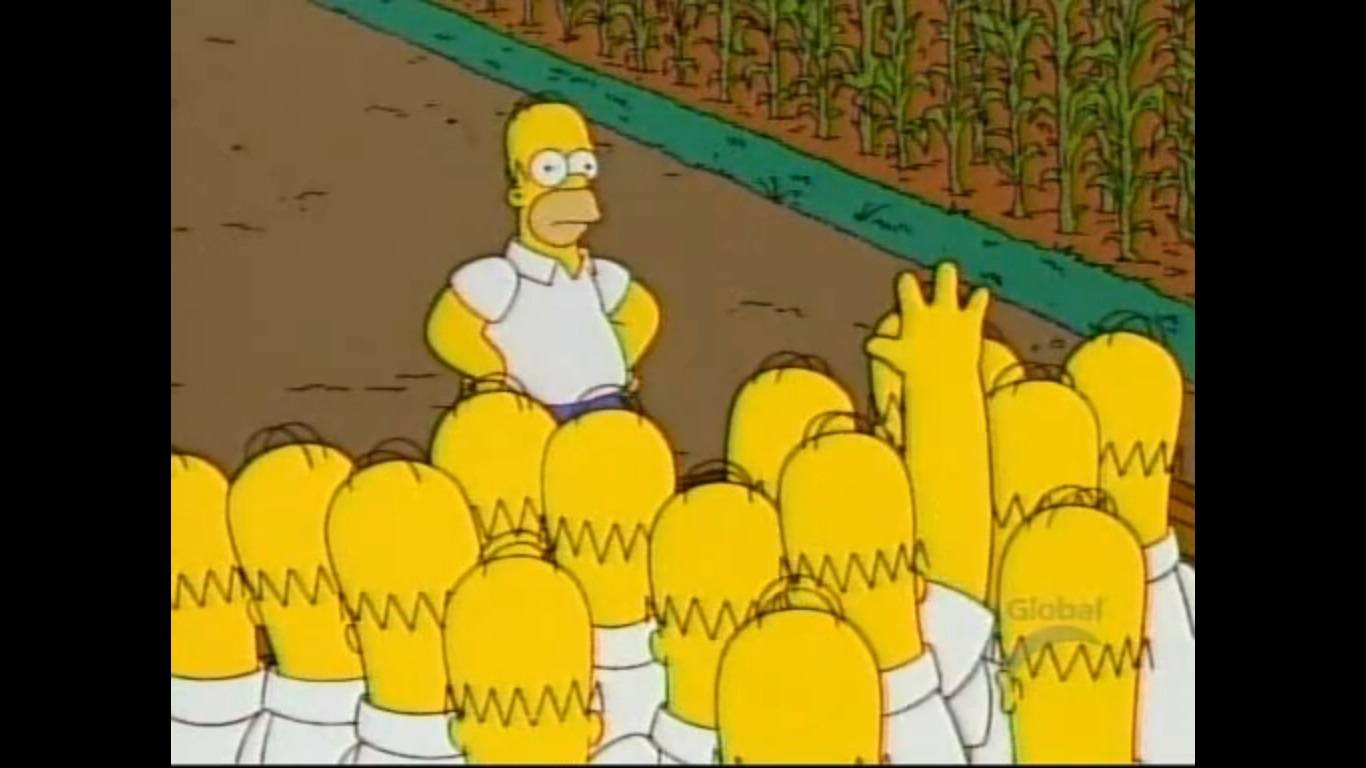
All of the offspring of an organism have the same genetic material, which is identical to the parent organism. From this, we can conclude that this organism -
makes its own food
is unicellular
live in a marine habitat
reproduces asexually


What type of asexual reproduction is taking place?
Binary Fission
Budding
Fragmentation
Regeneration
Vegetative Reproduction

This picture shows a mom penguin, dad penguin, and baby penguin. What type of reproduction is this?
sexual
asexual
neither
budding
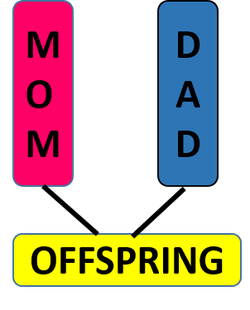
Requires two parents
sexual
asexual

What type of reproduction is represented in the picture?
asexual reproduction
sexual reproduction
both

California blackworms, also known as mudworms, are able to break apart. Each body section that broke apart is able to become an identical new worm. What type of reproduction does this example represent?
Sexual reproduction
Asexual reproduction


A bird building a nest in the spring is an example of ___.
imprinting
an instinct
a learned behavior
a reflex
Which of the following best describes selective breeding?
Choosing organisms with desirable traits to reproduce
Allowing organisms to reproduce randomly
Crossing different species to create hybrids
Preventing reproduction in all organisms
What is a possible outcome of selective breeding in plants?
Plants that cannot reproduce
Plants with improved disease resistance
Plants with fewer leaves
Plants that lose their color
Why might farmers use selective breeding with their livestock?
To make animals less healthy
To reduce the number of offspring
To produce animals with specific traits, such as higher milk yield
To increase genetic variation
What is a disadvantage of sexual reproduction compared to asexual reproduction?
Offspring are genetically identical to parents
Requires more time and energy
Occurs only in plants
Produces fewer offspring
Why might a species benefit from sexual reproduction in a changing environment?
It produces identical offspring
It prevents mutations
It increases genetic variation
It allows faster reproduction

