
 Worksheets
Y7 African Instruments and Note Values
Total questions: 13
Worksheet time: 7mins
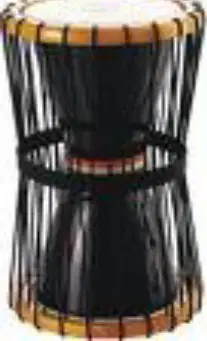
Which action changes the pitch of a talking drum while playing?
Tighten or loosen the side strings
Strike the center with heavier sticks
Rotate the drum to face upward
Tap lightly around the rim only
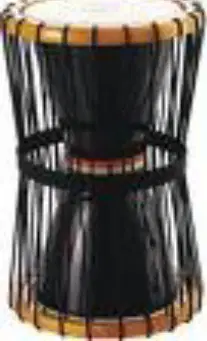
A village needs to send messages across a valley. Which instrument would best suit this communication task?
Talking drum with adjustable pitch
Djembe with open tone technique
Wooden xylophone with soft mallets
Metal triangle with gentle strikes
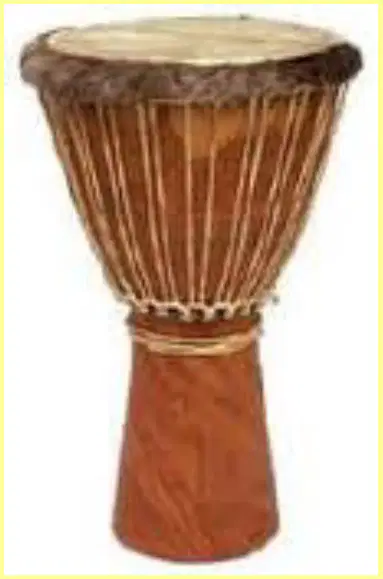
Choose the material most commonly used for a djembe drumhead.
Goatskin tightened with rope
Cowhide glued to plywood
Synthetic mesh with springs
Linen fabric stitched by hand
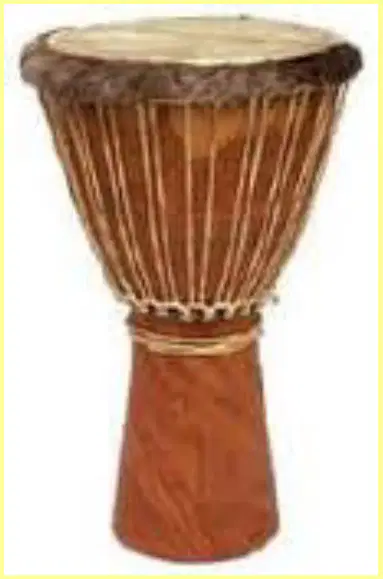
A djembe is carved from a single tree trunk. What is the main reason for shaping and hollowing the wood?
To fit more decorative carvings
To make the drum lighter to carry
To create a resonant shell for sound
To attach extra metal jingles
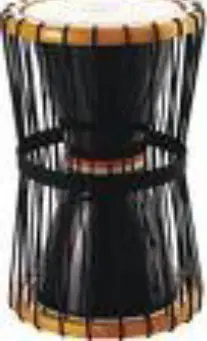
Two performers want distinct pitches while using the same talking drum. Which plan will best achieve this?
Each plays softer to avoid overtones
Each rotates the drum between phrases
Each strikes only with thicker sticks
Each tightens and loosens cords differently

Look closely at the images showing the Kora. Which description best matches its instrument family and key feature?
Percussion with wooden frame and mallets
Brass horn with valves and metal bell
Wind with long reed and mouthpiece
String harp with gourd body and many strings
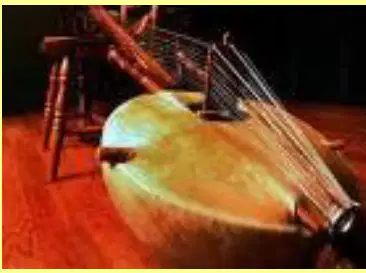
The Kora is widely played across Africa. If a school ensemble wants the most popular melodic African instrument for a performance, which should they choose?
A 21‑string harp called the Kora
A single‑reed pipe called the Ney
A 10‑drum set called the Djembe
A metal bell set called the Agogo
A musician wants a three‑string instrument held like a guitar. Which instrument should they choose?
Sakara drum struck with paired sticks
Shekere with beads and a round gourd
Xalam with three strings and guitar posture
Mbira with metal keys in a wooden box
Which action is appropriate for playing the sakara?
Strike the drum using sticks in rhythm
Blow air through a tube to make tones
Shake beads around a gourd to rattle
Pluck three strings while fretting notes
You need a bright rattling texture to layer over a drum beat. Which instrument choice and technique would best achieve this?
Shekere shaken or rubbed to create rattles
Xalam bowed softly to sustain long notes
Shekere struck with sticks for deep tones
Sakara muted by hand to dampen hits
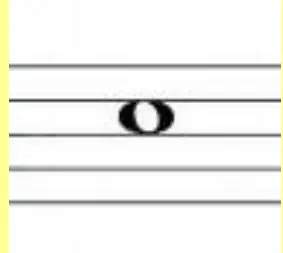
Look closely at the first image. If a bar in 4/4 time has one semibreve, how many empty beats remain in that bar after the semibreve is placed?
No beats remain empty
Two beats remain empty
One beat remains empty
Three beats remain empty
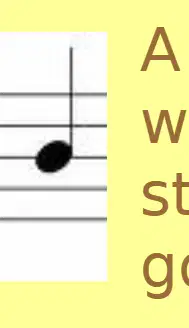
Using the second image, choose the combination that equals two full beats in 4/4 time.
Four quavers grouped together
Two crotchets in a bar
One minim with stem up
One semibreve alone
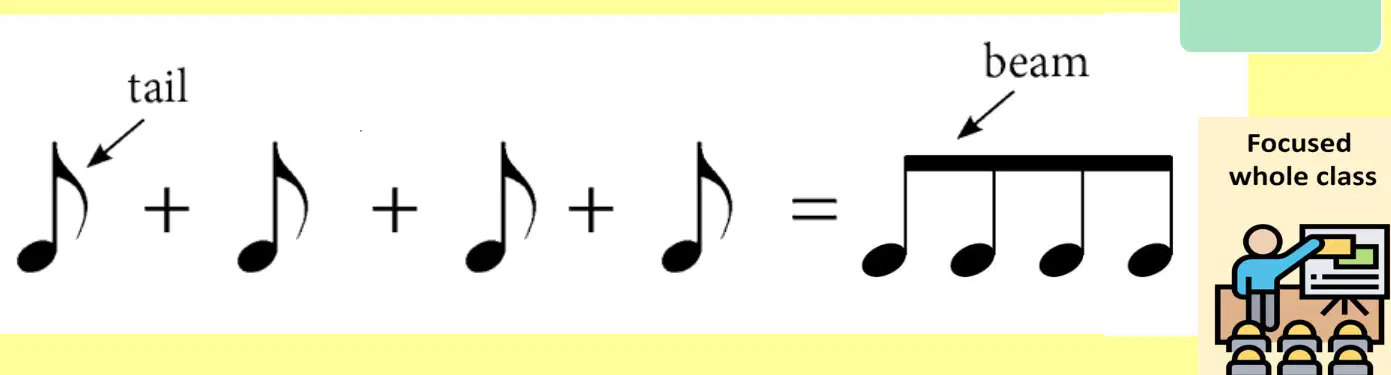
Refer to the third image. Which beaming choice best supports easy reading when you have many quavers in 4/4 time?
Beam all eight quavers together
Beam each quaver to the next rest
Group quavers in twos or fours
Leave every quaver un-beamed

