
 Worksheets
EMH 2 Review
Total questions: 25
Worksheet time: 13mins
Any three topics/ dynasties you learnt in this module
Mughal Empire, Umayyad Caliphate, Prophet Muhammad in Mecca
Sassanian Empire, Safavid Empire, Mughals
Silk Road, Ottoman Empire, Mughal Empire
Safavid Dynasty, Rightly guided Caliphs
Master Narrative is _________. Bonus: Two master narratives we studied in this module
A dominant story that a society or group tell about others
A story tell by Masters
A narrative written by historians based on 100 percent proof
When societies face crises, they enter a process of ______________
Downfall
Transformation
Migration/ displacement
Survival
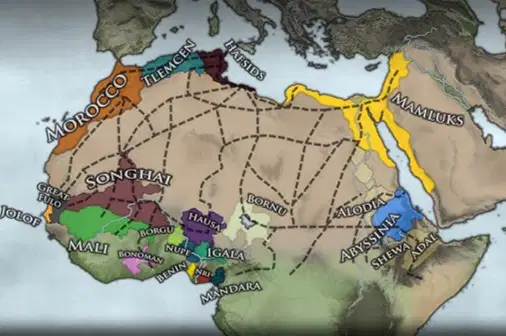
Which one is the TRANS-SAHARAN Route? Why safer routes are important?

Localisation of Islam means
Who had a dream that showed he would start a Ottoman empire?
Mehmed II
Suleyman
Osman
Orkhan
The moon and the tree in Osman's dream show:
None of these
Religious and spiritual authority
Spiritual legitimacy and Political power
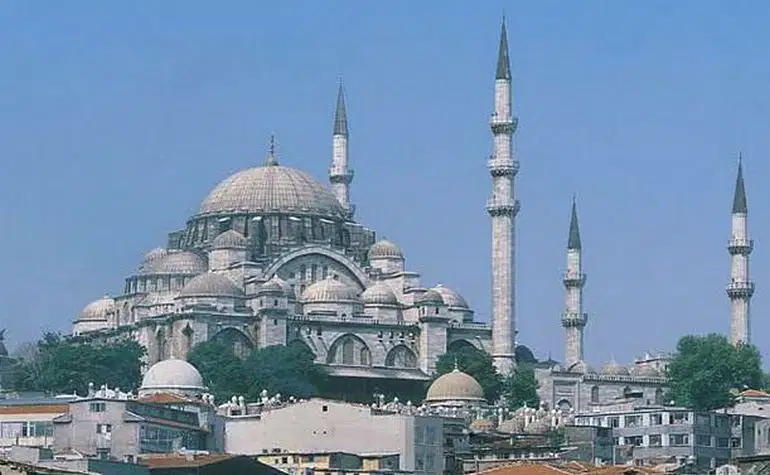
Do buildings talk or speak? How? Guess the buildings and explain


What title did Suleyman earn for revising legal code?
Which elite Ottoman military unit was largely made up of Christian boys taken as slaves?
What was a popular flower in Ottoman gardens?
Lily
Tulip
The Safavids originated from which Sufi order?
“In the Safavid times and even today, debates about faith show that
Faith is living and people are making meaning of faith in their times
Faith is fixed and cannot be changed
Which battle marked the conflict between Safavids and Ottomans?
The Usuli School of thought in Shia Ithnashiri emphasized:
How many Dawr/Periods Ismaili history have? Bonus: Name
6
Which Imam served as the last Leader of Alamaut time period?
Imam Ruknudin Kharisha

Guess the next centre of ismaili leadership during Post Alamaut time period?
Anjudan
What kind of buildings were discovered in Anjudan in the 1930s?
Markets and Houses
Forts and palaces
Libraries and schools
Mosque and mausoleums
The Pir Pandiyat-i Jawanmardi is best described as:
A book of moral and spiritual guidance by Imam Mustabsribillah
Which three empires are considered as Gun Powder Empire?
Who established Mughal empire and where?
Babur’s first Mughal garden in India was known as:
Aram Bagh

Who build the Fatehpur Sikri as new capital? Do you remember any feature of this city?
Emperor Shah Jahan's love is famous for ___________
the gardens and buildings

