
 Worksheets
EWATCH: Engine Watchkeeping
Total questions: 62
Worksheet time: 31mins
Analyze the principles of watchkeeping arrangement in accordance with Regulation VIII and Chapter VIII of the STCW Convention in relation to engine watchkeeping.
Watchkeeping arrangements must ensure a safe engineering watch is maintained at all times as per STCW Regulation VIII and Chapter VIII.
Watchkeeping arrangements can be disregarded during port operations according to STCW Regulation VIII.
STCW Regulation VIII allows engine watchkeeping to be performed by unqualified personnel.
Engine watchkeeping under STCW Regulation VIII does not require compliance with rest hour regulations.
Explain the important principles to be observed in taking over a safe engineering watch in accordance with Chapter VIII of the STCW Code.
The important principles to be observed in taking over a safe engineering watch in accordance with Chapter VIII of the STCW Code include verifying machinery status, reviewing standing orders, and ensuring effective communication during the handover.
The important principles to be observed in taking over a safe engineering watch in accordance with Chapter VIII of the STCW Code include only checking fuel levels and ignoring machinery status.
The important principles to be observed in taking over a safe engineering watch in accordance with Chapter VIII of the STCW Code include leaving the watch without any communication or review of orders.
The important principles to be observed in taking over a safe engineering watch in accordance with Chapter VIII of the STCW Code include focusing solely on personal comfort and disregarding operational procedures.
What should be confirmed to ensure proper working hours and rest hours?
Rest
Salary
Uniform
Transport
Fatigue management involves which of the following?
Watch Schedule and Arrangements
Influence of Alcohol
Confirm Rest
None of the above
Impairment awareness includes being aware of the influence of what substance?
Alcohol
Caffeine
Water
Sugar
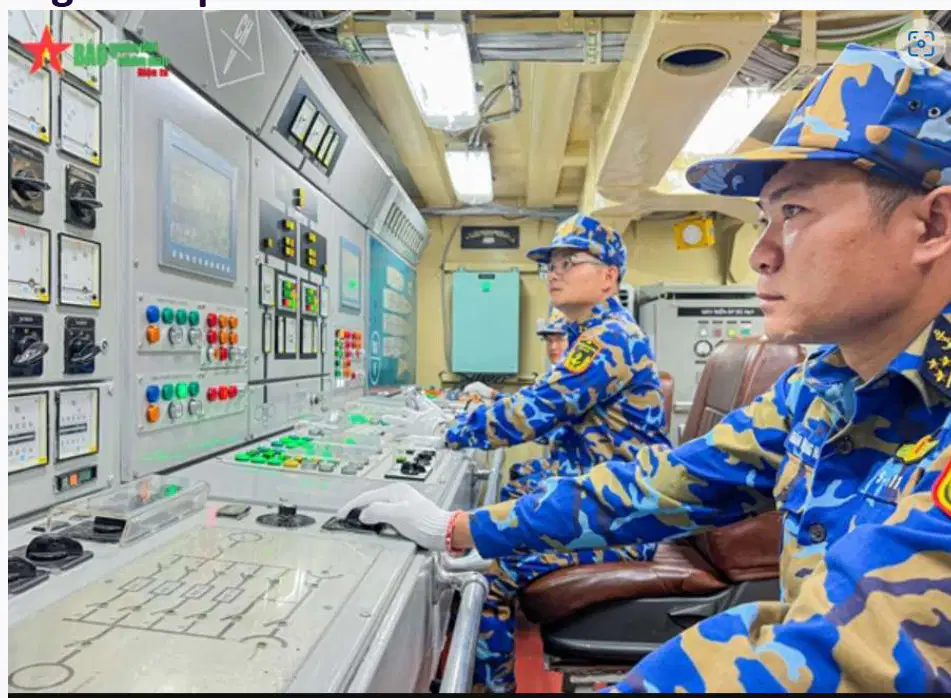
Which of the following is a General Watchkeeping Principle?
Situational Awareness
Teamwork
Navigation
Maintenance
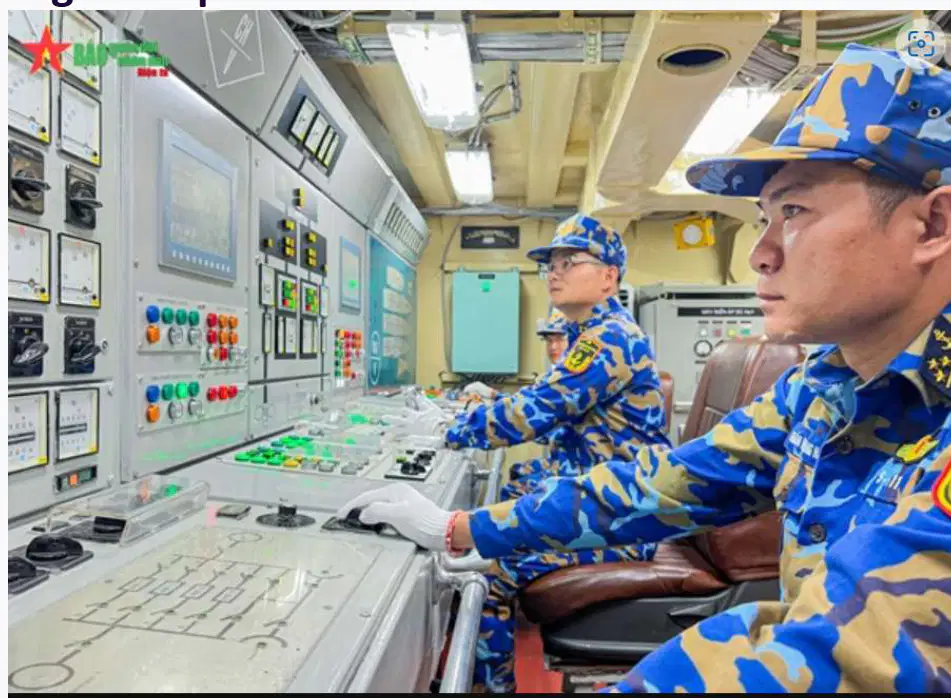
Fill in the blank: One of the General Watchkeeping Principles is ________ Communication.
Clear
Silent
Broken
Vague
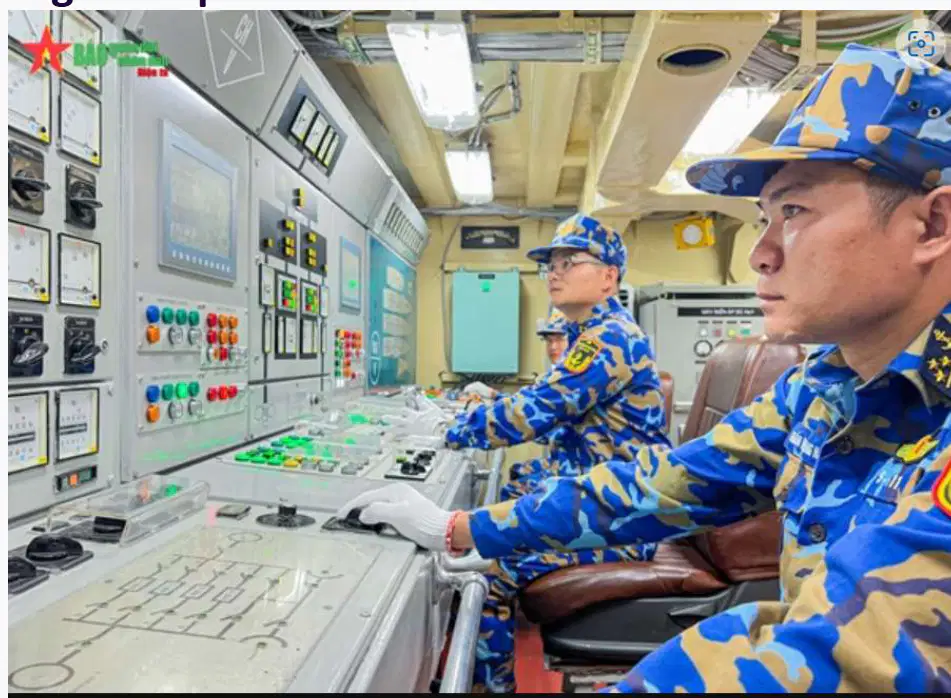
Fill in the blank: ________ Keeping is an important General Watchkeeping Principle.
Record
Time
Duty
Log
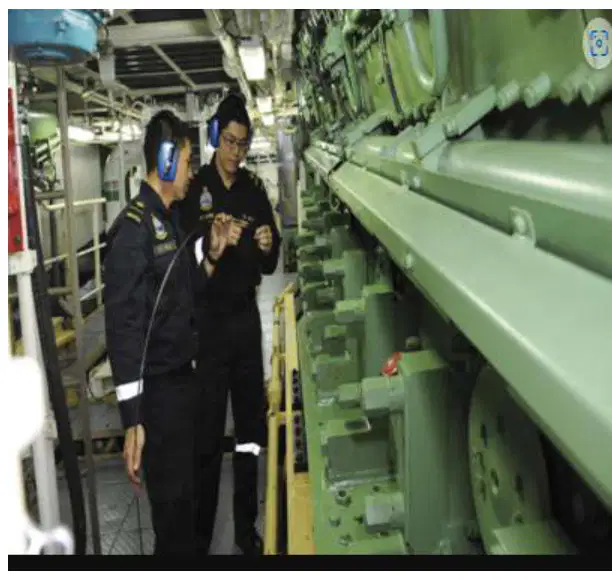
Proper arrangements for ________ personnel shall be ensured in accordance with the situations.
watchkeeping
maintenance
catering
security
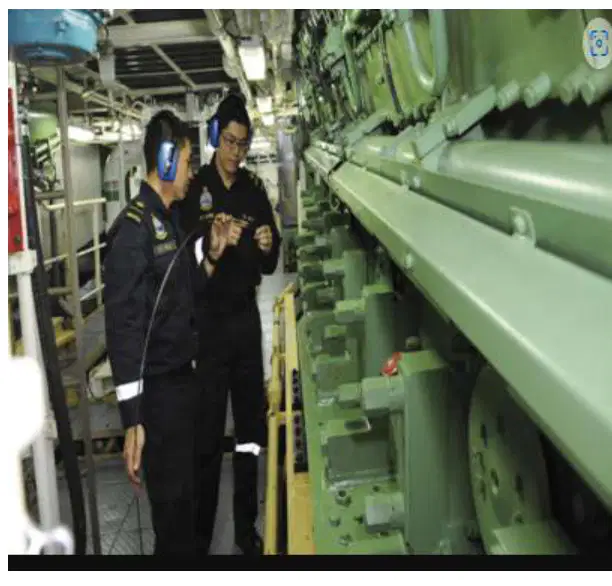
Watches shall be carried out based on the following bridge and engine-room resource management principles: Any limitation in qualifications or fitness of individuals shall be taken into account when deploying watchkeeping personnel.
True
False
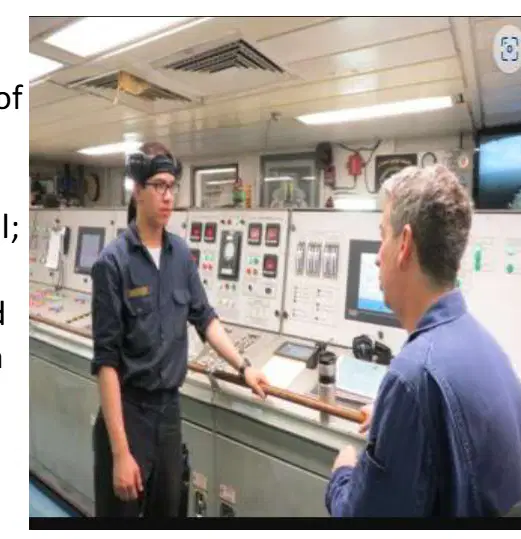
Fill in the blank: Understanding of watchkeeping personnel regarding their individual roles, responsibility and team roles shall be ________.
established
ignored
delayed
assumed
uncertain

Fill in the blank: The master, chief engineer officer and officer in charge of watch duties shall maintain a proper watch, making the most effective use of the resources available, such as information, installations/equipment and other ________.
personnel
documents
vessels
signals
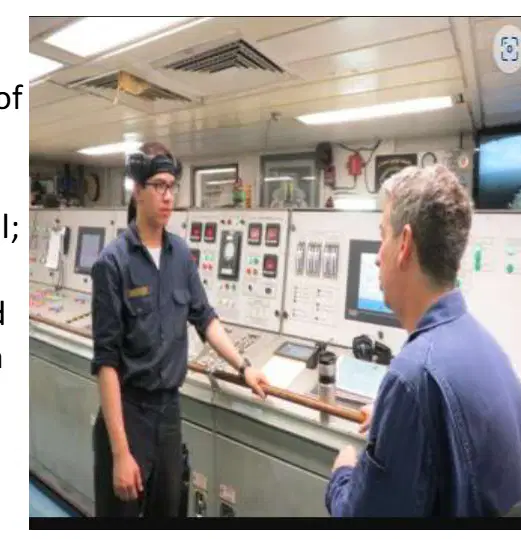
Fill in the blank: Watchkeeping personnel shall understand functions and operation of installations/equipment, and be familiar with ________ them.
handling
ignoring
destroying
avoiding
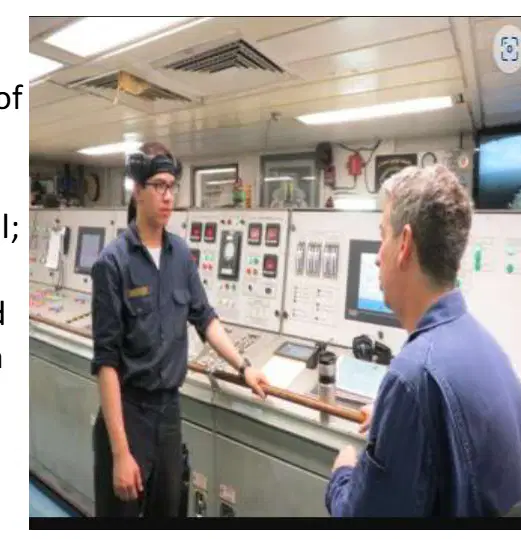
Fill in the blank: Watchkeeping personnel shall understand information and how to respond to information from each station/installation/________.
equipment
location
department
crew
According to the guidelines, information from the stations/installations/equipment shall be appropriately shared by all the ________ personnel.
watchkeeping
maintenance
administrative
security
Watchkeeping personnel shall maintain an exchange of appropriate ________ in any situation.
communication
navigation
equipment
documents
Watchkeeping personnel shall notify the master/chief engineer officer/officer in charge of watch duties without any ________ when in any doubt as to what action to take in the interest of safety.
hesitation
delay
discussion
argument
Fill in the blank: One type of watchkeeping arrangement is _________?
Manned Space
Unmanned Bridge
Automated Engine
Remote Control
Fill in the blank: One type of watchkeeping arrangement is _________?
Unmanned Space
Continuous Watch
Bridge Team Only
Single Officer Duty
Fill in the blank: One type of watchkeeping arrangement is _________?
Safety Management
Bridge Resource
Cargo Handling
Navigation Watch
Fill in the blank: One of the preparations before taking over a watch is _________
Personal Readiness
Checking the weather report
Completing paperwork
Making coffee
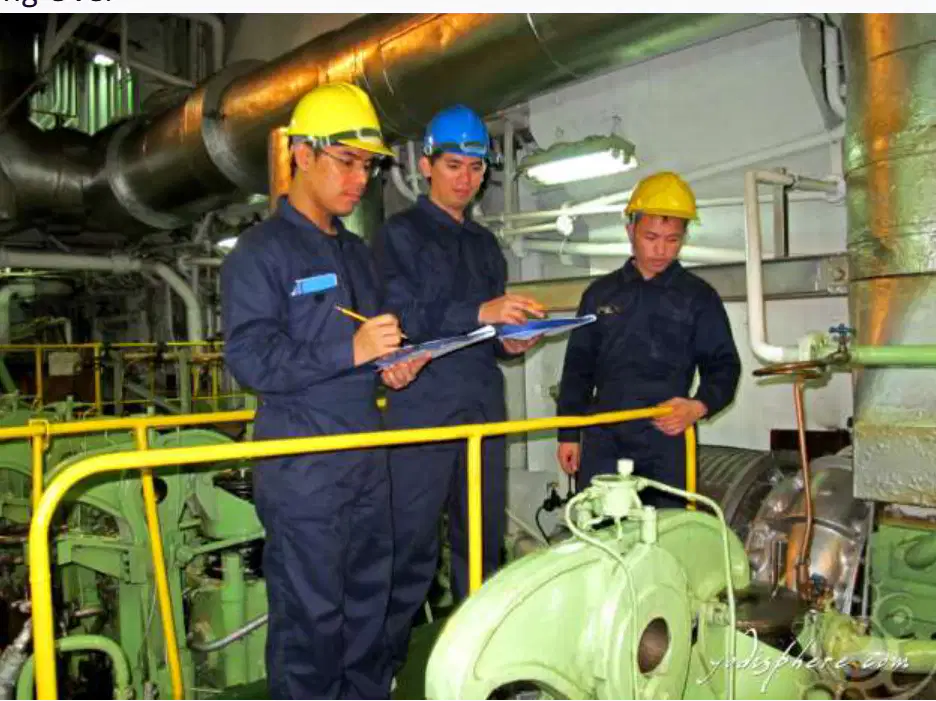
Fill in the blank: One of the preparations before taking over a watch is _________
Practical Preparations
Theoretical Explanations
Random Inspections
Casual Conversations
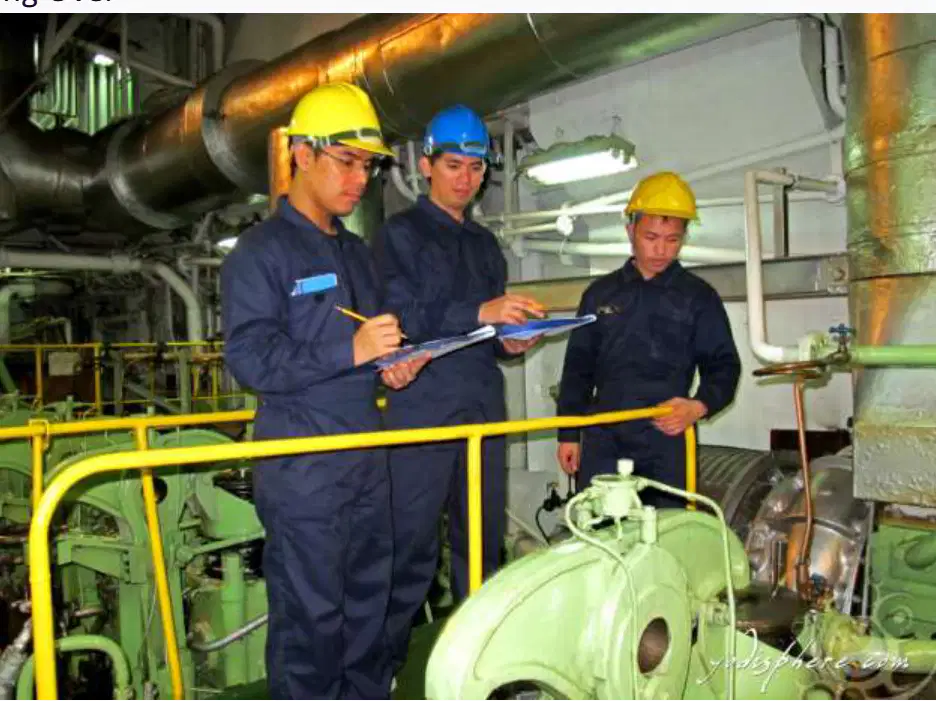
Fill in the blank: One of the preparations before taking over a watch is _________
Communication Checks
Taking a nap
Ignoring instructions
Leaving the area
What is one of the duties associated with taking over? (Fill in the blank)
Handover Confirmation
Inventory Disposal
Unauthorized Access
Equipment Shutdown
What is one of the duties associated with taking over? (Fill in the blank)
Parameter Verification
Data Encryption
System Shutdown
Network Expansion
What is one of the duties associated with taking over?
Logbook Recording
Inventory Counting
Safety Drill
Equipment Installation
Which of the following is a procedure for taking over engine room watch at sea?
Standing orders from the C/E
Checking weather forecast
Cleaning the deck
Preparing meals
Which of the following is a procedure for taking over engine room watch at sea?
Level of all engine room tanks
Checking passenger list
Arranging cargo
Painting the hull
Which of the following is a procedure for taking over engine room watch at sea?
Engine room logbook is filled
Checking entertainment system
Organizing crew quarters
Scheduling shore leave
Which of the following is a procedure for taking over engine room watch at sea?
Navigation operation (Traffic, Canal etc.)
Preparing food supplies
Arranging lifeboats
Checking guest rooms
Which of the following is a procedure for taking over engine room watch at sea?
Ongoing engine room maintenance tasks
Organizing entertainment
Cleaning windows
Arranging shore excursions
Which of the following is a procedure for taking over engine room watch at sea?
Any equipment or system failure
Arranging guest activities
Preparing laundry
Organizing safety drills
Which of the following is a procedure for taking over engine room watch at sea?
Condition of all engine room machinery
Arranging entertainment
Organizing food supplies
Cleaning cabins
Which of the following is a procedure for taking over engine room watch at sea?
Arrive 15-20 min. early for a complete ER round
Organizing guest rooms
Preparing meals
Scheduling shore leave
Which of the following is a procedure for taking over engine room watch at sea?
Report issues and abnormalities immediately
Arranging entertainment
Organizing food supplies
Cleaning cabins

What is one of the key components of Pre-Watch Rounds? (Fill in the blank)
Key Inspections
Daily Reports
Safety Drills
Maintenance Logs
What is one of the key components of Pre-Watch Rounds? (Fill in the blank)
Documentation
Presentation
Scheduling
Feedback

What is one of the key components of Pre-Watch Rounds? (Fill in the blank)
Immediate Action
Delayed Response
Routine Check
Final Review

Which of the following is a proper procedure in relieving duty?
Structured Handover
Random Assignment
Unplanned Departure
Ignoring Documentation

Fill in the blank: One of the proper procedures in relieving duty is ________ Overview.
Status
Safety
Briefing
Equipment

Logbook Documentation is part of the proper procedure in relieving duty.
True
False
What is one common pitfall in shift change management mentioned in the list?
Skipping Rounds
Overstaffing
Ignoring Safety Protocols
Excessive Documentation
Which of the following is a common pitfall in shift change management?
Excellent Communication
Poor Handovers
Timely Reporting
Effective Training
Fill in the blank: ________ is a common pitfall in shift change management that can lead to loss of important information and errors in operations.
Record Keeping
Team Building
Time Management
Equipment Maintenance
Fill in the blank: One of the items under 'Quick Practical Checklists' is _________.
Personal Checklists
Financial Reports
Meeting Minutes
Project Guidelines
Fill in the blank: One of the items under 'Quick Practical Checklists' is _________.
Handover Checklist
Safety Manual
Equipment Log
Incident Report
Fill in the blank: One of the items under 'Quick Practical Checklists' is _________.
Immediate Rounds
Delayed Reports
Final Review
Scheduled Meetings
What is one key component of Company Safety Management & Continuous Improvement?
Comprehensive SMS
Financial Planning
Marketing Strategy
Product Design
Fill in the blank: One aspect of Company Safety Management & Continuous Improvement is _____________.
Continuous Improvement
Random Inspections
Ignoring Feedback
Reducing Communication
Which of the following is necessary for Company Safety Management & Continuous Improvement?
Regulatory Compliance
Customer Service
Sales Growth
Brand Awareness
Fill in the blank: One importance of effective handover is _________
Risk Minimization
Increased paperwork
Delayed communication
Higher costs
Fill in the blank: One importance of effective handover is _________?
Operational Continuity
Increased Paperwork
Reduced Communication
Delayed Decision Making
Fill in the blank: One importance of effective handover is _________?
Safety Enhancement
Increased paperwork
Reduced communication
Delayed response
What is one role of technology in handover procedures mentioned in the slide?
Digital Logs
Manual Signatures
Paper Charts
Verbal Reports
What is another role of technology in handover procedures mentioned in the slide?
Monitoring Systems
Manual Documentation
Physical Handover Only
Verbal Communication Without Records
Name a way to embrace advancements in technology for handover procedures as mentioned in the slide.
Embracing Advancements
Ignoring Technology
Delaying Implementation
Avoiding Training
Fill in the blank: One key aspect of Training and Development is ________ Training.
Continuous
Temporary
Irregular
Random
Fill in the blank: Training and Development focuses on ________ Development to improve employee capabilities.
Skill
Financial
Physical
Emotional
Fill in the blank: Promoting a ________ Culture is an important part of Training and Development.
Safety
Competitive
Relaxed
Profit-driven
The significance of learning from failures in the context of handover failures is:
It helps identify and address root causes to improve future handovers.
It ensures that failures are repeated for consistency.
It reduces the need for analysis and feedback.
It guarantees that all handovers will be successful without further effort.
The importance of communication in preventing handover failures is mainly due to:
Ensuring accurate transfer of information
Increasing the number of staff involved
Reducing the need for documentation
Focusing only on technical skills
Enhancing accountability contributes to reducing handover failures by:
Ensuring clear responsibility and follow-up
Increasing the number of staff involved
Reducing communication between teams
Eliminating documentation requirements

