
 Worksheets
Mid-Term Exam Review
Total questions: 42
Worksheet time: 21mins
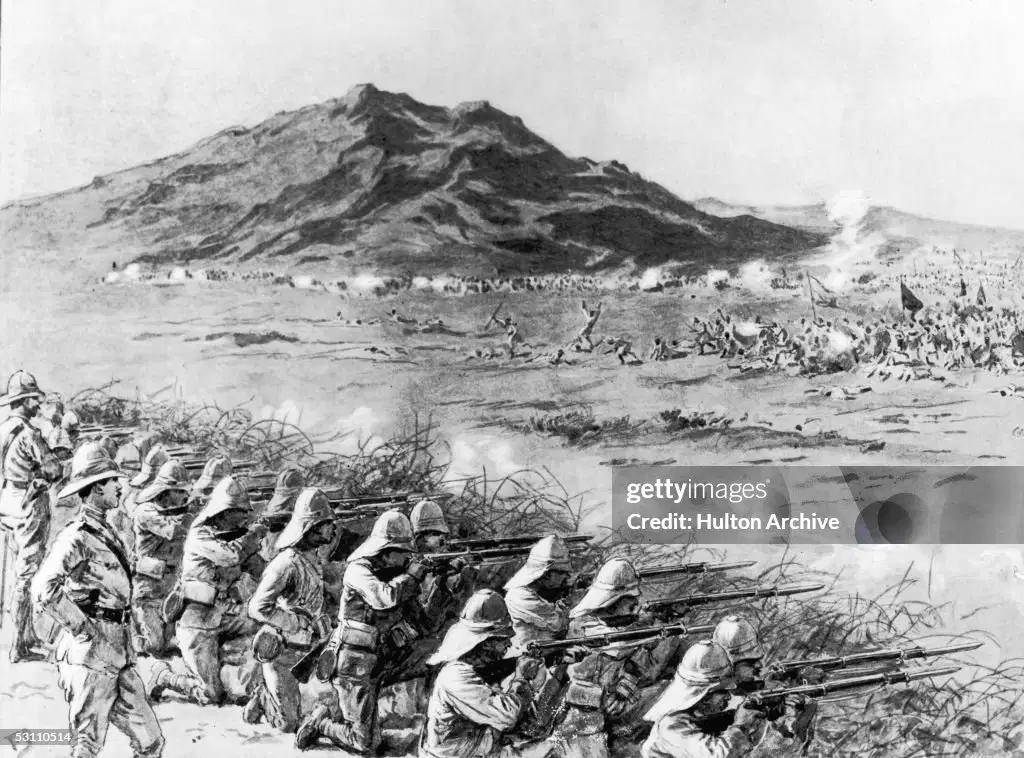
The British wanted to capture Omdurman to
extract diamonds from the land.
take control of the Nile Valley.
give military support to the French.
gain access to the land's gold mines.

The policy in which a state takes political and economic control of areas beyond its borders is called
capitalism.
imperialism.
infrastructure.
partition.
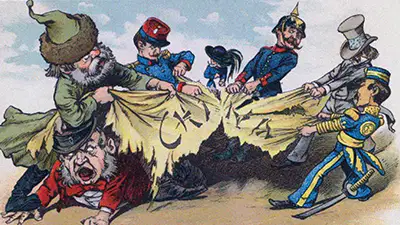
Which statement helps explain why industrialization encouraged imperialism?
A. Regions outside Europe sought to develop local industry to increase their wealth.
B. European powers sought markets in which to sell their natural resources.
C. Growing industries needed larger markets for their manufactured goods.
D. European powers needed land to build factories to meet increased consumer demand at home.
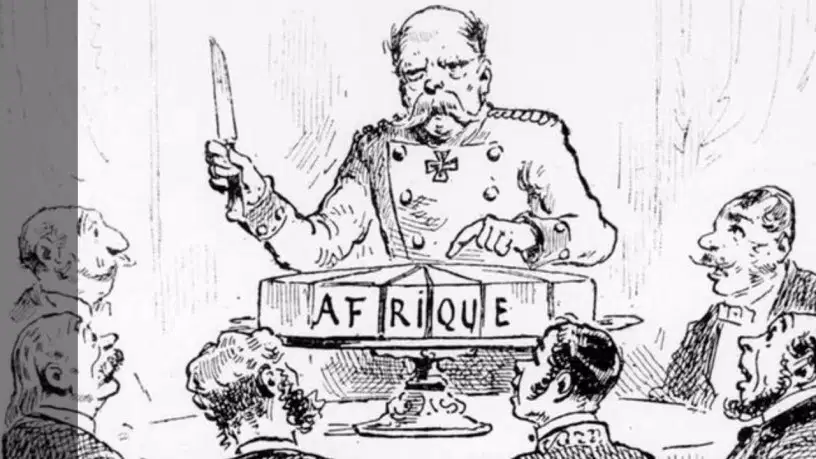
Which statement best describes the relationship between imperialist powers?
A. Countries respected territories of other nations.
B. Countries worked together to divide raw materials.
C. Countries competed with each other for land and resources.
D. Countries staked land far from colonies of other nations.

What prompted the British Parliament to take direct control over India from the British East India Company?
A. France sought to establish ports along the east coast.
B. Indian soldiers rebelled against the British.
C. Russia threatened its sphere of influence in South Asia.
D. British soldiers discovered vast deposits of diamonds and gold.
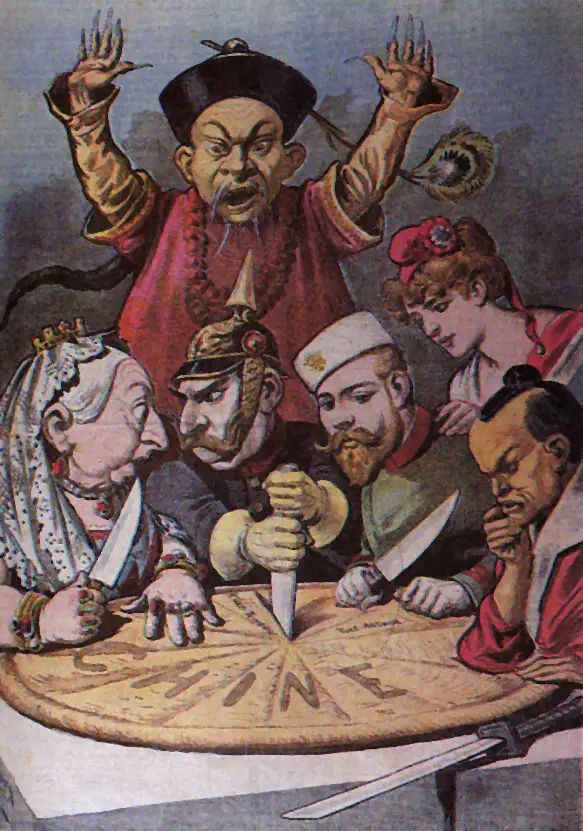
European powers competed intensely for China mostly because they wanted
to introduce Christianity to the country.
to establish military bases there.
to sell goods to the huge Chinese population.
to control to China's vast natural resources.

What was the outcome of the Russo-Japanese War?
A. Russia and Japan divided the territory of Manchuria.
B. Korea became an independent nation and an imperial power.
C. Japan gained control over Korea and hegemony over Manchuria.
D. Russia took over Japan's colonies and territories.

The U.S. victory in the Spanish-American War in 1898 led the United States to
extend the Monroe Doctrine through the Roosevelt Corollary.
become an imperial power with territory in the Pacific and Caribbean Sea.
seek to establish colonies in Africa and Southwest Asia.
try to prevent European powers from gaining influence in Latin America.
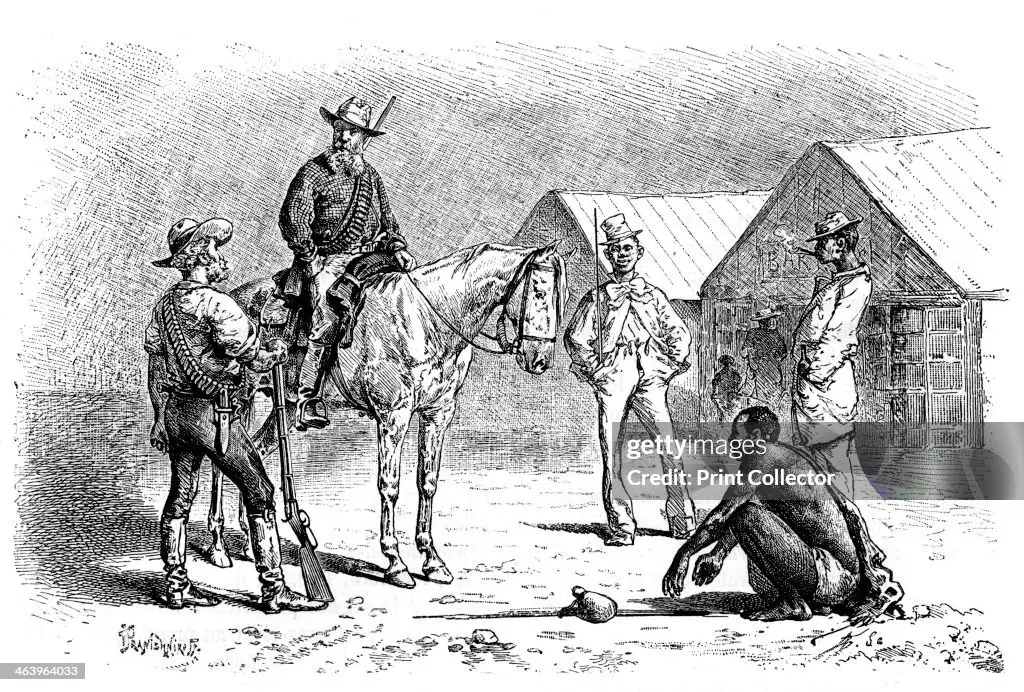
The early settlers of Cape Colony were known as
Afrikaners.
Huguenots.
Mahdists.
Sino-Africans.
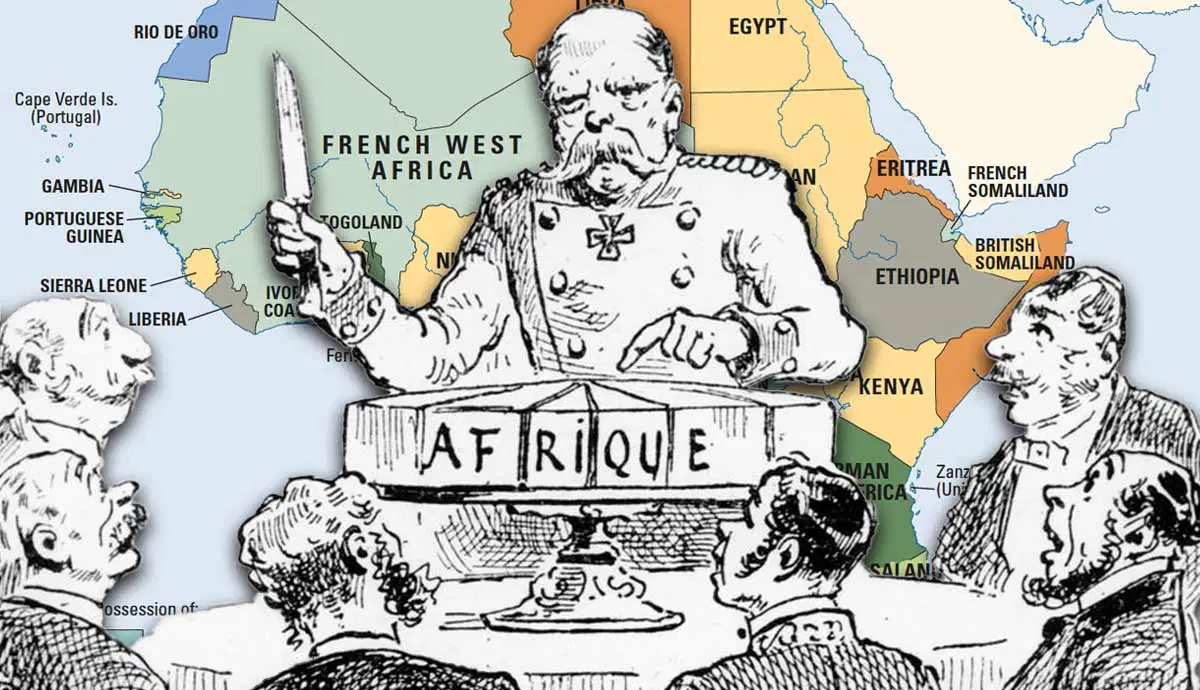
What did the Europeans powers do to partition Africa into colonies?
They established fixed borders regardless of changing tribal regions.
They worked with tribal leaders to create colonial borders.
They carved out spheres of influence over key ports and in the interior.
They invited tribal leaders to choose which power would best serve their people.

Informal imperialism is when a dominant country
occupies another country directly to control its natural resources.
rules a colony through a company or military presence.
influences a country politically but not economically.
exerts pressure on or influences a country without physical conquest.
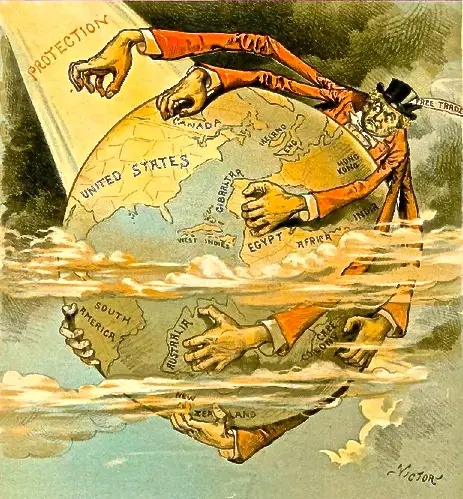
Britain was able to exercise control over Latin American countries in part by
providing loans for capital expansion.
integrating local soldiers into its military.
investing in industrial development.
making restrictive trade agreements.
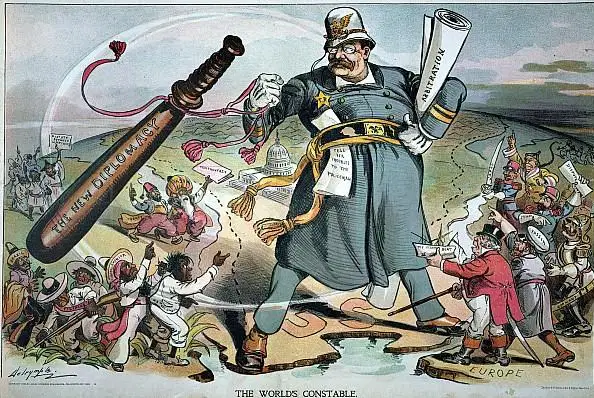
The Roosevelt Corollary implied that
the direct imperialism embraced by European powers was unacceptable in the Americas.
wealthy and powerful nations should work to create stability in Latin America.
the Monroe Doctrine had failed to limit European influence in the Americas.
the United States was powerful enough to police Latin American debtor nations.
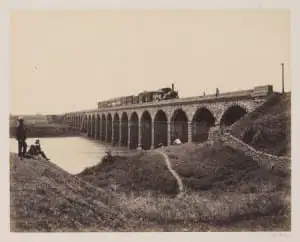
Why did colonizers build infrastructure in colonized nations?
to enable Westernization of entire colonies
to help colonies become more self-sufficient
to encourage industrialization
to support expansion of a colonial exports.
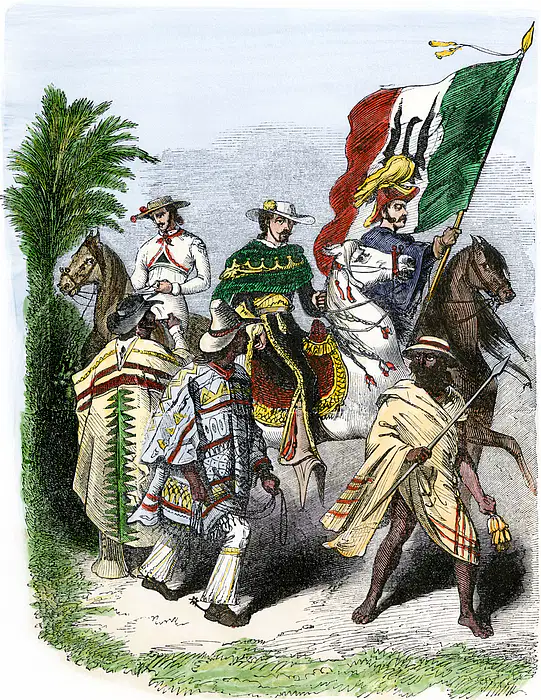
Why did many Latin American countries fail to industrialize in the 19th century?
They lacked the necessary natural resources and raw materials.
They depended on industrialized nations to buy their cash crops and raw materials.
They lacked sufficient financial resources to increase industrial development.
They accumulated too much debt to support local manufacturing.

Which statement is true of imperialism?
Western powers imposed their legal systems, taxes, and political administration.
Western powers united colonial populations, who then rejected tribal affiliations.
Western powers depended on diplomacy to work with colonial populations.
Western powers avoided using violence to secure and hold territory.

The American car maker Henry Ford was the first large-scale manufacturer to use
interchangeable parts.
unskilled workers throughout the production process.
the assembly line method of production.
the corporate business structure.
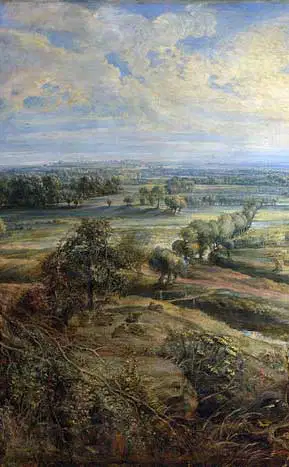
During the enclosure movement in England, landowners
expanded the private property rights of their tenants.
funded the manufacturing ventures of men who lived on their land.
sold their land to small farmers who had previously rented it.
took back the rights to their lands from small farmers.

What prompted Japan to begin industrializing in the late 1800s?
Japan feared they were falling behind their neighbor China.
Japan's ties with Britain gave them an advantage in textile manufacturing.
The new Meiji government pursued a course of modernization.
The shogun saw an opportunity to sell manufactured good throughout Asia.

What are sweatshops?
small businesses
import companies
large factories with good work benefits
small factories with low wages and unhealthy conditions
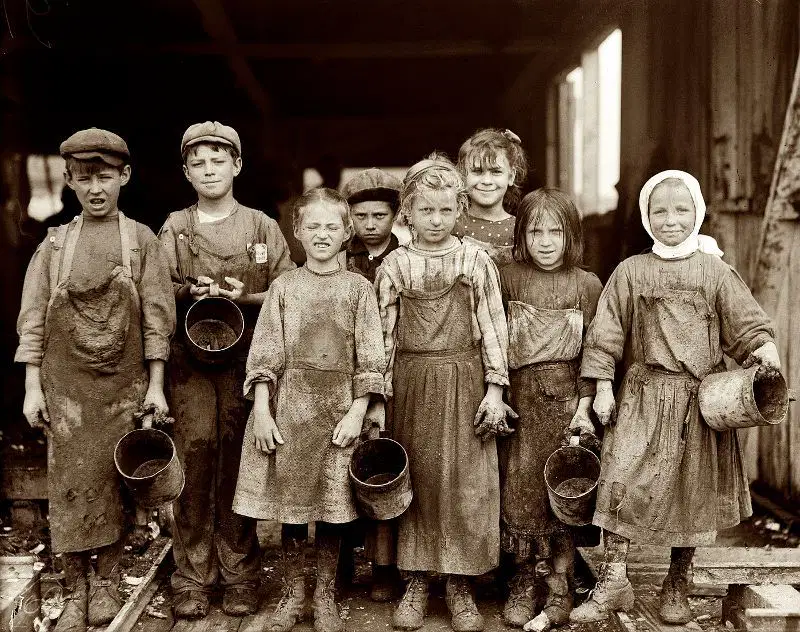
Though child-labor laws existed, they had little impact because
they were often ignored and poorly enforced
they were not passed by the government
child laborers were not paid employees
child laborers would go on strike

What are the three main goals of labor unions?
higher wages
shorter hours
better working conditions
all of the above
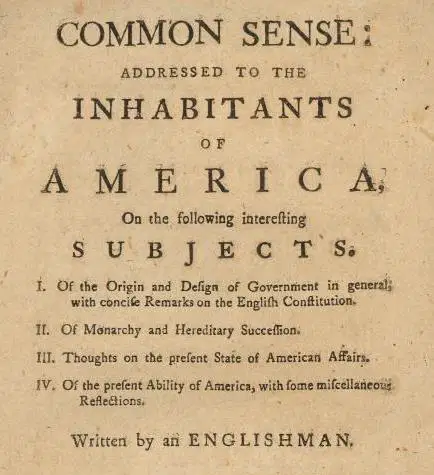
What was the historical significance of Thomas Paine's Common Sense?
It persuaded many colonists to support independence.
It made the British angry enough to send troops to the colonies.
It introduced colonists to Enlightenment ideas in simple language.
It presented the case for compromise between the colonies and Britain.
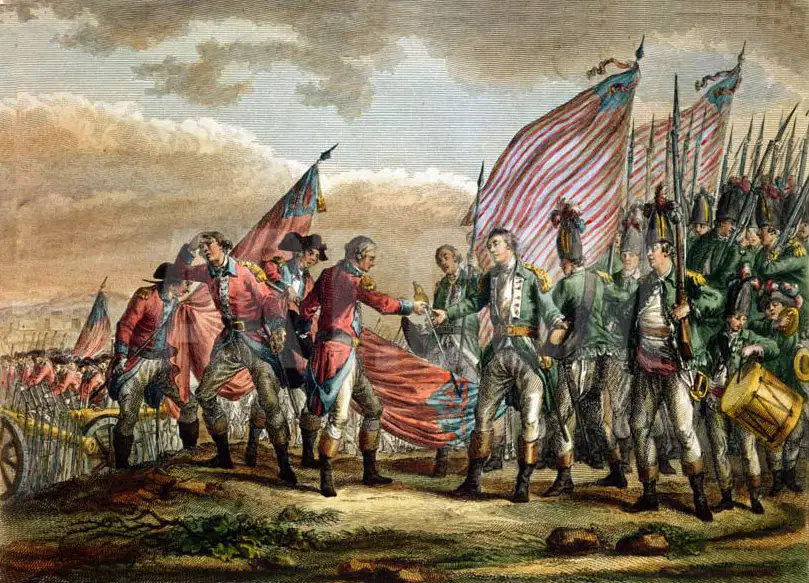
Why was the Battle of Saratoga particularly significant in the American Revolution?
It highlighted the need for merchant ships in the war.
It resulted in huge loss of life on both sides.
It persuaded the French to provide active help.
It forced the British to enter peace discussions.

American leaders called for the replacement of the Articles of Confederation because it
created too strong an executive.
lacked a Bill of Rights.
gave too little authority to the states.
made the central government too weak.

What was James Watt's contribution to industrialization in England?
He invented a more efficient steam engine.
He invented the internal combustion engine.
He invented a less expensive way to manufacture steel.
He invented the method of using interchangeable parts.

One reason why Great Britain became the first nation to industrialize was that it had
a government that supported property rights.
a high population density.
an empire that could supply it with coal.
a strong belief in the free market.
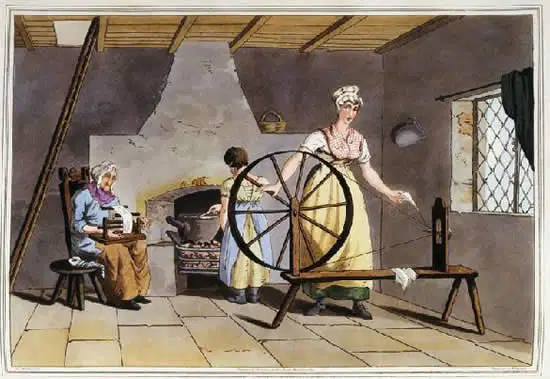
The textile industry was the first industry to be transformed by mechanization because
a larger percentage of people worked in the textile industry than in any other.
cloth-making was very laborious and time-consuming.
globalization created a large surplus of raw cotton.
textiles were the most profitable manufactured commodities.

When France industrialized, why did its factories rely more on waterpower than steam power?
France decided that steam engines were too harmful to the environment.
France lacked significant coal reserves.
France saw its rivers as its greatest natural resource.
France lacked the technology to build steam engines.
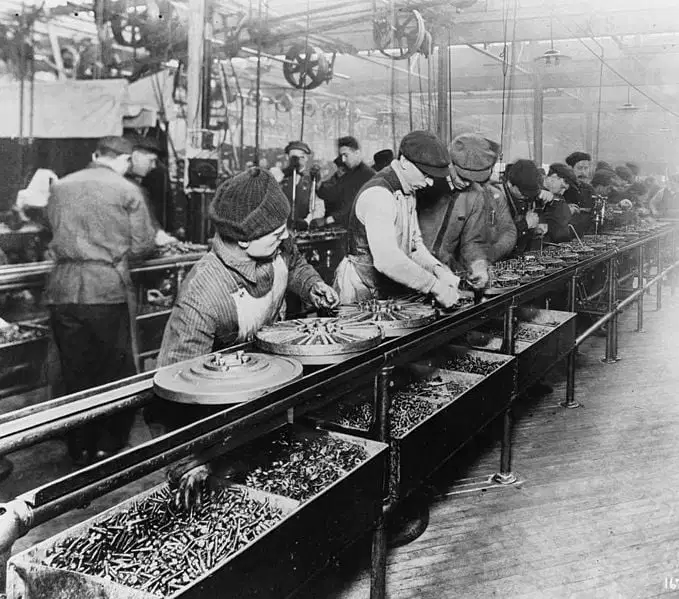
The invention of machine tools that could create part after part of the same size and shape allowed for the use of
highly skilled employees.
interchangeable parts.
interlocking joints.
more efficient power looms.

The ideals of the Enlightenment were rooted in
A. ancient Greek ideas about government.
B. Judeo-Christian concept of a social contract.
C. ancient Roman religious beliefs.
D. Judeo-Christian attitudes toward government.
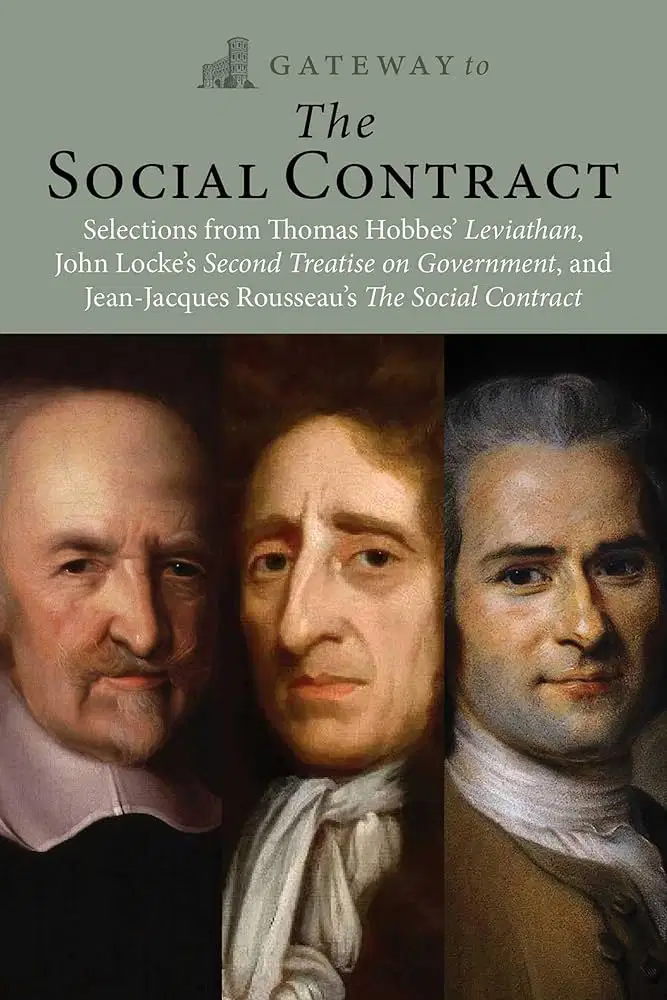
Thomas Hobbes, John Locke, and Jean-Jacques Rousseau developed the idea of a _____ between people and their rulers.
natural law
social contract
divine right
revolution
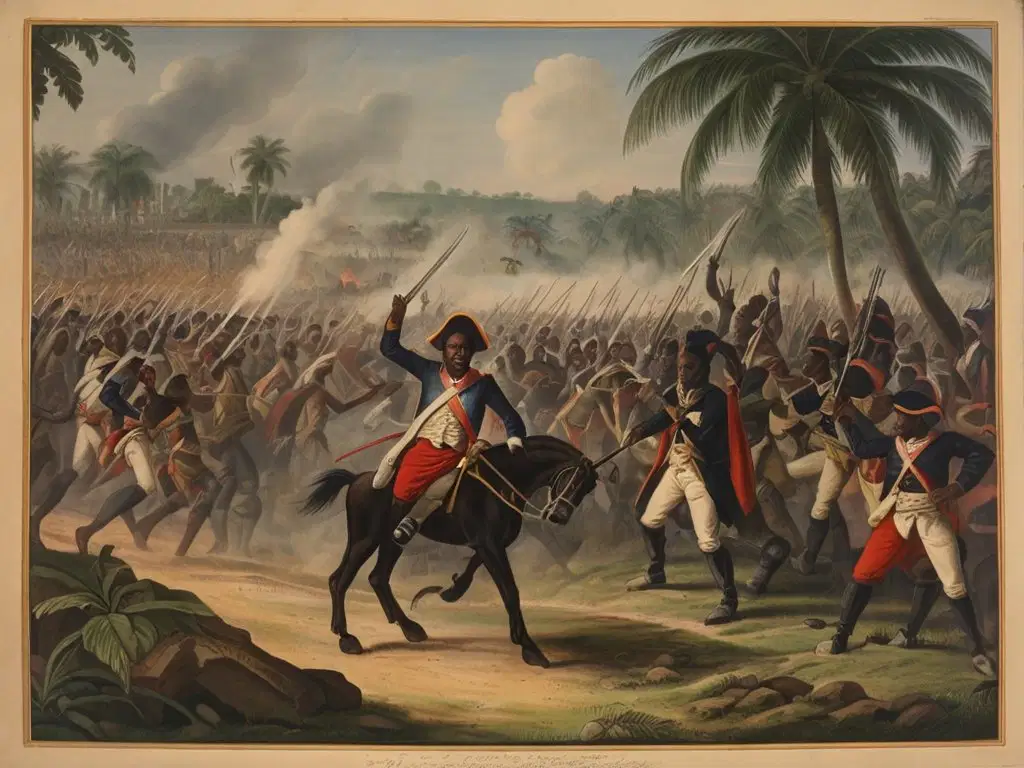
A revolution led to the founding of _____, the first black republic in modern history.
Haiti
Brazil
Argentina
Puerto Rico
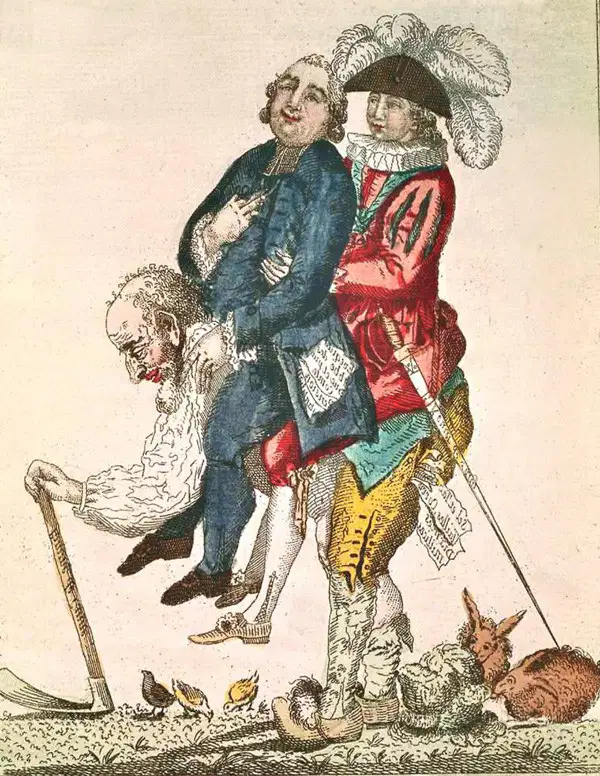
In France before the French Revolution, the Third Estate or commoner class, included
nobles.
clergy members.
merchants.
only women and children.
In the late 18th century, the French government faced financial troubles partly as a result of
its unwillingness to increase taxes on the poor.
the cost of helping with the American Revolution.
the expense of calling a meeting of the Estates-General.
a decrease in the value of wealthy landowners' investments.

In declaring themselves to be a National Assembly, members of the Estates-General
rejected calls for creating a written constitution.
promoted a spirit of unity among different regions.
showed their willingness to negotiate with the king.
claimed that they had the authority to govern France.
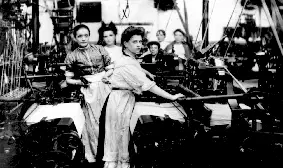
Why were women and children desirable employees?
they could perform skilled labor
they could be paid less than men
they would only work short hours
they did not require housing
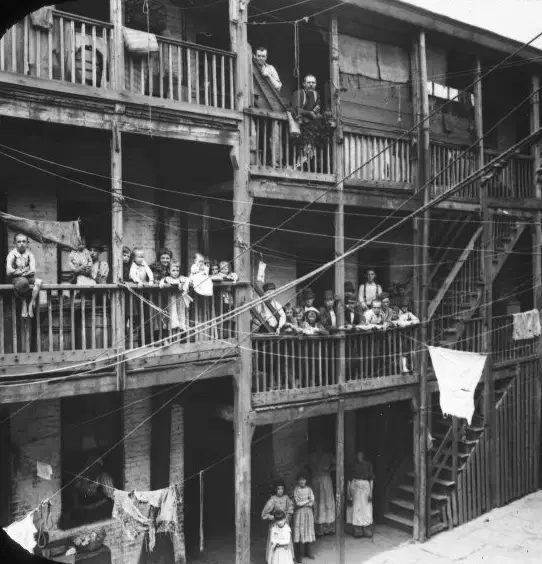
What are tenements?
new high rise apartments
offices built for factory owners
dirty, overcrowded apartment buildings
suburban homes

Which of the following reasons can be attributed to the spread of disease in tenements?
lack of fresh air and light
overcrowding
lack of sanitation
all of the above

What is a strike?
a movement when workers stop working until their demands are met
the rejection of wages
when an employer fires large numbers of employees
when a factory violates environmental restrictions

The concept of laissez-faire argues that
freedom of the seas should exists
the government should not interfere with the economy.
the economy is dictated by Great Britain
the government has a right to interfere with the economy.
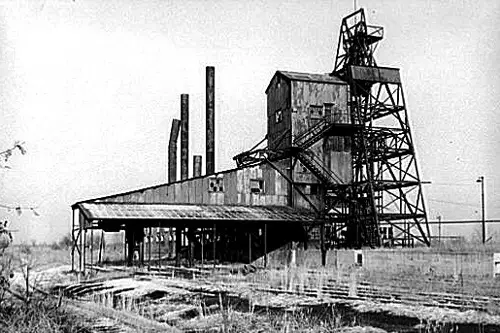
Why did the Industrial Revolution create a greater need for natural resources?
factories could produce large quantities of product
factories were producing larger items
factories were constantly under construction
all of the above

