
 Worksheets
Assessment 3: Road to Revolution Review
Total questions: 22
Worksheet time: 11mins
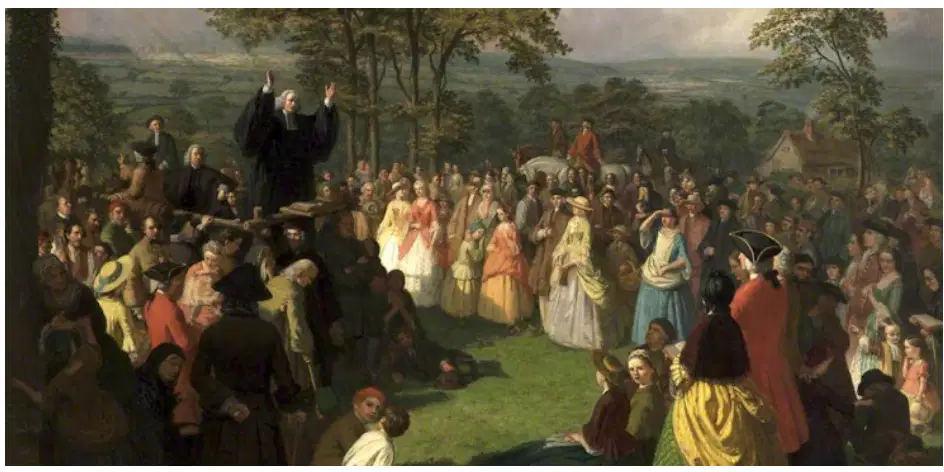
The Great Awakening...
Made colonists begin to question the practices of slavery
Made colonists more angry about taxes
Was a major social movement with speeches so large, they had to gather in fields
All of the above
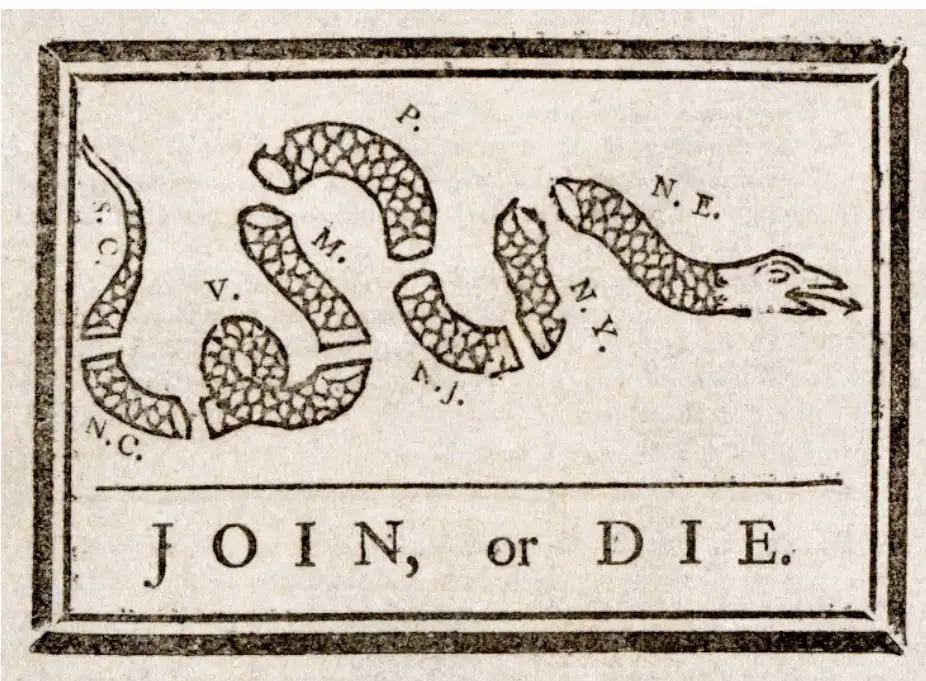
What was the purpose of the Join or Die (1754) poster?
To call the British "snakes"
To rally the colonists against the British for taxes
To teach colonists to read
To convince colonists to join the British against the French
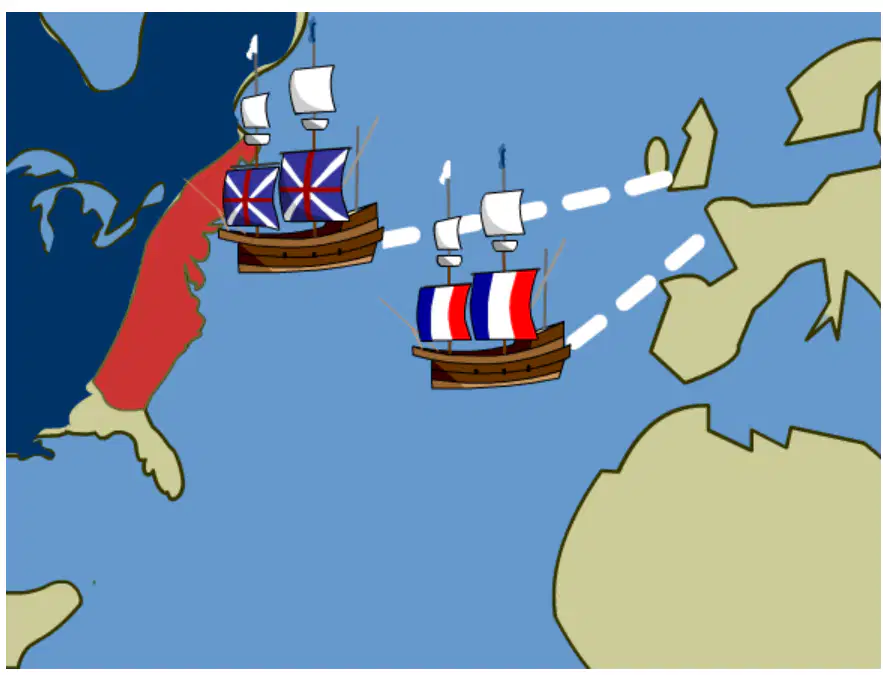
Why were the British able to win the French & Indian War? (Choose 3)
They were allies with the Colonists
They convinced the French-allied Natives to stop helping
They successfully captured French forts
The British used their home field advantage in the Ohio River Valley
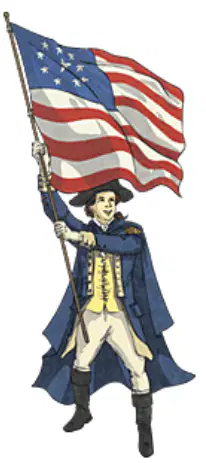
How did the Treaty of Paris (1763) help cause the American Revolution? (Choose 2)
It increased taxes on the colonists
It forced colonists to serve in the British army/navy
It was decided without them where they could not live (Proclamation Line 1763)
It forced them to move onto Indian reservations
Which "Act" is this?
"A tax that required colonists to purchase proof of tax on any printed goods."
Stamp Act
Sugar Act
Tea Act
Townshend Act
Fill in the blank: The ________ was a law passed by the British Parliament in 1765 that required American colonists to pay a tax on every piece of printed paper they used, including newspapers, legal documents, and licenses. What is the name of this act?
Stamp Act
Tea Act
Sugar Act
Townshend Act
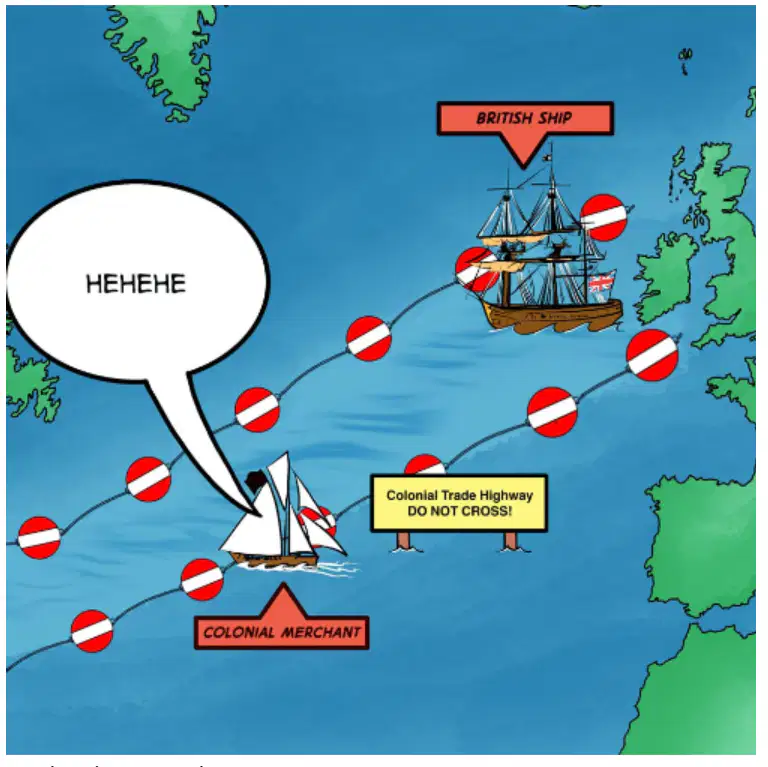
Which "Act" is this?
"Colonists were required to trade goods only on British ships. Colonists could only buy British goods, or pay a tax to import them through British ports."
Navigation Acts
Proclamation of 1763
Sugar Act
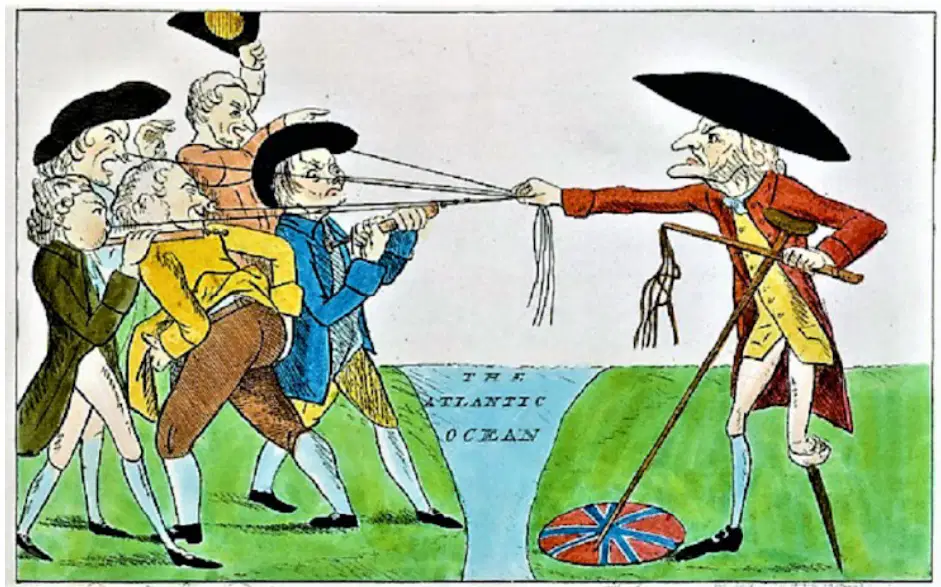
Which "Act" is this?
"Reduced the price of sweeteners used as the main ingredient to make rum."
Navigation Acts
Proclamation of 1763
Sugar Act
Stamp Act
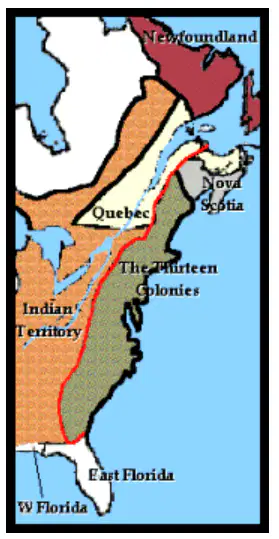
Which "Act" is this?
"A line drawn by British royalty that prohibited colonists from moving west, declaring some British land for Native people."
Navigation Acts
Proclamation of 1763
Sugar Act
Stamp Act
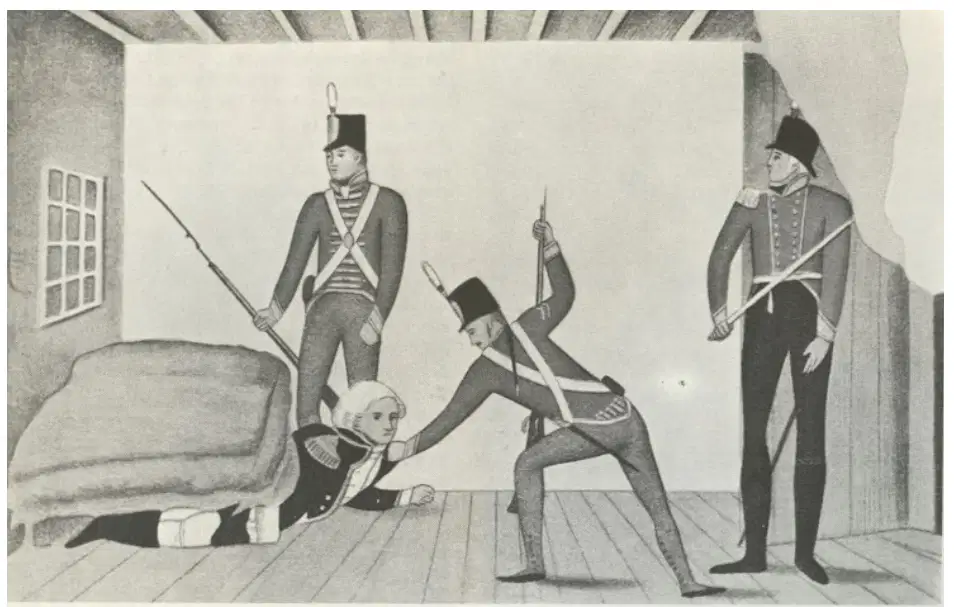
Which "Act" is this?
"A search warrant that legally granted any home, property or person to be searched at any time (for smuggled goods)"
Tea Act
Quartering Act
Writs of Assistance
Tobacco Act
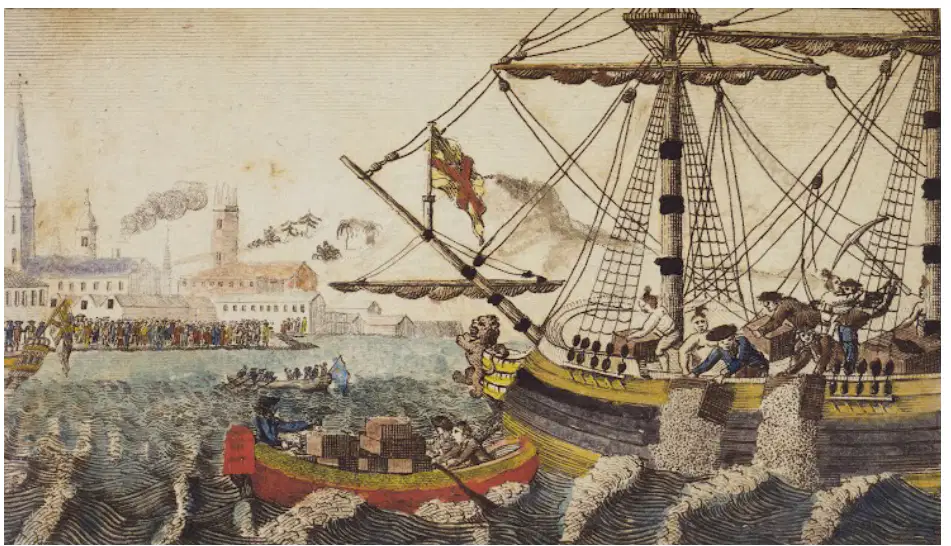
Which "Act" is this?
"Repealed the Townshend Acts with an exception on this product; creating a monopoly who could decide whatever price they wanted to charge."
Tea Act
Quartering Act
Writs of Assistance
Tobacco Act
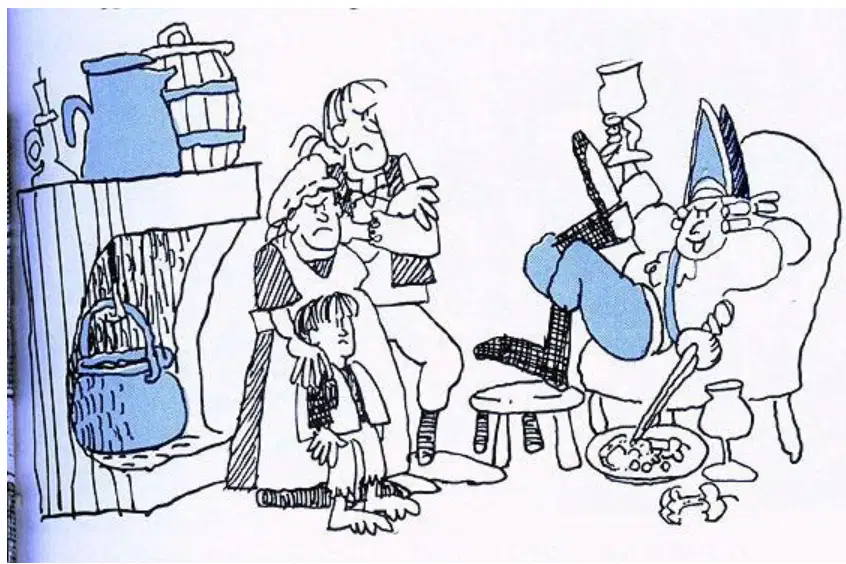
Which "Act" is this? "Required colonists to open up their homes and serve any British troop. This was to save money and prevent any secret meetings for uprisings."
Tea Act
Quartering Act
Writs of Assistance
Tobacco Act
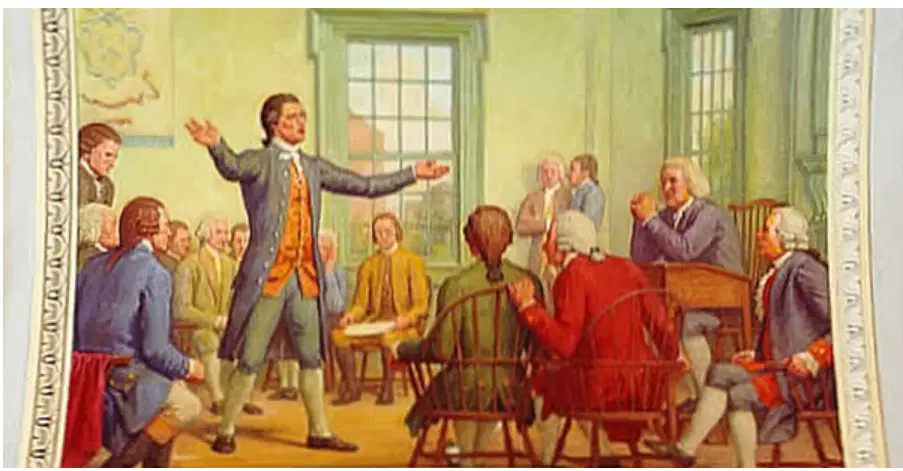
What were the 2 main outcomes of the First Continental Congress in 1774?
George Washington was appointed as President
Colonists planned to boycott (not buy) British goods
Began coordinating secret militias
Signed the Declaration of Independence

What is true of the Boston Massacre? (Choose 3)
Redcoats were defended by John Adams in court; fair trial
Redcoats fired into a crowd of colonists, killing some
Redcoats were not provoked, and this was a true massacre
The redcoats were not guilty of murder charges
All redcoats were found guilty of murder
A ________ is someone who held their allegiance to Great Britain. A ________ is a person who wanted to become independent from Great Britain.
A) Colonist, Rebel
B) Patriot, Loyalist
C) Loyalist, Patriot
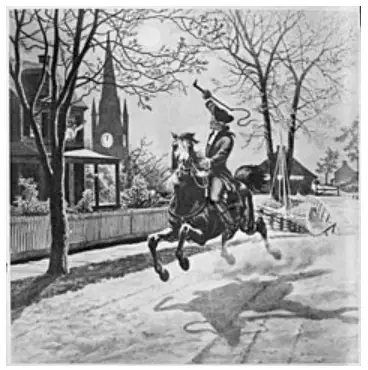
The 'Midnight Riders' were heroes because they allowed the colonies to STOP the redcoats from destroying their ammunition stash.
True
False
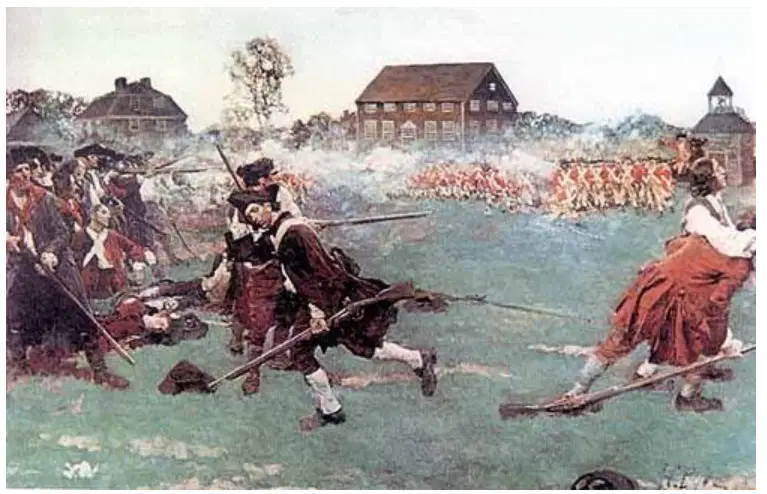
Which description best describes the "shot heard 'round the world?"
It was the first shot in the American Revolution
It was shot by a British redcoat, symbolizing the end of the Britain-Colonist relationship
It was shot by a bold minute-man, symbolizing the end of the Britain-Colonist relationship
It immediately made television everywhere #viral
The French and Indian War caused the American Revolution by:
increasing British debt, leading to new taxes on the colonies
strengthening colonial loyalty to Britain
reducing tensions between Britain and the colonies
granting the colonies more independence
The rallying cry “no taxation without representation” was used by American colonists to protest what issue?
British taxes imposed without colonial representation in Parliament
Unfair trade agreements with France
Lack of religious freedom in the colonies
Restrictions on westward expansion
What role did the Sons of Liberty play in the “Road to Revolution”?
They organized protests, spread revolutionary ideas, and resisted British policies.
They supported British rule and discouraged colonial opposition.
They negotiated peace treaties between the colonies and Britain.
They focused solely on economic reforms without political involvement.
The first shot at Lexington is called the “Shot heard ‘round the world” because it marked the beginning of the American Revolutionary War, which had global significance and inspired other movements for independence.
It marked the beginning of the American Revolutionary War and had global significance.
It was the loudest gunshot ever recorded in history.
It ended the conflict between Britain and France.
It was the first use of gunpowder in battle.
What was the rallying cry “no taxation without representation”?

