
 Worksheets
Level 2 powerpoint1 sanitation and drainage
Total questions: 50
Worksheet time: 25mins
What is the main purpose of a rainwater system in buildings?
To remove rainwater from the property to a safe place
To provide drinking water for residents
To cool the building during hot weather
To generate electricity from rainwater
Which of the following is commonly used to collect rainwater that falls onto a building?
Facia-board mounted gutter
Underground tank
Rooftop solar panel
Window sill
Rainwater collected by gutters typically flows to which component before being discharged away?
Downpipe
Water heater
Air vent
Electrical conduit
Explain the difference between a drainage system and a soakaway in the context of rainwater systems.
A drainage system directs rainwater to sewers, while a soakaway allows water to soak into the ground
Both systems store rainwater for later use
A soakaway is used only in commercial buildings, while drainage systems are for residential use
A drainage system is always combined, while a soakaway is always separate
Which of the following is NOT a reason why the collection of rainwater from a property must be properly managed?
To create a nuisance for the occupier
To prevent damage to the property
To prevent damage to adjacent property
To ensure safety and proper drainage
What is the main principle behind gravity rainwater systems in buildings?
Using pumps to move water away
Allowing rainwater to run off the roof into gutters and downpipes using gravity
Storing rainwater on the roof
Letting rainwater penetrate the property
Explain how gravity assists in the functioning of rainwater systems in buildings.
Gravity helps water evaporate from the roof
Gravity channels rainwater from the roof into gutters and downpipes, moving it safely away from the property
Gravity causes water to stay on the roof
Gravity increases water penetration into the property
A property owner notices water pooling near the foundation after rain. Using your understanding of gravity rainwater systems, what could be a possible cause and solution?
The gutters are channeling water away properly; no action needed
The downpipe may be blocked, preventing water from being safely directed away; clearing the blockage could solve the issue
The roof is absorbing all the rainwater; replace the roof
The rainwater system is designed to create pooling; install more pools
What is the main purpose of a combined sewer?
Used with a separate system of drainage
Used with a combined system of drainage
Used in rural areas for direct discharge into rivers
Used for rainwater harvesting
What is the function of a soakaway drain?
To combine sewage and rainwater
To discharge water into rivers
To allow water to naturally soak away within the property boundary
To treat and reuse water within the property
How does rainwater harvesting differ from other drainage systems?
It discharges water into rivers
It combines sewage and rainwater
It treats water at a basic level and reuses it within the property
It allows water to soak away naturally
What is the main purpose of having separate drainage systems for foul water and rainwater?
To mix all water types together
To prevent contamination and manage water efficiently
To increase water usage
To reduce the number of pipes needed
Explain why it is important for foul water and rainwater to be directed to different locations in a separate drainage system.
It helps to save money on water bills
It prevents pollution of natural water courses and ensures proper treatment of sewage
It makes plumbing easier to install
It allows rainwater to be used for drinking
Why is the combined system no longer a viable option for new installations?
It is too expensive
It does not make connections to drains simple
It is outdated and not suitable for modern requirements
It uses separate sewers for foul and rainwater
What is one advantage of the combined system mentioned in the material?
It separates foul and rainwater
It makes connections to the drains much simpler
It requires more inspection chambers
It is the only system used in new installations
Strategically, what could be a potential environmental concern with using a combined system for both foul and rainwater drainage?
Increased cost of installation
Risk of sewage overflow during heavy rainfall
Difficulty in connecting to drains
Need for more inspection chambers
What is the main benefit of rainwater harvesting for householders?
It increases the amount of mains water used.
It saves large volumes of mains water and reduces pressure on the resource.
It makes water more expensive.
It pollutes the water supply.
What is the average size of a rainwater harvesting cistern mentioned in the material?
500 litres
1,000 litres
5,000 litres
10,000 litres
Explain how rainwater harvesting can contribute to environmental sustainability in a household.
By increasing water consumption
By saving mains water and reducing resource pressure
By using only mains water
By ignoring water conservation
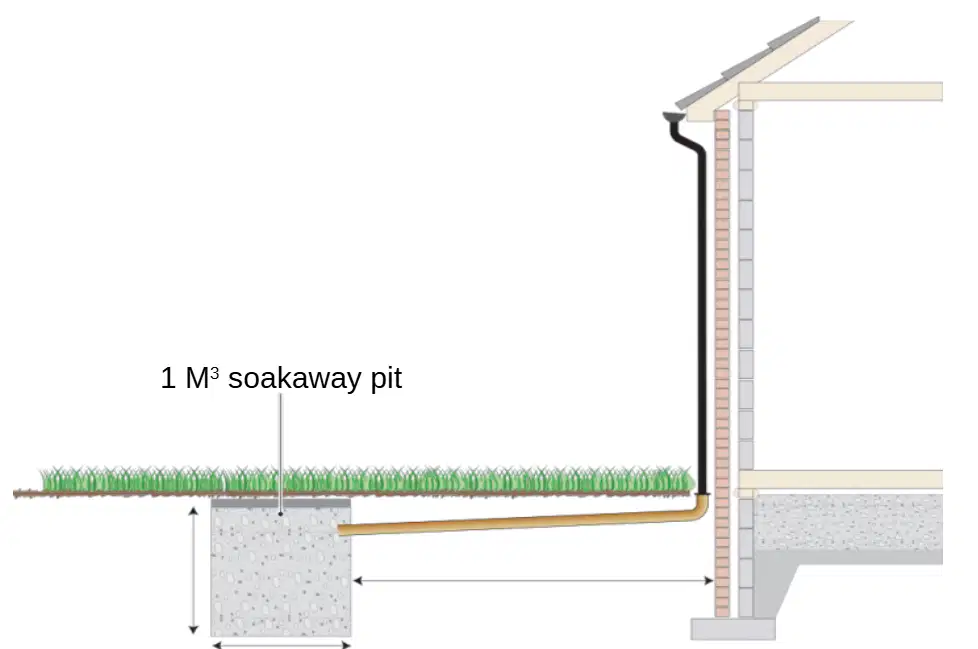
What is the volume of the soakaway pit shown in the diagram?
1 cubic meter
2 cubic meters
0.5 cubic meters
5 cubic meters
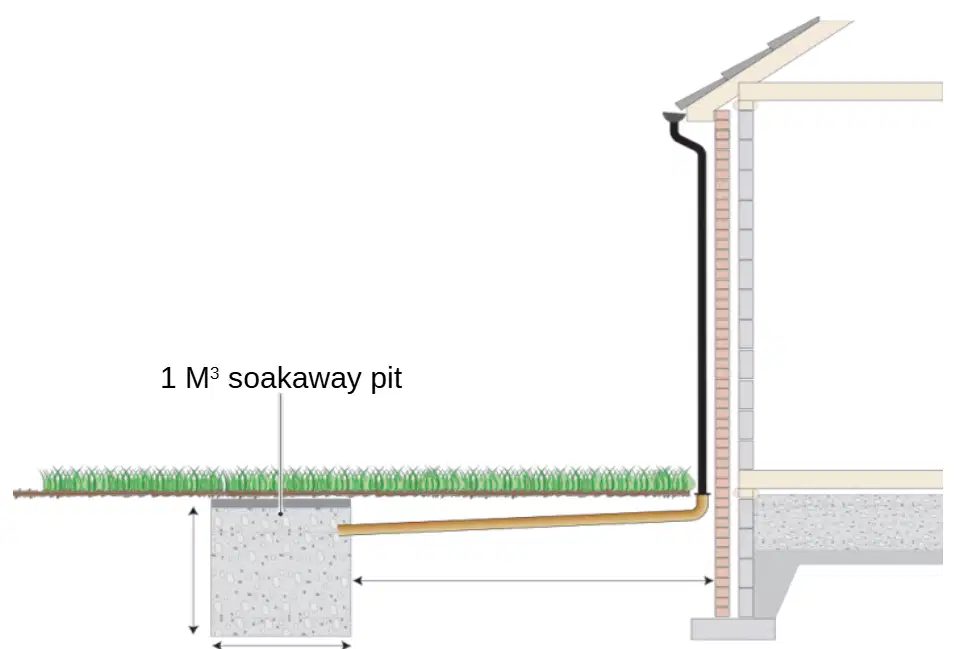
Which plumbing component is illustrated in the diagram?
Soakaway drain
Septic tank
Water heater
Radiator
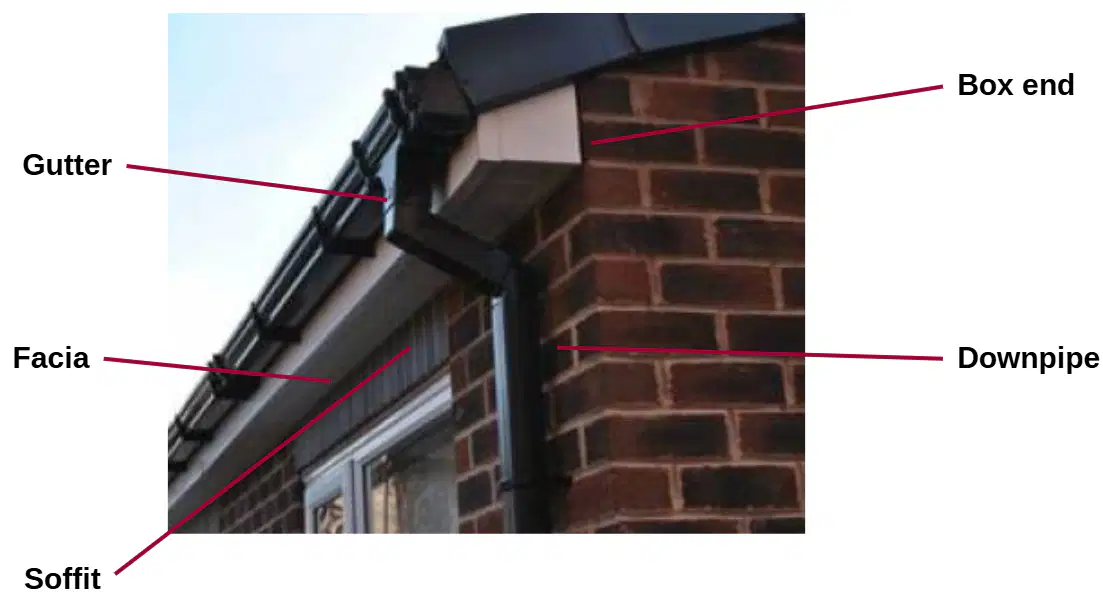
Which component of a rainwater system is responsible for collecting water from the roof and directing it towards the downpipe?
Gutter
Soffit
Facia
Box end
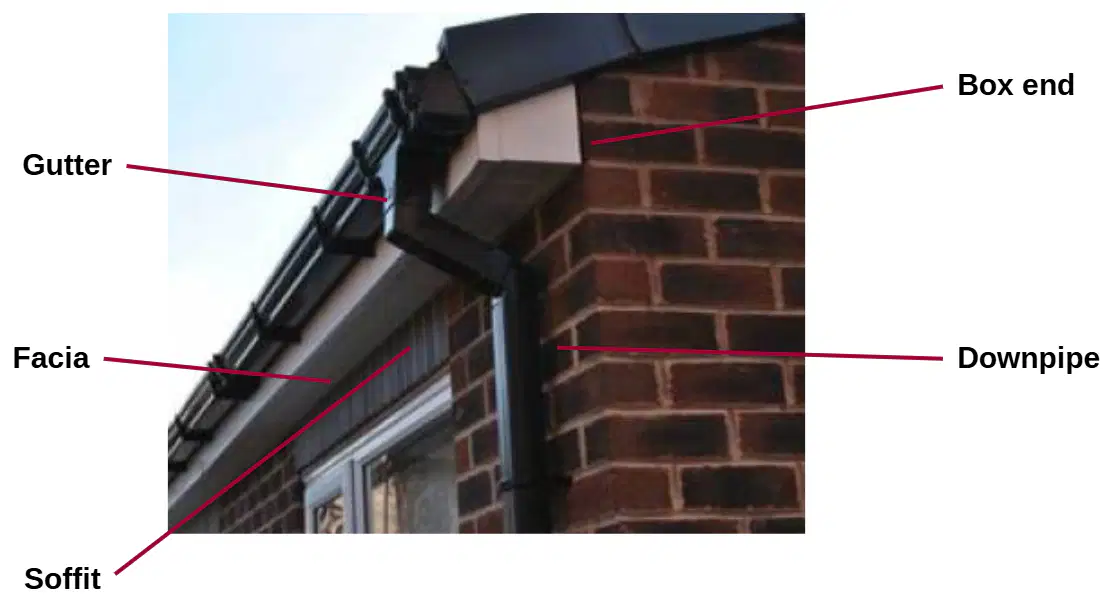
What is the main function of the downpipe in a rainwater system?
To support the roof structure
To collect water from the gutter and direct it to the ground or drainage
To provide insulation to the house
To cover the underside of the roof
Which of the following is a material commonly used for rainwater goods?
Cast iron
Wood
Glass
Concrete
Which of these materials is NOT listed as used for rainwater goods?
PVCu
Copper
Cast aluminium
Steel
Which material is most commonly used for standard domestic guttering and downpipes?
PVCu
Copper
Steel
Aluminum
Which of the following is NOT an advantage of PVCu?
Heavy weight
Easy to install
Corrosion free
Minimal maintenance
Why does PVCu guttering become brittle in cold weather?
It contracts
It expands
It melts
It rusts
Explain why PVCu guttering may require minimal maintenance compared to other materials.
Because it is corrosion free and has a smooth finish
Because it is heavy and strong
Because it absorbs water
Because it is painted regularly
Which statement best describes a disadvantage of using extruded aluminium in plumbing?
It is strong and durable
Installation is time consuming
It does not rust
It is lighter than cast iron
Which of the following is an advantage of using cast iron as a material in plumbing?
It is lightweight
It is strong and durable
It is easy to install
It requires no maintenance
Which of the following is NOT a disadvantage of cast iron?
Installation is expensive
Requires regular maintenance
Strong and durable
Jointing is more difficult
Given the disadvantages listed, what might be a reason for choosing cast iron over plastic in certain buildings?
Cast iron is easier to install than plastic
Cast iron is specified for conservation areas due to its durability and historical value
Cast iron is less expensive than plastic
Cast iron requires less maintenance than plastic
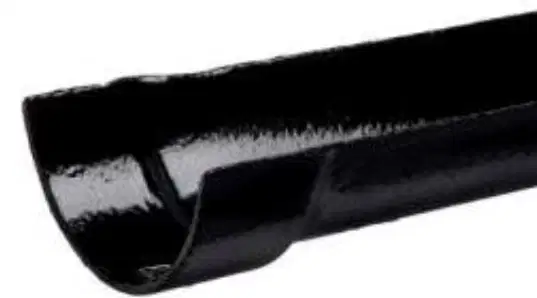
Which type of bolts are used to join the layers of cast iron guttering?
Zinc-plated gutter bolts
Copper bolts
Brass bolts
Stainless steel bolts
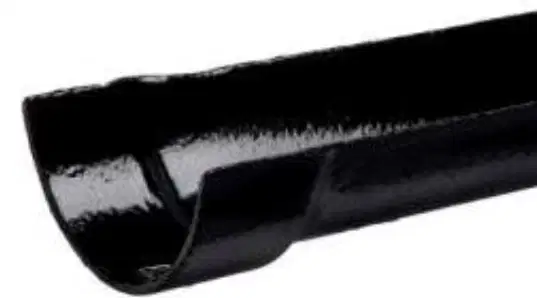
Why is jointing material used between the socket and plain end in cast iron guttering?
To ensure a watertight seal and prevent leaks
To make the guttering look shiny
To increase the weight of the guttering
To make the guttering easier to paint
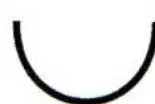
Which type of guttering system is considered the standard for domestic properties?
Half round
Deep flow
Square line
Ogee
Which guttering system is typically used in conjunction with a squared downpipe?
Half round
Deep flow
Square line
Ogee
If a property owner wants to give their house a period look, which guttering system should they choose?
Deep flow
Ogee
Square line
Half round
A house is located in an area with frequent heavy rainfall and has a steeply angled roof. Which guttering system would be most appropriate to install, and why?
Half round, because it is the standard for domestic properties.
Deep flow, because it has a higher capacity suitable for steep roofs and heavy rainfall.
Square line, because it is used with squared downpipes.
Ogee, because it gives a period look to the property.
Why might larger roofs require larger gutters in a rainwater system?
To accommodate more rainwater flow
To improve the building's appearance
To reduce the cost of installation
To increase the number of outlets
How do changes in the direction of gutter run affect the efficiency of water flow in a guttering system?
They reduce efficiency
They increase efficiency
They have no effect
They make the system cheaper
Why might cast iron be specified for guttering systems in certain buildings?
Due to customer preference and requirements by English Heritage and National Trust
Because it is the cheapest material available
Because it is lighter than other materials
Because it is easier to install
A property is located in an area with high rainfall intensity. What should be considered when selecting a guttering system for this property?
The system must cope with the expected flow of rainwater
The color of the gutters should match the roof
The number of windows in the property
The age of the property owner
Explain how the roof area of a building influences the choice of gutter size in a rainwater system.
Larger roofs require larger gutters to handle increased water flow
Smaller roofs require larger gutters for aesthetic reasons
Roof area does not affect gutter size
Larger roofs require smaller gutters to save costs
Which region of Britain tends to experience heavier rainfall?
The west coast
The east coast
The south coast
The north coast
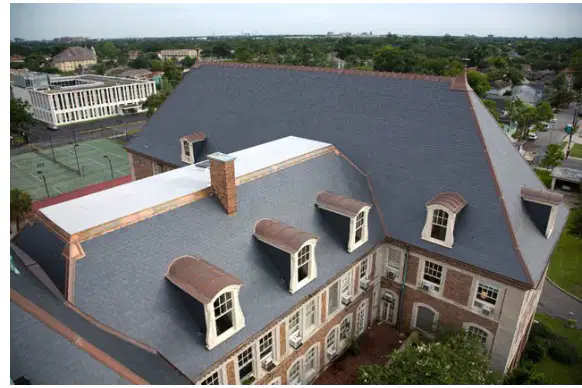
Which of the following is an important factor to consider with the roof area?
The color of the roof tiles
The actual size of the roof area
The number of windows in the roof
The type of gutter used
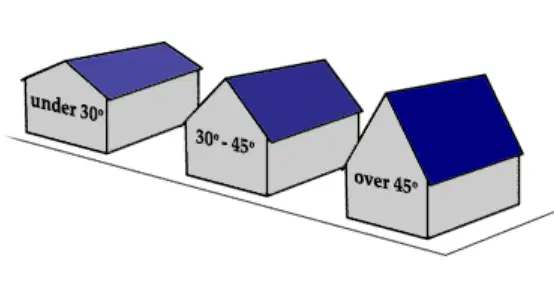
What is another key factor to consider when assessing a roof area besides its size?
The angle of the roof area
The number of chimneys
The age of the building
The material of the walls
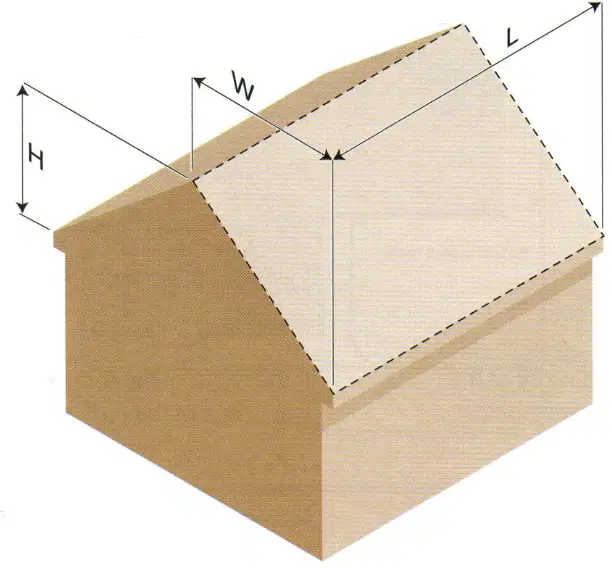
Which two factors mentioned in the material affect the amount of rainwater collected and the velocity at which water enters the guttering?
Roof area and slope
Roof area and rainfall intensity
Roof area and velocity of water
Roof area and gutter size
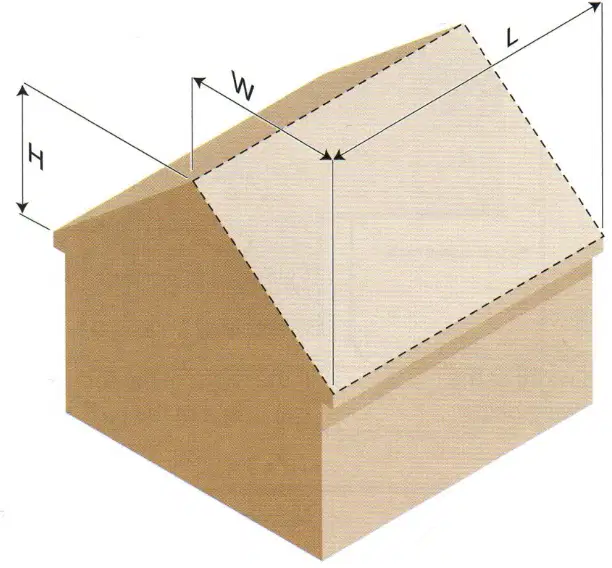
Why is the roof area important in determining the amount of rainwater collected?
It determines the color of the roof
It affects the amount of rainwater collected
It changes the shape of the house
It increases the temperature inside the house
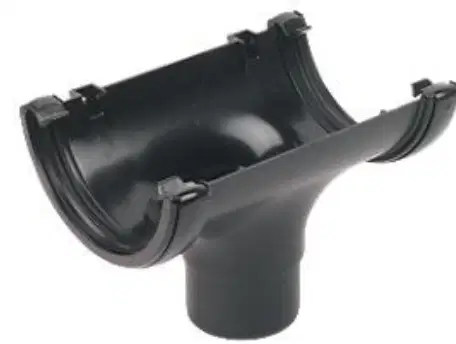
What is the primary function of a running outlet in a plumbing system?
To connect the gutter and the downpipe and cope with water flowing from two directions.
To store rainwater for later use.
To filter debris from rainwater.
To increase the water pressure in the system.

