
 Worksheets
TCA CLASS 01-04
Total questions: 35
Worksheet time: 39mins
What is the difference between theory,history and criticism of architecture?
(a)

Which pantheon is?
Parthenon, Doric Temple, Fidias, 432 BC
The Pantheon in Rome, 27 BCE
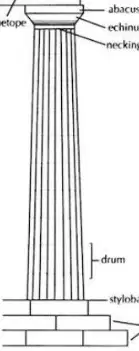
Choose the type of column
ionic
doric
corinthian
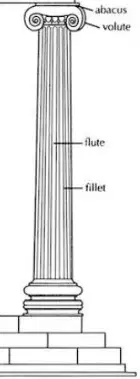
Choose the type of column
ionic
doric
corinthian

Choose the type of column
ionic
doric
corinthian

Which one?
Le modulor, 1948 Le Corbusier
Vitruvian Man 1492 Leonardo da Vinci

Which one?
Le modulor, 1948 Le Corbusier
Vitruvian Man 1492 Leonardo da Vinci
What is the definition of Renaissance humanism?
was a revival in the study of classical antiquity, at first in Italy and then spreading across Western Europe in the 14th, 15th, and 16th centuries.
style of architecture, reflecting the rebirth of Classical culture, that originated in Florence in the early 15th century and spread throughout Europe, replacing the medieval Gothic style.
whilst set up by a small elite who had access to books and education, was intended as a cultural mode to influence all of society. It was a program to revive the cultural legacy, literary legacy, and moral philosophy of classical antiquity
artistic style that predominated in Italy from the end of the High Renaissance in the 1520s to the beginnings of the Baroque style around 1590
Who is considered the first Renaissance architect
Donato d'Angelo Bramante
Andrea Palladio
Filippo Brunelleschi
Leon Battista Alberti’s
Leonardo Da Vinci
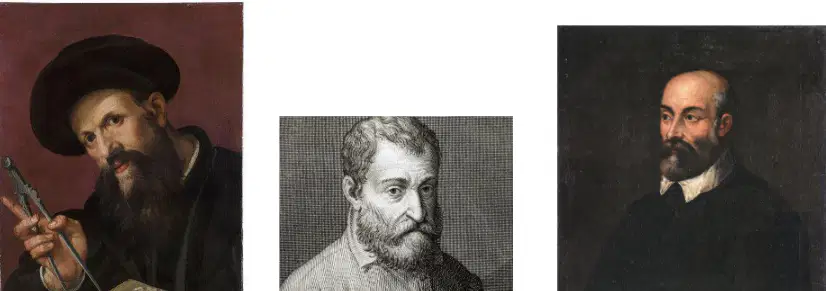
Architects in the Late Renaissance
Sebastiano Serlio,Giacomo da Vignola,Andrea Palladio
Filippo Brunelleschi,León Battista Alberti,Donato Bramante
Leonardo da vinci,Michelangelo,Andrea Palladio
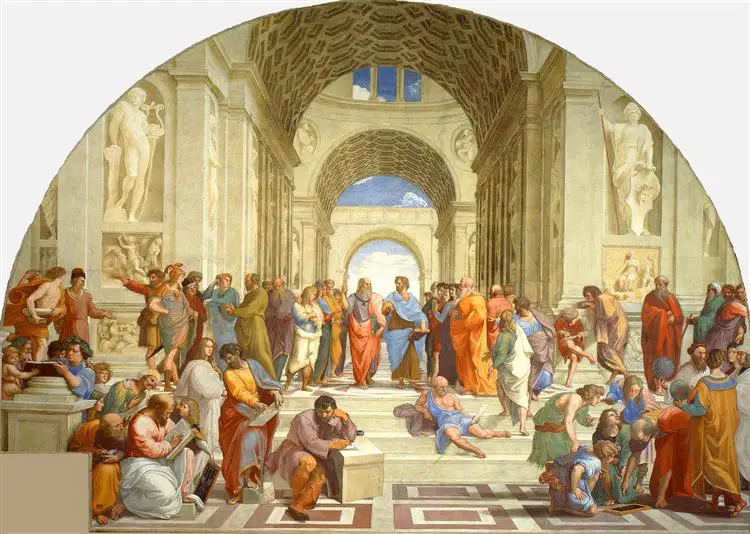
Who painted the School of Athens?
Sandro Boticelli
Michelangelo
Raphael Sanzio
Leonardo da Vinci

Santa Maria del Fiore Cathedral, 1418, Florencia
St. Peter's Basilica. Bramante. Rome. 1503-1506
Basilica Palladiana. Vincenza. Italy (1549-1614)
Saint Paul's Cathedral
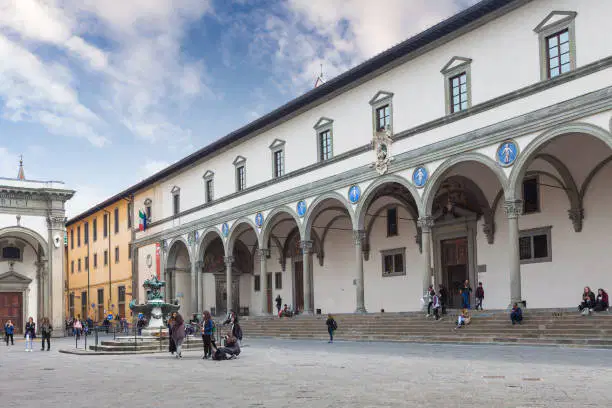
Hospital of the Innocents,1419
Rucellai Palace Florence. Italy 1446-51
The Royal Palace of Madrid for Felipe V. Filippo Juvarra. 1735

Santa Maria Novella Florence. Italy 1456
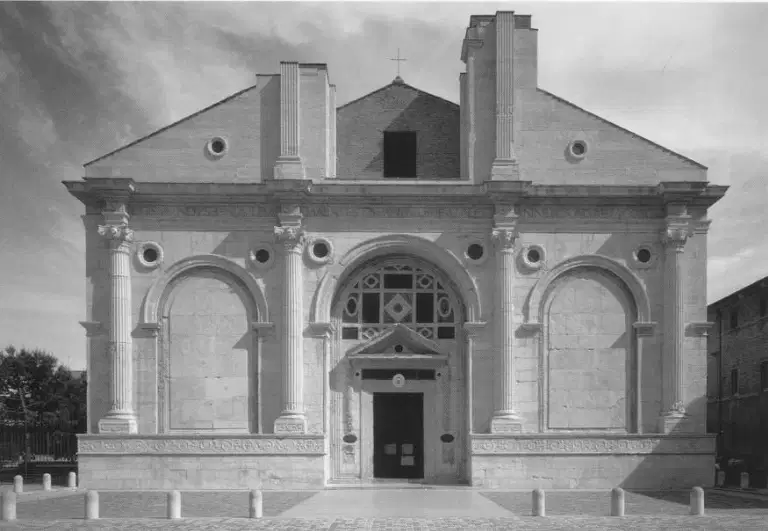
Templo Malatestiano (Malatesta Temple) Rimini. Italy 1450
Santa Maria del Fiore Cathedral, 1418, Florencia
Basilica of St Lawrence,1421
Iglesia del Gesú. Rome. 1568. Vignola. The facade by Giacomo della Porta

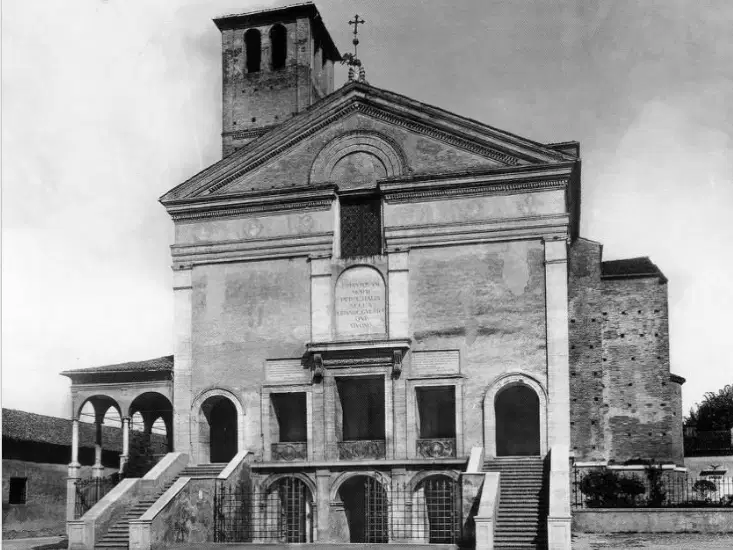
San Sebastiano Mantova. Italy 1460
Pazzi Chapel, 1429
Old Sacristy,1421-1428
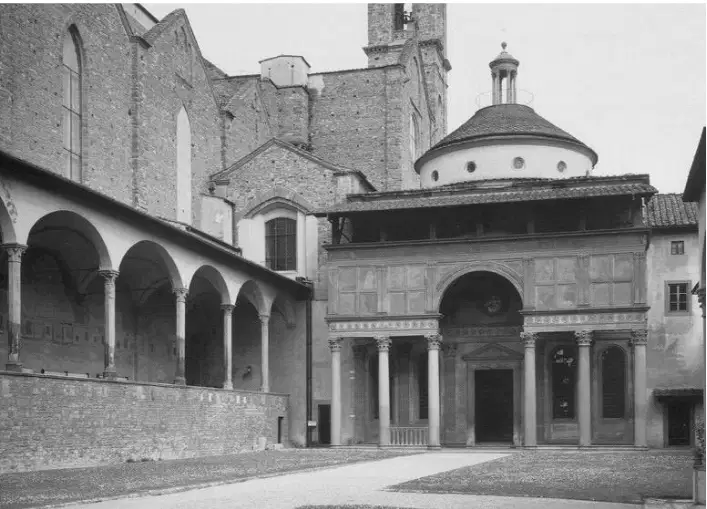
Old Sacristy,1421-1428
Pazzi Chapel, 1429
San Sebastiano Mantova. Italy 1460
Hospital of the Innocents,1419
Sant’Andrea (1460–1470) – Mantua

Hospital of the Innocents,1419
Villa Almerico Capra detta la Rotonda (1566-1585)
Palazzo Te. Giulio Romano 1525-32. Mantova. Italia
Rucellai Palace Florence. Italy 1446-51
Santa Maria Novella Florence. Italy 1456
Templo Malatestiano (Malatesta Temple) Rimini. Italy 1450
Basilica of St Lawrence,1421
Sant’Andrea (1460–1470) – Mantua

Santa Maria Novella Florence. Italy 1456
Templo Malatestiano (Malatesta Temple) Rimini. Italy 1450
Sant’Andrea (1460–1470) – Mantua
Basilica of St Lawrence,1421
Santa maria della Vittoria in Rome. By Carlo Maderno. 1608-1620
Basilica of St Lawrence,1421
Sant’Andrea (1460–1470) – Mantua
Santa Maria Novella Florence. Italy 1456
San Sebastiano Mantova. Italy 1460
Santa maria della Vittoria in Rome. By Carlo Maderno. 1608-1620
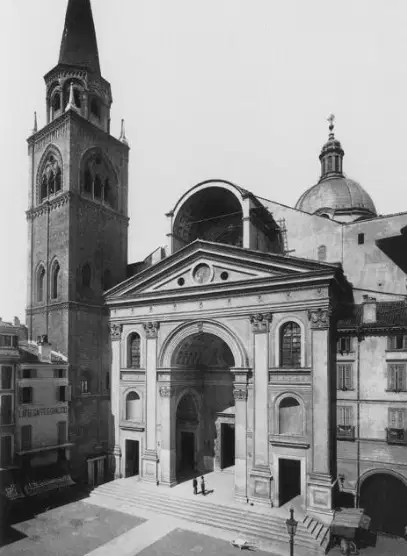
San Sebastiano Mantova. Italy 1460
Sant’Andrea (1460–1470) – Mantua
Santa Maria Novella Florence. Italy 1456
Basilica of St Lawrence,1421
Iglesia del Gesú. Rome. 1568. Vignola. The facade by Giacomo della Porta
Works of Filippo Brunelleschi(1377-1446)
Santa Maria del Fiore (1418)
Ospedale degli Innocenti (1419)
Basilica of San Lorenzo (1421)
Sagrestia Vecchia (1421–1428)
Pazzi Chapel (1429)
Rucellai Palace — Florence
Malatestian Temple (1450) – Rimini
Santa Maria Novella (1456) – Florence
San Sebastiano (1460) – Mantova
Sant’Andrea (1460–1470) – Mantua
Basilica Palladina-Vicenza,Villa Almerico Capra “La Rotonda” – Vicenza,San Giorgio Maggiore – Venice,Teatro Olimpic
Works of Leon Battista Alberti(1404-1472)
Rucellai Palace — Florence
Malatestian Temple (1450) – Rimini
Santa Maria Novella (1456) – Florence
San Sebastiano (1460) – Mantova
Sant’Andrea (1460–1470) – Mantua
Basilica Palladina-Vicenza,Villa Almerico Capra “La Rotonda” – Vicenza,San Giorgio Maggiore – Venice,Teatro Olimpic
Santa Maria del Fiore (1418)
Ospedale degli Innocenti (1419)
Basilica of San Lorenzo (1421)
Sagrestia Vecchia (1421–1428)
Pazzi Chapel (1429)
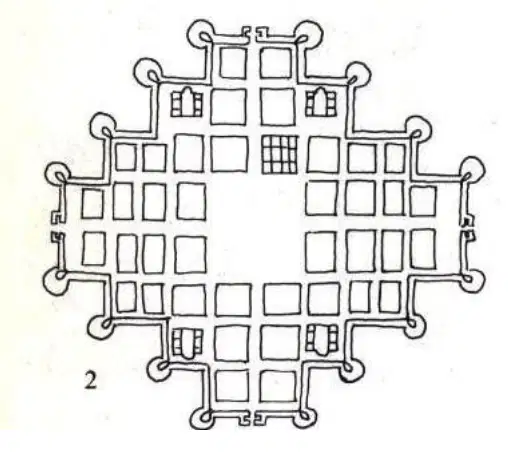
Is this Francesco di Giorgio Ideal city?
False
True
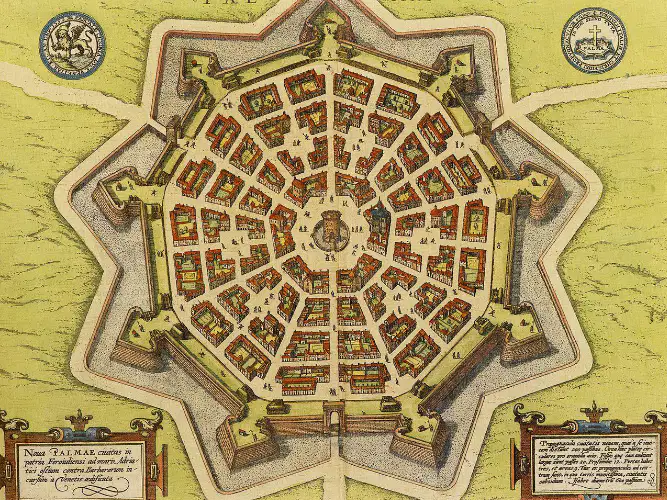
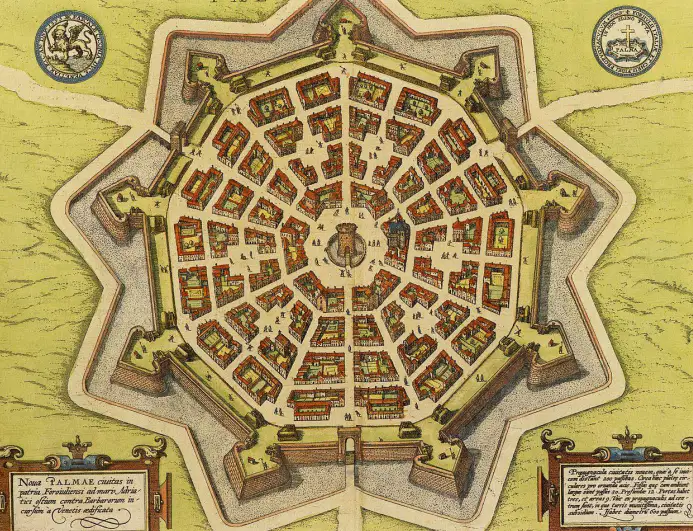
Is this Vicenzo Scamozzi(Palmanova) renaissance city?
true
false
Antonio Averlino Florencia(Sforzina)
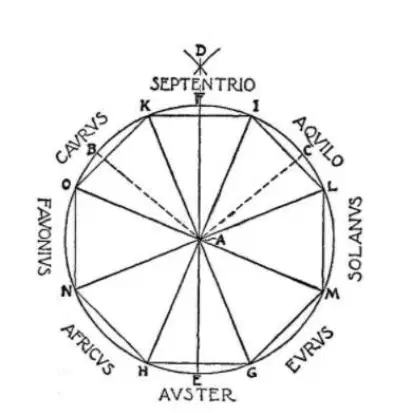
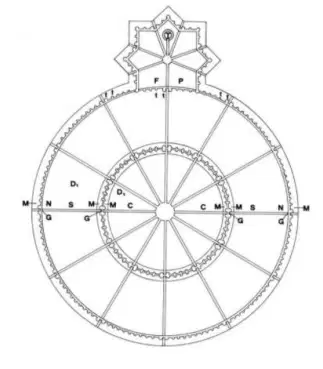

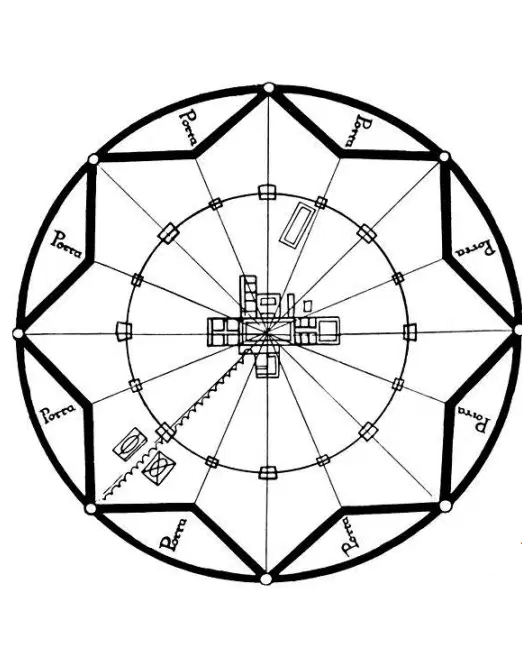
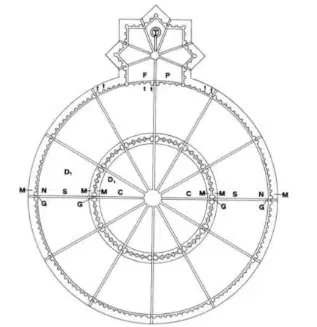
Is this Alberti's city?
True
False
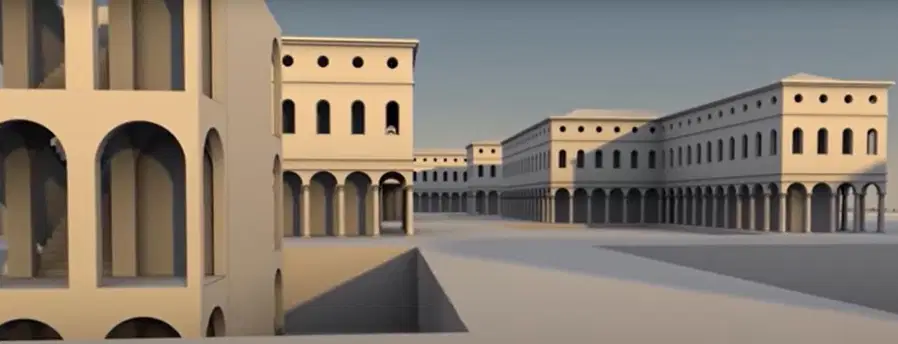
Antonio Averlino Florencia (1400- 1469) Filarette
Francesco di Giorgio, Ideal City
Leonardo's Ideal City
Alberti's city
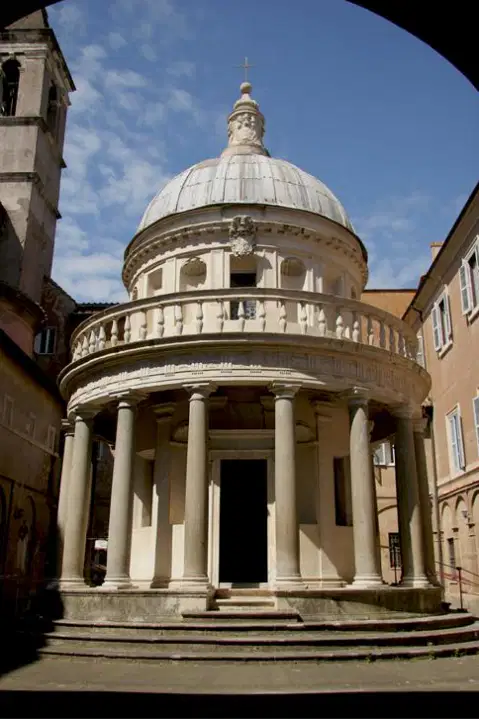
Tempietto. San Pietro in Montorio. Rome. 1502
Pazzi Chapel, 1429
Old Sacristy,1421-1428
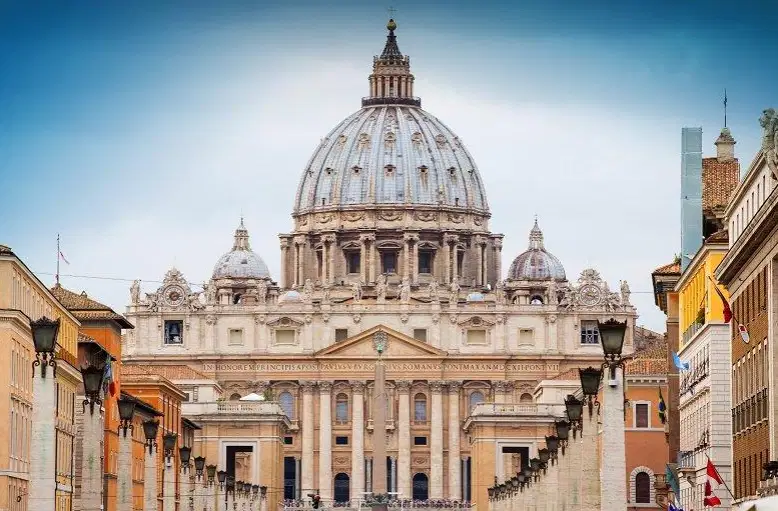
Santa Maria del Fiore Cathedral, 1418, Florencia
Saint Paul's Cathedral
Peter's Basilica. Bramante. Rome. 1503-1506
Basilica Palladiana. Vincenza. Italy (1549-1614)
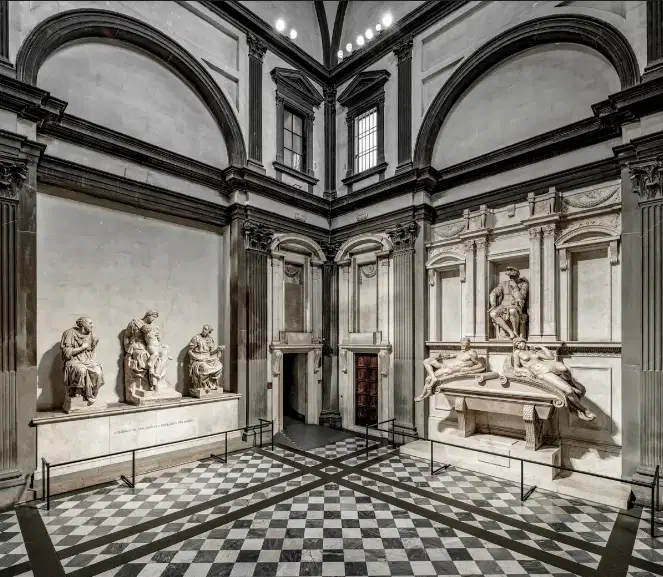
Tempietto. San Pietro in Montorio. Rome. 1502
Old Sacristy,1421-1428
Pazzi Chapel, 1429
New Sacristy. Michelangelo
Sant’Andrea (1460–1470) – Mantua

Capitolio square or Campidoglio. 1543
Laurentian Library. 1523. Florence
Hospital of the Innocents,1419
Rucellai Palace Florence. Italy 1446-51
What is the definition of Mannerism?
whilst set up by a small elite who had access to books and education, was intended as a cultural mode to influence all of society. It was a program to revive the cultural legacy, literary legacy, and moral philosophy of classical antiquity
was a revival in the study of classical antiquity, at first in Italy and then spreading across Western Europe in the 14th, 15th, and 16th centuries
style of architecture, reflecting the rebirth of Classical culture, that originated in Florence in the early 15th century and spread throughout Europe, replacing the medieval Gothic style.
artistic style that predominated in Italy from the end of the High Renaissance in the 1520s to the beginnings of the Baroque style around 1590
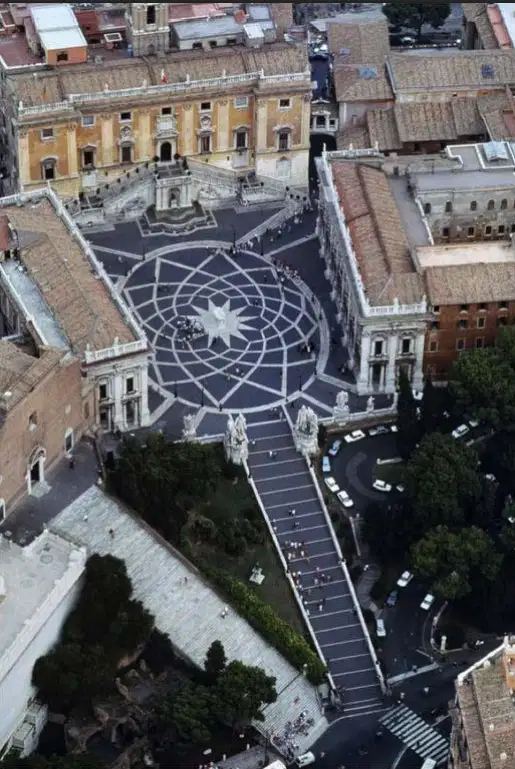
Capitolio square or Campidoglio. 1543
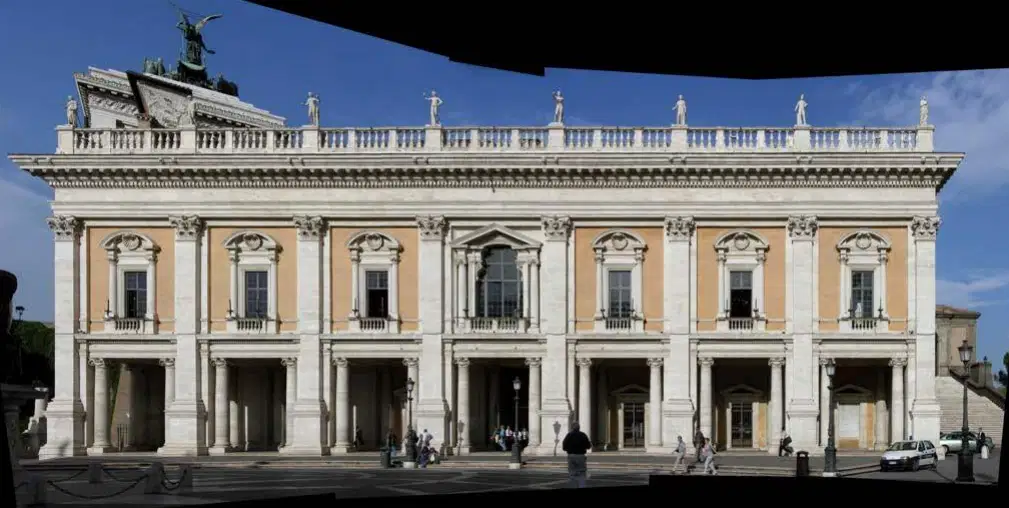
Palazzo of the Conservators
Laurentian Library. 1523. Florence
Rucellai Palace Florence. Italy 1446-51
Palazzo Te. Giulio Romano 1525-32. Mantova. Italia
Laurentian Library. 1523. Florence
Rucellai Palace Florence. Italy 1446-51
Palazzo of the Conservators

