
 Worksheets
Semester Exam Review
Total questions: 167
Worksheet time: 1hrs 24mins
Net Income is when taxes are taken out of your paycheck
True
False
Banks got into the credit business before 1920 because charging exceptionally high-interest rates was legal.
True
False
You should always make sure you have a _______.
Emergency fund
Shopping list
Vacation plan
Favorite movie
A money principle to keep in mind is to live on _______ you make.
Less than (live on less than you make)
More than (live on more than you make)
Exactly (live on exactly what you make)
Twice (live on twice what you make)
To know your net worth, subtract your liabilities from your _____
Assets
Income
Expenses
Revenue
FDR passed the New Deal because of the Great Depression. The purpose of this program was to:
provide relief, recovery, and reform to address the economic crisis
expand U.S. territory through military action
establish a monarchy in the United States
end Prohibition and legalize alcohol
Living paycheck to paycheck means:
Having just enough money to cover expenses until the next payday.
Saving a large portion of your income every month.
Earning more money than you spend each month.
Receiving paychecks irregularly.
In 1972, what association made borrowing money to attend college much easier?
Federal Student Loan Association
National Education Association
American College Fund
Student Financial Aid Bureau
Using credit has become ________.
More common / socially accepted
Less common / frowned upon
Illegal / prohibited
Unnecessary / outdated
List the Five Foundations.
The Five Foundations are: 1. Save a $500 emergency fund, 2. Get out of debt, 3. Pay cash for your car, 4. Pay cash for college, 5. Build wealth and give.
The Five Foundations are: 1. Invest in stocks, 2. Buy a house, 3. Start a business, 4. Travel the world, 5. Retire early.
The Five Foundations are: 1. Save for retirement, 2. Buy insurance, 3. Get a credit card, 4. Take out student loans, 5. Lease a car.
The Five Foundations are: 1. Open a savings account, 2. Get a mortgage, 3. Use credit cards, 4. Take out personal loans, 5. Invest in cryptocurrency.
About ______ of Americans actually use a budget.
About 35%
About 60%
About 80%
About 50%
You should only have an app for your budget
True
False
How many categories should you have in your budget?
As many as you need
Exactly 5
Only 3
No more than 10
Just 1
How often should you create a budget?
Monthly
Yearly
Weekly
Daily
What does a budget show you?
A plan for where your money will go (income vs. spending/saving)
The amount of money you have in your bank account
The list of items you want to buy
The total value of your assets
Nearly half of Americans feel stress and anxiety about the amount of ______ they have.
Debt
Vacation time
Friends
Pets
Going to the movies is an example of what type of expense?
Discretionary/'wants' expense
Fixed expense
Variable/'needs' expense
Mandatory expense
What kind of money counts as income?
Any money coming in (wages, salary, tips, side income, etc.)
Only money received as gifts
Only money from investments
Only money earned from selling property
What should you do if you overspend in one category?
Adjust the budget: move money from another category, then keep going
Ignore it and continue spending as usual
Stop budgeting altogether
Borrow money to cover the overspending
Your monthly rent payment is a variable expense.
True
False
What are the four walls of a budget?
Food, utilities, shelter, transportation
Entertainment, travel, shopping, dining
Savings, investments, insurance, taxes
Clothing, electronics, vacations, hobbies
What are the four components of a budget?
Income, giving, saving, spending
Income, investing, borrowing, spending
Income, saving, borrowing, spending
Income, giving, investing, spending
Banks and lenders use credit scores to determine ________.
Your likelihood to repay (risk/creditworthiness)
Your annual income
Your employment history
Your age
When you finance a new car, you will end up paying more than the sticker price.
True
False
Leasing a car is a method of financing where someone ________.
Pays to use a car for a set time/miles, then returns it
Buys the car and owns it outright
Makes monthly payments until the car is paid off and keeps it
Rents the car for a single day and returns it
List the order of Debt Snowball.
List debts smallest→largest; minimums on all; attack smallest with extra; roll
List debts largest→smallest; pay off largest first; ignore minimums; roll
List debts by interest rate; pay off highest rate first; ignore minimums; roll
List debts randomly; pay off any; ignore minimums; roll
A car is a depreciating asset
True
False
Credit card companies charge stores a 2–3% fee per purchase. This is called a(n) _______?
Merchant Fee
Interest Rate
Annual Fee
Late Payment Fee
Credit card companies make the most profit from _______.
Interest (from people who carry balances)
Annual fees
Cashback rewards
Late payment reminders
Asset: _______ you own with value.
Something
Nothing
Someone
Anywhere
Consumer: Someone who buys/uses _______/services.
goods
books
vehicles
clothes
Credit: Borrowing now, paying _______.
later
now
daily
monthly
Debt: Money you _______.
owe
earn
spend
find
Expense: Money you _______.
spend
save
find
earn
Financial Literacy: Knowing how money works and how to _______ it.
manage
ignore
waste
lose
hide
Financial Plan: A roadmap for spending/saving/investing _______.
goals
habits
income
debts
Interest Rate: Cost of _______ (percent).
borrowing
saving
investing
spending
Liability: Money you owe/________.
obligation
asset
income
profit
Loan Shark: Illegal lender with extremely high _______.
rates
fees
interest
charges
Negative Net Worth: ________ > assets
Liabilities
Income
Expenses
Revenue
Net Income: ________ after deductions
Take-home pay
Gross pay
Bonus
Allowance
Net Worth: Assets – ________
liabilities
income
expenses
revenue
Paycheck to Paycheck: No margin; relying on next ________
paycheck
bonus
loan
investment
Personal Finance: Managing money (spend/save/invest/________)
protect
borrow
waste
ignore
Positive Net Worth: ________ > liabilities
Assets
Income
Expenses
Revenue
Budget: A monthly plan for your ________
money
clothes
books
food
Cash-Flow Statement: Record/plan of income vs. ________
expenses
assets
revenue
profits
Commission: Pay based on ________/performance
sales
attendance
seniority
location
Gross Income: Pay before ________
deductions
taxes
bonuses
allowances
Income: Money ________ in
coming
going
staying
leaving
Irregular Income: Income that varies ________ to month
month
year
week
day
Net Income: ________-home pay
Take
Give
Send
Earn
Accrued Interest: Interest that has built up but isn’t ________ yet
paid
calculated
earned
reported
Fill in the blank: Compound Growth is _________
Growth on the original + previous growth
Growth only on the original amount
Growth only on previous growth
Growth that does not accumulate over time
Fill in the blank: Compound Interest is _________
Interest on principal + prior interest
Interest only on principal
Interest only on prior interest
Interest on total amount including taxes
Fill in the blank: Emergency Fund is _________?
Savings for unexpected expenses
Money for daily shopping
Funds for entertainment
Investment in stocks
Fill in the blank: Inflation means _________
Prices rise; money buys less
Prices fall; money buys more
Prices stay the same; money buys more
Prices rise; money buys more
Fill in the blank: Collateral is _________.
Asset pledged to secure a loan
A type of insurance policy
A government bond
A form of currency
Fill in the blank: Credit Bureau is _________.
Company that collects credit info
Government agency that issues currency
Bank that provides loans
Organization that manages insurance policies
Fill in the blank: Credit Score is _________?
Number estimating credit risk
A type of bank account
A government-issued ID
A form of currency
Fill in the blank: Default means _________?
Failing to repay as agreed
Paying more than required
Receiving a bonus
Completing a task early
Fill in the blank: Depreciation is _________.
Losing value over time
Gaining value over time
Maintaining the same value
Increasing in popularity
Fill in the blank: Equity is _________.
Value you own in an asset (value – debt)
The total amount of cash in a business
The interest paid on a loan
A type of insurance policy
Fill in the blank: Installment Credit is _________?
Fixed payments over time (auto/loan)
A type of revolving credit
A one-time cash advance
A form of credit with no repayment schedule
Fill in the blank: Lien is _________.
Legal claim on property for a debt
A type of insurance policy
A government tax
A form of currency
Fill in the blank: Predatory Lender is _________?
Unfair/deceptive lender charging excessive costs
A government-regulated financial institution
A lender offering the lowest interest rates
A lender providing free financial advice
Fill in the blank: Principal is _________
Original amount borrowed/invested
Total interest earned
Final amount after maturity
Monthly payment amount
Revolving Credit: ________
Reusable credit line (credit card)
Fixed-term loan (mortgage)
One-time payment (installment)
Secured loan (car loan)
Term: ________
Length of loan agreement
Interest rate of loan
Monthly payment amount
Collateral required
Amygdala: ________
Emotion/fear center of brain (impulse driver)
Memory storage area of brain
Visual processing center of brain
Balance and coordination center
Brand Recognition: ________
Familiarity with a brand
A type of logo
A marketing strategy
A product feature
Buyer’s Remorse: ________
Regret after buying
Excitement after buying
Satisfaction after buying
Indifference after buying
Card Fraud: ________
Unauthorized card use
Lost card replacement
Card activation process
Cardholder agreement
Contentment: ________
Satisfied; not chasing more stuff
Always wanting more
Feeling angry
Being jealous
Extended Warranty: ________
Paid protection beyond standard warranty
Free repair for lifetime
Immediate replacement for any damage
Coverage for accidental loss only
No protection after standard warranty ends
Identity Theft: ________
Stealing personal info to commit fraud
Borrowing books without returning them
Losing your wallet at a store
Forgetting your email password
Impulse Buying: ________
Unplanned emotional purchase
Planned investment
Long-term saving
Careful budgeting
Marketing: ________
Promoting/selling products
Manufacturing goods
Accounting services
Legal consulting
Opportunity Cost: ________
What you give up to choose something else
The money you earn from a job
The time spent on an activity
The resources used in production
Prefrontal Cortex: ________
Planning/self-control part of brain
Vision processing center
Balance and coordination center
Memory storage area
Language comprehension region
Retail Therapy: ________
Shopping to feel better
Exercising to relieve stress
Cooking to pass time
Reading to escape reality
Federal Pell Grant: ________
Need-based federal grant (no repayment)
Merit-based scholarship (repayment required)
Federal loan program (repayment required)
Work-study program (employment required)
Federal Perkins Loan: ________
Older federal loan program (ended; legacy loans exist)
Current federal loan program for all students
Private loan offered by banks
Federal grant for undergraduate students
Associate Degree: ________
2-year degree
4-year degree
Doctorate
High school diploma
Bachelor’s Degree: ________
4-year degree
2-year degree
6-year degree
Diploma
CLEP: ________
Earn college credit by exam
Apply for student loans
Join a sports team
Attend graduation ceremony
Deferred: ________
Payments postponed
Immediate payment
Extra charges
Advance received
FAFSA: ________
Free Application for Federal Student Aid
Federal Application for Financial Student Assistance
Financial Aid for Federal Student Applicants
Federal Aid Form for Student Assistance
Federal Student Loans: ________
Loans from the federal government
Loans from private banks
Grants from the state government
Scholarships from universities
Financial Aid Award Letter: ________
School’s aid offer and costs
Student’s GPA and test scores
List of extracurricular activities
Parent’s employment history
Forbearance: ________
Temporary payment pause/reduction (interest often accrues)
Permanent loan forgiveness
Immediate full repayment required
No change to payment schedule
Grant: ________
Aid you usually don’t repay
Loan you must repay with interest
Scholarship based on sports only
Payment for part-time work
Net Price: ________
Cost after grants/scholarships
Total tuition before aid
Full sticker price
Loan amount
Postsecondary Education: ________
Education after high school
Education before high school
Primary education
Preschool education
Prerequisite: ________
Required course/condition beforehand
Optional course/condition afterwards
Unrelated topic
Extra credit assignment
Private Student Loans: ________
Loans from private lenders
Loans from the government
Grants from private organizations
Scholarships from colleges
Scholarship: ________
Aid based on merit/need/etc. (no repayment)
Loan that must be repaid
Payment for work performed
Fee charged by the institution
Student Aid Report: ________
FAFSA results summary
Financial aid application form
College acceptance letter
Scholarship award notice
Subsidized Loans: ________
Gov pays interest while in school/qualifying times
Interest accrues immediately after loan is disbursed
Students must pay interest while in school
Interest is paid by private lenders
Unsubsidized Loans: ________
Interest accrues immediately
No interest accrues until graduation
Interest is paid by the government
No repayment required
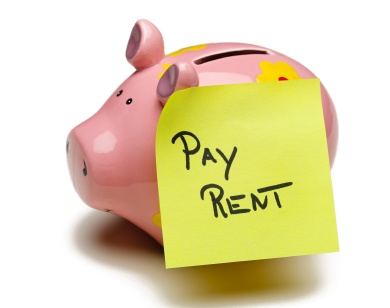
According to a rule of thumb, rent shouldn't take up more than ___ % of your take-home pay.
7-12%
10-15%
15-20%
25-30%
Sophia is looking for ways to earn money while attending college. She learns about Work-Study. Fill in the blank: Work-Study is a _________?
Part-time job program for students
Type of scholarship
Full-time employment program
Student loan
David wants to keep track of all the money going in and out of his checking account. He uses a Checking Account Register for this purpose. The Checking Account Register is a _________.
Log of transactions/balance
Type of bank
Form of currency
Loan agreement
Nora is looking for a place to save her money and get a loan. She wants to join an organization where the members own and operate the financial institution together. Credit Unions are _________?
Member-owned financial co-ops
Government-owned banks
Private investment firms
Non-profit charities
Sophia receives her paycheck directly into her bank account every month without needing to visit the bank. This method is called Direct Deposit, which is _________?
Electronic pay deposit
A type of paper check
A manual cash payment
A physical money order
Emma is considering opening a savings account at her local bank. She wants to make sure her money will be safe even if the bank faces financial trouble. Fill in the blank: FDIC _________.
Insures bank deposits (up to legal limits)
Prints currency for the U.S. government
Sets interest rates for credit cards
Provides loans to small businesses
Aiden has a collection of rare coins. He wants to know how quickly he can sell them and get cash. Liquidity is _________
How fast you can turn it into cash
The amount of profit a company makes
The total value of a company's assets
How much debt a company has
Daniel is considering opening a savings account at a credit union. He wants to make sure his deposits are protected. Fill in the blank: NCUA _________.
Insures credit union deposits (up to legal limits)
Regulates stock market investments
Provides insurance for commercial banks
Issues government bonds
Nora is considering opening a new bank account and is researching different types of banks. She comes across online banks. Fill in the blank: Online Banks are _________?
Mostly digital banking
Physical cash vaults
Traditional brick-and-mortar only
Only for international transfers
James writes a check for more money than he has in his bank account. The bank charges him an Overdraft Fee. Overdraft Fee is _________?
Fee for spending beyond your balance
Fee for depositing money
Fee for maintaining minimum balance
Fee for closing an account
Rohan writes a check for more money than he has in his bank account. The bank covers the extra amount using Overdraft Protection, which is _________?
Linked backup to cover overdrafts
A type of insurance for car accidents
A fee charged for every transaction
A reward program for saving accounts
Grace is reviewing her monthly bank statement and compares it to her own financial records. Fill in the blank: Reconciling is _________?
Matching your records to bank statement
Ignoring discrepancies in your records
Writing checks without recording them
Depositing cash without receipts
Spending without tracking expenses
Arjun is looking for a place to open a savings account and get a personal loan. He visits a few institutions and learns that Retail Banks are _________?
Traditional consumer banks
Investment firms
Insurance companies
Credit rating agencies
Aria has never opened a bank account. Fill in the blank: Aria is considered unbanked because she has _________?
No bank account
Having multiple bank accounts
Owning a credit card
Working at a bank
Emma has a bank account, but she often uses check-cashing services and payday loans instead of relying solely on her bank. Emma is considered _________?
Has an account but uses alternative services often
Does not have any bank account
Only uses online banking services
Is banned from using banking services
Jackson is a college student who often signs up for new apps and shares his information online. Why might young people like Jackson be particularly vulnerable to identity theft?
Less likely to monitor credit; “clean” identity is valuable; info gets shared/stored a lot
They have more financial assets than older adults
They use only secure websites for transactions
They never share personal information online
Kai has a stack of old bank statements and personal letters at home. What is the recommended method for disposing of these personal documents?
Shred personal documents
Throw documents in regular trash
Burn documents in open area
Recycle documents without shredding
Nora is about to enter her credit card details while shopping online. What security indicator should she look for before proceeding?
Padlock icon
Red cross mark
Open envelope
Warning triangle
Nora notices an unauthorized charge on her credit card statement. What does the Fair Credit Billing Act allow her to do?
Dispute billing errors/unauthorized charges on credit accounts
Increase their credit limit automatically
Lower their interest rates without approval
Transfer balances between accounts without fees
Lily is planning to pay for her college education. What are the 3 ways she can consider to cover her college costs?
Scholarships/grants; cash (savings/earnings); loans (if needed)
Credit cards; crowdfunding; bartering
Inheritance; winning a lottery; selling assets
Only through government aid; only through employer sponsorship; only through work-study
Charlotte is starting college and wants to find ways to save money during her studies. Which of the following are two ways she can save money in college?
Roommates; live off-campus; reduce meal plan/eat at home; used books; work part-time (any 2)
Buy expensive gadgets; eat out every day
Take more student loans; shop for new clothes weekly
Travel abroad every semester; upgrade to a single room
At a university, the administration found that % of students who enroll in a 4-year degree program end up taking more than 6 years to graduate. What is this percentage?
40%
10%
25%
55%
Kai took out student loans for college. On average, how many years will it take Kai to pay off these student loans?
20 years
5 years
10 years
30 years
David is considering enrolling in a program that takes two years to complete at a local college. The degree he would earn is called a(n) ______
Associate degree
Bachelor's degree
Doctorate degree
Certificate
Liam is researching the total amount of college debt in America for his economics project. What is the current total?
About $1.65 trillion (student loan balances, Q3 2025)
About $500 billion
About $2.5 trillion
About $900 billion
Liam is researching the total amount of college debt in America for his economics project. What is the current total?
About $1.65 trillion (student loan balances, Q3 2025)
About $500 billion
About $2.5 trillion
About $900 billion
Aria checks her bank statement and notices a charge marked as “pending.” What does this mean?
Authorized but not posted/settled yet
The charge has been declined
The account is closed
The charge is refunded
Nora is planning to open a new bank account. It’s her responsibility to know all about the ______ before she chooses a bank.
Fees/terms (account policies)
Bank location
ATM color
Interest calculation method for other banks
Samuel is considering different bank services. Which type of service should he avoid to prevent financial trouble?
Debt (ex: overdrafts/fees cycle)
Increased savings
Higher interest earnings
Better credit score
Noah is considering different financial services to help him manage his money. He comes across several options, but some of them are known to be predatory. Which of the following are examples of predatory financial services?
Payday loans, check cashing, Pawn Shops, Tax Refund lenders, & car title lenders
Credit unions, savings accounts, certificates of deposit, money market accounts, and mutual funds
Student loans, home equity loans, personal loans, and credit cards
401(k) plans, IRAs, health savings accounts, and treasury bonds
Abigail is deciding where to open a new account. She is considering a traditional bank, an online bank, and a credit union. What is a key difference between these options?
Banks are for-profit, online banks operate digitally, and credit unions are member-owned.
Banks and credit unions are both online only.
Credit unions are for-profit, banks are member-owned, and online banks are government-run.
Online banks have physical branches, banks do not, and credit unions are only for businesses.
Abigail is deciding where to open a new account. She is considering a traditional bank, an online bank, and a credit union. What is a key difference between these options?
Banks are for-profit, online banks operate digitally, and credit unions are member-owned.
Banks and credit unions are both online only.
Credit unions are for-profit, banks are member-owned, and online banks are government-run.
Online banks have physical branches, banks do not, and credit unions are only for businesses.
Oliver wants to set up direct deposit for his paycheck. What should he write on a check to provide to his employer?
VOID
PAID
CASH
SIGNED
Mason is about to write a check to pay for groceries. Should Mason use a pen to write the check?
True
False
Aria is about to sign a leasing contract for her new apartment. It's important for her to read the contract because once she signs it, it's enforceable by law.
True
False
Scarlett is planning to move to a new city and wants to know how much money she will need to cover basic expenses such as housing, food, taxes, and healthcare. What is Scarlett trying to find out?
the amount of money needed to cover basic expenses such as housing, food, taxes, and healthcare in a certain place and time.
the total income earned by a person in a year.
the price of luxury goods in a city.
the amount of money saved after all expenses.
Nora is looking for an apartment to rent. To manage her finances wisely, her rent payment should total no more than _____% of her gross income.
25%
40%
35%
50%
Abigail is reading about recent changes in U.S. laws. She comes across the Affordable Care Act (ACA). What is the ACA?
a federal law aimed at increasing health insurance quality and affordability.
a program for free college education.
a tax reform act for small businesses.
an environmental protection regulation.
At a local community center, a new scholarship program is introduced. Who are considered the beneficiaries of this program?
Individuals or groups who receive benefits from a particular action or policy.
People who manage the funds of an organization.
Authorities who enforce rules and regulations.
Organizations that provide services to the public.
Mason is in a debate club. During a meeting, he says, "School uniforms improve student focus." This is an example of:
A statement that asserts something to be true.
A question that seeks information.
A story with a moral lesson.
A summary of an article.
Emma was driving her car when she accidentally collided with another vehicle. She wants to make sure the damage to her car is covered, no matter who was at fault. What type of insurance does Emma need?
Insurance that covers damage to your car from a collision, regardless of who is at fault.
Insurance that covers medical expenses after an accident.
Insurance that pays for theft of your vehicle.
Insurance that covers routine maintenance costs.
Sophia parks her car outside her house, and one night, her vehicle is damaged due to vandalism. Which type of insurance would protect her from this kind of loss?
Protection for loss/damage to your vehicle caused by something other than collision (ex: vandalism)
Insurance that only covers injuries to other people in an accident
Coverage for routine vehicle maintenance and repairs
Insurance that pays only for theft of the vehicle
Ava visits her doctor for a regular check-up. She is required to make a payment each time she receives medical service. What is this payment called?
Payments made each time you get medical service (also copayments/coinsurance)
A type of insurance plan for dental care only
A document listing all your medical expenses
A government program for retired individuals
Arjun is reviewing his new car insurance policy. He wants to understand what 'Coverage' means in the context of his policy. What does 'Coverage' refer to?
Amount of liability protection offered through an insurance policy
The total premium paid for an insurance policy
The duration of an insurance policy
The process of filing an insurance claim
Emma has a life insurance policy. What is the Death Benefit in her policy?
Benefit paid to beneficiaries after the policyholder dies
Premium paid by the policyholder annually
Bonus received for early policy maturity
Penalty charged for late premium payment
Jackson has an auto insurance policy. One day, he gets into a minor accident and needs to repair his car. Before his insurance company pays for the repairs, Jackson must pay a certain amount out of his own pocket. What is this amount called?
Amount you pay out of pocket before insurance pays
The total amount your insurance will pay
A type of insurance policy
The monthly payment for insurance
Isla is a college student who relies on her parents for financial support. What term best describes Isla's situation?
A person who relies on someone for financial support
A person who provides financial support to others
A person who manages a business independently
A person who pays taxes for others
Emma works as a graphic designer. One day, she suffers an injury that prevents her from working for several months. Which type of insurance would help replace a portion of Emma's income while she is unable to work?
Replaces a portion of income if the policyholder becomes disabled and can’t work
Provides coverage for medical expenses due to illness or injury
Pays a lump sum on the policyholder’s death
Covers damages to the policyholder’s vehicle in an accident
Jackson forgot to pay his insurance premium on the due date. However, his coverage did not lapse immediately, and he was still able to make the payment within a certain period after the due date without losing his insurance protection. What is this period called?
Time after premium due when payment can be made without a lapse in coverage
Period when insurance is not valid
Time before policy starts
Duration of claim processing
Lily was hospitalized after a sudden illness. She was relieved to know that her health insurance would help cover the medical expenses. What is health insurance?
Coverage for medical expenses from illness or injury
A type of car insurance for vehicle damage
Insurance for lost luggage during travel
Coverage for home repairs after natural disasters
Charlotte is considering ways to save money for her medical expenses. She learns about an account that is tax-exempt and specifically designed for people who have a High Deductible Health Plan (HDHP). What type of account is Charlotte learning about?
Tax-exempt savings account for health costs; only for people on an HDHP
A government-funded retirement account for all citizens
A checking account with no minimum balance requirement
A type of loan for purchasing health insurance
Ava is choosing a health insurance plan for the year. She notices one option is described as a High-Deductible Health Plan (HDHP). What does this mean?
Health plan with a high minimum deductible for medical expenses
Health plan with no deductible for medical expenses
Health plan with only prescription drug coverage
Health plan with unlimited coverage and no out-of-pocket costs
Define Homeowners Insurance.
Protects residence/possessions and provides liability coverage for accidents on the property
Covers only automobile damages and theft
Provides health coverage for family members
Insures only valuable jewelry against loss
Define Insurance.
Arrangement for financial protection/reimbursement of losses from an insurer
A method to increase profits in business
A way to avoid paying taxes
A government scheme for free healthcare
Define Liability Insurance.
Protection against claims from personal injury/property damage due to an auto accident
Coverage for theft of personal belongings from your car
Insurance that pays for routine car maintenance
Protection against engine failure due to wear and tear
Define Long-Term Care Insurance.
Covers some/all costs of nursing home care, assisted living, in-home care, end-of-life care
Provides coverage for routine doctor visits and prescription drugs only
Pays for damages to your car in an accident
Covers travel-related emergencies and lost luggage
Define Out-of-Pocket Maximum.
Most a policyholder has to spend for covered services in a year
The minimum premium required to activate a policy
The total amount an insurer pays for all claims in a year
The amount paid for non-covered services
Define Personal Injury Protection (PIP).
Auto insurance component covering medical expenses, lost wages, etc. for driver/passengers
Life insurance policy for beneficiaries after the policyholder's death
Coverage for vehicle damage due to natural disasters
Insurance for theft of personal belongings from the car
Define Policy.
Contract between insurance company and insured individual
A legal document for property ownership
A type of investment plan
A government-issued identification card
Define Premium.
Amount of money paid for an insurance policy
The total value of assets owned
The interest earned on savings
The cost of goods sold
Define Renters Insurance.
Protection for destroyed/stolen personal property for a renter
Insurance that covers damages to a landlord's building
A policy that provides health coverage for tenants
Insurance for vehicles parked at a rental property
Define Self-Insured.
Having enough saved/invested that loved ones can live off it if you die (no life insurance needed)
Having a policy that pays out upon death
Paying premiums to an insurance company for coverage
Relying on government benefits for financial protection
Define Supplemental Insurance.
Plans that cover expenses/services not in typical policies
Insurance that only covers dental procedures
A type of insurance for pets only
Coverage that replaces your primary health insurance
Define Term Life Insurance.
Life insurance for a set time; if policyholder dies during term, beneficiaries get death benefit
Life insurance that builds cash value over time and lasts for the policyholder's entire life
Insurance that only covers accidental death, not natural causes
A savings account provided by an insurance company
Define Umbrella Insurance.
Optional extended liability coverage added to auto/homeowner policies
A type of insurance that covers only health-related expenses
Insurance that only covers damages to your vehicle
A mandatory insurance for all business owners
Define Uninsured/Underinsured Motorist Protection.
Protects you/passengers if hit by uninsured/underinsured driver or in a hit-and-run
Covers damage to your car from natural disasters
Pays for routine maintenance of your vehicle
Provides legal assistance for traffic violations
Define Whole Life Insurance (Cash Value).
Life insurance that lasts for life and uses part of the premium as an investment
Insurance that only covers accidental death and no investment component
A short-term insurance policy with no cash value
Insurance that only pays out if the policyholder survives a certain period

