
Font size
 Worksheets
8th grade Sem 1 Review
Total questions: 92
Worksheet time: 2hrs 33mins

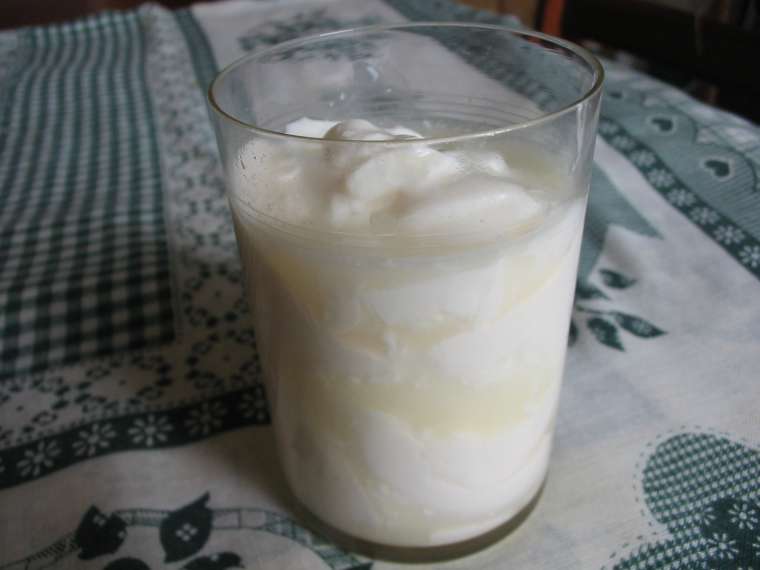
The ability to hammered into a thin sheet or be bent is
Ductility
Solubility
Density
Malleability

Glass breaking
Physical Change
Chemical Change
A rusting bicycle
Physical Change
Chemical Change
Melting butter for popcorn
Physical Change
Chemical Change
Freezing chocolate-covered bananas
Physical Change
Chemical Change
Separating sand from gravel
Physical Change
Chemical Change
Spoiling food
Physical Change
Chemical Change
Burning toast
Physical Change
Chemical Change
Properties that can only be observed or measured by changing the CHEMICAL IDENTITY of a substance.
chemical property
physical property
chemical change
physical change
A change in a substance that only affects its PHYSICAL PROPERTIES.
chemical properties
physical properties
chemical changes
physical changes
Mass, volume, shape, size, color, luster, and hardness are all examples of
chemical properties
physical properties
chemical changes
physical changes
A change in substance that affects its chemical properties thus a chemical reaction occurs and A NEW SUBSTANCE IS FORMED.
chemical properties
physical properties
chemical changes
physical changes
Toxicity, flammability, combustibility, and radioactivity are examples of
chemical properties
physical properties
chemical changes
physical changes
Reactivity is a
chemical property
physical property
Viscosity is a
chemical property
physical property
Solubility is a
physical property
chemical property
Cutting, coloring, crushing, melting, boiling and molding (shaping something) are example of
chemical changes
physical changes
Burning, rusting, cooking, and decomposing are examples of
physical changes
chemical changes
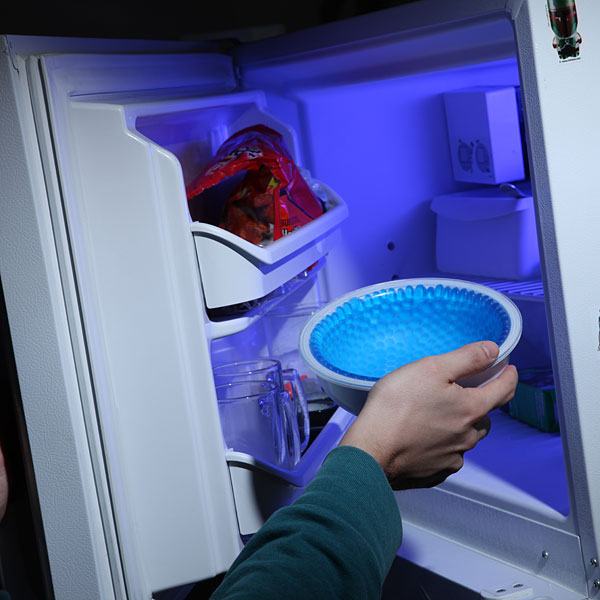
How many atoms do you have in the compound 2MgCl2?
2 atoms
4 atoms
6 atoms
8 atoms
Law of conservation of mass states the amounts of atoms in the reactants and the products...
Increase
Decrease
Stay the same
No correct answer
Does the equation H2+O2 →H2O follow the Law of Conservation of Mass?
Yes, because the atoms are equal.
No, because more info is needed.
No, because there are more atoms in the product.
No, because there are more atoms in the reactant.
Solid carbon dioxide, commonly known as dry ice, changes from solid to vapor at room temperature. Predict the change in the motion of the carbon dioxide molecules while it changes state at room temperature.
The molecules lose their energy and slide past each other.
The energy of the molecules increases, but the spaces between them decrease.
The molecules start vibrating in their positions with higher energy.
The energy of the molecules and the spaces between them increase.

Adding HEAT to matter causes its particles to:
move faster and farther apart
Move slower and farther apart
Move faster and closer together
Move slower and closer together
Water puddles on a sidewalk evaporate when the Sun heats the water. Which of these BEST describes what is happening as the water evaporates?
Water changes phase as it releases heat to the environment.
Water boils as it absorbs energy from the sidewalk.
Water becomes a gas as it absorbs energy from the Sun.
Water evaporates as its thermal energy is transferred to the air.
Raphael is studying the movement of water molecules as ice changes from a solid to liquid water. Which statement best describes the changes in the movement of the water molecules as heat causes the ice to melt?
The molecules in the solid stay tightly connected and do not move. As heat is added, the molecules in the liquid move far apart and do not interact.
The molecules in the solid move freely around one another and do not interact. As heat is added, the molecules are pushed closer together and begin to interact with one another.
The molecules in the solid are in a rigid lattice and vibrate more rapidly. As the ice melts, the molecules in the liquid move more freely but are still attracted to each other and pack more tightly.
The molecules in the solid are unmoving in a rigid lattice. As the ice melts, the molecules start to vibrate, and then release from the lattice structure, moving freely as they drift farther apart to form a liquid.
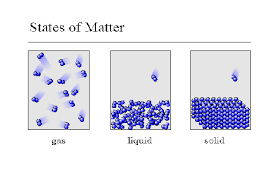

Evidence of a chemical reaction is when 2 substances react, they
stay the same
form a new substance
both
none

Your hands get cold outside from not wearing gloves
exothermic
endothermic
both
none

Fire is an example of
exothermic reaction
endothermic reaction
none
both
This is when heat is absorbed, it is an
Exothermic reaction
endothermic reaction
both
none
When heat is released it is an
exothermic reaction
endothermic reaction
both
none
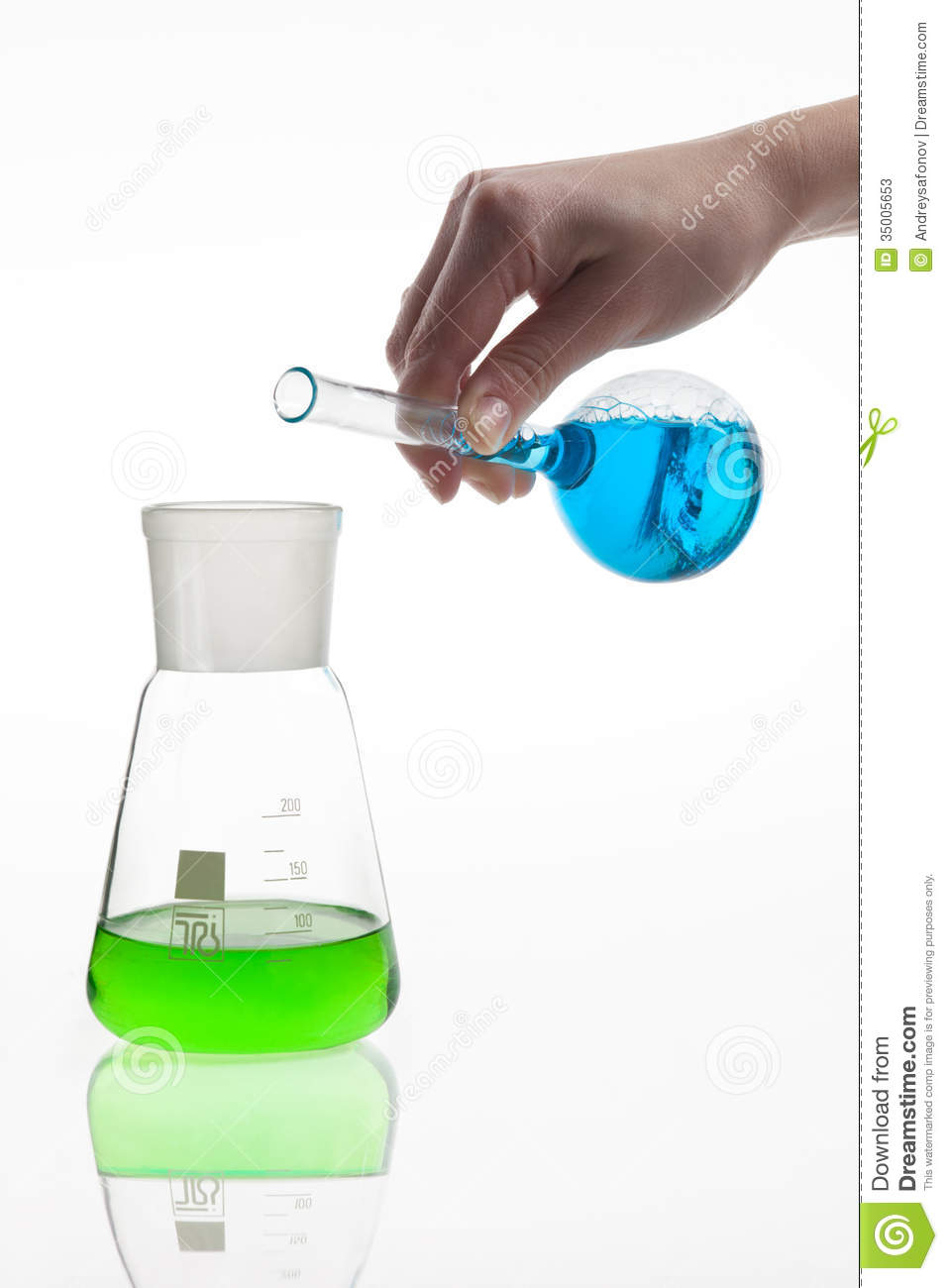
A student mixed two chemicals to allow them to react. The temperature before the reaction was 25 ° C. The temperature after the reaction was 18° C. Which of the following is true?
The temperature did not change.
It is an endothermic reaction
It is an exothermic reaction
Energy is released from the reaction into the surrounding.
The order of elements in the periodic table is based on
the number of protons in the nucleus.
the electric charge of the nucleus.
the number of neutrons in the nucleus.
atomic mass.
Atoms of elements that are in the same group have the same number of
protons.
neutrons.
valence electrons.
protons and neutrons.
The periodic table is organized in horizontal rows called...
Groups
Periods
Families
Chemical Symbols
The vertical columns of the periodic table are called...
Periods
Families
Chemical Symbols
Groups
Which of the following are physical properties of metal?
Luster
Conductivity
Malleability
Ductility

The number of neutrons in an atom can be found by
adding the number of neutrons and protons together.
adding the atomic mass and the atomic number.
subtratcting the atomic number from the atomic mass.
subtracting the atomic mass from the atomic number.

USE THE PERIODIC TABLE
How many valence electrons does Phosphorus have?
31
5
15
4
The period that an element is in, tells you what?
Number of protons
Number of electrons
Number of valence electrons
Number of shells
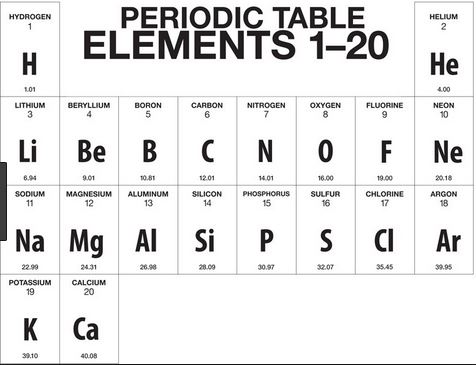
How many valence electrons does Helium Have?
1 Valence electron
2 Valence electron
3 Valence electron
4 Valence electron
5 Valence electron
When trying to identify an unknown element, a scientist determines what other elements reacts with chemically. Which property of the unknown element determines the other element it reacts with?
The total number of neutrons in the unknown element
The total number of particles in the nucleus of the unknown element
The number of protons in the nucleus of the unknown element
The number of valence electrons in the unknown element
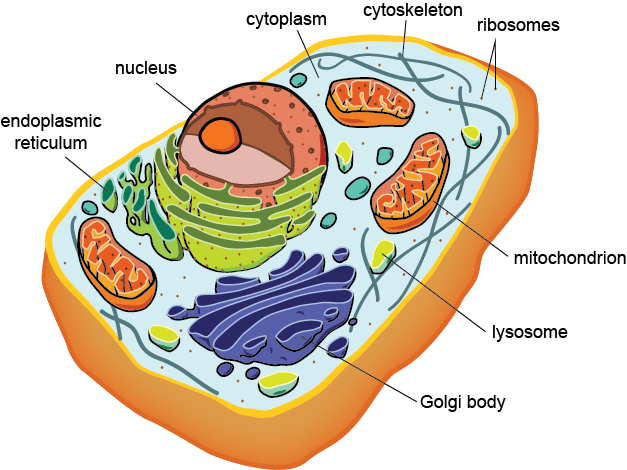
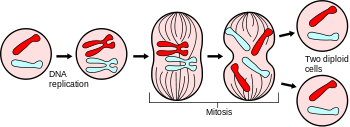
When cells are damaged, new cells are created by cell a process called cell division. How does the cell theory support this fact?
It states that all cells have a nucleus which divides.
It states that all living things are made up of one or more cells.
It states that cells come from previously existing cells.
It states that the basic units of structure and function are cells.


The combination of chemical reactions through
which an organism builds up or breaks down
materials as it carries out its life processes is called ...
absorption
metabolism
digestion
consumption
Maintaining a stable internal
environment is called
homeostasis
equilibrium
balance
evenness
Identify the characteristic: when you step out into the cold, your body shivers in order to keep its temperature at 98.6oF.
All living things use energy
All living things contain cells
All living things maintain homeostasis
All living things grow and develop

Which of the following is a response?
a flashlight shined into the eye
a rubber band popping your hand
your pupils constricting when exposed to bright light
blood glucose levels drop significantly

What 3 things do plants need for the process of photosynthesis?
Sunlight, oxygen and sugar.
Water, soil and oxygen.
Sunlight, carbon dioxide and water.
Sunlight, soil and water.


Which organelle is responsible making food (Glucose) using sunlight?
Cell Membrane
Nucleus
Chloroplast
Mitochondria


Look at the image. What are the products made by photosynthesis? PICK TWO.
carbon dioxide
oxygen
glucose
water
What is the chemical equation for cellular respiration?
6O2 + C6H12O6 --> 6CO2 + 6H2O
6CO2 + C6H12O6 --> 6O2 + 6H2O
6CO2 + 6H2O --> 6O2 + C6H12O6
6O2 + 6H2O --> 6CO2 + C6H12O6
Cellular Respiration's goal is to
make water
make energy
make glucose
make oxygen
___ is the process that cells use to take energy from glucose.
cellular respiration
photosynthesis
transpiration
excretion
The ___ is the cell part (organelle) inside cells where cellular respiration happens.
mitochondria
chloroplast
nucleus
ribosome
Both ___ are leftover as waste products after cellular respiration.
water & carbon dioxide
oxygen & glucose
carbon dioxide & oxygen
water & oxygen
Which of the following is the word equation for cellular respiration?
glucose + oxygen ---> ATP + carbon dioxide + water
carbon dioxide + water ---> ATP + glucose + oxygen
glucose + water ---> ATP + carbon dioxide + oxygen
glucose + carbon dioxide ---> ATP + oxygen + water

