
 Worksheets
8th A. Grade Science – Semester 1 Final review
Total questions: 140
Worksheet time: 1hrs 23mins
Which type of reproduction produces offspring genetically identical to the parent?
Sexual
Fertilization
Asexual
Pollination
Why is genetic variation important for a species?
It prevents reproduction
It helps species survive environmental change
It slows evolution
It stops mutations
In flowering plants, pollen must reach the stigma during which process?
Germination
Fertilization
Pollination
Dispersal
Which structure develops into a seed after fertilization?
Ovary
Ovule
Anther
Stigma
Gymnosperms differ from angiosperms because gymnosperms:
Produce flowers
Produce fruits
Have naked seeds
Use animals for pollination
What happens during germination?
Pollination occurs
A seed embryo begins to grow
Fertilization happens
Seeds are dispersed
Which behavior is learned rather than instinctive?
Bird migration
A baby sucking
A dog trained to sit
Spider spinning a web
Which example shows animal communication?
Photosynthesis
Pheromone release
Cell division
Mutation
Animals that provide extensive parental care usually:
Produce many offspring
Produce few offspring
Reproduce asexually
Do not reproduce
Which factor most directly affects growth in animals?
Temperature only
Genetics only
Nutrition only
Genetics, nutrition, and environment
What role does auxin play in plants?
Helps with photosynthesis
Controls growth responses
Produces pollen
Forms seeds
A plant growing downward due to gravity is showing:
Photoperiodism
Dormancy
Tropism
Metamorphosis
Photoperiodism allows plants to respond to:
Soil type
Daylight length
Gravity
Temperature only
Which organism typically undergoes metamorphosis?
Insects (e.g., butterfly)
Frog
Fish
Mammals
Dormancy helps organisms survive:
Ideal conditions
Harsh environmental conditions
Fertilization
Mutation
Growth differs among species mainly because of:
Hormones and genetics
Weather alone
Competition alone
Mutation only
Heredity refers to:
Learning new behaviors
Passing traits from parents to offspring
Mutations in body cells
Environmental changes
Which allele combination represents a homozygous recessive genotype?
AA
Aa
aa
AB
A Punnett square is used to:
Identify chromosomes
Predict inheritance probability
Show mutations
Measure DNA length
Which term describes an organism's genetic makeup?
Phenotype
Trait
Genotype
Allele
Which trait would most likely be influenced by environment?
Blood type
Height
Eye color
Attached earlobe
Humans inherit one allele for each gene from:
One parent
Two parents
Mutations
Environment
Which cell division produces two identical daughter cells?
Meiosis
Fertilization
Replication
Mitosis
Which cell division produces genetic variation?
Mitosis
Binary fission
Meiosis
Growth
How many chromosomes are found in a human sex cell?
46
44
23
92
What is the main purpose of meiosis?
Repair tissue
Create body cells
Produce gametes
Copy DNA
Which mutation may be inherited by offspring?
Skin cell mutation
Muscle cell mutation
Egg cell mutation
Brain cell mutation
A karyotype is useful for detecting:
Learned behaviors
Chromosome abnormalities
What occurs during nondisjunction?
DNA replicates twice
Chromosomes do not separate properly
Proteins misfold
Genes disappear
Which molecule contains genetic instructions?
Protein
Hormone
DNA
Lipid
During protein synthesis, mRNA carries instructions from:
Ribosome to nucleus
DNA to ribosome
Ribosome to cytoplasm
Protein to DNA
Codons are found on:
DNA only
Proteins
mRNA
Chromosomes
Which statement about mutations is correct?
All mutations are harmful
Mutations always change appearance
Mutations create variation
Mutations prevent evolution
A sex-linked trait is located on:
Any chromosome
Autosomes
Sex chromosomes
Ribosomes
Which trait is most likely sex-linked?
Freckles
Color blindness
Height
Probability helps scientists:
Predict exact outcomes
Eliminate variation
Estimate genetic outcomes
Stop mutation
Artificial selection differs from natural selection because it is controlled by:
Environment
Mutations
Humans
Chance
Which is an example of artificial selection?
Finches evolving beaks
Bacteria becoming resistant
Breeding dogs for size
Climate-driven extinction
Genetic engineering involves:
Breeding organisms
Changing DNA directly
Natural selection
Fossil analysis
Gene therapy attempts to:
Clone organisms
Replace faulty genes
Increase variation
Cause mutations
A clone will have:
Similar genes
Half the genes
Identical genes
Random genes
What is one possible risk of genetic technology?
Increased diversity
Ethical concerns
Faster reproduction
Fewer mutations
CRISPR is best described as:
A fossil tool
A protein
A gene-editing technology
A chromosome
The genome of an organism includes:
One gene
All DNA
Only chromosomes
Only proteins
Which field studies the ethical use of genetic technology?
Ecology
Bioethics
Geology
Chemistry
Evolution explains how:
Individual organisms change during life
Species change over generations
Mutations stop occurring
Extinction is prevented
Which scientist proposed natural selection as a mechanism for evolution?
Mendel
Lamarck
Darwin
Linnaeus
Darwin’s observations supported the idea that:
Traits are fixed
Organisms adapt to environments
Mutations are always harmful
Evolution occurs instantly
Which condition is required for natural selection?
No variation
Overproduction of offspring
No competition
Artificial breeding
Fitness refers to an organism’s ability to:
Grow large
Move fast
Survive and reproduce
Avoid mutation
Overproduction leads to:
No competition
Limited resources
Extinction of all species
Increased cloning
Which situation best demonstrates natural selection?
Students learning new skills
Bacteria surviving antibiotics
Humans breeding pets
A plant growing taller in shade
Variation within a species is caused mainly by:
Competition
Mutation
Extinction
Classification
Gene flow increases variation when:
Individuals migrate
Fossils form
Species go extinct
Mutations stop
Genetic drift occurs due to:
Environmental pressure
Random chance
Artificial selection
Competition
Sexual selection favors traits that:
Improve survival only
Increase mating success
Reduce variation
Stop mutation
Co-evolution occurs between:
predators and prey
plants and soil
mountains and rivers
stars and planets
The fossil record shows that:
Life never changes
Species appeared suddenly
Species have changed over time
Fossils are unreliable
Which fossil shows animal activity?
Bone
Tooth
Footprint
Shell
Microevolution involves:
Major changes over millions of years
Small changes in populations
Formation of Earth
Mass extinction
Macroevolution refers to:
Daily behavior changes
Formation of new species
Short-term variation
Fossilization
Homologous structures provide evidence for:
Same habitat
Same function
Common ancestry
Artificial selection
63. Similar embryos among species suggest:
No relationship
Common ancestry
Fossilization
Genetic drift
Which human activity increases extinction risk?
Conservation
Pollution
Migration
Classification
DNA evidence supports evolution because:
DNA differs completely among species
All organisms use DNA
DNA prevents mutation
DNA causes extinction
LUCA represents:
First fossil
Common ancestor of all life
First mutation
First species
Protein comparisons help scientists determine:
Age of fossils
Species relatedness
Mutation rates
Habitat
Endosymbiosis explains the origin of:
Nuclei
Ribosomes
Mitochondria and chloroplasts
Chromosomes
Which evidence supports endosymbiotic theory?
Organelles lack DNA
Organelles have their own DNA
Organelles form randomly
Organelles are fossils
Mutations are essential for evolution because they:
Eliminate variation
Create variation
Mutations that reduce fitness usually:
Increase over time
Spread rapidly
Disappear from populations
Become dominant
Environmental change can lead to:
No effect on species
Natural selection acting on new traits
End of evolution
Removal of DNA
Which example shows co-evolution?
A. Birds migrating
B. Predator and prey adapting to each other
C. Plants growing taller
D. Fossil formation
Which term describes random loss of alleles?
Gene flow
Mutation
Genetic drift
Natural selection
Female choice is a form of:
Artificial selection
Genetic drift
Sexual selection
Gene flow
Which factor does NOT directly cause evolution?
Mutation
Variation
Natural selection
Learning
Which statement best summarizes evolution?
Individuals evolve during life
Populations change over generations
Evolution stops with extinction
Is the following statement True or False? Evolution only occurs in animals.
True
False


When a daphnia (water flea) gives birth to offspring, which characteristic of life is being shown?
ability to reproduce
adapt to environment
cells need energy
organization

Which of the following diagrams illustrate sexual reproduction?
I and II
I and III
II and III
III and IV

This picture shows a mom penguin, dad penguin, and baby penguin. What type of reproduction is this?
sexual
asexual
neither
budding

Which type of reproduction is pictured?
heterotrophs
multicellular cell
eukaryotic cell
asexual reproduction
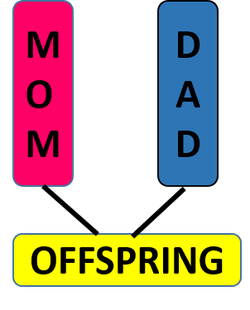
Requires two parents
sexual
asexual

Which type(s) of cell reproduction is being described?
What is one of the advantages, why is it better to reproduce sexually versus asexually?
survival of the fittest
overproduction
genetic variation
cloning

California blackworms, also known as mudworms, are able to break apart. Each body section that broke apart is able to become an identical new worm. What type of reproduction does this example represent?
Sexual reproduction
Asexual reproduction


The diagrams represent the way that three different organisms reproduce.
Which of these classifies the reproductive method of all the organisms shown?
Segmentation
Budding
Asexual Reproduction
Sexual Reproduction

Penguins lay 1-2 fertilized eggs that the male and female take turns incubating on their feet. What type of reproduction does this example represent?
Sexual reproduction
Asexual reproduction
Why is genetic variation important for natural selection?
It ensures that all individuals in a population are identical
It decreases the survival rate of a species
It provides a range of traits that selection can act upon
It has no role in natural selection
What is the significance of the peppered moth example in the study of natural selection?
It shows that moths prefer peppered trees
It demonstrates how a species can change color at will
It illustrates how environmental changes can lead to changes in species through natural selection
It proves that all moths will eventually become peppered
Which of the following is NOT a mechanism of evolution?
Natural selection
Genetic drift
Artificial selection
Cloning
What is genetic variation?
The uniformity of genes among individuals of the same species
The differences in DNA among individuals
The inability of organisms to change over time
The process by which new species are created
What role does mutation play in evolution?
It decreases genetic variation
It is the only source of new alleles
It prevents adaptation
It ensures that all individuals are identical
All people share the exact same DNA.
True
False
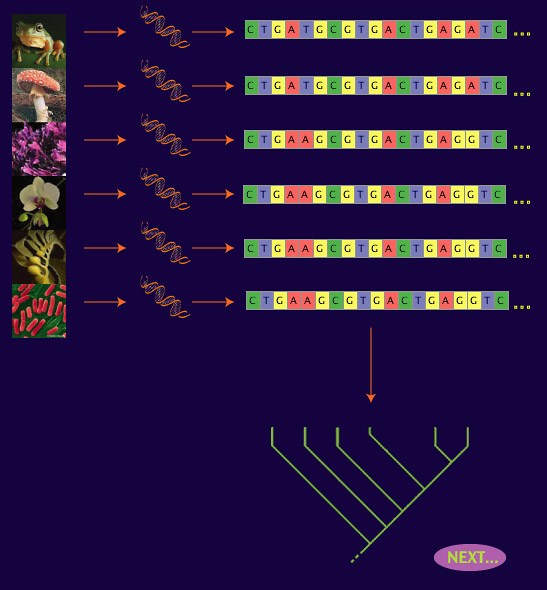

CROSSING OVER INCREASES
LIFE SPAN
GENETIC VARIATION
THE NUMBER OF OFF-SPRING
ALL ARE TRUE
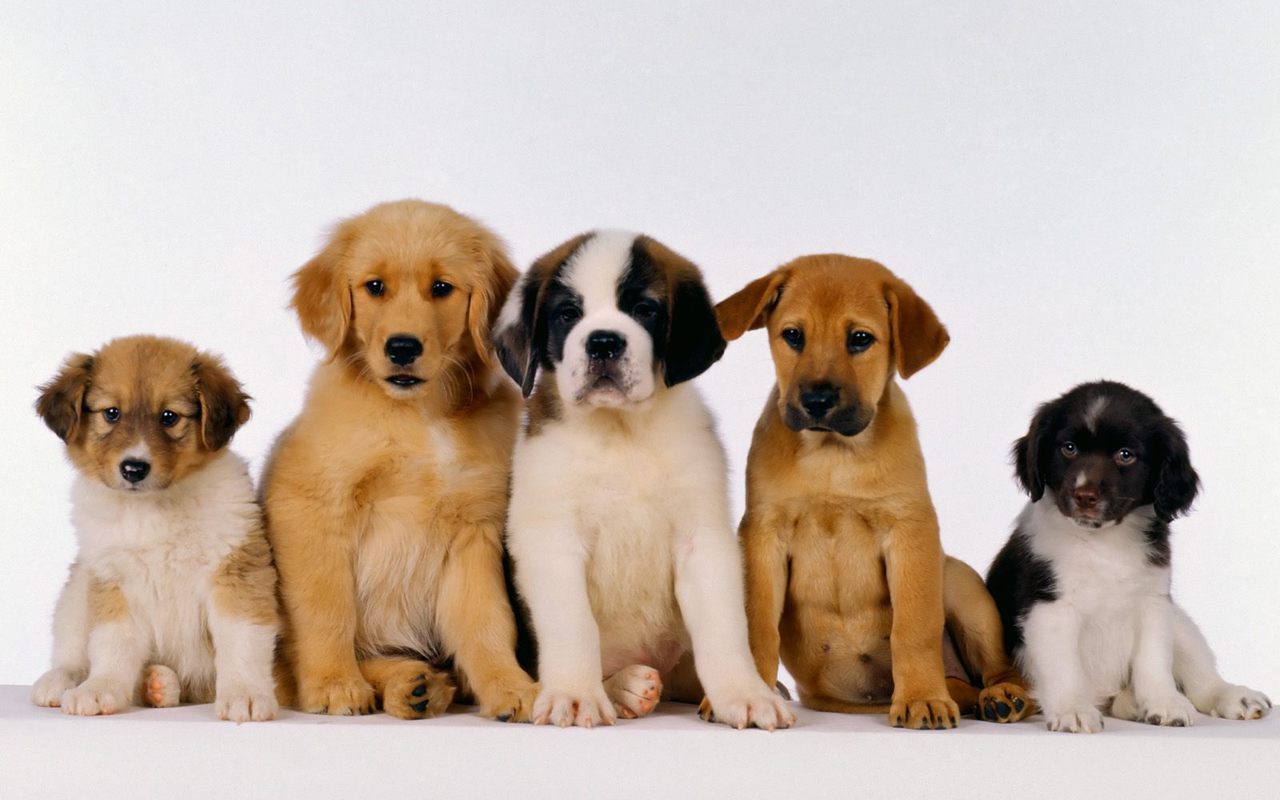

If Easter eggs were living species of organisms, their different colors would be considered:
Adaptations
Variations
Different species
Extinct species

On a plant, the flowers:
Do not help with anything.
Help the plant look nice.
Help the plant reproduce.

Which letter is pointing to the plant structure that produces pollen?
D
A
G
E
Which letters are pointing to the plant structures that are responsible for egg production and embryo development?
(You must get all 3 correct for full credit!)
D
C
G
E

Identify the male component of a plant.
carpel
pistil
sepal
stamen

What occurs during the process of plant fertilization?

choose the correct descriptions
the pollen cones are the male cones
the pollen cones are the female cones
the seed cones are the male cones
the seed cones are the female cones
both kinds of cones are female

Seedless plants reproduce by
spores
seeds
binary fission
mitosis

What structure in the picture produces the pollen?
B
F
I
H

Identify the part of the plant that is female
sepal
style
pistil
anther

Why do fish swim in schools?
for fun
to conserve energy
to learn
for protection
What Animal Can You Never Trust With Your Homework?
Cheetahs
Lions
Leopards
Jaguars
A wolf cub came too close to a skunk, and was sprayed by its foul smelling chemical spray. Now, the wolf cub stays away from skunks. What type of behavior is this?
innate behavior
imprinting
learned behavior
migration
what animal is bad to play cards with
turtle
cheetah
snail
all of them
What is the molecule called that carries genetic information?
Protein
Carbohydrate
DNA
Lipid
In genetics, what does the term "homozygous" refer to?
Having two different alleles for a trait
Having two identical alleles for a trait
The study of genes and their roles in inheritance
A type of genetic cross
How many pairs of chromosomes do humans typically have?
23
46
12
92
A person has ____________ pairs of chromosomes.
46
23
26
48
In a pedigree chart, men are represented by
Circles
Diamonds
Squares
In a pedigree, individuals that are carriers are represented as shapes that are
Not shaded
Fully shaded
Half shaded
What is the significance of mitosis in multicellular organisms?
It helps in the reproduction of organisms.
It is responsible for genetic diversity.
It aids in growth and repair of tissues.
It produces gametes for reproduction.
Who is the father of genetics?
George Washington
Gregor Mendel
John Deere
Louis Pasteur
True or False: All plants have flower.
Which statement is false?
all plants produce fruits
plants need air, light, soil, and water to survive
many common objects we use are made from plants
flowers are only found on plants
Plants need soil to survive.
True
False



