
 Worksheets
GP4 - LỊCH SỬ ĐỊA LÝ (HỘI AN, CENTRAL COAST)
Total questions: 29
Worksheet time: 15mins
In which city is Hội An Ancient Town located?
Hà Nội
Đà Nẵng
Huế
Hồ Chí Minh
When did UNESCO recognize Hội An Ancient Town as a world cultural heritage site?
In 1999
In 2000
In 2001
In 1998
Which river flows through Hội An Ancient Town?
Hương river
Red river
Mekong river
Thu Bồn river
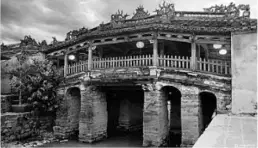
The following picture shows a bridge that is a tourist attraction of Hội An Ancient Town. It is also known as Bridge Pagoda. What is the name of this bridge?
Japanese Bridge
Tràng Tiền Bridge
Thu Bồn Bridge
Hội An Bridge
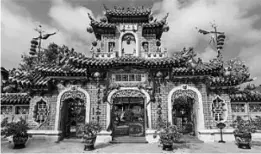
Which ethnic community traditionally gathers in the Fukian Assembly Hall for social activities?
Kinh
Chăm
Thái
Hoa
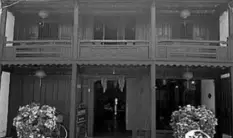
The picture below shows an old house in Hội An. It has two floors and is long and narrow. Inside, there is a big space for selling things and praying. What is the name of this old house?
Phùng Hưng Ancient House
Bình Thủy Ancient House
Vạn Vân Ancient House
Diệp Đồng Nguyên Ancient House
The Northern Midlands and Mountainous region (Northwest and Northeast regions) of Vietnam has the northernmost and westernmost points of the country. What are the names of the two provinces with these points, respectively? (Câu hỏi áp dụng theo bản đồ hành chính sau ngày 01/07/2025)
Tuyên Quang, Khánh Hòa
Khánh Hòa, Cà Mau
Cà Mau, Điện Biên
Tuyên Quang, Điện Biên
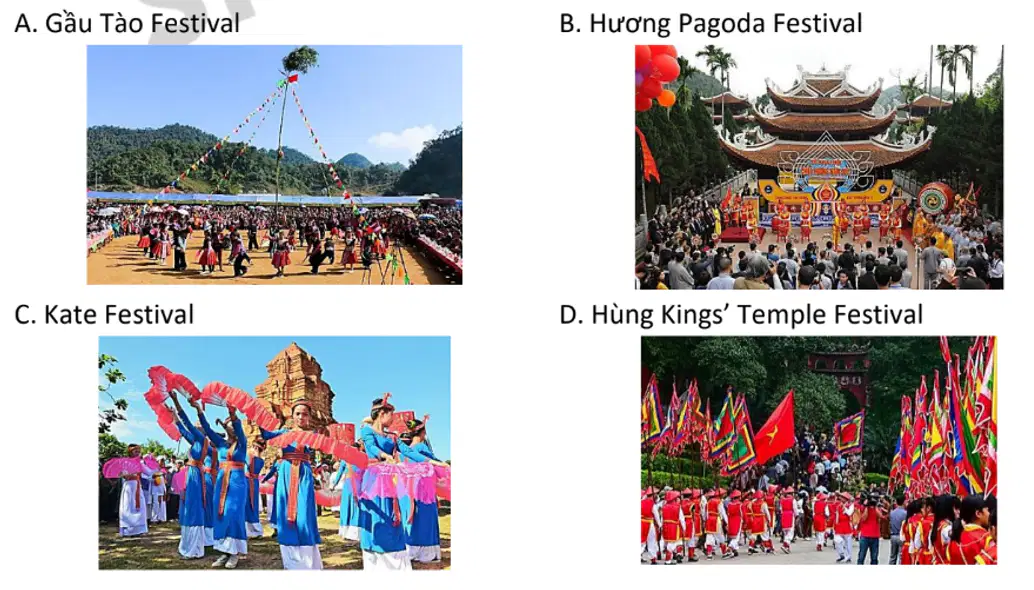
Which of the following festivals is NOT held in the North of Vietnam?
Gầu Tào Festival
Hương Pagoda Festival
Kate Festival
Hùng Kings’ Temple Festival
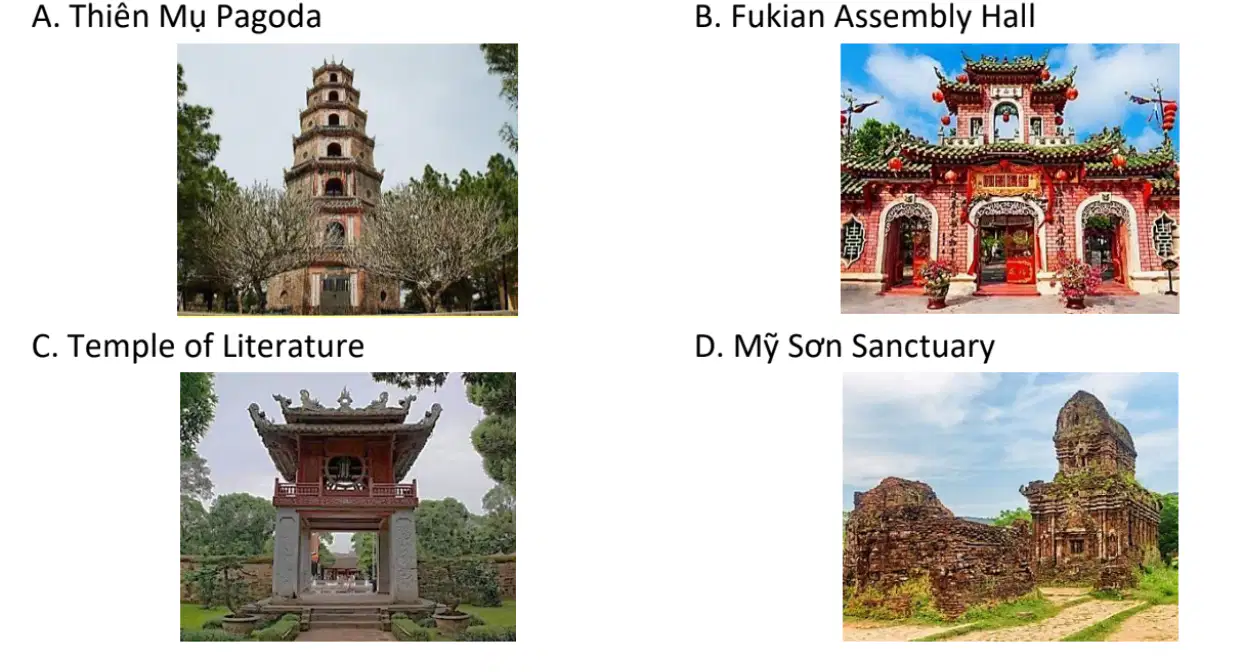
Which of the following is a famous destination in Hanoi capital?
Thiên Mu Pagoda
Fukian Assembly Hall
Temple of Literature
Mỹ Sơn Sanctuary
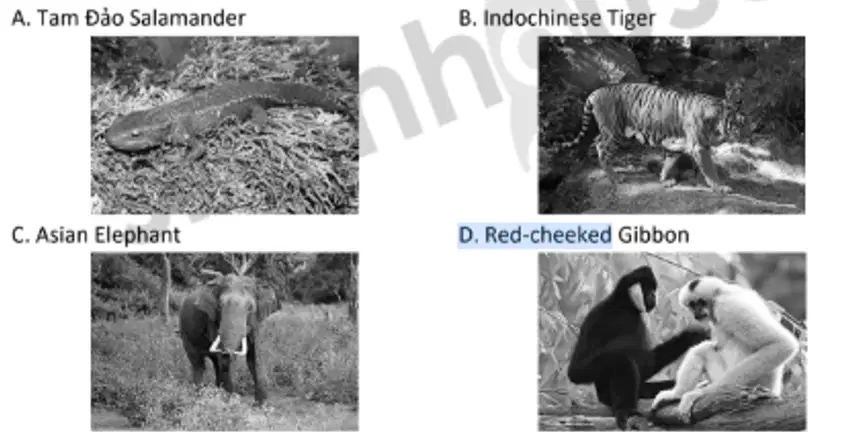
Tam Đảo National Park is home to many endangered species. Which animal species, listed in the Vietnam Red Book, is most associated with this park?
Tam Đảo Salamander
Indochinese Tiger
Asian Elephant
Red-cheeked Gibbon

Which of the following is NOT a famous food that originates in the Central Coast region of Vietnam?
Bún bò Huế
Phở Nam Định
Mì Quảng
Kẹo cu đơ
What is the typical topographic (địa hình) feature of the Central Coast region?
A. Mainly large flat plains
B. Many plateaus (cao nguyên) and volcanoes
C. Mountains in the west and narrow plains in the east
D. Flat terrain from north to south
What is the climate like in the Central Coast region?
A. Heavy rainfall all year, cold in winter
B. Hot all year round with a long rainy season
C. Cold in winter, dry in summer
D. Hot with clearly separated rainy and dry seasons
What is typical about rivers in the Central Coast region?
A. Many large rivers with steady flow all year
B. Short and steep rivers that often cause floods during the rainy season
C. Deep and wide rivers suitable for large ships
D. Small rivers that have no impact on life
Which of the following are national parks in the Central Coast?
Cát Tiên, Tràm Chim
Cúc Phương, Ba Bể
Phong Nha – Kẻ Bàng, Bạch Mã
Nam Cát Tiên, Hoàng Liên
What natural disasters often affect the Central Coast region?
Earthquakes and volcanoes
Storms, tropical depressions, and floods
Snow and ice
Long periods of cold winds from the northeast
Which ethnic groups have lived in the Central Coast for a long time?
Kinh, Khmer, Hoa
Kinh, Thái, Mường
Kinh, Chăm, Raglai
Tày, Nùng, H’Mông
Which of the following is a traditional tool used by Central Coast people?
Large sailboats
Fishing nets, basket boat (thuyền thúng), back basket (gùi)
Hand-pulled carts
Stone tools for farming
In which provinces is salt-making a well-known occupation?
Lai Châu, Hà Giang, Yên Bái
Bình Định, Đắk Lắk, Kon Tum
Ninh Thuận, Quảng Ngãi, Khánh Hòa
An Giang, Vĩnh Long, Cần Thơ
Which festival is typical of the Chăm people in the Central Coast?
Gầu Tào Festival
Cầu Ngư Festival
Ka-tê Festival
Xên Mường Festival
Why is marine tourism developed in the Central Coast?
Because it has many tropical forests
Because there are many big caves under the sea
Because of the long coastline and many beautiful beaches
Because there are snow-covered mountains all year round
Which of these is a natural feature of the Northern Delta Region?
Big deserts.
Tall volcanoes.
Rivers.
Arctic ice.
What is one traditional production activity in the Northern Delta Region?
Building spaceships.
Growing rice.
Mining diamonds.
Making robots.
What is the main role of the dyke (đê) system in the Northern Delta Region?
To create new land.
To control floods.
To grow more trees.
To make the air cleaner.
What should people do to take care of the environment in the Northern Delta Region?
Building more factories without rules.
Cutting down all trees.
Measures to protect the environment and values.
Throwing rubbish everywhere.
Which building is famous in the Temple of Literature (Văn Miếu) – Imperial Academy
(Quốc Tử Giám) historical site?
One Pillar Pagoda
Khuê Văn Các
Thang Long Imperial Citadel Gate
The story of Mi Chau – Trong Thuy
What does the Temple of Literature show in Vietnamese culture?
A place for selling goods
A place for learning and education
A place for sports
A place for making clothes
Which place in Hanoi is most connected with the tradition of studying hard?
West Lake
Temple of Literature
Hoan Kiem Lake
One Pillar Pagoda
What is one simple way to protect old historical places in Hanoi?
Letting them get broken
Taking care of them and keeping them safe
Moving them away from the city
Drawing graffiti on them

