
 Worksheets
Worksheet Questions (Grade 11) – Extracted and Converted
Total questions: 74
Worksheet time: 37mins
The weather was terrible yesterday, so we ______ cancel our outdoor activities.
must
had to
mustn’t
shouldn’t
You ______ bring your own water bottle because free water is provided at the event.
mustn’t
don’t have to
should
have to
If you want to stay healthy, you ______ exercise regularly.
mustn’t
shouldn’t
should
don’t have to
Classmates ______ copy each other’s homework under any circumstances.
must
doesn’t have to
mustn’t
should
We ______ wear formal clothes to the meeting because the manager said a casual outfit is perfectly acceptable today.
mustn’t
didn’t have to
don’t have to
must
Vietnamese students felt ______ after receiving invitations to join an ASEAN youth camp.
exciting
excited
excitingly
excitement
The new smart park in our city looks _____ at night with colourful LED lights.
beautiful
beautify
beautifully
beauty
The idea of using robots to assist elderly people sounds ______ and practical.
help
helpfulness
helpful
helpfully
Underground pedestrian tunnels seem _____ in reducing accidents on crowded streets.
effectiveness
effective
effect
effectively
Now, the chef is tasting the soup _____. It tastes _____.
carefully – delicious
careful – delicious
carefully – deliciously
careful – deliciously
The aim of the organisation is to improve ______ between countries in the region.
themes
representatives
relations
goals
______ is when people from different countries or communities share their traditions, ideas, and ways of life with each other.
Gender equality
Cultural exchange
Urban centre
Nuclear family
Many cities are building wider pavements to give ______ more space to walk safely.
criminals
pedestrians
viewers
spectators
A(n) ______ city offers good schools, hospitals, and affordable housing.
liveable
infectious
curious
excessive
ASEAN leaders meet every year to ______ dialogue and solve shared problems.
operate
honour
promote
qualify
Many people in big cities worry about their ______ because the streets are full of cameras.
contribution
infection
privacy
efficiency
Some buses have ______ to count the number of passengers getting on and off.
smart sensors
card readers
cycle paths
traffic jams
At the start of an ASEAN workshop, teachers use short activities to break the ______ and help students relax.
stone
ice
rock
stick
Grandparents often ______ family time, even when teenagers prefer to hang out with friends.
apply
limit
value
suffer
Young volunteers from all member states can make a ______ to regional development projects.
characteristic
sustainability
contribution
development
a. An: The traffic jam this morning was terrible; I was stuck on the same road for almost thirty minutes.
b. An: Maybe the city should add more bike lanes so fewer people depend on cars.
c. Hung: I know! I left home early, but I still arrived late because the cars weren’t moving at all.
b – c – a
a – c – b
a – b – c
c – b – a
a. Thien: Yes, I hope to join their community development project hosted in Laos.
b. Minh Duc: Are you planning to apply for the AYVP programme this year?
c. Minh Duc: That sounds amazing, and their leadership workshops are very helpful for young volunteers.
c – a – b
b – a – c
a – c – b
a – b – c
a. Nike: I think they’re excellent because they make streets safer and more pleasant to walk.
b. Jane: What do you think about completely car-free zones in dense city centres?
c. Nike: Moreover, shops and cafés become more lively when more pedestrians visit.
d. Jane: Removing cars also helps reduce pollution and noise immediately.
e. Jane: I hope our city adopts a similar model to improve daily life.
b – c – e – a – d
b – a – d – c – e
e – c – d – a – b
e – a – b – c – d
a. Chloe: I’m thinking of Vietnam, Singapore, and Indonesia.
b. Ethan: Great choices! Each country has amazing food, culture, and scenery.
c. Chloe: I really want to travel around ASEAN next year and visit a few countries.
d. Chloe: And travelling within ASEAN is easy because many countries don’t require a visa.
e. Ethan: Which places are you planning to go first?
c – e – a – b – d
a – e – d – b – c
a – b – d – e – c
c – b – a – e – d
Dear SSEAYP Committee,
a. Joining SSEAYP would help me improve these skills in an international environment and represent Vietnam with responsibility and enthusiasm.
b. This programme matches my goal of becoming a youth leader who helps strengthen cooperation in our region.
c. I hope to contribute meaningfully to the programme while learning from outstanding peers across ASEAN and Japan.
d. Through volunteering at local schools and NGOs, I have learned useful skills such as planning events, leading discussions, and supporting community projects.
e. My name is Minh, and I am writing to express my strong interest in joining The Ship for Southeast Asian and Japanese Youth Programme (SSEAYP). Sincerely, Minh
e – d – c – a – b
e – b – d – a – c
d – b – e – c – a
d – c – a – e – b
Dear City Research Centre Team,
a. I would be grateful for your understanding and assistance with this request.
b. Given how essential this report is for my presentation on future urban planning, I would kindly request an extension of one week to finish reviewing its main findings.
c. I believe this extra time will allow me to fully understand the data and prepare a stronger project.
d. Due to several unexpected school commitments, I haven’t been able to study the report as quickly as I expected.
e. I have recently borrowed Smart Cities: Designing Urban Spaces of the Future and have found it extremely helpful for my project on cities of the future. Yours faithfully, Tom Harris
e – a – b – d – c
c – e – d – a – b
e – d – b – c – a
c – e – a – d – b
a. Marvelli has now become a more dynamic and prosperous city, offering greater opportunities for both residents and investors.
b. These vital improvements have notably boosted Marvelli’s economy, fostering the growth of local businesses and attracting foreign investment.
c. To accommodate this growth, city planners have replaced the older terraced housing with modern high-rise buildings and expanded public facilities such as schools and hospitals.
d. Recognising the increasing traffic congestion, the city council has had the main roads widened and an intelligent traffic monitoring system installed to optimise traffic flow.
e. Over the past decade, the city of Marvelli has undergone a considerable transformation, experiencing an upsurge in population and an overload on the existing transport infrastructure.
a – b – d – e – c
e – d – c – a – b
a – d – b – c – e
e – c – d – b – a
a. He began exercising, practicing mindfulness, and surrounding himself with supportive friends.
b. Over time, he regained his confidence and found joy in life again, proving to himself that healing was possible.
c. He often isolated himself, believing that no one would understand his pain.
d. One day, he decided to seek help and started talking to a therapist, who guided him through his emotions.
e. For a long time, Sam struggled with depression, feeling lost and unmotivated every day.
e – c – d – a – b
e – d – c – b – a
e – a – c – b – d
d – b – a – c – e
Let the game begin! The 33rd Southeast Asian Games (SEA Games 33) kicked off in Bangkok on December 9 with a (1) ______ celebrating regional unity and competition. The ceremony was (2) ______ of five main segments that told the story of the SEA Games’ history, celebrated sport, culture and friendship, and highlighted Southeast Asian unity. Modern lights, (3) ______ performances, music and art filled the stadium, and (4) ______ famous artists and athletes took part in the show. The SEA Games flame was lit to officially start the competition. Vietnam’s team marched proudly during the parade, led by flag bearers Le Thanh Thuy and Le Minh Thuan. Also, canoeists Nguyen Thi Huong and Diep Thi Huong won Vietnam’s first gold medal early in the Games. Choose the best answer for blank (1).
opening spectacular ceremony
spectacular opening ceremony
ceremony opening spectacular
spectacular ceremony opening
Let the game begin! The 33rd Southeast Asian Games (SEA Games 33) kicked off in Bangkok on December 9 with a (1) ______ celebrating regional unity and competition. The ceremony was (2) ______ of five main segments that told the story of the SEA Games’ history, celebrated sport, culture and friendship, and highlighted Southeast Asian unity. Modern lights, (3) ______ performances, music and art filled the stadium, and (4) ______ famous artists and athletes took part in the show. The SEA Games flame was lit to officially start the competition. Vietnam’s team marched proudly during the parade, led by flag bearers Le Thanh Thuy and Le Minh Thuan. Also, canoeists Nguyen Thi Huong and Diep Thi Huong won Vietnam’s first gold medal early in the Games. Choose the best answer for blank (2).
consisted
included
composed
contained
Let the game begin! The 33rd Southeast Asian Games (SEA Games 33) kicked off in Bangkok on December 9 with a (1) ______ celebrating regional unity and competition. The ceremony was (2) ______ of five main segments that told the story of the SEA Games’ history, celebrated sport, culture and friendship, and highlighted Southeast Asian unity. Modern lights, (3) ______ performances, music and art filled the stadium, and (4) ______ famous artists and athletes took part in the show. The SEA Games flame was lit to officially start the competition. Vietnam’s team marched proudly during the parade, led by flag bearers Le Thanh Thuy and Le Minh Thuan. Also, canoeists Nguyen Thi Huong and Diep Thi Huong won Vietnam’s first gold medal early in the Games. Choose the best answer for blank (3).
traditional
current
sustainable
supportive
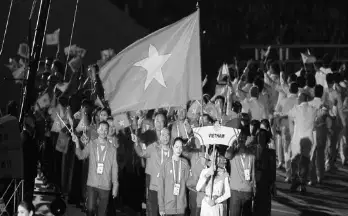
Let the game begin! The 33rd Southeast Asian Games (SEA Games 33) kicked off in Bangkok on December 9 with a (1) ______ celebrating regional unity and competition. The ceremony was (2) ______ of five main segments that told the story of the SEA Games’ history, celebrated sport, culture and friendship, and highlighted Southeast Asian unity. Modern lights, (3) ______ performances, music and art filled the stadium, and (4) ______ famous artists and athletes took part in the show. The SEA Games flame was lit to officially start the competition. Vietnam’s team marched proudly during the parade, led by flag bearers Le Thanh Thuy and Le Minh Thuan. Also, canoeists Nguyen Thi Huong and Diep Thi Huong won Vietnam’s first gold medal early in the Games. Choose the best answer for blank (4).
little
each
many
another
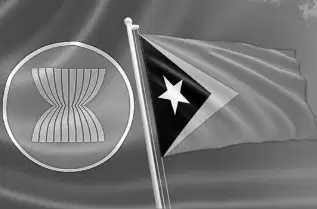
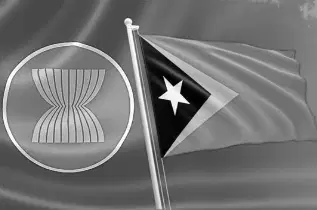
Timor-Leste officially becomes ASEAN’s 11th member Timor-Leste officially became the 11th member of ASEAN at the 47th ASEAN Summit held in Kuala Lumpur, Malaysia, on October 26, 2025. The event was celebrated with a (1) ______, attended by leaders of the other ten ASEAN countries. The country applied to join ASEAN in 2011, and after that, experts checked whether it was prepared in areas like political (2) ______, economic development, and government systems. In 2022, ASEAN gave Timor-Leste observer status, which allowed it to join (3) ______ ASEAN meetings, including the ASEAN Summit. When Malaysia served as ASEAN Chair in 2025, the process to help Timor-Leste become a full member was (4) ______ even more. Choose the best answer for blank (1).
signing historic ceremony
historic ceremony signing
historic signing ceremony
ceremony historic signing
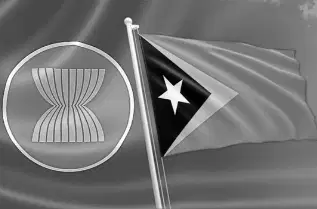
Timor-Leste officially becomes ASEAN’s 11th member Timor-Leste officially became the 11th member of ASEAN at the 47th ASEAN Summit held in Kuala Lumpur, Malaysia, on October 26, 2025. The event was celebrated with a (1) ______, attended by leaders of the other ten ASEAN countries. The country applied to join ASEAN in 2011, and after that, experts checked whether it was prepared in areas like political (2) ______, economic development, and government systems. In 2022, ASEAN gave Timor-Leste observer status, which allowed it to join (3) ______ ASEAN meetings, including the ASEAN Summit. When Malaysia served as ASEAN Chair in 2025, the process to help Timor-Leste become a full member was (4) ______ even more. Choose the best answer for blank (2).
opportunity
stability
community
efficiency
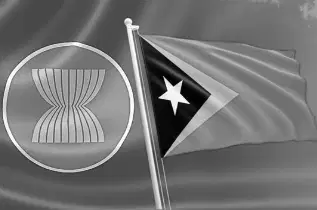
Timor-Leste officially becomes ASEAN’s 11th member Timor-Leste officially became the 11th member of ASEAN at the 47th ASEAN Summit held in Kuala Lumpur, Malaysia, on October 26, 2025. The event was celebrated with a (1) ______, attended by leaders of the other ten ASEAN countries. The country applied to join ASEAN in 2011, and after that, experts checked whether it was prepared in areas like political (2) ______, economic development, and government systems. In 2022, ASEAN gave Timor-Leste observer status, which allowed it to join (3) ______ ASEAN meetings, including the ASEAN Summit. When Malaysia served as ASEAN Chair in 2025, the process to help Timor-Leste become a full member was (4) ______ even more. Choose the best answer for blank (3).
every
all
much
few
Timor-Leste officially becomes ASEAN’s 11th member Timor-Leste officially became the 11th member of ASEAN at the 47th ASEAN Summit held in Kuala Lumpur, Malaysia, on October 26, 2025. The event was celebrated with a (1) ______, attended by leaders of the other ten ASEAN countries. The country applied to join ASEAN in 2011, and after that, experts checked whether it was prepared in areas like political (2) ______, economic development, and government systems. In 2022, ASEAN gave Timor-Leste observer status, which allowed it to join (3) ______ ASEAN meetings, including the ASEAN Summit. When Malaysia served as ASEAN Chair in 2025, the process to help Timor-Leste become a full member was (4) ______ even more. Choose the best answer for blank (4).
strengthened
contributed
interacted
experienced
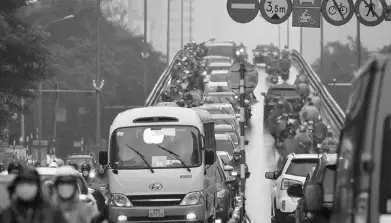
Ha Noi to Ban Gasoline-Powered Vehicles Hanoi plans to limit gasoline motorbikes and vehicles in the city centre to make the capital cleaner and more modern. Starting July 1, 2026, petrol motorbikes will be banned at certain times or in (1) ______ areas inside Ring Road 1 to help (2) ______ air pollution and protect people’s health. The city will set up its first low-emission zone and later widen it to more places. Officials say this policy will encourage people to use electric vehicles and cleaner transport, as well as support improvements in buses and public transit. The city is also preparing (3) ______ to help residents change from petrol bikes to greener options. This plan is part of Hanoi’s larger (4) ______ to become a greener, future-focused city. Choose the best answer for blank (1).
few
much
each
some

Ha Noi to Ban Gasoline-Powered Vehicles Hanoi plans to limit gasoline motorbikes and vehicles in the city centre to make the capital cleaner and more modern. Starting July 1, 2026, petrol motorbikes will be banned at certain times or in (1) ______ areas inside Ring Road 1 to help (2) ______ air pollution and protect people’s health. The city will set up its first low-emission zone and later widen it to more places. Officials say this policy will encourage people to use electric vehicles and cleaner transport, as well as support improvements in buses and public transit. The city is also preparing (3) ______ to help residents change from petrol bikes to greener options. This plan is part of Hanoi’s larger (4) ______ to become a greener, future-focused city. Choose the best answer for blank (2).
alleviate
promote
establish
develop
Ha Noi to Ban Gasoline-Powered Vehicles Hanoi plans to limit gasoline motorbikes and vehicles in the city centre to make the capital cleaner and more modern. Starting July 1, 2026, petrol motorbikes will be banned at certain times or in (1) ______ areas inside Ring Road 1 to help (2) ______ air pollution and protect people’s health. The city will set up its first low-emission zone and later widen it to more places. Officials say this policy will encourage people to use electric vehicles and cleaner transport, as well as support improvements in buses and public transit. The city is also preparing (3) ______ to help residents change from petrol bikes to greener options. This plan is part of Hanoi’s larger (4) ______ to become a greener, future-focused city. Choose the best answer for blank (3).
financial programs support
financial support programs
support financial programs
programs financial support
Ha Noi to Ban Gasoline-Powered Vehicles Hanoi plans to limit gasoline motorbikes and vehicles in the city centre to make the capital cleaner and more modern. Starting July 1, 2026, petrol motorbikes will be banned at certain times or in (1) ______ areas inside Ring Road 1 to help (2) ______ air pollution and protect people’s health. The city will set up its first low-emission zone and later widen it to more places. Officials say this policy will encourage people to use electric vehicles and cleaner transport, as well as support improvements in buses and public transit. The city is also preparing (3) ______ to help residents change from petrol bikes to greener options. This plan is part of Hanoi’s larger (4) ______ to become a greener, future-focused city.
Choose the best answer for blank (4).
view
recipe
goal
theme
New Year Festivals in ASEAN Countries
New Year festivals across ASEAN are vibrant cultural celebrations that reflect each nation’s history and values. Countries (1) ______ steps to honour traditions, strengthen family bonds, and welcome good fortune for the coming year.
Thailand celebrates Songkran with (2) ______ water-splashing events that symbolise washing away bad luck.
Vietnam welcomes Tet by preparing special family meals that (3) ______ generations.
Cambodia celebrates Chol Chnam Thmey with ceremonies where monks bless families for a (4) ______ year.
Laos enjoys Pi Mai with parades and gentle water-pouring that show respect and hope.
The Philippines greets New Year’s Eve with fireworks that create a lively and festive atmosphere.
Enjoy the beauty of ASEAN traditions!
Choose the best answer for blank (1).
make
pay
take
set
New Year Festivals in ASEAN Countries
New Year festivals across ASEAN are vibrant cultural celebrations that reflect each nation’s history and values. Countries (1) ______ steps to honour traditions, strengthen family bonds, and welcome good fortune for the coming year.
Thailand celebrates Songkran with (2) ______ water-splashing events that symbolise washing away bad luck.
Vietnam welcomes Tet by preparing special family meals that (3) ______ generations.
Cambodia celebrates Chol Chnam Thmey with ceremonies where monks bless families for a (4) ______ year.
Laos enjoys Pi Mai with parades and gentle water-pouring that show respect and hope.
The Philippines greets New Year’s Eve with fireworks that create a lively and festive atmosphere.
Enjoy the beauty of ASEAN traditions!
Choose the best answer for blank (2).
enjoy
enjoyable
enjoyment
enjoyably
New Year Festivals in ASEAN Countries
New Year festivals across ASEAN are vibrant cultural celebrations that reflect each nation’s history and values. Countries (1) ______ steps to honour traditions, strengthen family bonds, and welcome good fortune for the coming year.
Thailand celebrates Songkran with (2) ______ water-splashing events that symbolise washing away bad luck.
Vietnam welcomes Tet by preparing special family meals that (3) ______ generations.
Cambodia celebrates Chol Chnam Thmey with ceremonies where monks bless families for a (4) ______ year.
Laos enjoys Pi Mai with parades and gentle water-pouring that show respect and hope.
The Philippines greets New Year’s Eve with fireworks that create a lively and festive atmosphere.
Enjoy the beauty of ASEAN traditions!
Choose the best answer for blank (3).
connect
propose
restrict
adapt
New Year Festivals in ASEAN Countries
New Year festivals across ASEAN are vibrant cultural celebrations that reflect each nation’s history and values. Countries (1) ______ steps to honour traditions, strengthen family bonds, and welcome good fortune for the coming year.
Thailand celebrates Songkran with (2) ______ water-splashing events that symbolise washing away bad luck.
Vietnam welcomes Tet by preparing special family meals that (3) ______ generations.
Cambodia celebrates Chol Chnam Thmey with ceremonies where monks bless families for a (4) ______ year.
Laos enjoys Pi Mai with parades and gentle water-pouring that show respect and hope.
The Philippines greets New Year’s Eve with fireworks that create a lively and festive atmosphere.
Enjoy the beauty of ASEAN traditions!
Choose the best answer for blank (4).
peaceful
honest
liveable
regular
Hà Nội marks new milestones toward becoming a globally connected city
Hà Nội is (1) _______ big changes to become a modern, friendly, and well-connected city.
· New urban areas now (2) _______ homes, schools, hospitals, shopping centres, high-rise buildings, and large green parks, giving people more comfortable places to live.
· New metro lines and upgraded ring roads help reduce (3) _______ and make traveling easier between the suburbs and the city centre.
· Hà Nội actively protects its old streets, traditional culture, and historical sites.
· More green spaces and better public services strike to create a clean and healthy environment for everyone.
Hà Nội’s desire is to become a global, (4) _______, and liveable city by 2045 - a place where tradition and modern life grow together.
Choose the best answer for blank (1).
making
taking
putting
coming
Hà Nội marks new milestones toward becoming a globally connected city
Hà Nội is (1) _______ big changes to become a modern, friendly, and well-connected city.
· New urban areas now (2) _______ homes, schools, hospitals, shopping centres, high-rise buildings, and large green parks, giving people more comfortable places to live.
· New metro lines and upgraded ring roads help reduce (3) _______ and make traveling easier between the suburbs and the city centre.
· Hà Nội actively protects its old streets, traditional culture, and historical sites.
· More green spaces and better public services strike to create a clean and healthy environment for everyone.
Hà Nội’s desire is to become a global, (4) _______, and liveable city by 2045 - a place where tradition and modern life grow together.
Choose the best answer for blank (2).
adopt
feature
consist
propose
Hà Nội marks new milestones toward becoming a globally connected city
Hà Nội is (1) _______ big changes to become a modern, friendly, and well-connected city.
· New urban areas now (2) _______ homes, schools, hospitals, shopping centres, high-rise buildings, and large green parks, giving people more comfortable places to live.
· New metro lines and upgraded ring roads help reduce (3) _______ and make traveling easier between the suburbs and the city centre.
· Hà Nội actively protects its old streets, traditional culture, and historical sites.
· More green spaces and better public services strike to create a clean and healthy environment for everyone.
Hà Nội’s desire is to become a global, (4) _______, and liveable city by 2045 - a place where tradition and modern life grow together.
Choose the best answer for blank (3).
urban centres
traffic jams
roof gardens
card readers
Hà Nội marks new milestones toward becoming a globally connected city
Hà Nội is (1) _______ big changes to become a modern, friendly, and well-connected city.
· New urban areas now (2) _______ homes, schools, hospitals, shopping centres, high-rise buildings, and large green parks, giving people more comfortable places to live.
· New metro lines and upgraded ring roads help reduce (3) _______ and make traveling easier between the suburbs and the city centre.
· Hà Nội actively protects its old streets, traditional culture, and historical sites.
· More green spaces and better public services strike to create a clean and healthy environment for everyone.
Hà Nội’s desire is to become a global, (4) _______, and liveable city by 2045 - a place where tradition and modern life grow together.
Choose the best answer for blank (4).
sustainable
sustain
sustainably
sustainability
Vietnam is an important and active member of ASEAN, a group of Southeast Asian countries that work together for peace, stability, and development. Since Vietnam joined ASEAN in 1995, (1) ______. For example, Vietnam supports projects that make trade easier and encourage investment; (2) , businesses can grow and connect with partners across the region.
the country is making valuable contributions to the region
the country has contributed to the region in meaningful ways
the country will support the region in many important ways
the country helped the region grow in several positive ways
Vietnam supports projects that make trade easier and encourage investment; (2) ______, businesses can grow and connect with partners across the region.
however
therefore
in contrast
otherwise
Although ASEAN still faces challenges such as territorial disagreements or natural disasters, Vietnam, through dialogue and respect for international rules, (3) ______. By doing this, Vietnam shows its strong commitment (4) .
which joins other countries to find solutions to different issues
it often cooperates with other members to solve many problems
collaborating with other countries to address several problems
teams up with other member states to solve various challenges
Although ASEAN still faces challenges such as territorial disagreements or natural disasters, Vietnam, through dialogue and respect for international rules, (3) . By doing this, Vietnam shows its strong commitment (4) _______.
Choose the incorrect answer for blank (4).
to promote regional development
to facilitating regional development
to help the region to develop faster
accelerating the growth of the region
Cities of the future are expected to become more connected, more sustainable, and far more efficient than the places we know today. As technology continues to advance, urban planners are rethinking how cities should operate to create smoother and more convenient living conditions for everyone. Over the last few years, (1) _______, automated traffic lights, and electric buses, showing that a major transformation is already under way.
several cities have tried to stop using renewable energy systems
many cities will explore the use of renewable energy systems
a large number of cities are testing renewable energy systems
many cities have experimented with renewable energy systems
A key priority for future cities is environmental protection. By reducing the use of gasoline vehicles and encouraging cleaner alternatives, city leaders hope to improve air quality with a view (2) _______. Another important aim is safety. With the help of smart sensors, artificial intelligence, and real-time data, cities will be able to manage traffic, detect emergencies more quickly, and prevent accidents before they happen.
reducing the illnesses that pollution can cause
to limit the negative health effects of pollution
to reducing pollution-related health problems
minimise the health problems linked to pollution
Urban life will also become more flexible. People may work in hybrid environments where physical offices and virtual spaces are combined. Students, too, (3) _______ that allow them to study at their own pace and explore new subjects more easily.
will have access to digital learning tools
who can enjoy digital learning tools
they make use of digital learning tools
taking advantage of new learning tools
Despite these advantages, cities will still face serious challenges, including overcrowding, rising inequality, and the pressure to provide enough green spaces. (4) _______, governments must take action and design future cities that balance innovation with human needs, (5)
.
As a result
Nevertheless
For example
Otherwise
Despite these advantages, cities will still face serious challenges, including overcrowding, rising inequality, and the pressure to provide enough green spaces. (4)
, governments must take action and design future cities that balance innovation with human needs, (5) _______.
offering spaces where all citizens could live with security but fewer chances
formed urban zones where some communities have to face rising daily pressures
creating places where all citizens can live with dignity and opportunity
that create places where all residents live with respect and access to opportunities
Besides economics and security, Vietnam joins many cultural and educational activities in ASEAN. Student exchanges, youth forums, and cultural events give young Vietnamese people opportunities to learn from their friends in other countries. At the same time, Vietnam shares its own traditions like Tet, water puppetry, and folk music, (5) _______.
which helps other ASEAN members understand Vietnamese culture better
encouraging artists across ASEAN to showcase their creative performances
made some cultural events in Vietnam become more popular across ASEAN
that leads several countries to organise more regional cultural exchanges
In recent years, floating homes have emerged as a creative and sustainable response to the growing pressures of urban population and rising sea levels. As cities struggle with limited land, rapid urbanisation, and frequent flooding due to climate change, building on water is becoming a practical alternative. Architects in cities like Amsterdam and Lagos are designing homes that can float, not just to deal with space shortages, but also to adapt to a wetter future caused by global warming.
In Amsterdam, the idea of floating homes has become more than a trend. [I] Entire neighborhoods such as Schoolschip have been developed on water, using smart technology and eco-friendly materials. These are not only sustainable but also energy-efficient, often powered by solar panels and built with recycled materials. This kind of housing shows how forward-thinking architecture can help cities grow without putting more stress on land resources.
[II] In Lagos, where flooding is a serious issue, architects are taking a different but equally innovative approach. The Makoko Floating School was designed to serve both as an educational center and a model for future construction in flood-prone areas. Although the original structure collapsed due to poor maintenance and funding, it sparked worldwide interest and inspired improved designs. These new models focus on affordability, community living, and resilience to climate-related disasters.
Floating homes also offer potential solutions for housing crises. [III] As urban populations grow, building upwards and outwards may not always be possible. Instead, building on water can diminish land pressure while offering residents safety from flooding. Experts warn that proper regulations, careful engineering, and community involvement are essential to make these projects long-lasting and safe. [IV]
According to the passage, all of the following are mentioned as a reason for the rise of floating homes, EXCEPT ______.
urban land shortages
high construction costs on land
rapid city development
frequent flooding due to climate change
In recent years, floating homes have emerged as a creative and sustainable response to the growing pressures of urban population and rising sea levels. As cities struggle with limited land, rapid urbanisation, and frequent flooding due to climate change, building on water is becoming a practical alternative. Architects in cities like Amsterdam and Lagos are designing homes that can float, not just to deal with space shortages, but also to adapt to a wetter future caused by global warming.
In Amsterdam, the idea of floating homes has become more than a trend. [I] Entire neighborhoods such as Schoonschip have been developed on water, using smart technology and eco-friendly materials. These are not only sustainable but also energy-efficient, often powered by solar panels and built with recycled materials. This kind of housing shows how forward-thinking architecture can help cities grow without putting more stress on land resources.
[II] In Lagos, where flooding is a serious issue, architects are taking a different but equally innovative approach. The Makoko Floating School was designed to serve both as an educational center and a model for future construction in flood-prone areas. Although the original structure collapsed due to poor maintenance and funding, it sparked worldwide interest and inspired improved designs. These new models focus on affordability, community living, and resilience to climate-related disasters.
Floating homes also offer potential solutions for housing crises. [III] As urban populations grow, building upwards and outwards may not always be possible. Instead, building on water can diminish land pressure while offering residents safety from flooding. Experts warn that proper regulations, careful engineering, and community involvement are essential to make these projects long-lasting and safe. [IV]
The word These in paragraph 2 refers to ______.
neighborhoods
space shortages
floating homes
eco-friendly materials
In recent years, floating homes have emerged as a creative and sustainable response to the growing pressures of urban population and rising sea levels. As cities struggle with limited land, rapid urbanisation, and frequent flooding due to climate change, building on water is becoming a practical alternative. Architects in cities like Amsterdam and Lagos are designing homes that can float, not just to deal with space shortages, but also to adapt to a wetter future caused by global warming.
In Amsterdam, the idea of floating homes has become more than a trend. [I] Entire neighborhoods such as Schoonschip have been developed on water, using smart technology and eco-friendly materials. These are not only sustainable but also energy-efficient, often powered by solar panels and built with recycled materials. This kind of housing shows how forward-thinking architecture can help cities grow without putting more stress on land resources.
[II] In Lagos, where flooding is a serious issue, architects are taking a different but equally innovative approach. The Makoko Floating School was designed to serve both as an educational center and a model for future construction in flood-prone areas. Although the original structure collapsed due to poor maintenance and funding, it sparked worldwide interest and inspired improved designs. These new models focus on affordability, community living, and resilience to climate-related disasters.
Floating homes also offer potential solutions for housing crises. [III] As urban populations grow, building upwards and outwards may not always be possible. Instead, building on water can diminish land pressure while offering residents safety from flooding. Experts warn that proper regulations, careful engineering, and community involvement are essential to make these projects long-lasting and safe. [IV]
The word forward-thinking in paragraph 2 could be best replaced by ______.
progressive
traditional
achievable
conventional
In recent years, floating homes have emerged as a creative and sustainable response to the growing pressures of urban population and rising sea levels. As cities struggle with limited land, rapid urbanisation, and frequent flooding due to climate change, building on water is becoming a practical alternative. Architects in cities like Amsterdam and Lagos are designing homes that can float, not just to deal with space shortages, but also to adapt to a wetter future caused by global warming.
In Amsterdam, the idea of floating homes has become more than a trend. [I] Entire neighborhoods such as Schoonschip have been developed on water, using smart technology and eco-friendly materials. These are not only sustainable but also energy-efficient, often powered by solar panels and built with recycled materials. This kind of housing shows how forward-thinking architecture can help cities grow without putting more stress on land resources.
[II] In Lagos, where flooding is a serious issue, architects are taking a different but equally innovative approach. The Makoko Floating School was designed to serve both as an educational center and a model for future construction in flood-prone areas. Although the original structure collapsed due to poor maintenance and funding, it sparked worldwide interest and inspired improved designs. These new models focus on affordability, community living, and resilience to climate-related disasters.
Floating homes also offer potential solutions for housing crises. [III] As urban populations grow, building upwards and outwards may not always be possible. Instead, building on water can diminish land pressure while offering residents safety from flooding. Experts warn that proper regulations, careful engineering, and community involvement are essential to make these projects long-lasting and safe. [IV]
The word diminish in paragraph 4 is OPPOSITE in meaning to ______.
reduce
resolve
heighten
lower
In recent years, floating homes have emerged as a creative and sustainable response to the growing pressures of urban population and rising sea levels. As cities struggle with limited land, rapid urbanisation, and frequent flooding due to climate change, building on water is becoming a practical alternative. Architects in cities like Amsterdam and Lagos are designing homes that can float, not just to deal with space shortages, but also to adapt to a wetter future caused by global warming.
In Amsterdam, the idea of floating homes has become more than a trend. [I] Entire neighborhoods such as Schoonschip have been developed on water, using smart technology and eco-friendly materials. These are not only sustainable but also energy-efficient, often powered by solar panels and built with recycled materials. This kind of housing shows how forward-thinking architecture can help cities grow without putting more stress on land resources.
[II] In Lagos, where flooding is a serious issue, architects are taking a different but equally innovative approach. The Makoko Floating School was designed to serve both as an educational center and a model for future construction in flood-prone areas. Although the original structure collapsed due to poor maintenance and funding, it sparked worldwide interest and inspired improved designs. These new models focus on affordability, community living, and resilience to climate-related disasters.
Floating homes also offer potential solutions for housing crises. [III] As urban populations grow, building upwards and outwards may not always be possible. Instead, building on water can diminish land pressure while offering residents safety from flooding. Experts warn that proper regulations, careful engineering, and community involvement are essential to make these projects long-lasting and safe. [IV]
Which of the following best paraphrases the underlined sentence in paragraph 4:
While the building was demolished to make room for a building, it gained global recognition and improved later ideas.
The early design fell because it was not well maintained or funded but led to global interest and stronger designs later.
Although the structure stayed durable for years, it was finally destroyed due to poor management and financial issues.
The original model succeeded at the first attempt thanks to proper care, leading to more interest and designs worldwide.
In recent years, floating homes have emerged as a creative and sustainable response to the growing pressures of urban population and rising sea levels. As cities struggle with limited land, rapid urbanisation, and frequent flooding due to climate change, building on water is becoming a practical alternative. Architects in cities like Amsterdam and Lagos are designing homes that can float, not just to deal with space shortages, but also to adapt to a wetter future caused by global warming.
In Amsterdam, the idea of floating homes has become more than a trend. [I] Entire neighborhoods such as Schoonschip have been developed on water, using smart technology and eco-friendly materials. These are not only sustainable but also energy-efficient, often powered by solar panels and built with recycled materials. This kind of housing shows how forward-thinking architecture can help cities grow without putting more stress on land resources.
[II] In Lagos, where flooding is a serious issue, architects are taking a different but equally innovative approach. The Makoko Floating School was designed to serve both as an educational center and a model for future construction in flood-prone areas. Although the original structure collapsed due to poor maintenance and funding, it sparked worldwide interest and inspired improved designs. These new models focus on affordability, community living, and resilience to climate-related disasters.
Floating homes also offer potential solutions for housing crises. [III] As urban populations grow, building upwards and outwards may not always be possible. Instead, building on water can diminish land pressure while offering residents safety from flooding. Experts warn that proper regulations, careful engineering, and community involvement are essential to make these projects long-lasting and safe. [IV]
Where in the passage does the following sentence best fit?
"In fact, it is part of a broader urban planning strategy."
Choose the most appropriate section label.
[I]
[II]
[III]
[IV]
In recent years, floating homes have emerged as a creative and sustainable response to the growing pressures of urban population and rising sea levels. As cities struggle with limited land, rapid urbanisation, and frequent flooding due to climate change, building on water is becoming a practical alternative. Architects in cities like Amsterdam and Lagos are designing homes that can float, not just to deal with space shortages, but also to adapt to a wetter future caused by global warming.
In Amsterdam, the idea of floating homes has become more than a trend. [I] Entire neighborhoods such as Schoonschip have been developed on water, using smart technology and eco-friendly materials. These are not only sustainable but also energy-efficient, often powered by solar panels and built with recycled materials. This kind of housing shows how forward-thinking architecture can help cities grow without putting more stress on land resources.
[II] In Lagos, where flooding is a serious issue, architects are taking a different but equally innovative approach. The Makoko Floating School was designed to serve both as an educational center and a model for future construction in flood-prone areas. Although the original structure collapsed due to poor maintenance and funding, it sparked worldwide interest and inspired improved designs. These new models focus on affordability, community living, and resilience to climate-related disasters.
Floating homes also offer potential solutions for housing crises. [III] As urban populations grow, building upwards and outwards may not always be possible. Instead, building on water can diminish land pressure while offering residents safety from flooding. Experts warn that proper regulations, careful engineering, and community involvement are essential to make these projects long-lasting and safe. [IV]
Which of the following is TRUE according to the passage?
Lagos has faced more severe flooding due to the impacts of climate change.
Floating homes are more expensive than regular houses to build and maintain.
A lack of funding can limit the success and development of floating structures.
Floating homes are usually made from concrete and use fossil fuels for power.
In recent years, floating homes have emerged as a creative and sustainable response to the growing pressures of urban population and rising sea levels. As cities struggle with limited land, rapid urbanisation, and frequent flooding due to climate change, building on water is becoming a practical alternative. Architects in cities like Amsterdam and Lagos are designing homes that can float, not just to deal with space shortages, but also to adapt to a wetter future caused by global warming.
In Amsterdam, the idea of floating homes has become more than a trend. [I] Entire neighborhoods such as Schoonschip have been developed on water, using smart technology and eco-friendly materials. These are not only sustainable but also energy-efficient, often powered by solar panels and built with recycled materials. This kind of housing shows how forward-thinking architecture can help cities grow without putting more stress on land resources.
[II] In Lagos, where flooding is a serious issue, architects are taking a different but equally innovative approach. The Makoko Floating School was designed to serve both as an educational center and a model for future construction in flood-prone areas. Although the original structure collapsed due to poor maintenance and funding, it sparked worldwide interest and inspired improved designs. These new models focus on affordability, community living, and resilience to climate-related disasters.
Floating homes also offer potential solutions for housing crises. [III] As urban populations grow, building upwards and outwards may not always be possible. Instead, building on water can diminish land pressure while offering residents safety from flooding. Experts warn that proper regulations, careful engineering, and community involvement are essential to make these projects long-lasting and safe. [IV]
In which paragraph does the writer give examples of cities that are designing floating houses?
Paragraph 1
Paragraph 2
Paragraph 3
Paragraph 4
ASEAN, which stands for the Association of Southeast Asian Nations, is an important organisation in Southeast Asia. It was established on August 8, 1967, with the goal of promoting cooperation and development among its member countries. ASEAN consists of ten countries: Brunei, Cambodia, Indonesia, Laos, Malaysia, Myanmar, the Philippines, Singapore, Thailand, and Viet Nam.
[I] One of the main purposes of ASEAN is to enhance regional integration. [II] They aim to create a unified region where goods, services, investments, and even skilled workers can move more freely across borders. [III] To achieve this, ASEAN has established initiatives like the ASEAN Economic Community (AEC), which aims to create a single market and production base. [IV]
ASEAN also focuses on maintaining peace and stability in the region. The member countries believe in resolving disputes through peaceful means and promoting dialogue among nations. They have established mechanisms like the ASEAN Regional Forum (ARF) to discuss security issues and build trust among member states.
Furthermore, ASEAN works to address common challenges faced by the region. This includes tackling issues such as climate change, natural disasters, and transnational crimes. The organisation promotes cooperation in areas like disaster management, sustainable development, and combating terrorism and human trafficking.
In conclusion, ASEAN plays a significant role in Southeast Asia. It aims to promote regional integration, peace, and stability while addressing common challenges. Through its initiatives and mechanisms, ASEAN strives to create a more connected and prosperous region for its member countries.
The word established in paragraph 1 is OPPOSITE in meaning to _____.
founded
protected
destroyed
upgraded
ASEAN, which stands for the Association of Southeast Asian Nations, is an important organisation in Southeast Asia. It was established on August 8, 1967, with the goal of promoting cooperation and development among its member countries. ASEAN consists of ten countries: Brunei, Cambodia, Indonesia, Laos, Malaysia, Myanmar, the Philippines, Singapore, Thailand, and Viet Nam.
[I] One of the main purposes of ASEAN is to enhance regional integration. [II] They aim to create a unified region where goods, services, investments, and even skilled workers can move more freely across borders. [III] To achieve this, ASEAN has established initiatives like the ASEAN Economic Community (AEC), which aims to create a single market and production base. [IV]
ASEAN also focuses on maintaining peace and stability in the region. The member countries believe in resolving disputes through peaceful means and promoting dialogue among nations. They have established mechanisms like the ASEAN Regional Forum (ARF) to discuss security issues and build trust among member states.
Furthermore, ASEAN works to address common challenges faced by the region. This includes tackling issues such as climate change, natural disasters, and transnational crimes. The organisation promotes cooperation in areas like disaster management, sustainable development, and combating terrorism and human trafficking.
In conclusion, ASEAN plays a significant role in Southeast Asia. It aims to promote regional integration, peace, and stability while addressing common challenges. Through its initiatives and mechanisms, ASEAN strives to create a more connected and prosperous region for its member countries.
Where in paragraph 2 does the following sentence best fit?
This means that the member countries work together to build stronger economic, political, and social ties.
[I]
[II]
[III]
[IV]
ASEAN, which stands for the Association of Southeast Asian Nations, is an important organisation in Southeast Asia. It was established on August 8, 1967, with the goal of promoting cooperation and development among its member countries. ASEAN consists of ten countries: Brunei, Cambodia, Indonesia, Laos, Malaysia, Myanmar, the Philippines, Singapore, Thailand, and Viet Nam.
[I] One of the main purposes of ASEAN is to enhance regional integration. [II] They aim to create a unified region where goods, services, investments, and even skilled workers can move more freely across borders. [III] To achieve this, ASEAN has established initiatives like the ASEAN Economic Community (AEC), which aims to create a single market and production base. [IV]
ASEAN also focuses on maintaining peace and stability in the region. The member countries believe in resolving disputes through peaceful means and promoting dialogue among nations. They have established mechanisms like the ASEAN Regional Forum (ARF) to discuss security issues and build trust among member states.
Furthermore, ASEAN works to address common challenges faced by the region. This includes tackling issues such as climate change, natural disasters, and transnational crimes. The organisation promotes cooperation in areas like disaster management, sustainable development, and combating terrorism and human trafficking.
In conclusion, ASEAN plays a significant role in Southeast Asia. It aims to promote regional integration, peace, and stability while addressing common challenges. Through its initiatives and mechanisms, ASEAN strives to create a more connected and prosperous region for its member countries.
Which of the following is NOT mentioned as one of ASEAN’ roles?
safeguarding peace and stability
strengthening regional unity
building a strong military presence
solving environmental problems
ASEAN, which stands for the Association of Southeast Asian Nations, is an important organisation in Southeast Asia. It was established on August 8, 1967, with the goal of promoting cooperation and development among its member countries. ASEAN consists of ten countries: Brunei, Cambodia, Indonesia, Laos, Malaysia, Myanmar, the Philippines, Singapore, Thailand, and Viet Nam.
[I] One of the main purposes of ASEAN is to enhance regional integration. [II] They aim to create a unified region where goods, services, investments, and even skilled workers can move more freely across borders. [III] To achieve this, ASEAN has established initiatives like the ASEAN Economic Community (AEC), which aims to create a single market and production base. [IV]
ASEAN also focuses on maintaining peace and stability in the region. The member countries believe in resolving disputes through peaceful means and promoting dialogue among nations. They have established mechanisms like the ASEAN Regional Forum (ARF) to discuss security issues and build trust among member states.
Furthermore, ASEAN works to address common challenges faced by the region. This includes tackling issues such as climate change, natural disasters, and transnational crimes. The organisation promotes cooperation in areas like disaster management, sustainable development, and combating terrorism and human trafficking.
In conclusion, ASEAN plays a significant role in Southeast Asia. It aims to promote regional integration, peace, and stability while addressing common challenges. Through its initiatives and mechanisms, ASEAN strives to create a more connected and prosperous region for its member countries.
Which of the following is NOT mentioned as one of ASEAN’ roles?
hindering
honouring
settling
supplying
ASEAN, which stands for the Association of Southeast Asian Nations, is an important organisation in Southeast Asia. It was established on August 8, 1967, with the goal of promoting cooperation and development among its member countries. ASEAN consists of ten countries: Brunei, Cambodia, Indonesia, Laos, Malaysia, Myanmar, the Philippines, Singapore, Thailand, and Viet Nam.
[I] One of the main purposes of ASEAN is to enhance regional integration. [II] They aim to create a unified region where goods, services, investments, and even skilled workers can move more freely across borders. [III] To achieve this, ASEAN has established initiatives like the ASEAN Economic Community (AEC), which aims to create a single market and production base. [IV]
ASEAN also focuses on maintaining peace and stability in the region. The member countries believe in resolving disputes through peaceful means and promoting dialogue among nations. They have established mechanisms like the ASEAN Regional Forum (ARF) to discuss security issues and build trust among member states.
Furthermore, ASEAN works to address common challenges faced by the region. This includes tackling issues such as climate change, natural disasters, and transnational crimes. The organisation promotes cooperation in areas like disaster management, sustainable development, and combating terrorism and human trafficking.
In conclusion, ASEAN plays a significant role in Southeast Asia. It aims to promote regional integration, peace, and stability while addressing common challenges. Through its initiatives and mechanisms, ASEAN strives to create a more connected and prosperous region for its member countries.
The word it in paragraph 4 refers to ______.
ASEAN
Southeast Asia
stability
integration
ASEAN, which stands for the Association of Southeast Asian Nations, is an important organisation in Southeast Asia. It was established on August 8, 1967, with the goal of promoting cooperation and development among its member countries. ASEAN consists of ten countries: Brunei, Cambodia, Indonesia, Laos, Malaysia, Myanmar, the Philippines, Singapore, Thailand, and Viet Nam.
[I] One of the main purposes of ASEAN is to enhance regional integration. [II] They aim to create a unified region where goods, services, investments, and even skilled workers can move more freely across borders. [III] To achieve this, ASEAN has established initiatives like the ASEAN Economic Community (AEC), which aims to create a single market and production base. [IV]
ASEAN also focuses on maintaining peace and stability in the region. The member countries believe in resolving disputes through peaceful means and promoting dialogue among nations. They have established mechanisms like the ASEAN Regional Forum (ARF) to discuss security issues and build trust among member states.
Furthermore, ASEAN works to address common challenges faced by the region. This includes tackling issues such as climate change, natural disasters, and transnational crimes. The organisation promotes cooperation in areas like disaster management, sustainable development, and combating terrorism and human trafficking.
In conclusion, ASEAN plays a significant role in Southeast Asia. It aims to promote regional integration, peace, and stability while addressing common challenges. Through its initiatives and mechanisms, ASEAN strives to create a more connected and prosperous region for its member countries.
Which of the following best paraphrases the underlined sentence in paragraph 4?
Despite facing seemingly insurmountable challenges, ASEAN is dedicated to building a more ,integrated and prosperous region for its member nations.
With its strategies and processes, ASEAN seeks to strengthen connections and promote prosperity across its member countries.
ASEAN, while still in its development phase, is dedicated to creating a more connected and successful region.
With the help of its initiatives and systems, ASEAN has successfully achieved a more integrated and thriving region for its members.
ASEAN, which stands for the Association of Southeast Asian Nations, is an important organisation in Southeast Asia. It was established on August 8, 1967, with the goal of promoting cooperation and development among its member countries. ASEAN consists of ten countries: Brunei, Cambodia, Indonesia, Laos, Malaysia, Myanmar, the Philippines, Singapore, Thailand, and Viet Nam.
[I] One of the main purposes of ASEAN is to enhance regional integration. [II] They aim to create a unified region where goods, services, investments, and even skilled workers can move more freely across borders. [III] To achieve this, ASEAN has established initiatives like the ASEAN Economic Community (AEC), which aims to create a single market and production base. [IV]
ASEAN also focuses on maintaining peace and stability in the region. The member countries believe in resolving disputes through peaceful means and promoting dialogue among nations. They have established mechanisms like the ASEAN Regional Forum (ARF) to discuss security issues and build trust among member states.
Furthermore, ASEAN works to address common challenges faced by the region. This includes tackling issues such as climate change, natural disasters, and transnational crimes. The organisation promotes cooperation in areas like disaster management, sustainable development, and combating terrorism and human trafficking.
In conclusion, ASEAN plays a significant role in Southeast Asia. It aims to promote regional integration, peace, and stability while addressing common challenges. Through its initiatives and mechanisms, ASEAN strives to create a more connected and prosperous region for its member countries.
In which paragraph does the author mention the year in which ASEAN was formed?
Paragraph 1
Paragraph 2
Paragraph 3
Paragraph 4
ASEAN, which stands for the Association of Southeast Asian Nations, is an important organisation in Southeast Asia. It was established on August 8, 1967, with the goal of promoting cooperation and development among its member countries. ASEAN consists of ten countries: Brunei, Cambodia, Indonesia, Laos, Malaysia, Myanmar, the Philippines, Singapore, Thailand, and Viet Nam.
[I] One of the main purposes of ASEAN is to enhance regional integration. [II] They aim to create a unified region where goods, services, investments, and even skilled workers can move more freely across borders. [III] To achieve this, ASEAN has established initiatives like the ASEAN Economic Community (AEC), which aims to create a single market and production base. [IV]
ASEAN also focuses on maintaining peace and stability in the region. The member countries believe in resolving disputes through peaceful means and promoting dialogue among nations. They have established mechanisms like the ASEAN Regional Forum (ARF) to discuss security issues and build trust among member states.
Furthermore, ASEAN works to address common challenges faced by the region. This includes tackling issues such as climate change, natural disasters, and transnational crimes. The organisation promotes cooperation in areas like disaster management, sustainable development, and combating terrorism and human trafficking.
In conclusion, ASEAN plays a significant role in Southeast Asia. It aims to promote regional integration, peace, and stability while addressing common challenges. Through its initiatives and mechanisms, ASEAN strives to create a more connected and prosperous region for its member countries.
Which of the following is NOT true, according to the passage?
ASEAN aims to promote regional integration by facilitating the movement of goods, services, and skilled workers.
ASEAN addresses regional challenges such as climate change, natural disasters, and cross-border crimes.
ASEAN aims to create a single market and production base through the ASEAN Economic Community (AEC).
ASEAN’s primary emphasis is on economic growth and stability in the region, ignoring political and security matters.

