
NEW
Font size
 Worksheets
GASTROINTESTINAL DISEASES
Total questions: 15
Worksheet time: 8mins
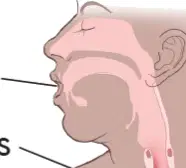
In the diagram, which labeled structure directly connects the mouth to the stomach as a muscular tube for food passage?
Aorta transporting blood to body
Duodenum linking stomach to liver
Esophagus connecting mouth to stomach
Trachea carrying air to lungs
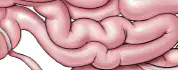
A blockage occurs where the small intestine meets the large intestine. Based on the diagram, which downstream process is most immediately disrupted?
Bile storage in the gallbladder
Acid secretion inside the stomach
Enzyme release from the pancreas
Water absorption in the large intestine
Which term refers to inflammation of the gums surrounding the teeth?
Periodontal disease of supporting bone
Gingivitis involving gum inflammation
Dental caries affecting tooth enamel
Salivary gland disease altering saliva
A patient presents with progressive loss of tooth support due to infection of tissues around the teeth. Which diagnosis best fits this description?
Dental caries causing tooth decay
Gingivitis limited to gum redness
Periodontal disease damaging support
Salivary gland disease reducing flow
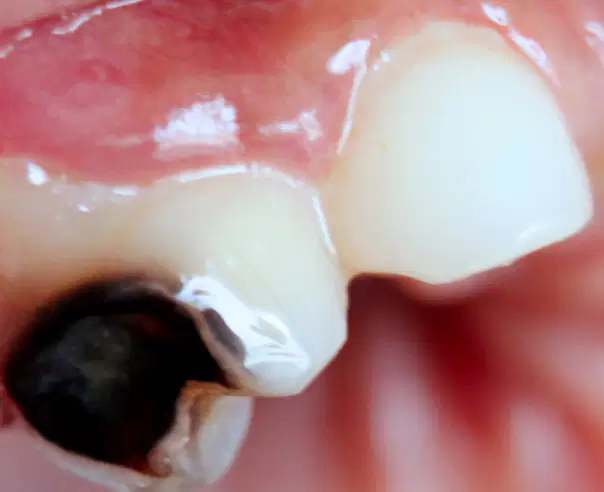
Which process best explains how dental caries develop, as shown in the image?
Loss of calcium from saliva due to dehydration conditions
Genetic defects weaken enamel regardless of diet quality
Acids from plaque bacteria metabolizing sugars demineralize enamel
Mechanical abrasion from hard foods erodes enamel surfaces
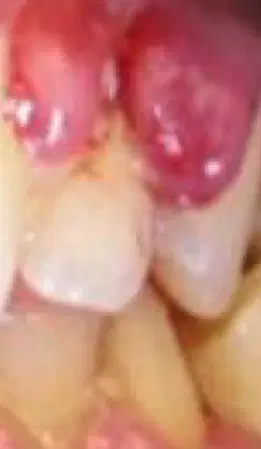
A patient presents with red, swollen gums that bleed easily, like in the image. Which initial management plan is most appropriate?
Delay care and rely solely on over-the-counter mouthwash
High-sugar diet to stimulate salivary protective buffering
Immediate tooth extraction to remove infected structures
Professional scaling and root planing with hygiene instruction
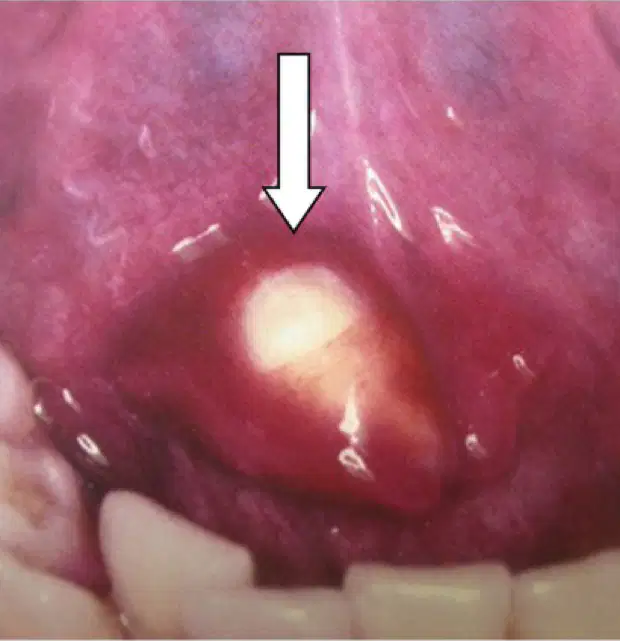
A patient presents with painful swelling under the tongue and a dry mouth. Which initial management step is most appropriate before considering antibiotics or surgery?
Avoid all oral intake completely
Begin high-dose corticosteroids
Apply topical fluoride varnish
Increase fluids and use sour candies
Which statement best defines gastroesophageal reflux disease (GERD) as shown in the diagram?
Chronic backflow of stomach acid into the esophagus
Acute blockage of the upper esophageal sphincter
Inflammation of the stomach from bacterial invasion
Spasm of the esophagus without acid movement
What is the most accurate explanation of a weakened LES in relation to GERD?
The esophageal valve relaxes inappropriately, allowing reflux
The stomach lining thickens and blocks acid reflux
The throat muscles spasm and trap swallowed air
The diaphragm tightens to prevent food from entering
Which test directly measures acid exposure in the esophagus to confirm GERD?
Upper endoscopy with biopsies for mucosal injury
Esophageal pH monitoring over a recording period
Esophageal manometry assessing motility patterns
Barium esophagogram outlining structural anatomy
A patient has persistent reflux symptoms despite maximal proton pump inhibitor therapy and lifestyle changes. What is the most appropriate next management consideration?
Stop all medications and rely on weight loss alone
Discuss surgical options for severe, unresponsive cases
Add H2 blockers instead of proton pump inhibitors
Increase antacids beyond recommended daily dosing
Which statement best defines dysphagia in clinical terms?
Chronic cough without eating triggers
Difficulty swallowing food or liquids
Persistent loss of appetite only
Inability to taste sweet flavors
Which statement best describes achalasia in relation to dysphagia?
A malignant growth steadily narrowing the esophageal lumen
A benign stricture causing large bites to become trapped
A mucosal allergy causing intermittent food impactions
A motor disorder causing progressive swallowing difficulty
Esophageal spasm primarily involves which pathophysiologic feature?
High‑pressure uncoordinated lower esophageal contractions
Low‑pressure coordinated upper esophageal contractions
Inflammatory narrowing relieved by acid suppression
Painless rhythmic waves improving after swallowing
A patient with longstanding GERD presents with dysphagia to solids that has progressed slowly. Which cause is most consistent with this presentation?
Achalasia with failure of the upper esophageal sphincter
An esophageal tumor with rapid early progression
A foreign body causing sudden partial obstruction
A narrowed esophagus from scar tissue formation

