
NEW
Font size
 Worksheets
REVISION FOR THE FIRST TERM TEST – GRADE 7
Total questions: 64
Worksheet time: 32mins
Circle the letter A, B, C, or D to indicate the word whose underlined part differs from the other three in pronunciation in each of the following questions.
A. helped
B. donated
C. washed
D. laughed
Circle the letter A, B, C, or D to indicate the word whose underlined part differs from the other three in pronunciation in each of the following questions.
tutor
collector
sore
doctor
Circle the letter A, B, C, or D to indicate the word whose underlined part differs from the other three in pronunciation in each of the following questions.
cleaned
recycled
exchanged
picked
Circle the letter A, B, C, or D to indicate the word whose underlined part differs from the other three in pronunciation in each of the following questions.
A. donate
B. pottery
C. homeless
D. remote
Circle the letter A, B, C, or D to indicate the word whose underlined part differs from the other three in pronunciation in each of the following questions.
suffered
organized
treated
arranged
Circle the letter A, B, C, or D to indicate the word whose underlined part differs from the other three in pronunciation in each of the following questions.
A. agree
B. calorie
C. blanket
D. allergy
Circle the letter A, B, C, or D to indicate the word whose underlined part differs from the other three in pronunciation in each of the following questions.
lemonade
favourite
facility
famous
Circle the letter A, B, C, or D to indicate the word whose underlined part differs from the other three in pronunciation in each of the following questions.
served
prepared
boiled
mixed
Circle the letter A, B, C, or D to indicate the word whose underlined part differs from the other three in pronunciation in each of the following questions.
A. cook
B. soup
C. food
D. spoon
Circle the letter A, B, C, or D to indicate the word whose underlined part differs from the other three in pronunciation in each of the following questions.
modern
involve
project
common
Circle the letter A, B, C, or D to indicate the word whose underlined part differs from the other three in pronunciation in each of the following questions.
liked
checked
toasted
cooked
Circle the letter A, B, C, or D to indicate the word whose underlined part differs from the other three in pronunciation in each of the following questions.
A. fresh
B. sure
C. dish
D. soup
Circle the letter A, B, C, or D to indicate the word that differs from the other three in the position of primary stress in each of the following questions.
A. exercise
B. volunteer
C. charity
D. serious
Circle the letter A, B, C, or D to indicate the word that differs from the other three in the position of primary stress in each of the following questions.
A. homeless
B. sunburn
C. provide
D. healthy
Circle the letter A, B, C, or D to indicate the word that differs from the other three in the position of primary stress in each of the following questions.
A. stomach
B. expert
C. prefer
D. knowledge
Circle the letter A, B, C, or D to indicate the word that differs from the other three in the position of primary stress in each of the following questions.
benefit
confident
charity
important
Circle the letter A, B, C, or D to indicate the word that differs from the other three in the position of primary stress in each of the following questions.
A. boneless
B. report
C. noodle
D. entrance
Circle the letter A, B, C, or D to indicate the word that differs from the other three in the position of primary stress in each of the following questions.
A. beautiful
B. holiday
C. recognize
D. equipment
Circle the letter A, B, C, or D to indicate the word that differs from the other three in the position of primary stress in each of the following questions.
A. tradition
B. puppetry
C. regional
D. festival
Circle the letter A, B, C, or D to indicate the word that differs from the other three in the position of primary stress in each of the following questions.
A. concert
B. compose
C. portrait
D. poet
You can see many interesting ______ in that art gallery.
paints
colours
portraits
paper
Water puppetry ______ in the 11th century in the villages of the Red River Delta of North Viet Nam.
start
begin
originated
form
The puppet shows present ______ themes of Vietnamese villages.
country
rural
city
urban
The group is ______ for their albums and tours around the world.
A. well-prepared
B. well-known
C. well-know
D. well-done
Arts are of great ______ in education, especially for young children.
important
importance
unimportant
unimportance
It arrives ______ New York at ten o’clock.
A. at
B. in
C. near
D. on
Teenagers in Viet Nam like K-pop, and they like Korean films ______.
too
either
so
however
Today, subjects like music and arts are put into the school______ in Viet Nam.
school year
subjects
curriculum
education
For many people, a good knowledge of music and arts is regarded as a ______ for every student.
necessary
need
needs
necessity
He usually ____________ bread, egg and milk for breakfast.
uses
has
does
takes
How many ________________ of beer does he want?
litres
kilo
tablespoon
teaspoon
Classical music is not __________ as pop music.
as exciting
as excited
exciting
more excited
This film is not ______ long as the film I watched last week.
as
but
like
too
My brother’s taste in art is quite different __________ mine.
than
as
to
from
My village is not ______ it was ten years ago.
same as
the same
the same as
the same like
The villagers are __________ they were years ago. There is no change at all.
as friend as
as friendly as
different from
not as friendly as
This year’s musical festival is not ______ it was last year.
as good as
as well as
different from
worse
My cousin, Mai, is the same age ______ me.
like
to
of
as
______ tomatoes do you need to make the sauce?
How much
How many
How long
How often
The ______ is rather older now; however, his acting ability has never been better.
composer
action
artist
actor
He prepares a cheese sandwich and two ________________ in her bag.
coffee
jam
oranges
sugar
How many ________________ are there in the basket?
bananas
bread
water
yoghurt
A ______ is a small meal that you eat when you are in a hurry.
snack
dinner
breakfast
lunch
______ is hot food that is quick to cook, and is served very quickly in a restaurant.
Hot food
Fast food
Sandwiches
Hamburgers
______ water should I put into the glass?
How
How much
How many
What
Our school has a programme to ____ children from poor families in Ho Chi Minh City.
ask
offer
tutor
volunteer
There is ______ tofu, but there aren’t ______ sandwiches.
some – some
any – any
some – any
any – some
Pho is always served ______ fresh herbs, bean sprouts, sliced-up chilies, and lime.
for
with
in
on
This cake is made ______ fresh butter and eggs.
in
of
by
from
You don’t need to take ________ food on the trip.
a
some
any
the
We need a ________ of bread to make the sandwiches for everyone.
bottle
bar
loaf
tube
Last Sunday, my father …………………fishing but he didn’t catch any fish.
had
did
went
took
People in my country often have three…………………a day: breakfast, lunch and dinner.
meals
parts
kinds
forms
My lemonade is a bit _________. Can you give me some sugar, please?
sour
sweet
spicy
salty
Sue: "Would you like some fried vegetables?" Ann: "________"
Yes, I would love to.
No, never mind.
Good job!
That's a great idea.
Thanh: "This apple pie you've made is tasty." Duy: "________"
OK.
Amazing!
I'm glad you like it.
I feel like eating it.
Ally: "Let's make pancakes together." Brian: "________"
Sure, why not?
Me too.
Many thanks!
It's so sweet.
Tu: "How much is a bottle of mineral water?" Long: "________"
They're 50,000 dong.
It's 5,000 dong.
I like lemonade.
That's too expensive.
Diana: "Do you like going to school?" Marry: "________"
I like visiting my friends and going to the cinema at weekends.
Yes, I do.
Yes, I have one brother and one sister.
No, I am not.

What does the notice say?
It's not dangerous to swim here.
Swimming is prohibited here.
Beach closed for swimming.
You can swim here but it may be dangerous.
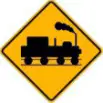
What does the sign say?
No parking for trains.
Parking for trains only.
No traffic for trains.
A railway level crossing is ahead
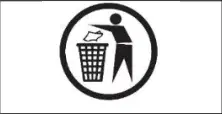
What does the sign say?
You must put the trash in the bin.
You pick the trash.
You can throw the trash away.
You bring the trash to your home.
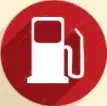
What does the sign say?
You can't get fuel here.
You can get some water here.
You can get gasoline here.
You can buy food here.
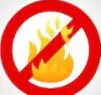
What does the sign say?
No water.
No fire.
No parking.
No eating or drinking.

