
 Worksheets
Halal Competency Training
Total questions: 28
Worksheet time: 14mins

In the image titled “Definition of Halal,” what does halal primarily signify in Islamic law regarding actions?
Permitted and lawful under Sharia
Optional and culturally preferred only
Punishable and discouraged by Sharia
Conditionally allowed during hardship

The slide labeled “Definition of Thoyyib” links thayyib to food quality. Which statement best reflects thayyib requirements for consumables?
Organic certified, vegan, and gluten-free
Traditional, locally sourced, and artisanal
Affordable, popular, and widely marketed
Safe, nutritious, clean, and high quality
According to the “Definition of Haram” visual, how are haram activities characterized for Muslims?
Neutral with no legal consequence
Allowed for non-religious purposes
Forbidden and unlawful to perform
Discouraged but sometimes rewarded
Which best describes syubhah in the context of food and drink, and the recommended action when its status is uncertain?
A certified item, it should be promoted
A rare item, it should be sampled
A doubtful item, it should be avoided
A traditional item, it should be preferred
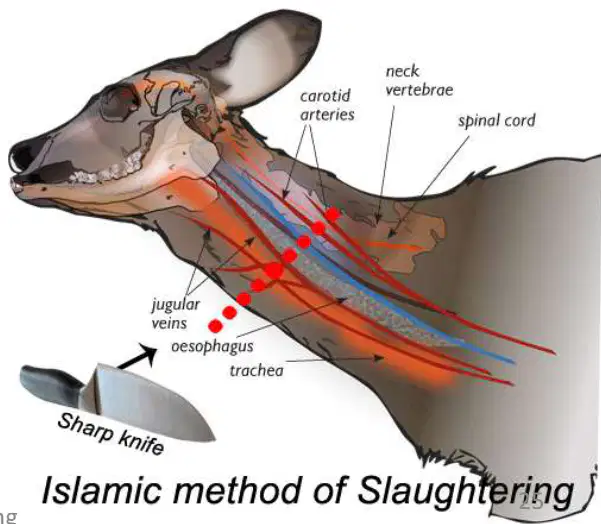
In halal slaughter, which structures must be severed to hasten bleeding and death as shown in the diagram?
Brainstem, ribs, stomach, pancreas
Trachea, esophagus, carotid arteries, jugular veins
Spinal cord, lungs, diaphragm, liver
Only trachea and esophagus with skin

Which scenario best illustrates the concept of Jallalah in Sharia law?
A halal animal is washed with pure water daily
A haram animal is kept away from filth completely
A halal animal is fed unclean waste and by-products
A halal animal habitually eats clean feed only
What does Darurah allow when a person faces extreme necessity?
Ignore all religious guidelines permanently
Act on personal preference without review
Perform normally forbidden acts due to emergency
Decide alone without scholarly consensus
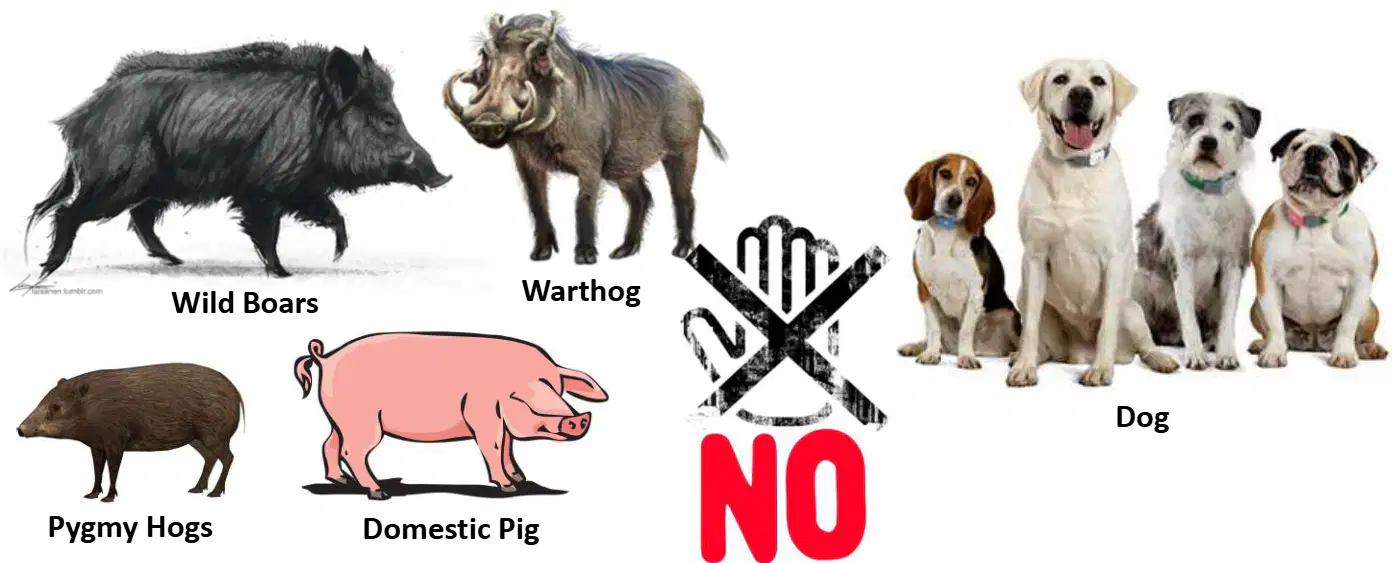
According to Sharia law, which group is classified as Najs?
Cattle and sheep bred for food
Chickens and ducks raised domestically
Dogs and pigs and their descendants
Cats and goats with healthy offspring
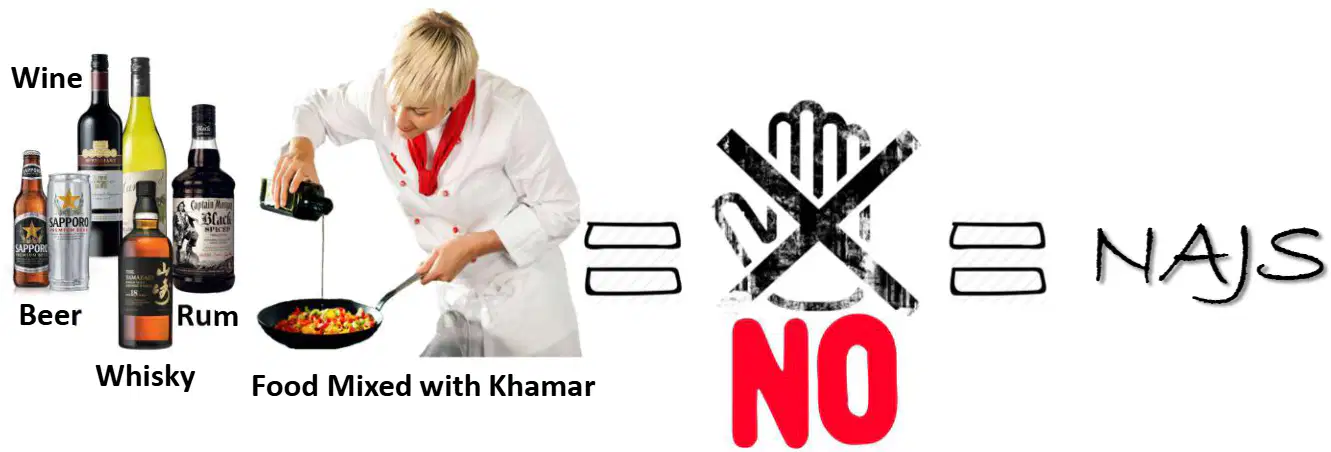
In halal compliance, what makes a food or drink classified as najis in the case shown, and what is the underlying reason?
It contains khamar, because alcoholic beverages are impure
It is spicy, because strong flavors cause impurity
It is uncooked, because raw ingredients are prohibited
It is colorful, because artificial dyes are forbidden
Match each type of najis to its description based on the classification shown.
All three: categories unrelated to bodily discharges
Mughallazah: severe najis including dogs and pigs
Mukhaffafah: light najis limited to certain infant urine
Mutawassitah: medium najis like vomit, blood, carrion
Which statement best reflects the committee’s decision regarding the use of a water stunner in chicken slaughter, as shown in the table?
It was prohibited in all slaughterhouses
It was permitted under the committee’s decision
It was allowed only for emergency use
It was postponed pending further studies
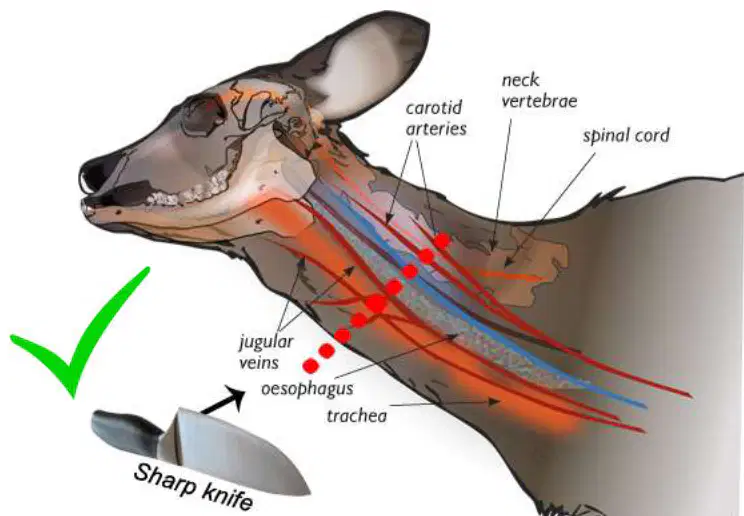
In the diagram of the Islamic method of slaughtering, which structures are targeted to ensure Halal slaughter?
Ear canal and nasal passages, avoiding jugular veins
Spinal cord and vertebrae, preserving oesophagus
Jugular veins and trachea, severing carotid arteries
Larynx and thyroid, leaving carotid arteries intact
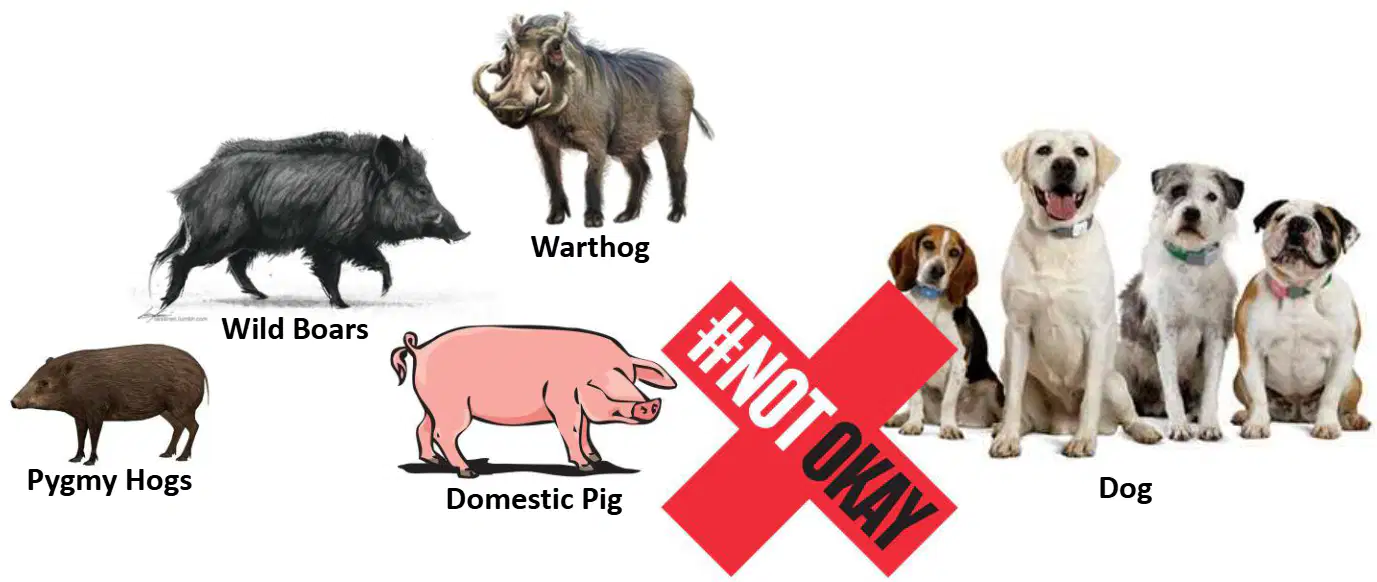
Among the land animals illustrated, which group is explicitly not permissible as food?
Goats and camels with their young
Deer and antelope with their calves
Cattle and sheep with their offspring
Pigs and dogs with their descendants
In Islamic jurisprudence, what best describes Darurah when determining permissibility in emergencies?
A dire necessity threatening life or limb
A preference to avoid social embarrassment
A minor inconvenience during travel
A routine hardship faced in daily life
Which statement correctly defines Najs in the context of purity laws?
Items that are culturally disliked
Foods that are nutritionally poor
Substances considered ritually impure
Materials that are legally taxable
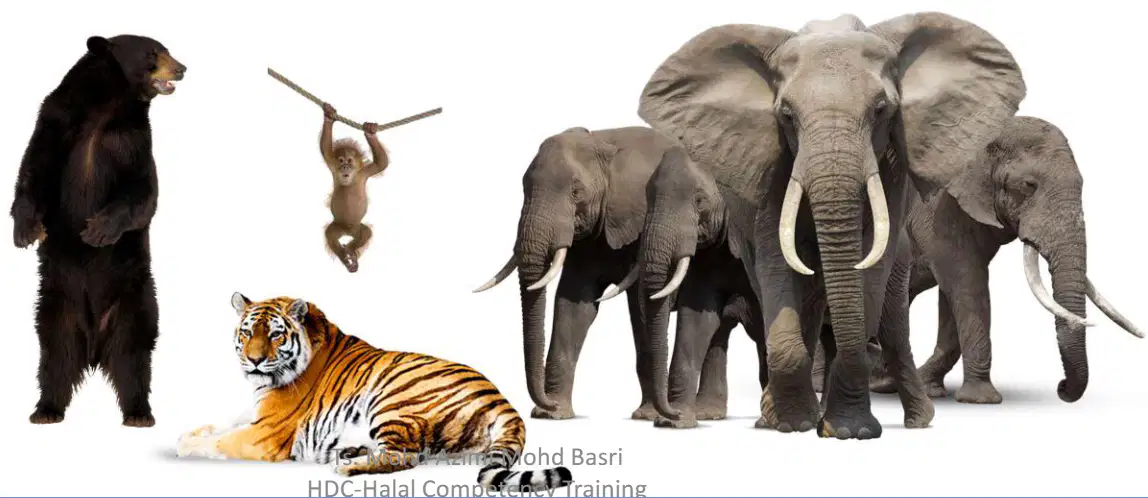
Look at the land animals shown. Which feature makes them generally excluded from being halal as food?
Ability to survive both land and water
Long pointed teeth or tusks used to kill prey
Habit of living in large social groups
Lack of domestication in human society
Consider the gelatin sources illustrated. Which source results in halal gelatin without additional conditions?
Gelatin from unknown mixed sources
Fish-derived gelatin
Bovine gelatin without proper slaughter
Porcine-derived gelatin
Which scenario best illustrates direct contact contamination with najs in a processing area?
Packaging film touches sanitized metal racks
Cold air flows across the chilled workspace
Steam condenses on a clean ceiling surface
Blood from a carcass splashes onto utensils
A bottle of khamar spills near halal ingredients. What is the most appropriate immediate action to prevent contamination?
Cover the spill with absorbent paper towels only
Dilute the spill with clean water first
Isolate and discard affected materials promptly
Move products away and continue operations
Which pathway most likely spreads najs via discharged liquids in a facility?
Sealed coolant loops remain fully contained
Filtered hand-wash water enters closed pipes
Leaking drain carries waste through shared channels
Sterile rinse recirculates in a dedicated circuit
Which category of najs refers to the most severe impurity requiring specific cleansing with earth and water known as sertu?
Taharah, complete purity without washing
Mukhaffafah, light impurity needing minimal wash
Mutawassitah, routine impurity needing rinsing
Mughallazah, severe impurity requiring sertu
A utensil is contaminated by dog saliva. What is the appropriate cleaning procedure to restore its purity?
Rinse once with running water only
Boil the utensil for ten minutes
Wash seven times with water, once mixed with soil
Spray with alcohol-based sanitizer twice
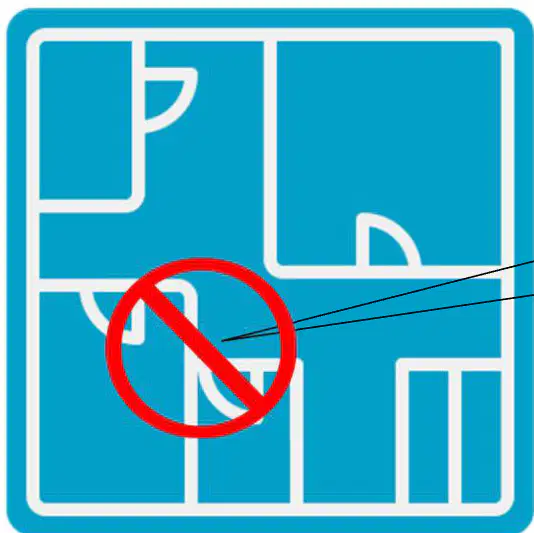
Raw material is exposed to rat droppings in a halal facility. Classify the impurity and select a compliant action to prevent certification failure.
Mukhaffafah; continue use after quick wipe
Mughallazah; perform sertu on entire warehouse
Mutawassitah; remove and clean affected area thoroughly
Taharah; item remains acceptable without action
Which set lists the four primary sources of Islamic law used in Halal certification decisions?
Quran, Sunnah, Fatwa, Qiyas
Quran, Hadith, Mufti, Qiyas
Quran, Hadith, Ijma’, Qiyas
Hadith, Ijma’, Fatwa, Customs
A Halal certification dispute arises over a novel food additive. Which action best reflects the role of a Mufti issuing a Fatwa?
Publish peer-reviewed lab results for the additive
Conduct factory maintenance and safety training
Negotiate a commercial contract with the supplier
Apply Qiyas to derive a ruling for the additive
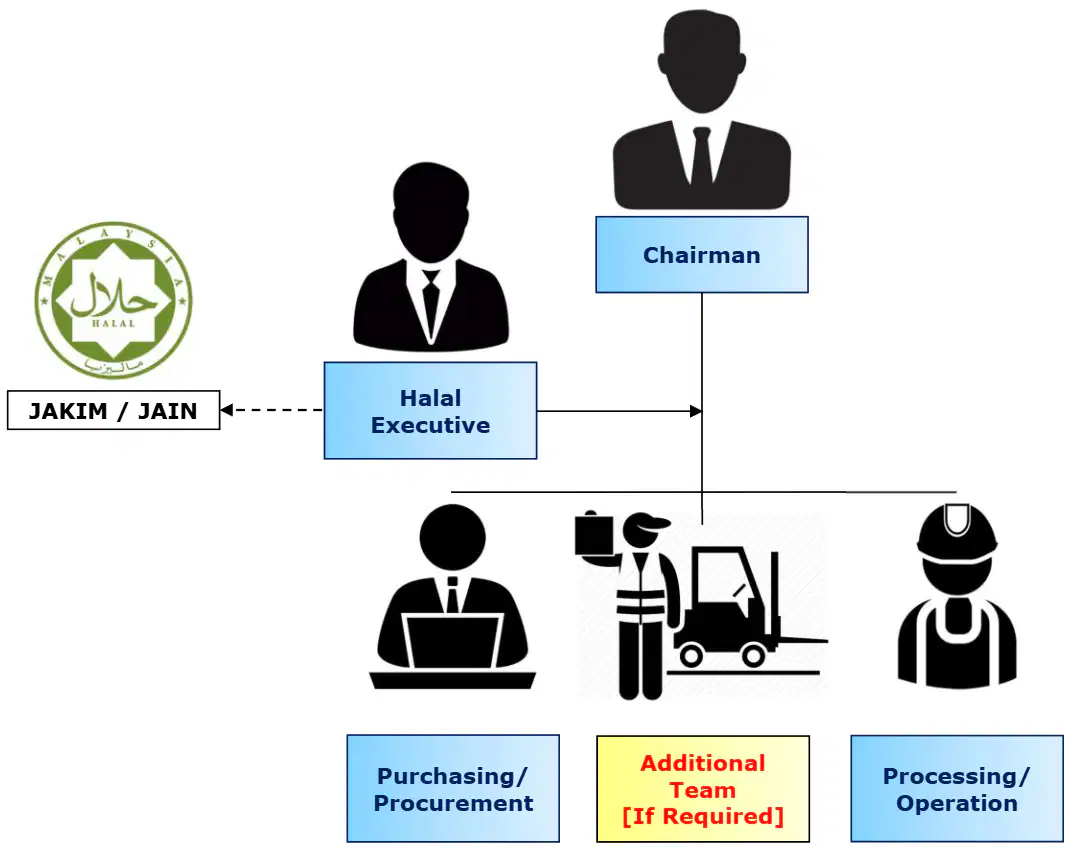
In the diagram, which internal role most directly liaises with JAKIM/JAIN during certification activities?
Purchasing and procurement unit
Halal Executive of the facility
Chairman of the internal committee
Processing and operation lead
Based on the Sertu procedure shown, what is the correct sequential order for purification after najis mughallazah contamination?
Water with soil, clean and wash, clean water
Clean and wash, clean water, water with soil
Clean water, water with soil, clean and wash
Clean and wash, water with soil, clean water

Using the raw material decision tree, how should a medium-risk processed ingredient be handled if it lacks a recognized Halal certificate but has complete supporting documentation?
Request a fatwa from a Mufti
Classify the ingredient as low risk
Reject the ingredient outright
Accept the ingredient for production

